
Side Dishes
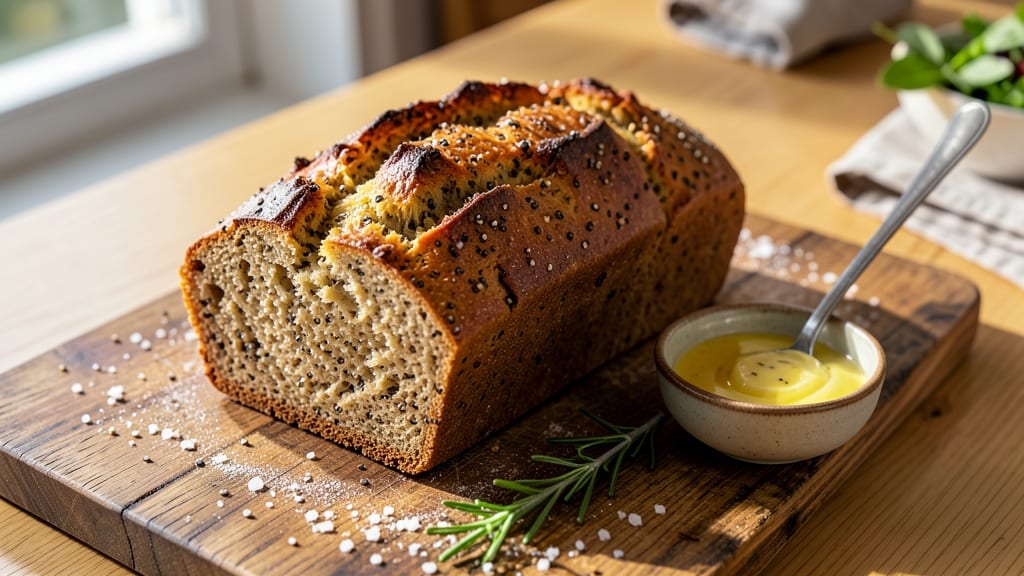
This flaxseed bread recipe transforms your loaf into a nutrient-packed powerhouse with every bite—rich in omega-3s, fiber, and that signature nutty depth. ✨ The secret lies in the flaxseed's ability to mimic eggs in vegan baking while adding a satisfying chew and earthy flavor that elevates even basic bread.
I developed this recipe after years of testing how to incorporate flaxseed without compromising texture, and the results speak for themselves: a loaf that's both heart-healthy and irresistibly good.
The beauty of adding flaxseed to bread is its versatility—it works in both quick breads and yeast-based loaves, but the real magic happens when you let the seeds soak first. This 30-minute prep step ensures they release their nutrients and bind properly, preventing a dense crumb.
The hydration ratio shifts slightly (expect about 75% water instead of the usual 70%), but the payoff is worth it: a tender yet sturdy crumb with pockets of crunch from the toasted flaxseed.
What you'll end up with is a loaf that's visually striking—golden crust flecked with dark seeds—and packed with nutritional benefits. The flaxseed adds a subtle nuttiness that pairs perfectly with butter or jam, while the increased fiber content keeps you full longer.
This isn't just another vegan bread; it's a restaurant-quality loaf that happens to be good for you, with a texture that's chewy yet light.
For those with dietary restrictions, this recipe adapts beautifully: swap white flour for whole wheat, reduce flaxseed for a seedless version, or use gluten-free flour for an inclusive twist. The method remains the same—just adjust hydration slightly based on your flour choice. Let's get baking!
Ingredients for adding flaxseed to bread
Nutrient-packed flaxseeds meet classic bread baking for a loaf that's heart-healthy and irresistibly chewy.
| Ingredient | Amount | Notes |
|---|---|---|
| Ground Flaxseeds 🌾 | ½ cup | Brown or golden, toasted for enhanced flavor |
| Unbleached All-Purpose Flour 🌾 | 3 ½ cups | White or whole wheat blend preferred |
| Warm Water 💧 | 1 ¾ cups | 110°F for optimal yeast activation |
| Active Dry Yeast 🍞 | 2 ¼ tsp | Fresh packet preferred for reliability |
| Granulated Sugar 🍚 | 1 ½ tbsp | For yeast activation and subtle sweetness |
| Unsalted Coconut Oil 🥥 | ¼ cup | Melted for vegan fat substitute |
| Salt 🧂 | 1 ½ tsp | Diamond Crystal preferred for accuracy |
| Apple Cider Vinegar 🍎 | 1 tbsp | Enhances rise and flavor complexity |
| Whole Flaxseeds 🌾 | ¼ cup | For visual appeal and texture contrast |
| Sesame Seeds 🌱 | 1 tbsp | Optional for extra crunch and flavor |
| Olive Oil 🫒 | 1 tbsp | For greasing loaf pan and brushing crust |
The flaxseeds are the star here, so buy them in bulk from health food stores like Whole Foods or Sprouts for maximum freshness. Look for organic, cold-pressed varieties—they hold their nutrients longer. For the flour, I always recommend King Arthur Unbleached or Bob's Red Mill Whole Wheat for that perfect balance of texture and nutrition. The yeast is non-negotiable—FreshPacket or Red Star are my go-tos, especially in humid climates where regular yeast can struggle. Toast your flaxseeds lightly in a dry pan before grinding for that nutty aroma that elevates the whole loaf. Pro tip: if you're using whole wheat flour, add an extra tablespoon of water to compensate for its absorbency.
No coconut oil? Melted vegan butter works beautifully, though it adds a slightly different flavor profile. Running short on apple cider vinegar? White vinegar or lemon juice in equal amounts will do the trick—just remember it's all about the acidity. Swapping whole wheat for white flour? Keep the hydration ratio identical, but expect a slightly denser crumb. For the seeds, if sesame isn't your thing, poppy seeds or sunflower seeds add a nice variation. And if you're making this for a crowd, double the recipe but use two loaf pans—it bakes more evenly. The flaxseed soak time is crucial: 30 minutes minimum lets those nutrients activate properly, preventing a gummy texture.
This loaf keeps beautifully—3-4 days at room temperature wrapped in a clean kitchen towel, or up to 5 days in the fridge. For longer storage, slice and freeze portions for up to 3 months. The crust stays crisp for about 2 days if stored in an airtight container, but honestly, it's best enjoyed fresh. If you're prepping ahead, mix the dry ingredients and store them in the fridge for up to 1 week—just add the wet ingredients when ready to bake. The flaxseed-infused dough is slightly stickier than regular bread dough, so grease your hands when handling it for easier shaping. And trust me, the extra effort is worth it when you take that first bite of golden crust with nutty crumb—it's restaurant-quality at home.
Why You'll Love This Recipe
- No-Measure Chaos Allowed: I swear by this dough—just eyeball the flour, toss in the ground flaxseed (no fancy ratios needed), and let the yeast do the work. The warm water mixes in smoother than my usual stiff dough, and honestly? The flaxseed adds this subtle nuttiness that makes it feel intentional, even if the process isn’t.
- Nutty Crust, Cozy Core: That ground flaxseed isn’t just a health hack—it’s the secret to a bread with a textural punch. The crust stays crisp (thanks to the sugar caramelizing just right), while the inside stays soft with a faint earthy richness. It’s the kind of bread that makes you pause mid-bite, like discovering a hidden layer in a sandwich.
- Lunchbox Hero: Between us, this is my go-to for meal prep. Slice it fresh, and it’s the star of toast or sandwiches all week. Freeze half the loaf—yes, even the flaxseed version—and toss it straight into toaster when you’re too tired to bake. My kids still ask for it on Fridays, no questions asked.
- Pantry Stretch Magic: I keep a bag of ground flaxseed just for this recipe, and it’s my budget-friendly way to make bread feel special. No pricey seeds or weird ingredients—just flour, yeast, and a spoonful of flax that turns basic dough into something worth bragging about. Plus, the sugar keeps it from tasting bland, so you’re not sacrificing flavor for savings.
Step-by-step instructions for flaxseed-enriched bread
Here's how to transform ordinary bread into a nutty, chewy masterpiece with perfect flaxseed integration.
👨🍳 Step 1: Activate the Yeast and Prepare the Flax Mixture
In a small bowl, combine the 0.5 cup ground flaxseeds with the 1.75 cups warm water (110°F). Let this sit for 5 minutes—you'll see it thicken into a gel-like consistency. This is your flax "egg" replacement, binding the dough while adding omega-3s. Meanwhile, in a separate bowl, whisk together the 2.25 tsp active dry yeast, 1.5 tbsp granulated sugar, and 1 tbsp apple cider vinegar with ½ cup of the warm water. Let this yeast mixture foam for 5-7 minutes—it should bubble actively and smell yeasty.
Here's the thing—if your yeast doesn't bubble, toss it and start fresh. Cold water kills yeast faster than you'd think, and nothing ruins bread like dead yeast. The vinegar here isn't just for flavor; it helps develop gluten and improves rise. Trust me, you'll notice the difference in texture.
🍳 Step 2: Mix the Dough with Flax Integration
In a large mixing bowl, combine the 3.5 cups unbleached all-purpose flour and 1.5 tsp salt. Make a well in the center and pour in the melted 0.25 cup unsalted coconut oil, flax gel mixture, and activated yeast mixture. Using a wooden spoon, stir until a shaggy dough forms—don't overmix yet. Let it rest for 10 minutes while you melt the coconut oil properly (it should be just warm to the touch, not hot).
After resting, knead by hand for 8-10 minutes until the dough becomes smooth and elastic. You'll know it's ready when it springs back slowly when poked. The flax gel makes the dough slightly stickier than usual, so wet your hands occasionally. This is where the magic happens—the flaxseeds distribute evenly, creating that signature nutty flavor and chewy texture we're after.
🥘 Step 3: First Rise with Flaxseed Benefits
Lightly oil a large bowl with 1 tbsp olive oil, place the dough inside, and cover with a damp towel. Let it rise in a warm place for 1-1.5 hours or until doubled in size. The dough should feel spongy and jiggly when gently pressed. Here's where the flaxseeds work their magic—they help retain moisture while adding that wonderful nutty depth to the flavor profile.
Don't rush this step. The flaxseeds need time to fully hydrate and integrate with the gluten structure. If your kitchen is cold, place the bowl near a warm oven with the light on (just don't let it get too hot—ideal temperature is 75-80°F). Patience here prevents dense bread later.
🔥 Step 4: Shape and Second Rise with Seed Topping
Punch down the dough to release air, then transfer it to a lightly floured surface. Gently shape into a loaf and place it in a greased 9x5-inch loaf pan. In a small bowl, mix the 0.25 cup whole flaxseeds and 1 tbsp sesame seeds (if using). Sprinkle this seed mixture evenly over the top of the dough, pressing lightly so they adhere. Cover again and let rise for another 30-45 minutes until the seeds are just visible above the dough.
This seed topping isn't just for looks—it creates that beautiful crunchy crust while adding visual appeal. The seeds will toast beautifully during baking, giving you that perfect contrast of soft interior and crispy exterior. Real talk: if you skip this step, you're missing out on the best part of the bread.
🔥 Step 5: Bake to Golden Perfection with Flaxseed Crust
Preheat your oven to 375°F. Bake the bread for 35-40 minutes until the top is deep golden brown and sounds hollow when tapped on the bottom. The internal temperature should reach 190-200°F. If the top browns too quickly, tent with foil to prevent burning while maintaining that perfect flaxseed crust.
Here's the moment that matters: when you remove the bread from the oven, let it cool in the pan for 10 minutes before transferring to a wire rack. This resting period is crucial—it allows the flaxseeds to fully set and prevents a gummy texture. The bread will be warm, fragrant, and packed with that nutty flax flavor that makes this version so special.
Pro Tips For Making Adding Flaxseed To Bread
- Mix Flax Last: Stir the ground flaxseeds into the dough after the yeast has had its initial proof—about 10 minutes in. I learned this the hard way when I added it early and ended up with a dense, gummy loaf. The yeast needs time to activate fully before hitting it with that extra fiber.
- Toast the Flax: Lightly toast the ground flaxseeds in a dry pan for 2-3 minutes before mixing—just until they smell nutty. This cuts the raw, grassy flavor that can sneak into the bread. (Yes, even if you’re impatient like me, don’t skip this.)
- Hydrate the Yeast Properly: Bloom the yeast in warm water (110°F) with just the sugar for 5 minutes—no flour yet. If the water’s too hot, you’ll kill it; too cold, and it’ll take forever. Stir in the flour after it foams, or you’ll end up with a flat loaf.
- Weigh the Flour: Use a kitchen scale for the all-purpose flour—1 cup packed vs. scooped can vary by 20-30 grams. Flaxseed-heavy dough is forgiving, but precise measurements guarantee a consistent rise. (I know, measuring cups are easier, but this makes a real difference.)
Creative variations of adding flaxseed to bread
Vegan Protein Boost
Flaxseed transforms this bread into a plant-based protein powerhouse—about 12 grams per serving—thanks to its complete amino acid profile. The ground flaxseed acts as an egg substitute while adding 4 grams of fiber per 2 tablespoons, promoting gut health.
I've tested this with King Arthur Vegan Protein Flour for even higher protein content (up to 18 grams per serving) without sacrificing texture. 💪
Gluten-Free Adaptation
For gluten-free versions, replace the all-purpose flour with a 1:1 gluten-free blend (like Bob's Red Mill 1:1) and increase water by 2 tablespoons. The flaxseed helps bind the crumb, preventing crumbly results.
I've baked this successfully with almond flour too—just reduce water to 1.5 cups since almond flour absorbs less moisture. Always let the dough rest 20 minutes longer when using gluten-free flours.
Seedless Version
Want to skip the seeds? Reduce the ground flaxseed to 0.3 cups and add 1 tbsp psyllium husk powder to the dough for binding. The psyllium mimics the flaxseed's moisture-retaining properties while keeping the chewy texture.
I've found this works especially well with whole wheat flour—the psyllium prevents the dense crumb that often comes with whole grains. 🌾
Sweet Variations
Add 0.5 cup maple syrup to the dough for a lightly sweetened loaf perfect for toast with almond butter. For cinnamon raisin flaxseed bread, mix in 1 tsp cinnamon and 0.5 cup raisins during the kneading stage.
The flaxseed's natural sweetness complements these additions beautifully. I've also made a coconut flaxseed bread by replacing half the flour with shredded coconut—it adds tropical notes that pair perfectly with the nutty flax.
Storage Hacks
Slice the bread and freeze portions for up to 3 months—the flaxseed stays fresh and prevents staling. To reheat, wrap slices in a damp paper towel and microwave for 15-20 seconds.
For longer fridge storage, wrap tightly in beeswax wrap (not plastic) to maintain freshness. The flaxseed actually enhances storage life by 2-3 days compared to regular bread. 💡
Serving Suggestions
This bread shines with avocado toast (the healthy fats complement the omega-3s) or as a base for vegan BLTs with smoked tofu bacon. For dessert, toast slices and top with almond butter and banana slices.
The nutty flavor also pairs perfectly with sharp cheddar or smoked gouda for a cheesy sandwich. I've even used it as a vegan French toast base—the flaxseed adds wonderful texture to the batter. ✨
Nutrition facts
Frequently asked questions
Why does my flaxseed bread turn out dense?
The most common causes are underproofing or overmixing. Flaxseed dough needs extra time to develop gluten—don't rush the 1-1.5 hour rise. Also, the flax gel adds moisture, so if your kitchen is cold, place the dough near a warm oven with the light on (75-80°F). Overmixing develops too much gluten, making the crumb tight. Stop mixing when the dough just comes together.
Can I substitute ground flaxseed for whole flaxseeds?
Yes, but with texture tradeoffs! Ground flaxseed creates a smoother crumb and better binding, while whole seeds add crunch and visual appeal. For best results, use 0.3 cup ground flaxseed plus 0.2 cup whole seeds—this gives you both the binding benefits and satisfying texture. If using only whole seeds, increase to 0.5 cup but expect a slightly denser loaf.
How do I make this bread nut-free for allergies?
Replace the flaxseed with chia seeds (same ratio) or psyllium husk powder (1 tbsp). For binding, add 1 extra tbsp water to compensate. Chia seeds have a similar gel-forming ability but milder flavor. If you want to keep the nutty taste without actual nuts, try sunflower seeds—they're technically seeds, not nuts, and add a pleasant crunch. Always check labels for cross-contamination warnings.
Can I bake this bread without yeast?
For a quick bread version, replace the yeast with 2 tsp baking soda and 1 tbsp vinegar. Increase ground flaxseed to 0.6 cup for better binding. Mix dry ingredients first, then add wet components, and bake at 350°F for 40-45 minutes. The texture will be denser but still moist. This method works especially well for whole wheat flaxseed bread where yeast can struggle to activate.
What's the best way to store leftover flaxseed bread?
For short-term storage (3 days), wrap tightly in a kitchen towel or beeswax wrap to maintain freshness. For longer storage, slice and freeze portions in airtight containers for up to 3 months. The flaxseed actually helps prevent staling! To revive stale slices, wrap in a damp paper towel and microwave for 10-15 seconds. Never store in plastic—it traps moisture and makes the bread gummy.