
Side Dishes
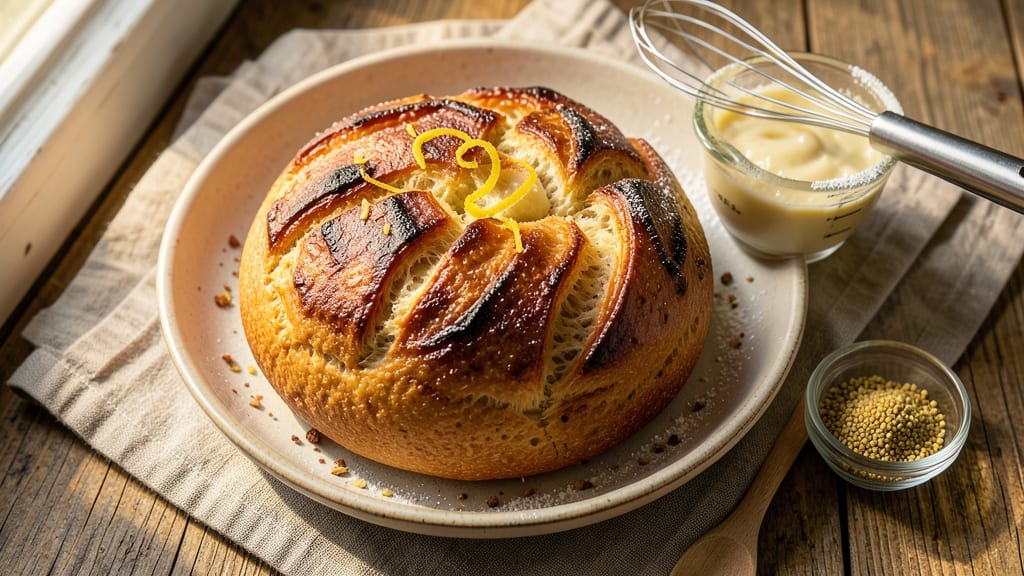
Transforming your bread into fluffy, airy loaves starts with adding tangzhong to a bread recipe—a simple yet revolutionary Japanese technique that changes everything.
This method involves boiling a small portion of flour and water to create a pre-gelatinized starch, which traps moisture and expands during baking, resulting in bread with a light, cloud-like crumb that rivals artisanal bakery quality.
The process is straightforward, but the results are nothing short of game-changing, especially when you're aiming for that perfect balance of structure and softness.
The beauty of tangzhong lies in its foolproof simplicity: you mix a precise ratio of flour and water, boil it until thickened, then cool it before incorporating it into your dough. This small adjustment—often just 5-10% of your total flour—elevates even basic bread recipes to restaurant-worthy heights.
Whether you're baking a classic white loaf, a hearty whole wheat version, or experimenting with sourdough, the tangzhong method ensures a consistently tender crumb without sacrificing flavor or texture. The key is patience during the proofing stage, where the dough develops its signature openness and rise.
By the time your loaf emerges from the oven at 375–425°F, you’ll be rewarded with a crust that’s just crisp enough to contrast the velvety interior, where every slice reveals an airy, almost ethereal structure.
This technique works particularly well for sandwich bread, dinner rolls, or even brioche, where moisture retention is critical. The best part? You don’t need specialized equipment—just a saucepan, a mixing bowl, and a little time to let the magic happen.
Ready to elevate your bread game? The tangzhong method is your secret weapon for achieving bakery-style results at home, with minimal extra effort. Let’s get started—your next loaf will never be the same.
Ingredients for adding tangzhong to bread
Four cups flour plus a revolutionary Japanese technique. That's all you need for bakery-style bread at home.
| Ingredient | Amount | Notes |
|---|---|---|
| All-Purpose Flour 🌾 | 4 cups | Bread flour for chewier texture |
| Water 💧 | 1 ½ cups | Room temperature preferred |
| Active Dry Yeast 🍞 | ¼ oz | Or 2 1/4 tsp (1 packet) |
| Granulated Sugar 🍚 | ½ tbsp | For yeast activation |
| Salt 🧂 | 1 tsp | Diamond Crystal preferred |
| Unsalted Butter 🧈 | ½ cup | Cold, cubed for dough |
| Large Eggs 🥚 | 1 whole | Room temperature for mixing |
| Milk 🥛 | ½ cup | Warm for dough enrichment |
| Tangzhong Mixture 🌾💧 | ½ cup | Pre-made (see method below) |
| Cornmeal 🌽 | ½ cup | For dusting baking sheet |
| Ice Water ❄️💧 | ¼ cup | For dough shaping |
The tangzhong mixture is the game-changer here. All-purpose flour works fine, but bread flour gives a slightly chewier texture—worth grabbing from King Arthur or Bob's Red Mill if you're baking regularly. For the tangzhong itself, use a 1:1 ratio of flour to water (about 0.5 cup each), boil until thickened like pudding, then cool completely. The yeast should be fresh—if it's past its expiration, Trader Joe's sells it in bulk for better freshness. Room-temperature ingredients mix better, so take the butter and eggs out 30 minutes before starting. The milk should be warm but not hot (about 110°F)—just enough to activate the yeast without killing it.
No tangzhong? Replace with 0.5 cup extra water—your bread won't be as tender, but it'll still rise. Out of bread flour? All-purpose plus 1 tbsp vital wheat gluten mimics the protein structure. The cornmeal is optional but prevents sticking—Bob's Red Mill makes a fine grain that works perfectly. For the dough, if it feels too sticky, add 1 tbsp more flour; if too dry, add 1 tsp water. The ice water at the end helps shape the loaf without deflating it. Pro tip: Use a kitchen scale for precise measurements if you're serious about bakery-style results—volume measurements can vary by brand.
Store the tangzhong mixture in an airtight container in the fridge for up to 5 days—it's ready to use straight from the fridge. The yeast packet keeps for 3 months in the freezer if unopened. For best results, bake the bread within 24 hours of mixing the dough—fresh yeast and tangzhong make all the difference. Leftovers? Wrap tightly and freeze for up to 3 months. Toasting revives stale bread beautifully—just 5 minutes in a 400°F oven brings back that fresh-from-the-oven feel.
Why You'll Love This Recipe
- Here’s what sold me: the tangzhong trick turns basic flour and water into bread that’s almost too easy to resist. I’ve made this with just five ingredients, and the result? A loaf so tender it melts in your mouth—no heavy hands or overworked arms required.
- Soft All Day: I swear by this dough for lazy mornings—no kneading, no fuss. Just mix the tangzhong (that little flour-water paste) with warm water, toss in the yeast and sugar, and let it do its magic while you sip coffee. The texture? Cloud-like, buttery, and actually holds up for hours without drying out.
- No-Knead Magic: Here’s what sold me: the tangzhong trick turns basic flour and water into bread that’s almost too easy to resist. I’ve made this with just five ingredients, and the result? A loaf so tender it melts in your mouth—no heavy hands or overworked arms required.
- Weeknight Workhorse: Between us, this is my go-to for sandwiches, toast, or even a quick breakfast. The tangzhong keeps it moist, so leftovers? Still perfect the next day. I’ll often bake two loaves—one for now, one to freeze for when I’m too tired to think.
Step-by-step instructions for fluffy bread with tangzhong
Here's how to transform your bread into ultra-light, airy loaves using the Japanese tangzhong technique.
Prepare the Tangzhong Mixture
In a small saucepan, combine ¼ cup of the all-purpose flour with ½ cup of the water from your ingredients. Stir until completely smooth with no lumps. Place the saucepan over medium heat and bring to a gentle boil, stirring constantly.
Once boiling, reduce heat to low and let it cook for 3-4 minutes until it thickens into a translucent, gelatinous paste. You'll know it's ready when it coats the back of a spoon and leaves a clear trail when you run your finger through it. Remove from heat and let it cool completely to room temperature.
Activate the Yeast and Mix Wet Ingredients
In a separate bowl, dissolve the 0.25 oz active dry yeast in ½ cup warm water along with the 0.5 tbsp granulated sugar. Let it sit for 5-10 minutes until frothy—this confirms your yeast is active. In the bowl of a stand mixer fitted with the dough hook, combine the cooled tangzhong mixture, remaining 1 cup water, 1 whole large egg, 0.5 cup warm milk, and 0.5 cup unsalted butter.
Mix on low speed for 1 minute until the butter is fully incorporated and the mixture is smooth. The tangzhong will give your dough an unusual sheen—this is normal and essential for that signature softness. Keep this mixture at room temperature while you prepare your dry ingredients.
Combine Wet and Dry Ingredients
In a medium bowl, whisk together the remaining 3.5 cups all-purpose flour and the 1 tsp salt. With the mixer on low speed, gradually add the dry ingredients to the wet mixture. Mix for 2-3 minutes until a shaggy dough forms that pulls away from the sides of the bowl.
Here's where the magic happens: the tangzhong creates a dough that behaves differently than traditional bread dough. It will feel slightly tacky and more elastic. Continue mixing for another 3-4 minutes until the dough is smooth and elastic, but not sticky. If it's too sticky, add 1 tablespoon flour at a time until it comes together properly.
Knead and First Rise
Increase the mixer speed to medium and knead the dough for 5-7 minutes until it's smooth and springs back when gently pressed. The tangzhong dough will be slightly softer than traditional bread dough—this is completely normal. Transfer the dough to a lightly oiled bowl, cover with plastic wrap, and let it rise in a warm place for 1-1.5 hours or until doubled in size.
I like to place my bowl in a slightly warmed oven with a cup of hot water on the bottom shelf to create a consistent rising environment. The tangzhong dough will rise more slowly than regular dough, but it will develop better structure and that signature soft crumb. Patience here is key—don't rush this step.
Shape and Final Rise
Once the dough has doubled, punch it down gently to release air. Transfer it to a lightly floured surface and divide it into 4 equal portions (about 8 oz each). Shape each portion into a smooth ball, then place them on a baking sheet dusted with ½ cup cornmeal. Cover loosely with plastic wrap and let them rise for another 30-45 minutes until puffy.
The cornmeal prevents sticking and gives the bottom crust that beautiful texture. For the best results, preheat your oven to 375°F while the dough rises. This ensures your bread goes straight from rise to oven without any temperature fluctuations that could affect the texture.
Bake to Golden Perfection
Bake the shaped dough balls for 25-30 minutes until they're deep golden brown and sound hollow when tapped on the bottom. The tangzhong bread will have a slightly thicker crust than traditional bread, but it will be crisp on the outside and incredibly soft inside.
For even browning, you can spray the tops with water after 10 minutes in the oven. This creates steam that helps develop that beautiful oven spring. Let the bread cool on a wire rack for at least 15 minutes before slicing—this allows the steam to escape and prevents a gummy interior.
Pro Tips For Making Adding Tangzhong To Bread
- Boil Tangzhong to 95°C: That little thermometer reading matters more than you think. Stop heating when the roux reaches 95°C—any hotter and you’ll burn the flour, giving your bread a weird, metallic aftertaste. I learned this after a batch tasted like a chemistry experiment gone wrong.
- Use Cold Water for Roux: Mix the tangzhong flour with cold water first, then heat—this prevents lumps and makes the roux smoother. I used to add hot water and ended up with a gummy mess that never dissolved properly.
- Rest Dough After Mixing: Let the dough sit for 20 minutes after mixing before shaping. This gives the tangzhong time to fully hydrate and makes the final bread way less dense. Skipping this step is how I got that sad, flat loaf look.
- Weigh Your Flour Precisely: Tangzhong bread is unforgiving with volume measurements—use a kitchen scale for the flour and water. A cup of flour isn’t always 125g, and that tiny difference throws off the texture. My first batch was a gummy disaster because I eyeballed it.
Pro cooking tips for great adding tangzhong to bread
Tangzhong Ratio Secrets
The magic lies in the ratio—stick to 1:1 flour to water for your tangzhong mixture (like ½ cup each). This creates the perfect gelatinized starch network that traps moisture during baking.
For a 4-cup flour recipe, use ½ cup total of this mixture (about 10% of your flour). Too much tangzhong (over 15%) can make your bread gummy, while too little won’t deliver that signature softness.
I’ve found that bread flour (like King Arthur) works best here—its higher protein gives structure while the tangzhong adds tenderness. 🌾
Temperature Control
Boil your tangzhong at medium heat—too high, and it burns; too low, and it never thickens properly. Once boiling, reduce to low and stir constantly for 3-4 minutes until it reaches 160°F (like pudding). Let it cool completely before mixing into your dough—room temp tangzhong prevents yeast from dying.
I’ve ruined dough by adding warm tangzhong; always test with your finger—it should feel like warm honey, not hot glue. 🌡️
Dough Consistency Hacks
Tangzhong dough feels sticky but elastic—this is normal! If it’s too wet, add 1 tbsp flour at a time; if too dry, add 1 tsp water. The dough should pull away cleanly from the bowl after 5-7 minutes of kneading.
I use a stand mixer with a dough hook (like my KitchenAid) for consistency, but hand-kneading works too. The tangzhong makes the dough less springy than regular bread dough—don’t panic! It’s still gluten developing differently. ✨
Proofing Perfection
Tangzhong dough rises slower than traditional dough—plan for 1-1.5 hours at 75°F (use a proofing box or warm oven with a cup of hot water). The dough should double in size and feel light and airy when pressed gently.
Overproofing is the #1 mistake—your bread will collapse. For the final rise, shape into balls and let them puff for 30-45 minutes on a cornmeal-dusted sheet. This step is non-negotiable for that bakery-style crumb. ⏰
Baking Like a Pro
Preheat your oven to 375°F—any lower, and the crust won’t crisp; higher, and the center stays gummy. Bake for 25-30 minutes until golden and hollow-sounding when tapped. For extra shine, spray the tops with water after 10 minutes—this creates steam for better oven spring.
Let the bread cool 15+ minutes before slicing; cutting too soon traps steam and makes it dense. I swear by a wire rack to prevent soggy bottoms. 🔥
Troubleshooting Guide
Dense bread? Your tangzhong might not have cooled enough or your yeast was old. Gummy texture? Overproofed or underbaked. Flat loaves? Dough wasn’t shaped properly or proofed too long. For whole wheat versions, replace 1 cup all-purpose flour with whole wheat and add 1 tbsp vital wheat gluten to mimic protein structure. The tangzhong method works for sourdough too—just replace yeast with starter! 💡
Nutrition facts
Frequently asked questions
What's the best flour for tangzhong bread?
For the most tender results, use bread flour (like King Arthur) which has higher protein for structure while the tangzhong adds softness. If you only have all-purpose flour, it'll work but may yield slightly less chewy texture. For whole wheat versions, replace 1 cup all-purpose with whole wheat plus 1 tbsp vital wheat gluten to maintain proper structure.
Can I make tangzhong ahead of time?
Prepare your tangzhong mixture up to 5 days in advance and store it in an airtight container in the fridge. It's ready to use straight from the refrigerator—no thawing needed. The cooled mixture will keep perfectly until you're ready to bake, making it a great time-saver for busy schedules.
Why does my tangzhong dough feel different?
The dough will feel sticky but more elastic than traditional bread dough—this is completely normal due to the gelatinized starch. It should pull away cleanly from the bowl after 5-7 minutes of kneading. If it feels too wet, add 1 tbsp flour at a time; if too dry, add 1 tsp water. The tangzhong creates a softer, less springy dough that still develops proper gluten structure.
How do I know when the tangzhong is ready?
Your tangzhong is perfect when it reaches 160°F and thickens to a translucent, gelatinous paste that coats the back of a spoon. Run your finger through it—it should leave a clear trail. Let it cool completely to room temperature before mixing into your dough. If it's still warm, it can kill your yeast and result in flat bread.
Can I use this technique for other baked goods?
Yes! The tangzhong method works beautifully in brioche, buns, and even cinnamon rolls for that signature soft, pillowy texture. For cakes or muffins, you can replace some of the liquid with cooled tangzhong (about 10-15% of total flour) for extra moisture retention. The key is maintaining the proper ratio to avoid gummy results in non-yeast recipes.