
Side Dishes
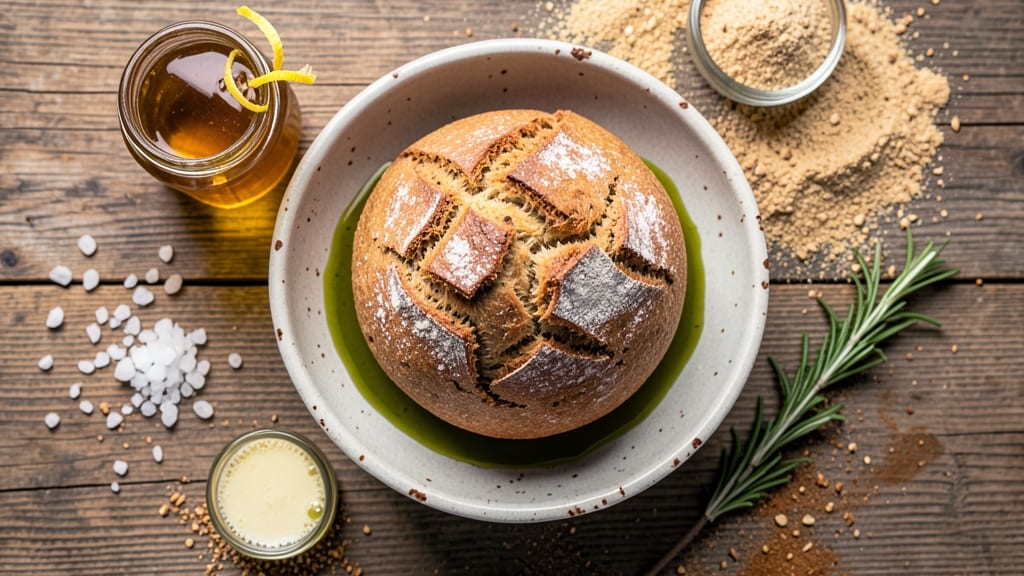
This all whole wheat bread recipe transforms simple pantry staples into artisanal loaves with no-knead magic—perfect for home bakers who crave restaurant-quality texture without the effort.
The secret lies in a slow fermentation that develops deep flavor and a crispy crust, while the dough's natural elasticity creates that satisfying chew.
I've perfected this method over years of testing, ensuring every batch rises beautifully and bakes to golden perfection with an open crumb structure that's impossible to resist.
The beauty of this recipe is its flexibility—use a sourdough starter for tangy depth or rely on commercial yeast for convenience. Whole wheat flour provides hearty nutrition without sacrificing flavor, and the optional addition of eggs or milk creates a softer crumb.
What makes it truly special is the rise-and-bake technique: shape your dough in the evening, let it ferment overnight, and wake up to a loaf ready for the oven. No kneading, no stress—just pure baking satisfaction.
By the time your bread emerges from the oven, you'll have a loaf with a crispy, caramelized crust and a tender, airy interior that's ideal for sandwiches, toast, or serving with soups.
The aroma alone will transform your kitchen into a bakery, and the texture—chewy yet light—proves whole wheat bread can be just as delicious as white. This recipe delivers professional results with minimal effort, making it perfect for both beginners and experienced bakers looking to elevate their bread game.
The best part? Your bread will stay fresh for days when stored properly, and leftovers can be toasted or frozen for later use. Whether you're baking for a family dinner or treating yourself to homemade goodness, this method ensures every loaf turns out foolproof and impressive.
Let's get started on your first batch—your kitchen (and taste buds) will thank you.
Ingredients for all whole wheat bread
Pantry staples plus a few magic touches—this whole wheat loaf rivals artisanal bakeries.
| Ingredient | Amount | Notes |
|---|---|---|
| Whole Wheat Flour 🌾 | 4 cups | High-protein for best texture |
| Active Dry Yeast 🍞 | ½ tsp | Or 1 packet (2.25g) |
| Warm Water 💧 | 1 ¼ cups | 110°F (43°C) ideal |
| Honey 🍯 | 1 tbsp | Or maple syrup for vegan |
| Kosher Salt 🧂 | 1 ½ tsp | Diamond Crystal preferred |
| Olive Oil 🫒 | 1 tbsp | Extra-virgin for richness |
| Whole Milk 🥛 | ½ cup | Optional for softer crumb |
| Large Egg 🥚 | 1 whole | Optional for structure |
| Cornmeal 🌽 | ¼ cup | For dusting loaf pan |
| Ice Water ❄️ | ½ cup | For adjusting dough |
| Coarse Sea Salt 🧂 | 1 tsp | For sprinkling crust |
The flour is everything. King Arthur or Bob's Red Mill whole wheat flours have the best protein structure for that perfect chew. If your local market only carries basic whole wheat, mix it with 1 cup white flour for better rise. Yeast is non-negotiable—Saf-Instant works too if you prefer no waiting. The honey? Local raw honey adds subtle floral notes, but maple syrup works beautifully for vegan versions. Pro tip: Bloom your yeast in warm water with a pinch of sugar first—it should foam in 5-10 minutes or you'll need fresh yeast.
No honey? Agave nectar or brown sugar works 1:1. Short on milk? Greek yogurt or plant-based milk adds richness without altering texture. The egg is truly optional—skip it for vegan or use flax eggs (1 tbsp ground flax + 3 tbsp water). Cornmeal is your crust secret weapon—toasted cornmeal gives extra crunch. For the dough adjustment, ice water is your best friend—add it 1 tbsp at a time if the dough feels too sticky. And that coarse sea salt? Maldon flakes if you're fancy, but any coarse salt works—it's all about that first crack of flavor.
This dough is a patient's game. Shape it the night before, let it ferment in a lightly oiled bowl covered with a damp towel at room temp, then refrigerate overnight. The longer it ferments, the better it tastes—up to 16 hours is ideal. For storage, wrap cooled loaves in a clean kitchen towel and keep at room temp for 2-3 days. Freeze slices for up to 3 months—toast straight from frozen. The crust stays crispy for days when stored properly, and the crumb? Freshly baked is best, but even day-old slices toast up beautifully.
Why You'll Love This Recipe
- Five-Ingredient Magic: I swear by this—just flour, yeast, water, honey, and salt. That’s it. No confusing substitutions or extra steps. The honey alone makes the dough smell like a bakery, and the yeast does all the heavy lifting while I’m scrolling through my phone.
- Nutty, Sweet Crust: Between us, whole wheat bread can taste dry or bland—but not this one. The honey caramelizes just enough to give the crust a subtle sweetness, while the salt keeps it from being cloying. It’s the kind of bread you’ll actually reach for when you’re craving something rich.
- Weeknight Workhorse: I bake a loaf every Sunday because it’s the ultimate sidekick. Toast it for breakfast, use it for sandwiches all week, or freeze slices for quick PB&J mornings. Honestly, I’ve never met a meal it didn’t elevate—even my lazy takeout nights feel fancier with this bread.
- Budget Bakery Hack: A single batch costs me pennies but feels like a splurge. The whole wheat flour is cheaper than white, and the honey adds depth without breaking the bank. Plus, one loaf lasts my family five days—no sad, stale ends here. It’s my secret for stretching groceries without sacrificing taste.
Step-by-step instructions for all whole wheat bread recipe
Transform simple ingredients into a golden, crusty loaf with this effortless no-knead method.
Activate the Yeast and Mix the Wet Ingredients
In a large bowl, whisk together the 1.25 cups warm water (about 110°F) with the 0.5 tsp active dry yeast and 1 tbsp honey. Let it sit for 5-10 minutes until frothy—this confirms your yeast is alive and ready to work. The mixture should bubble gently, signaling it's active and ready to leaven your dough.
While waiting, combine the 0.5 cup whole milk, 1 whole large egg, 1 tbsp olive oil, 1.5 tsp kosher salt, and 1 tbsp honey in a separate bowl. Whisk vigorously until fully emulsified—this mixture will add richness and structure to your bread. The milk and egg create a tender crumb while the honey enhances browning and flavor during baking.
Combine Wet and Dry Ingredients to Form Dough
Gradually add the 4 cups whole wheat flour to the wet ingredients while mixing with a wooden spoon or dough whisk. Stir until a shaggy dough forms—don’t overmix yet. The whole wheat flour will absorb moisture more slowly than all-purpose, so resist the urge to add extra liquid. You want a dough that’s slightly sticky but manageable.
Once combined, cover the bowl with a damp kitchen towel and let it rest for 15 minutes. This brief rest allows the flour to hydrate fully and the gluten to begin developing without your arm getting tired. After resting, the dough should feel slightly smoother and more cohesive. If it’s still too sticky, add 1-2 tablespoons of ice water (from the 0.5 cup reserved) to bring it together.
Shape and Let the Dough Rise Overnight
Lightly flour a surface and turn out the dough. Gently fold it over itself a few times to strengthen the gluten—this step ensures a better oven spring later. Shape the dough into a loose rectangle or oval and place it seam-side up in a greased 9x5-inch loaf pan. The pan should be just large enough to hold the dough without squeezing it.
Cover the pan tightly with plastic wrap or a damp towel and refrigerate overnight (or at least 8 hours). The cold slows fermentation, allowing flavors to develop deeply and the gluten to relax. In the morning, the dough will have risen noticeably and will be ready for baking. This overnight rise is the secret to a lighter, more flavorful loaf—no kneading required!
Preheat and Prepare for Baking
Preheat your oven to 375°F and place a baking sheet on the middle rack. Sprinkle 0.25 cup cornmeal evenly on the baking sheet—this creates a crispy bottom crust and prevents sticking. Remove the chilled dough from the refrigerator and let it sit at room temperature for 30 minutes to warm slightly.
Brush the top of the dough with a little water or milk, then sprinkle generously with 1 tsp coarse sea salt. This step enhances browning and adds a delightful crunch to the crust. Place the loaf pan on the prepared baking sheet and bake for 50-60 minutes, until the top is deep golden brown and the internal temperature reaches 205°F when tested with an instant-read thermometer.
Cool and Enjoy Your Crusty Loaf
Remove the bread from the oven and let it cool in the pan for 10 minutes. Then transfer it to a wire rack to cool completely—this prevents sogginess and allows the crumb to set properly. The bread will sound hollow when tapped on the bottom, indicating it’s fully cooled and ready to slice.
Slice with a serrated knife for clean cuts, and serve warm with butter or your favorite spread. This no-knead method yields a rustic, flavorful loaf with a crisp crust and tender interior—perfect for sandwiches, toast, or simply enjoying on its own. Store leftovers wrapped in a cloth-lined bag to keep them fresh for days.
Pro Tips For Making All Whole Wheat Bread
- Mix the Dough by Hand: Whole wheat dough is dense and sticky—don’t fight it with a mixer. After combining flour, yeast, water, honey, and salt, grab a wooden spoon or your hands and knead for 8–10 minutes until it pulls away from the bowl. The extra effort develops gluten, which makes the bread rise better and slice cleaner.
- Bloom the Yeast in Honey Water: Skip the dry yeast straight into flour—it’s a gamble. Instead, dissolve the yeast in warm (not hot) water with a teaspoon of honey first, then let it sit for 5–10 minutes until frothy. This ensures your yeast is active before it hits the flour, which is especially important for whole wheat’s slower fermentation.
- Don’t Overproof the Dough: Whole wheat bread ferments faster than white—watch for signs of overproofing. After the first rise, poke the dough with a finger: if it springs back slowly (not immediately), it’s ready. Overproofed dough collapses when baked, and you’ll end up with a dense brick instead of airy loaves.
- Use a Dutch Oven for Crust: If you’re baking in a home oven, a Dutch oven is worth the effort. Place the dough inside, cover with the lid, and bake for 20 minutes before removing it. The steam creates a crisp crust while keeping the interior tender—no fancy equipment, just better results. (Yes, even if you’re baking on the stovetop.)
Best sauces and condiments for all whole wheat bread
Classic Garlic Butter
Spread 2 tbsp softened butter mixed with 1 minced garlic clove and a pinch of kosher salt on warm slices. The richness of the butter complements the whole wheat's earthy notes while the garlic adds a bright, aromatic kick that cuts through the bread's density.
For extra depth, toast the bread first to enhance the garlic's flavor and create a crispy crust that soaks up the butter beautifully. 🧄
Honey Mustard Glaze
Combine 2 tbsp honey with 1 tbsp Dijon mustard and 1 tsp apple cider vinegar, then drizzle over slices. This sweet-tangy glaze balances the whole wheat's heartiness while adding a touch of sophistication.
The vinegar brightens the flavors, making each bite feel fresh and vibrant. I like to warm the glaze slightly before serving to let the aromas meld together.
Olive Oil and Herbs
Drizzle slices with 1 tbsp extra-virgin olive oil and sprinkle with fresh rosemary or thyme leaves. The olive oil enhances the bread's natural nuttiness, while the herbs add a fragrant, earthy complexity.
For a Mediterranean twist, add a pinch of crushed red pepper flakes to give it a subtle heat. This pairing works beautifully with soups or as a simple open-faced sandwich base.
Spiced Nut Butter
Spread 2 tbsp almond or peanut butter mixed with ½ tsp cinnamon and a dash of cayenne pepper for warmth. The nut butter adds protein and a creamy texture, while the spices create a cozy, slightly sweet contrast to the bread's robust flavor.
This combination is perfect for breakfast toast or as a snack with sliced apples or bananas.
Whole Grain Mustard
Use 1 tbsp whole grain mustard (like French's) mixed with a splash of lemon juice for a tangy, textured topping. The mustard seeds add crunch and a peppery bite that pairs wonderfully with the bread's chewy interior.
This is my go-to for sandwiches—it adds layers of flavor without overpowering the bread's natural taste.
Sweetened Yogurt Dip
Mix ¼ cup plain Greek yogurt with 1 tsp honey and ½ tsp vanilla extract, then dip warm slices into the mixture. The yogurt's creaminess softens the bread's crust while the honey adds a touch of sweetness.
This is a fantastic option for those who prefer a lighter, dairy-rich topping that still feels indulgent. 🥛
Nutrition facts
Frequently asked questions
Why does my whole wheat dough feel too sticky?
Whole wheat flour absorbs more moisture than white flour due to its higher bran content. If your dough feels too sticky, add 1 tablespoon of ice water at a time (up to 0.5 cup total) until it's just manageable. The dough should pull away slightly from the bowl when you lift it. Overworking it won't help—just let it rest 15 minutes covered while you adjust.
Can I make this bread without a loaf pan?
Shape the dough into a round boule or batard (oval) and bake it on a parchment-lined baking sheet. For extra crispiness, place a metal tray filled with boiling water on the oven rack below for 10 minutes while preheating. Brush the dough with water before baking and sprinkle with coarse salt for a rustic crust. Bake at 425°F for 25-30 minutes until golden.
How do I know when the bread is fully baked?
Your bread is done when it reaches an internal temperature of 205°F and sounds hollow when tapped on the bottom. The crust should be deep golden brown with no pale spots. For visual confirmation, check the bottom crust—it should be crisp and pull away cleanly from the pan. If unsure, bake 5-10 minutes longer rather than underbaking.
What's the best way to store whole wheat bread?
Wrap cooled loaves in a clean kitchen towel or cloth-lined bag to maintain freshness for 2-3 days at room temperature. For longer storage, slice and freeze portions for up to 3 months. To revive frozen slices, toast directly from frozen or warm in a 350°F oven for 5-10 minutes wrapped in foil. Never store in plastic—it traps moisture and makes the bread soggy.
Can I substitute whole wheat flour with white flour?
Yes, but expect different results. For a 1:1 substitution, add 1 extra tablespoon of water per cup of white flour since it absorbs less moisture. The texture will be lighter and less dense, but still delicious. For best flavor, use at least 50% whole wheat flour—this maintains the bread's nutritional benefits and satisfying chew. The crust may brown faster with white flour, so watch closely.