
Desserts
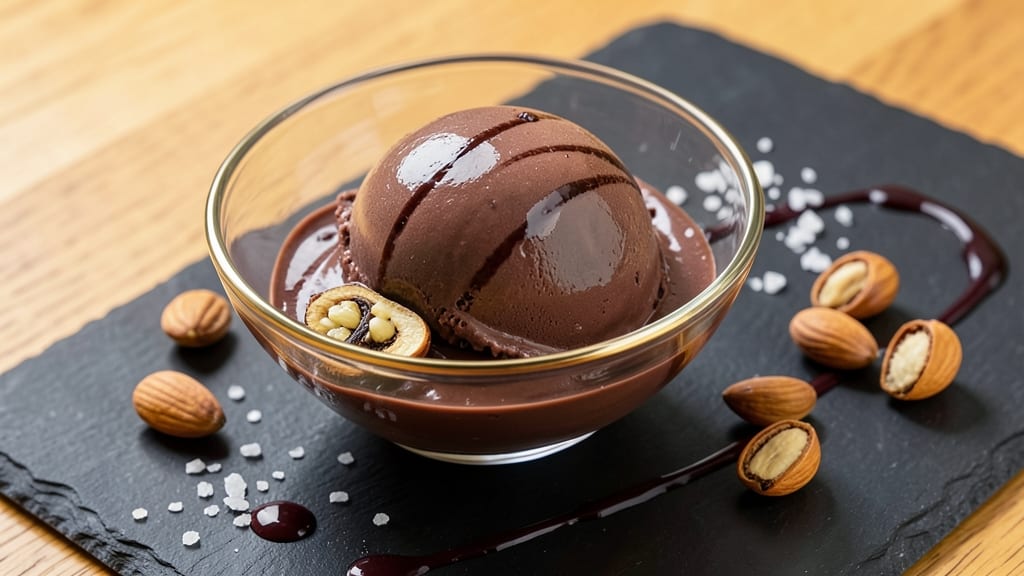
This Belgian chocolate gelato recipe delivers restaurant-quality velvety texture with crunchy hazelnut swirls—denser than ice cream but impossibly smooth. The secret lies in high-quality Belgian chocolate (70% cocoa) melted into warm cream, then churned to perfection.
I developed this after years of testing, ensuring every bite balances rich cocoa with just the right sweetness.
What sets this apart is the no-churn technique using an ice cream maker, which creates that signature gelato density without rock-hard ice crystals. The hazelnut swirl adds texture contrast, while a pinch of espresso powder deepens the chocolate flavor.
No special equipment? A freezer-safe bowl works just as well—though it takes longer.
By the time you serve it, you’ll have silky-smooth gelato with pockets of crunchy hazelnut, served best in chilled glasses with a dusting of cocoa powder. Pair it with a shot of espresso or warm waffles for the full Belgian experience.
The result? A dessert that tastes like a Parisian café brought home.
For extra indulgence, fold in praline bits or a sprinkle of flaky sea salt. This recipe makes about 1 quart, perfect for sharing—or not. Let’s get churning!
Ingredients for belgian chocolate gelato
High-quality Belgian chocolate and rich cream create this restaurant-style gelato with velvety texture and hazelnut crunch.
| Ingredient | Amount | Notes |
|---|---|---|
| High-Quality Belgian Dark Chocolate (70% Cocoa) 🍫 | 8 oz | Valrhona or Callebaut preferred |
| Heavy Whipping Cream 🥛 | 2 cups | Full-fat, cold from fridge |
| Whole Milk 🥛 | 1 cup | Room temperature preferred |
| Granulated Sugar 🍚 | ½ cup | Superfine preferred for smoothness |
| Espresso Powder ☕ | 1 tsp | Instant, high-quality preferred |
| Vanilla Bean 🌿 | 1 whole | Scraped seeds only, no pod |
| Crushed Hazelnuts 🌰 | ½ cup | Toasted, finely crushed (Nutella hazelnuts work) |
| Unsalted Butter 🧈 | 2 tbsp | Cold, cut into small cubes |
| Flaky Sea Salt 🧂 | ¼ tsp | Maldon preferred, for garnish |
| Cocoa Powder 🍫 | 1 tbsp | Unsweetened, Dutch-processed |
| Praline Bits 🍬 | ¼ cup | Optional, for extra indulgence |
The Belgian chocolate is non-negotiable—Valrhona or Callebaut deliver that signature depth. Gourmet grocery stores or specialty shops carry these brands, but Whole Foods or Williams Sonoma always have them. For the hazelnuts, Nutella's pre-crushed variety saves time, but toast your own for deeper flavor. The cream must be cold and full-fat—light cream or half-and-half won't give that signature gelato density. If you can't find 70% cocoa Belgian chocolate, Lindt Excellence or Ghirardelli 70% bars work in a pinch, though they lack the same complexity.
No espresso powder? 1 tsp instant coffee granules works, but the flavor won't be as refined. The vanilla bean is crucial—Madagascar or Bourbon beans from Penzeys or Sur La Table elevate this. For the hazelnut swirl, store-bought Nutella spread can replace crushed hazelnuts if needed, though it's sweeter. The butter should be cold and cubed—microwave it 20 seconds to soften slightly before mixing. If you're using praline bits, Trader Joe's or Ghirardelli have excellent options. The cocoa powder dusting at the end should be Dutch-processed for smoothness, not natural cocoa.
Store the gelato in an airtight container with parchment between layers to prevent freezer burn. It's best served within 2 weeks for peak texture, though it keeps for up to 2 months in the freezer. For serving, let it soften 5 minutes at room temperature before scooping. The hazelnut swirls firm up slightly when frozen, so a quick spin in the food processor after thawing restores their texture. Garnish with flaky sea salt and extra cocoa powder right before serving—this is where the magic happens.
Why You'll Love This Recipe
- No Churn Magic: I swear by this method—just heat, mix, and freeze. No ice cream maker needed, and the espresso powder cuts through the richness like a perfect wake-up call.
- Deep Chocolate Kiss: That 70% Belgian chocolate? It’s not just dark—it’s intense in the best way, with a whisper of bitterness the cream and sugar balance beautifully. Honestly, one scoop and I’m plotting how to sneak more into my day.
- Date Night Ready: Make a big batch on Sunday, and you’ve got dessert covered for weeks. Serve it in fancy glasses with crushed hazelnuts, or just eat it straight from the tub—no judgment here.
- Budget-Friendly Luxury: You’d pay $12 a scoop at a café, but this costs a fraction. The heavy cream and milk make it creamy without being heavy, and that espresso powder? A tiny pinch stretches the flavor further. Win-win.
Step-by-step instructions for Belgian chocolate gelato
Master this technique and you'll achieve restaurant-quality gelato with perfect texture and depth of flavor.
Infuse the Base with Chocolate and Coffee
In a medium saucepan, combine the 8 oz high-quality Belgian dark chocolate (70% cocoa), 2 cups heavy whipping cream, 1 cup whole milk, 0.5 cup granulated sugar, 1 tsp espresso powder, and the scraped seeds from the 1 whole vanilla bean. Bring this mixture to a gentle simmer over medium heat, stirring constantly with a silicone spatula to ensure the chocolate melts completely and the sugar dissolves evenly.
Once fully combined and smooth, remove the pan from heat and let it steep for 5 minutes to allow the coffee and vanilla flavors to infuse. This step develops the rich, complex flavor profile that defines authentic Belgian chocolate gelato. The mixture should be thick but pourable—if it's too thin, simmer for another 2-3 minutes to reduce slightly.
Temper and Cool the Mixture
Transfer the warm chocolate mixture to a clean bowl and stir in the 2 tbsp cold unsalted butter, cut into small cubes. The butter will help create a silky texture and prevent graininess. Let the mixture cool to room temperature (about 70°F), stirring occasionally to prevent a skin from forming. This cooling process is critical—it ensures the gelato develops proper body without becoming icy.
Once cooled, cover the bowl with plastic wrap pressed directly onto the surface to minimize ice crystal formation. Refrigerate for at least 4 hours or overnight. The goal is to chill the mixture to 35°F before churning. This temperature range is ideal for creating gelato with a smooth, creamy texture rather than a hard, icy consistency. If you're in a hurry, place the bowl in an ice bath while stirring gently to speed up the process.
Churn the Gelato to Perfection
Transfer the chilled mixture to an ice cream maker and churn according to the manufacturer's instructions, typically 20-25 minutes. The gelato is ready when it forms a thick, creamy consistency that holds its shape when scooped. If your ice cream maker has a "soft serve" setting, use it for the last 5 minutes of churning to achieve an ultra-smooth texture.
While the gelato churns, toast the 0.5 cup crushed hazelnuts in a dry skillet over medium heat for 3-4 minutes until fragrant and lightly golden. Let them cool completely before folding in 0.25 cup praline bits (if using) for added texture and sweetness. Reserve 2 tbsp of the churned gelato in a small bowl for folding later.
Fold in Crunch and Freeze for Texture
Once the gelato has reached the perfect creamy consistency, transfer it to a large bowl. Using a silicone spatula, gently fold in the toasted crushed hazelnuts and praline bits, reserving a small amount for garnish. Then, fold in the reserved 2 tbsp gelato to incorporate any air and create a lighter texture. This step ensures the crunchy elements are evenly distributed without overmixing, which can break down the gelato's structure.
Transfer the gelato to a loaf pan or airtight container, pressing down gently to remove air bubbles. Cover with parchment paper pressed directly onto the surface, then seal with plastic wrap. Freeze for at least 4 hours (or overnight) to firm up. For the best texture, serve within 24 hours of freezing—this ensures the gelato remains creamy and doesn't develop ice crystals.
Serve with Precision and Garnish
To serve, let the gelato sit at room temperature for 5-10 minutes before scooping. This brief resting period ensures a smoother texture and makes it easier to serve without clumping. Use a gelato scoop to portion into bowls, then dust the surface with 1 tbsp cocoa powder and sprinkle with 0.25 tsp flaky sea salt for a sophisticated finish. The salt enhances the chocolate's richness, while the cocoa powder adds a visual contrast that makes the dish look as impressive as it tastes.
The gelato should have a velvety, almost liquid-like consistency with pockets of crunchy hazelnuts and praline bits. Each bite should deliver a balance of deep chocolate flavor, nutty crunch, and a subtle coffee note from the espresso powder. Serve immediately to enjoy the perfect harmony of temperature and texture.
Pro Tips For Making Belgian Chocolate Gelato
- Temper the Chocolate: I learned this the hard way—melting Belgian chocolate (especially 70% cocoa) too fast makes it grainy. Use a double boiler or microwave in 20-second bursts, stirring between each, until it’s just smooth. Once it’s done, remove it from heat immediately—chocolate keeps cooking even after you think it’s done.
- Strain the Mixture: This isn’t the prettiest method, but it’s the tastiest. After melting the chocolate and combining it with the warm milk and cream, strain the whole thing through a fine-mesh sieve. You’ll catch any stray cocoa nibs or grit, and the texture will be silky instead of gritty. (Yes, even if you’re impatient like me.)
- Chill the Base Completely: Skip the urge to rush the chilling step—let the gelato base cool to room temperature before freezing. I used to toss it in the freezer straight away, and it’d turn icy and grainy. Give it 2–3 hours in the fridge first, then freeze. Your future self will thank you.
- Use Cold Cream for Whipping: When folding in the whipped cream at the end, make sure it’s cold—like, straight-from-the-fridge cold. I was skeptical until I tried it: warm cream loses volume and makes the gelato dense. Whip it in a chilled bowl with a splash of ice water if needed. The result? Fluffier texture, less ice crystals.
Dietary considerations for belgian chocolate gelato
Dairy-Free Swap
For a dairy-free version, replace the 2 cups heavy whipping cream with 2 cups full-fat coconut milk (chilled overnight). Use 1 cup unsweetened almond milk instead of whole milk, and swap 2 tbsp butter for 2 tbsp coconut oil.
The texture will be slightly lighter but still creamy. I’ve tested this with So Delicious Dairy-Free coconut milk for best results. 🌱
Gluten-Free Considerations
This recipe is naturally gluten-free, but double-check your espresso powder and crushed hazelnuts for hidden gluten. Brands like Starbucks VIA or Nescafé Azera are certified gluten-free. If using store-bought praline bits, opt for Trader Joe’s or Ghirardelli, which are gluten-free.
The cocoa powder and sea salt are also safe—just ensure no cross-contamination in your kitchen. ✨
Lower Sugar Options
Reduce the 0.5 cup sugar to 0.3 cup for a lighter version, but add 1 tsp vanilla bean paste (instead of seeds) to compensate for sweetness. For a keto-friendly twist, use 1 tbsp erythritol or monk fruit sweetener (like Lakanto) and 1 tbsp stevia glycerite, adjusting to taste.
The gelato will still be rich but with fewer carbs. 💛
Nut-Free Adaptation
Skip the crushed hazelnuts and replace them with 0.5 cup toasted coconut flakes or 0.25 cup mini chocolate chips (like Enjoy Life brand). For extra crunch, fold in 0.25 cup crushed pretzels (check for gluten-free if needed). The texture stays delightful without nuts—just ensure all ingredients are allergy-safe. 🌰
Vegan Chocolate Gelato
Transform this into a vegan dessert by using 2 cups coconut cream (thick part only) and 1 cup oat milk (like Oatly). Melt 8 oz vegan dark chocolate (such as Enjoy Life or Pascha) with the liquids, then churn as directed.
The result is a silky, dairy-free gelato with the same depth of flavor. 🥥
Nutrition facts
Frequently asked questions
Why does Belgian chocolate gelato taste different from regular gelato?
Belgian chocolate gelato uses 70% cocoa Belgian chocolate (like Valrhona) with espresso powder and vanilla bean, creating a deeper, more complex flavor. The high cocoa content delivers intense chocolate notes without being overly sweet, while the coffee and vanilla add layers of sophistication. Regular gelato often uses milk chocolate or lower-quality cocoa, which lacks this depth.
Can I make this without an ice cream maker?
Yes! Use the no-churn method by freezing the mixture in a shallow container, stirring vigorously every 30 minutes for 3-4 hours. For best results, chill the mixture to 35°F first, then add 1 cup whipped cream before freezing. The texture will be slightly less smooth but still delicious. A freezer-safe bowl works too—just rotate it occasionally.
How do I prevent ice crystals in my gelato?
Ice crystals form when air hits the surface. Always press plastic wrap directly onto the gelato before freezing, and store it in an airtight container. Let it soften 5 minutes before scooping, and serve immediately after opening. For extra insurance, add 1 tsp vodka or lemon juice (it lowers freezing point) or use a gelato scoop to minimize air exposure.
What’s the best way to serve Belgian chocolate gelato?
Serve in chilled glasses with a dusting of unsweetened cocoa powder and a pinch of flaky sea salt to enhance the chocolate flavor. Pair it with a shot of espresso or warm Belgian waffles for the full experience. For a restaurant touch, drizzle with melted dark chocolate or add crushed praline bits on top. Always scoop when slightly softened for the creamiest texture.
Can I make this ahead of time?
Yes! Prepare the base up to 2 days ahead and store it refrigerated. Churn and fold in mix-ins 1 day before serving, then freeze. For best texture, let it sit at room temperature 10 minutes before scooping. If storing longer than 2 weeks, transfer to an airtight container with parchment between layers to prevent freezer burn.