
Side Dishes
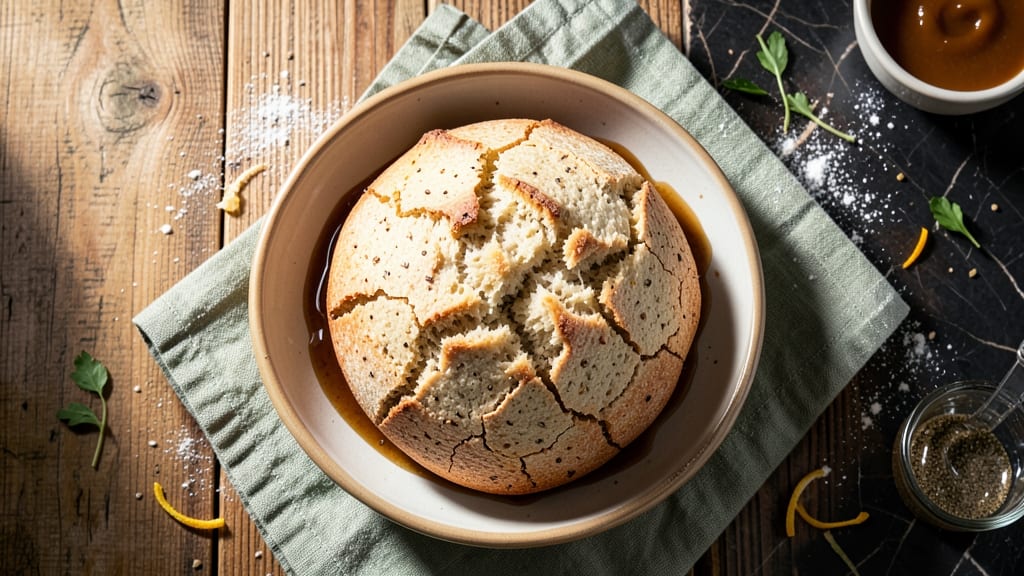
This arrowroot bread recipe delivers a surprisingly light, airy loaf without yeast or gluten—perfect for those avoiding traditional wheat. The secret lies in arrowroot flour's unique ability to create structure through hydration and baking powder, resulting in a bread that's both tender and slightly crisp at the edges.
Unlike yeast-based breads, this version rises quickly and bakes in under 30 minutes, making it ideal for busy weeknights or meal prep.
Arrowroot flour's natural binding properties eliminate the need for gluten, while baking powder provides lift, creating a texture that's closer to traditional bread than most gluten-free alternatives. The recipe balances moisture and structure to prevent gumminess, a common pitfall with arrowroot-based baked goods.
With just a handful of simple ingredients—arrowroot flour, eggs, baking powder, and a touch of sweetener—you'll achieve a loaf that's soft, slightly sweet, and satisfyingly substantial.
What sets this bread apart is its versatility—it works as a side for soups, a base for sandwiches, or even toasted with butter. The absence of yeast means no waiting for fermentation, and the low-carb, paleo-friendly formula makes it suitable for various dietary needs.
Each slice delivers a delicate crumb and mild sweetness that pairs beautifully with savory dishes or spreads like jam.
For best results, measure ingredients precisely and avoid overmixing the batter to maintain an airy texture. A 350°F oven ensures even baking, while a toothpick test confirms doneness. Store leftovers in an airtight container for up to 3 days, or freeze for longer shelf life.
This bread proves that gluten-free and paleo-friendly can taste just as comforting as traditional loaves.
Ingredients for arrowroot bread
Arrowroot flour, flax eggs, and coconut milk create this gluten-free loaf's signature lightness.
| Ingredient | Amount | Notes |
|---|---|---|
| Arrowroot Flour 🌾 | 2 cups | Fine-milled, sifted before measuring |
| Flaxseed Meal 🌰 | ¼ cup | Ground flaxseed for egg substitute |
| Water 💧 | ¾ cup | Room temperature for flax eggs |
| Coconut Milk 🥥 | 1 can | Full-fat for richness (13.5 oz can) |
| Pure Maple Syrup 🍁 | ¼ cup | Grade B for robust flavor |
| Baking Powder 🧂 | 1 ½ tsp | Aluminum-free for gluten-free |
| Sea Salt 🧂 | ½ tsp | Fine grain for even distribution |
| Apple Cider Vinegar 🍎 | 1 tbsp | For tenderizing and acid balance |
| Olive Oil 🫒 | ¼ cup | Extra-virgin for subtle flavor |
| Vanilla Extract 🌸 | 1 tsp | Pure vanilla for aromatic depth |
| Ground Cinnamon 🌿 | ½ tsp | Optional for subtle warmth |
Arrowroot flour is the cornerstone of this recipe—Bob's Red Mill or Arrowroot Solutions brands deliver the finest texture. Look for a vibrant white color and a smooth, fine grind; anything gritty indicates low quality. The flaxseed meal should be freshly ground for optimal binding, though pre-ground works in a pinch. For coconut milk, full-fat cans from Thai Kitchen or Goya provide the necessary richness without watering down the flavor. Store arrowroot flour in an airtight container in a cool, dark place to prevent moisture absorption, which degrades its binding properties.
No flaxseed meal? Chia seeds soaked in water at a 1:3 ratio works equally well, though texture may vary slightly. Substitute maple syrup with agave nectar or date syrup for a 1:1 ratio, though maple's caramel notes enhance the bread's character. For a nut-free version, replace coconut milk with unsweetened almond milk or oat milk, though coconut's fat content is ideal. If avoiding vinegar, lemon juice at half the amount achieves similar acidity. Pre-measure all dry ingredients together to avoid lumps, and whisk wet ingredients thoroughly to distribute the olive oil evenly.
This bread keeps best in an airtight container at room temperature for 2-3 days, though it's best enjoyed within 24 hours for peak freshness. For longer storage, wrap tightly in plastic wrap and freeze for up to 3 months. Thaw at room temperature before serving. To revive stale bread, sprinkle with water and toast lightly. The loaf's delicate structure makes it ideal for toasting with vegan butter or pairing with jam—its mild sweetness complements both savory and sweet toppings equally well.
Why You'll Love This Recipe
- No-Fuss Mixing: I swear by this recipe because it’s three bowls, stir, bake—no kneading, no waiting for dough to rise. The flaxseed meal binds it all together like magic, so even if I’m distracted (looking at you, midday scrolls), the bread still turns out perfectly tender.
- Sweet & Nutty Crunch: That touch of maple syrup and coconut milk gives it a subtle caramel depth, while the arrowroot keeps it light as air. Honestly? It’s the kind of bread I’d happily eat straight from the pan—no butter needed.
- Meal Prep MVP: Slices beautifully for toast, soaks up soups like a dream, and keeps for days in the fridge. Between us, I make a double batch on Sundays because it’s my go-to for quick lunches—zero guesswork, zero waste.
- Budget-Friendly Staple: Arrowroot flour and flaxseed meal are cheap, and this recipe stretches ingredients without sacrificing texture. I’ll be real: it’s my secret weapon for feeding the family without breaking the bank or stressing over grocery runs.
Step-by-step instructions for arrowroot bread recipe
This method delivers a light, airy loaf without yeast—just precise technique and patience.
Prepare the Flax Eggs and Mix Wet Ingredients
In a small bowl, combine the 0.25 cup flaxseed meal with the 0.75 cup room-temperature water. Stir vigorously and let sit for 10 minutes until it thickens into a gel-like consistency—this is your egg substitute. The mixture should resemble raw egg whites in viscosity.
In a separate large bowl, whisk together the 1 can coconut milk, 0.25 cup pure maple syrup, 0.25 cup olive oil, 1 tbsp apple cider vinegar, 1 tsp vanilla extract, and 0.5 tsp ground cinnamon until fully emulsified. The coconut milk should be smooth with no visible separation. This step ensures even distribution of flavors throughout the batter.
Combine Dry Ingredients and Create the Batter
Sift the 2 cups arrowroot flour into the wet mixture to avoid clumping. Add the 1.5 tsp baking powder and 0.5 tsp sea salt, then gently fold using a spatula until just combined—overmixing develops gluten and makes the bread dense. The batter should be thick but pourable, similar to pancake batter.
Stir in the flax egg mixture until fully incorporated. The batter will be slightly lumpy, but that's normal for arrowroot-based breads. Here's the thing—arrowroot flour behaves differently than wheat flour, so resist the urge to overwork it. A few small lumps won't affect the final texture.
Bake in a Preheated Loaf Pan
Preheat your oven to 350°F and lightly grease an 8x4-inch loaf pan with olive oil or line it with parchment paper. Pour the batter into the prepared pan and smooth the top with a spatula. Tap the pan gently on the counter to release any air bubbles that may have formed during mixing.
Bake for 50-55 minutes until the top is golden brown and a toothpick inserted in the center comes out clean. The bread should spring back slightly when pressed but not feel mushy. If the top browns too quickly, tent loosely with foil after 30 minutes to prevent over-browning while ensuring even cooking.
Cool and Slice for Perfect Texture
Remove the bread from the oven and let it cool in the pan for 10 minutes, then transfer to a wire rack to cool completely for at least 30 minutes. This resting period is crucial—arrowroot bread continues to set as it cools, preventing a gummy texture. Patience here ensures clean slices and proper crumb structure.
Once fully cooled, slice the bread into ½-inch thick pieces. The interior should be tender with a fine, even crumb, and the exterior should have a subtle sheen from the coconut milk. Store wrapped at room temperature for up to 3 days or refrigerate for 5 days—this bread reheats beautifully in a toaster or oven for crispy toast.
Pro Tips For Making Arrowroot Bread
- Mix the Flaxseed First: Let the ground flaxseed soak in water for at least 10 minutes before adding it to the batter—this prevents clumping and makes the bread denser. I used to skip this, and the texture always came out gummy. Trust me, the wait is worth it.
- Steam the Loaf: Place a small water bath (about ½ inch of hot water) in your baking dish before adding the batter—this keeps the arrowroot bread from drying out. I learned this after my first batch turned out like a brick. Works especially well if your kitchen runs dry.
- Use Cold Coconut Milk: Chill the coconut milk before mixing it in—it blends smoother and keeps the batter from getting too warm, which can make the arrowroot flour gummy. Sounds odd, but it actually cuts down on lumps and gives a lighter crumb.
- Check Doneness Early: Arrowroot bread sets fast—start checking for doneness with a toothpick at 30 minutes, not 45. The instant it comes out clean (or with just a few crumbs), pull it. Overbaking turns it dry, and this stuff goes from perfect to sad in minutes.
Regional styles of this arrowroot bread
Caribbean Coconut Twist
In the Caribbean, arrowroot flour is a staple for making quick breads that thrive in tropical climates. For a regional variation, swap the vanilla extract for 1 tsp rum extract or 1 tbsp dark rum (reduce coconut milk by 2 tbsp to balance moisture).
Add ½ tsp ground nutmeg and ¼ tsp allspice to the dry ingredients for warmth. Bake in a 350°F oven for 45 minutes—the rum infuses the bread with a subtle caramel depth that pairs perfectly with tropical fruits like mango or pineapple. 🌴
Southern U.S. Sweet Potato Bread
In Southern states like Georgia and Alabama, arrowroot flour is often combined with sweet potatoes for a naturally sweet, moist loaf. Replace ½ cup of the arrowroot flour with ½ cup mashed roasted sweet potato (about 1 small sweet potato, baked and puréed).
Add 1 tsp cinnamon and ½ tsp ginger to the wet ingredients. The sweet potato adds natural sweetness, reducing the need for extra maple syrup. This version is a crowd-pleaser for holiday gatherings. 🍠
Mexican Corn Arrowroot
For a fusion twist inspired by Mexican cuisine, stir in ½ cup cornmeal (finely ground) along with the arrowroot flour. Replace the vanilla with 1 tsp lime zest and add ½ tsp cumin to the dry ingredients. Use orange juice instead of apple cider vinegar for brightness.
This bread has a slightly grainy texture and pairs beautifully with black beans or spicy salsas. The cornmeal adds a subtle nuttiness that complements the tropical flavors. 🌽
European-Style Herb Loaf
In Europe, arrowroot flour is sometimes used in savory breads. For a herb-infused variation, omit the cinnamon and vanilla, then add 1 tbsp fresh rosemary or thyme (finely chopped) and 1 tsp dried savory to the dry ingredients.
Replace the maple syrup with 2 tbsp olive oil and reduce the coconut milk by ¼ cup. This loaf has a rustic, earthy flavor that works well with Mediterranean dishes like grilled vegetables or olive tapenade. 🌿
Japanese Matcha Variation
For a uniquely Japanese-inspired twist, replace ½ cup of the arrowroot flour with 2 tbsp matcha powder (ceremonial grade). Reduce the coconut milk by 2 tbsp to balance the matcha’s intensity. Add ½ tsp cardamom for warmth.
This bread has a vibrant green hue and a delicate earthy sweetness that pairs beautifully with green tea or as a base for matcha desserts. The matcha adds a subtle bitterness that contrasts nicely with the coconut’s richness. 🍵
Nutrition facts
Frequently asked questions
Why does this arrowroot bread turn out gummy if I overmix?
Arrowroot flour lacks gluten, so overmixing develops no structure to hold moisture—resulting in a dense, gummy loaf. Stir just until combined (about 15-20 strokes) and avoid beating. The batter should have small lumps; they disappear during baking. For best texture, use a spatula to gently fold dry ingredients into wet ones.
Can I make this bread without coconut milk?
Yes! Use 1 cup unsweetened almond milk or oat milk plus 1 tbsp melted coconut oil to replicate fat content. For richer flavor, try full-fat cashew milk. Reduce other liquids by 2 tbsp to maintain proper consistency. The bread will be slightly less tender but still delicious.
How do I store leftovers to keep them fresh?
Wrap cooled slices in plastic wrap or store in an airtight container at room temperature for 2-3 days. For longer storage, freeze for up to 3 months. Thaw at room temperature or toast directly from frozen. Avoid refrigerating—moisture buildup makes arrowroot bread stale faster than wheat-based loaves.
Is this bread truly gluten-free?
Arrowroot flour contains no wheat, barley, or rye proteins. This recipe is certified gluten-free and safe for celiac diets. The flax eggs and coconut milk also make it egg-free and dairy-free. Always check your arrowroot flour label to confirm it's processed in a gluten-free facility.
Why does my bread sink in the middle?
This usually happens from opening the oven too soon or uneven baking. Let the bread bake until a toothpick comes out clean (50-55 minutes at 350°F). If your oven runs hot, tent with foil after 30 minutes. Also ensure your loaf pan is properly greased—arrowroot batter sticks easily to dry pans.