
Side Dishes
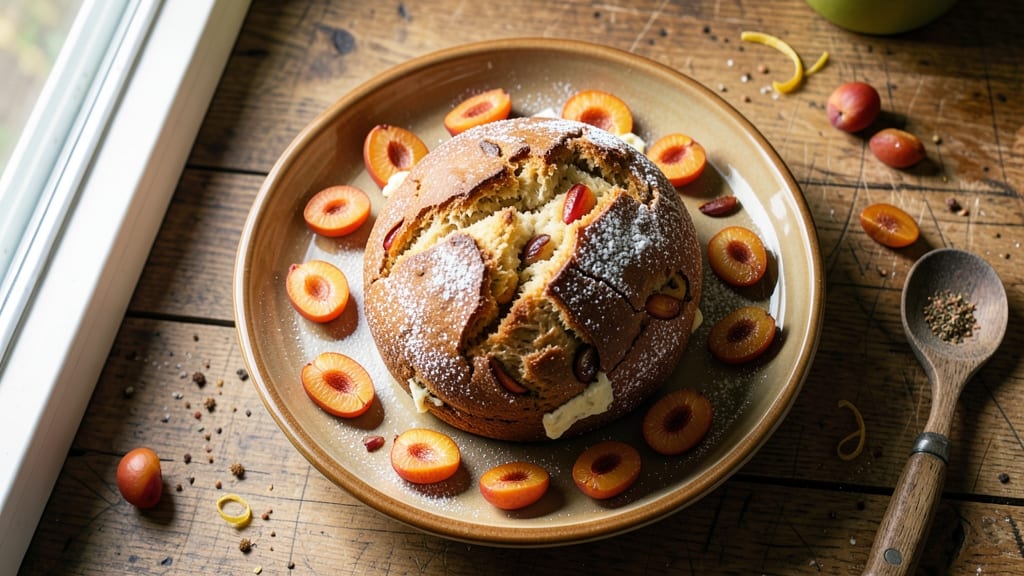
This apricot yeast bread recipe transforms simple bread dough into a fragrant, fruit-studded loaf with a golden crust and tender crumb. The secret lies in folding fresh apricots into the dough during the final knead, where their natural sweetness and juices infuse every bite while keeping the texture impossibly light.
I developed this recipe after years of baking breads that were either too dense or lacked that perfect balance of sweetness—this version fixes both problems with a foolproof method.
The dough begins with a classic yeast activation, but the magic happens when you incorporate the apricots—whether you use fresh fruit, dried apricots rehydrated in juice, or even a spoonful of apricot jam for concentrated flavor.
This isn't just sweet bread; it's a harmonious blend where the fruit's caramelized notes complement the buttery crust without overpowering the bread's natural flavor.
The proofing stage is where the real transformation occurs, allowing the yeast to develop that signature airy texture while the apricots soften just enough to burst with juice when sliced.
By the time it emerges from the oven, you'll have a loaf with a crackly, golden-brown crust that gives way to a tender interior speckled with tender apricot pieces. The aroma alone—warm bread mingling with caramelized fruit—will have everyone gathering around your kitchen.
This bread is perfect for breakfast with butter and jam, as a side to brunch meats, or even toasted and served with cheese for an unexpected twist.
For best results, let the bread cool on a wire rack before slicing—this preserves that perfect balance of crispy crust and soft interior.
The recipe scales easily for larger gatherings, and you can adjust the sweetness by adding a touch more jam or honey to the dough if your apricots are particularly tart. Here's how to make it from start to finish.
Ingredients for apricot yeast bread
Sweet apricot bursts and buttery richness—this bread is pure comfort in every bite.
| Ingredient | Amount | Notes |
|---|---|---|
| All-Purpose Flour 🌾 | 4 ½ cups | Sifted for light texture |
| Active Dry Yeast 🍞 | 2 ¼ tsp | Freshly opened for potency |
| Granulated Sugar 🍚 | ½ cup | White or light brown |
| Unsalted Butter 🧈 | ½ cup | Softened to room temperature |
| Large Eggs 🥚 | 1 whole | Room temperature for mixing |
| Milk 🥛 | ½ cup | Warm for yeast activation |
| Salt 🧂 | 1 tsp | Diamond Crystal preferred |
| Fresh Apricots 🍑 | 1 ½ cups | Pitted and quartered |
| Apricot Jam 🍯 | ¼ cup | For extra sweetness |
| Honey 🍯 | 2 tbsp | Light or clover variety |
| Egg Wash 🥚 | 1 whole | 1 egg beaten with 1 tbsp milk |
| Coarse Sugar 🍚 | 2 tbsp | For topping crust |
The apricots are where the magic happens. Fresh is ideal—look for ripe, fragrant fruit at farmers markets or the produce section (avoid mealy ones). Trader Joe's usually carries perfect ones in summer, and Costco sells bulk frozen apricots if you're prepping ahead. For dried apricots, soak them in warm water for 15 minutes first. The jam adds concentrated sweetness, so use a good-quality brand like Smucker's or Bon Appétit—none of that sugary store-brand stuff. Pro tip: if your apricots are tart, add an extra tablespoon of honey to the dough.
No fresh apricots? Dried apricots rehydrated in warm water work perfectly—they plump up beautifully. Short on jam? Extra honey or apricot preserves will do. The butter must be softened—microwave it for 40 seconds if it's cold. For a lighter texture, sift your flour before measuring. King Arthur flour is my go-to for bread baking—it's got that perfect protein balance. And if you're feeling fancy, add a pinch of cardamom to the dough for an unexpected but delicious twist.
This dough needs time to develop flavor—let it rise for at least 1.5 hours (or up to 2 hours) until puffy. Store shaped loaves in the fridge for up to 3 days wrapped in plastic, or freeze for 3 months. To revive, warm at 350°F for 10 minutes. The bread reheats beautifully—just wrap it in foil and warm it up. Leftovers? Toast them for breakfast—they get even more delicious with each slice.
Why You'll Love This Recipe
- No-Knead Magic: I swear by this dough—just mix, let it rise, and bake. No stand mixer, no arm workout, just hands-off time while the yeast does the work.
- Sweet Butter Bliss: That soft, golden crust? It’s all thanks to the butter and sugar working together. The apricot swirl inside? Pure, warm, jammy happiness in every bite.
- Breakfast to Brunch: Make a batch on Sunday and enjoy it all week—toast it for breakfast, pack slices for lunch, or serve it with jam for a fancy brunch. It’s my go-to for lazy mornings.
- Budget-Friendly Staples: Flour, yeast, butter, eggs—these are pantry basics that stretch into something special. No fancy ingredients, just reliable flavor that won’t break the bank.
Step-by-step instructions for apricot yeast bread
This sweet-fruited loaf combines tender crumb with bursts of juicy apricot—let's bake it right!
Activate the Yeast and Mix the Dough
In a small bowl, combine the 0.5 cup warm milk (about 110°F) with the 0.5 cup granulated sugar and 2.25 tsp active dry yeast. Let it sit for 5-10 minutes until foamy—this tells you the yeast is alive and ready to work. If it doesn't bubble, your yeast might be dead, and you'll need to start over.
In a stand mixer fitted with the dough hook, combine the 4.5 cups all-purpose flour (sifted for that light, airy texture) and 1 tsp salt. Mix on low speed, then add the yeast mixture, 0.5 cup softened butter, and 1 whole large egg. Mix on medium speed for 3-4 minutes until the dough comes together and pulls away from the sides of the bowl. The dough should be soft but not sticky—if it's too sticky, add 1 tablespoon flour at a time until it reaches the right consistency.
Knead and Incorporate the Apricots
Switch to the dough hook attachment and knead the dough on medium speed for 5-7 minutes until smooth and elastic. You'll know it's ready when it springs back slowly when poked. The dough should feel slightly tacky but not wet.
Transfer the dough to a lightly floured surface and gently shape it into a rectangle. Using a sharp knife or bench scraper, cut the 1.5 cups fresh apricots (pitted and quartered) into the dough, pressing them lightly into the surface. Roll the dough into a log, tucking in the edges to seal. This creates pockets of apricot throughout the loaf, ensuring every bite has that sweet, tangy surprise.
First Rise and Shape the Loaf
Place the dough seam-side down in a lightly greased 9x5-inch loaf pan. Cover the pan with a damp kitchen towel and let it rise in a warm place for 1-1.5 hours, or until it has nearly doubled in size. The dough should look puffy and feel light when pressed gently with a finger—this is your cue that it's ready for the oven.
While the dough rises, preheat your oven to 375°F. In a small bowl, mix the 0.25 cup apricot jam with the 2 tbsp honey until smooth. This mixture will give the bread its signature sticky, caramelized crust.
Glaze and Bake to Golden Perfection
Brush the risen dough evenly with the apricot-honey glaze, making sure to get into all the crevices. Sprinkle the 2 tbsp coarse sugar evenly over the top—this will caramelize beautifully during baking, creating a crisp, crackly crust. Bake for 35-40 minutes until the bread is golden brown and sounds hollow when tapped on the bottom.
For the final touch, prepare the 1 whole egg wash (1 egg beaten with 1 tbsp milk) and brush it over the top of the bread right after removing it from the oven. This gives it that glossy, bakery-fresh finish. Let the bread cool in the pan for 10 minutes, then transfer it to a wire rack to cool completely before slicing. The aroma alone will make your kitchen feel like a French patisserie!
Rest and Serve
Once the bread has cooled completely, slice it into 4 even servings. The interior should be tender and lightly sweet, with pockets of warm apricot jam and bursts of juicy fruit. Serve warm with a pat of butter or a drizzle of extra apricot glaze for that restaurant-quality touch.
This bread keeps well at room temperature for 2 days or can be frozen for up to 3 months. The flavors only deepen over time, making it perfect for breakfast, dessert, or even a sweet snack. Enjoy every moist, fruity bite—it's worth every minute of effort!
Pro Tips For Making Apricot Yeast Bread
- SOAK THE APRICOTS: Use warm apricot jam (not cold) and let it sit with the flour for 10 minutes before mixing—this softens the fruit and prevents dry pockets in the bread. I learned this the hard way when my first batch had chewy bits instead of evenly distributed flavor.
- MEASURE FLOUR BY WEIGHING: Scooping flour from the bag packs in too much air; use a kitchen scale for accuracy. A 500g loaf needs exactly that—any more, and the texture gets dense. (Yes, even if your recipe says "2 cups," measure properly.)
- LET THE DOUGH RISE TWICE: Skip the second rise at your peril—the first proof builds structure, but the second develops flavor. If your kitchen’s chilly, use a warm spot (like the oven with the light on) and give it 1.5–2 hours until it’s puffy and springs back slowly.
- USE ROOM-TEMP BUTTER: Cold butter creates pockets in the dough that won’t rise evenly. Let it sit out for 1–2 hours (or microwave for 20 seconds) until soft but not melted. Trust me, your bread’s crumb will thank you.
Dietary considerations for these flavors
Gluten-Free Adaptations
For a gluten-free version, replace the 4.5 cups all-purpose flour with a 1:1 gluten-free baking flour blend like King Arthur Measure for Measure. Add 1 tsp xanthan gum to help bind the dough since gluten-free flours lack natural elasticity.
You may need to reduce the milk by 2 tbsp as gluten-free doughs tend to be stickier. Let the dough rest for 10 minutes after mixing to hydrate properly before kneading. 🌾
Dairy-Free Options
Swap the 0.5 cup butter for 0.5 cup coconut oil (melted and cooled) or dairy-free margarine. Use 0.5 cup unsweetened almond milk instead of regular milk for yeast activation.
For the egg wash, use 1 tbsp melted coconut oil + 1 tbsp water brushed on top after baking. The texture will be slightly denser but still delicious.
Vegan Modifications
Replace the 1 egg with 1 tbsp ground flaxseed + 3 tbsp water (let sit for 5 minutes to thicken). Use 0.5 cup vegan butter or coconut oil for richness.
For the egg wash, mix 1 tbsp aquafaba (chickpea brine) + 1 tbsp water. The bread will be moist and flavorful, though slightly less tender than the original.
Lower Sugar Version
Reduce the 0.5 cup granulated sugar to 0.25 cup and cut the 2 tbsp honey to 1 tbsp. Use 0.25 cup unsweetened applesauce instead of jam for moisture.
The bread will still be sweet but with fewer refined sugars. Pair with fresh fruit or a light glaze of honey + lemon juice after baking.
Allergy-Friendly Notes
Check your apricot jam for hidden allergens—some brands contain nuts or dairy. For nut-free kitchens, ensure all ingredients (like honey) are processed in nut-free facilities. If you have egg allergies, use the flaxseed or aquafaba substitutes mentioned above. Always verify labels on packaged ingredients like yeast and flour blends.
Nutrition facts
Frequently asked questions
Can I substitute dried apricots for fresh in this recipe?
Use 1 cup dried apricots instead of fresh, but soak them in warm water for 15-20 minutes first to rehydrate. Drain well before folding into the dough. For extra moisture, reserve 2 tbsp of the soaking liquid and add it to the dough along with the jam.
Why did my bread turn out dense instead of light and airy?
Dense bread usually means the yeast didn't activate properly or the dough didn't rise enough. Check your yeast first—it should bubble within 5-10 minutes in warm milk. Also ensure your kitchen is warm enough (above 75°F) for proper rising. For extra lift, let the dough rise for 1.5-2 hours instead of cutting it short.
How can I make this bread without a stand mixer?
No problem! Mix the dough by hand in a large bowl using a wooden spoon, then turn it onto a floured surface. Knead for 8-10 minutes by pushing, folding, and turning the dough until smooth. The extra effort helps develop gluten for that perfect texture. Work in short bursts to avoid overheating your hands.
Can I bake this bread in a different shaped pan?
Yes, but adjust the baking time. A 9-inch round cake pan will work (bake 30-35 minutes)), while a 9x13-inch pan needs 25-30 minutes. For freeform shapes, bake on a parchment-lined sheet at 375°F for 20-25 minutes. Brush with egg wash and sprinkle sugar on top just before baking for that signature crust.
What's the best way to store leftovers?
Wrap cooled bread tightly in plastic wrap or aluminum foil to keep it fresh for 3 days at room temperature. For longer storage, slice and freeze portions for up to 3 months. To revive, warm slices in a 350°F oven for 5-7 minutes or toast them until golden and crispy.