
Desserts
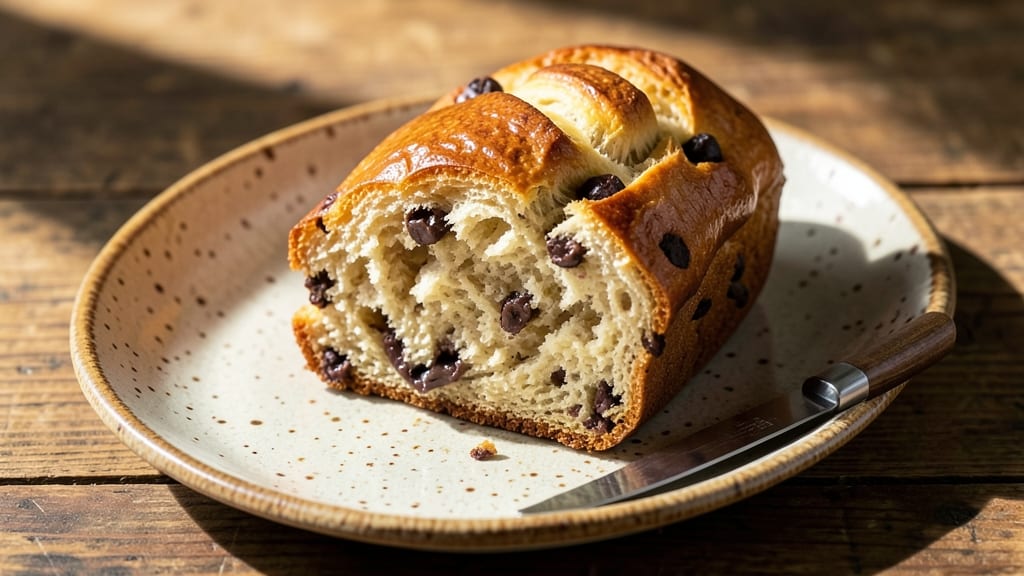
This bread machine chocolate chip brioche recipe transforms your kitchen into a bakery with minimal effort. The secret lies in leveraging the machine's kneading and fermentation cycles to create a rich, buttery dough that yields a golden, fluffy loaf with pockets of melted chocolate.
I've perfected this recipe after years of experimenting with brioche variations, ensuring every bite delivers that signature tender crumb and sweet, gooey chocolate surprises.
The beauty of using a bread machine is that it handles the labor-intensive kneading and proofing for you, resulting in a foolproof process that even beginners can master. With just a few simple ingredients—flour, sugar, eggs, butter, and chocolate chips—you'll achieve a dessert that's both impressive and indulgent.
The dough's high butter content creates that signature brioche texture, while the chocolate chips add a decadent twist that makes this loaf irresistible.
What you'll end up with is a perfectly risen loaf with a crackly, golden crust and a soft, pillowy interior studded with melted chocolate. The aroma alone will have everyone gathering in the kitchen, anticipating that first bite of buttery, sweet perfection.
This recipe is ideal for breakfast, dessert, or a special treat that feels like a bakery creation without the fuss.
Whether you're a seasoned baker or a novice, this bread machine brioche delivers restaurant-quality results with minimal effort. The machine does all the hard work, leaving you to enjoy the process and the delicious outcome. Let's get started on creating your own gooey, buttery masterpiece.
Ingredients for bread machine chocolate chip brioche
Eight essential ingredients transform your bread machine into a bakery—rich, buttery, and packed with gooey chocolate magic.
| Ingredient | Amount | Notes |
|---|---|---|
| All-Purpose Flour 🌾 | 3 ½ cups | Sifted for even texture |
| Granulated Sugar 🍚 | ¼ cup | White or light brown |
| Large Eggs 🥚 | 2 whole | Room temperature for even mixing |
| Unsalted Butter 🧈 | ¾ cup | Cold, cubed for easy mixing |
| Active Dry Yeast 🍞 | 0.03 oz | 1 packet, 2 1/4 tsp |
| Milk 🥛 | ½ cup | Warm, 110°F for activation |
| Vanilla Extract 🌿 | 1 tbsp | Pure, high-quality extract |
| Salt 🧂 | ½ tsp | Diamond Crystal preferred |
| Semi-Sweet Chocolate Chips 🍫 | 1 cup | High-quality, not mini chips |
| Turbinado Sugar 🍚 | ¼ cup | For sprinkling on top |
| Heavy Cream 🥛 | ½ cup | Cold, for brushing crust |
The butter is non-negotiable here—European-style unsalted butter gives that signature brioche richness. Grab the Plugrá or Kerrygold if you can, but any quality brand works. Keep it cold when measuring—soft butter won't give you that proper brioche texture. The chocolate chips? Ghirardelli or Guittard are my go-tos, but any semi-sweet will do. Pro tip: use the 12-ounce bag for perfect portioning. And that turbinado sugar? Sprinkle it generously on top before baking—it caramelizes into a gorgeous crust.
No vanilla extract? Vanilla bean paste at half the amount works perfectly. Running low on heavy cream? Whole milk plus 1 tbsp melted butter mimics the richness. The yeast packet expired? Fresh yeast from the bulk section is your best bet—just measure it by weight. For a quicker version, swap half the flour for bread flour if you've got it. And if you're worried about the dough being too sticky, lightly grease your bread pan before adding it—this makes all the difference when removing the loaf later.
This dough is best used fresh, but you can prep it 12 hours ahead and let it rise in the fridge—just add 30 minutes to the machine's kneading time. The baked loaf keeps 3 days at room temperature wrapped in plastic, or 1 week in the fridge. For freezing, slice it and store in a sealed bag—3 months is plenty. Reheat slices in a 350°F oven for 5 minutes to restore that bakery-fresh warmth. And if you're feeling fancy, brush the warm loaf with melted butter before serving—trust me on this.
Why You'll Love This Recipe
- Hands-Off Magic: I swear by this recipe when I’ve got zero energy—just toss the dough in the machine, walk away, and come back to golden, pillowy brioche with melty chocolate chips baked right in. The yeast and butter do all the work while I’m scrolling or folding laundry.
- Buttery, Sweet Payoff: That first bite? Rich, almost custardy from the eggs and butter, with just enough sugar to make it feel like dessert. Honestly, the chocolate chips aren’t even the star—they’re just the perfect surprise in every tender bite.
- Breakfast, Snack, or Dessert: I make a batch on Sundays and slice it for toast in the morning, pack it for lunch, or serve it warm with ice cream at night. The dough’s forgiving enough that I even freeze half for lazy days—just reheat and enjoy.
- Budget-Friendly Luxury: A single batch costs me pennies but tastes like a bakery treat. The butter and eggs make it feel special, but the flour and sugar stretch far enough that I can justify buying the good stuff without guilt. Plus, leftovers last for days.
Step-by-step instructions for bread machine chocolate chip brioche
Here's how to transform your bread machine into a brioche maker with rich, buttery layers and pockets of molten chocolate.
Mix the Dough Ingredients in the Bread Machine Pan
In the bread machine pan, combine the 3.5 cups all-purpose flour, 0.25 cup granulated sugar, 0.5 tsp salt, and 0.025 oz active dry yeast. Create a well in the center and add the 2 whole large eggs, 0.75 cup cold cubed unsalted butter, 0.5 cup warm milk, and 1 tbsp vanilla extract. The butter should remain in large cubes to create pockets of richness throughout the dough.
Use a wooden spoon or the dough hook attachment to mix everything together until the butter is fully incorporated and the dough comes together into a shaggy mass. The dough will be sticky but shouldn't be wet—if it is, add 1-2 tablespoons more flour until it forms a cohesive ball. This initial mixing is crucial for developing gluten and ensuring proper rise later.
Fold in Chocolate Chips and Begin the Machine Cycle
Once the dough is mixed, gently fold in the 1 cup semi-sweet chocolate chips using a spatula or your hands. Be careful not to overwork the dough at this stage—just distribute the chocolate evenly throughout. The bread machine will handle the kneading process, so you don't need to worry about developing the gluten further by hand.
Select the "Dough" setting on your bread machine and start the cycle. Most machines will knead the dough for 5-10 minutes until it becomes smooth and elastic. You'll know it's ready when it pulls away from the sides of the pan and forms a tight, glossy ball. This kneading step is essential for creating that signature brioche texture—don't skip it even if the dough seems ready earlier.
Shape and Rise the Dough
Once the kneading cycle completes, remove the dough from the bread machine pan and place it on a lightly floured surface. Gently shape it into a loaf pan-sized rectangle about 1-inch thick. Fold one of the long sides toward the center, then fold the opposite side over to meet it. This creates a three-layer fold that will give your brioche its signature swirled appearance.
Transfer the folded dough to a greased 9x5-inch loaf pan, seam-side up. Cover the pan loosely with plastic wrap or a damp kitchen towel and let the dough rise at room temperature for 1-2 hours, or until it has doubled in size. The dough should feel light and springy when pressed gently with a fingertip. If your kitchen is cold, place the pan in a slightly warm spot (like near the oven with the light on) to encourage a faster rise.
Bake to Golden Perfection
Preheat your oven to 350°F. Once the dough has risen, brush the top generously with 0.5 cup cold heavy cream, then sprinkle evenly with 0.25 cup turbinado sugar. The sugar will caramelize during baking, creating a beautiful crust. For extra browning, you can also brush the sides of the loaf pan with additional cream before baking.
Bake for 45-50 minutes, or until the internal temperature reaches 190°F and the top is deep golden brown. If the top browns too quickly, tent the loaf with aluminum foil to prevent over-browning. The brioche is done when it sounds hollow when tapped on the bottom and pulls away cleanly from the sides of the pan. Let it cool in the pan for 10 minutes before transferring to a wire rack to cool completely.
Pro Tips For Making Bread Machine Chocolate Chip Brioche
- SOFTEN THE BUTTER FIRST: I learned this the hard way—trying to mix cold butter into brioche dough in a bread machine just makes it clump like rocks. Cut the unsalted butter into small cubes and let it sit at room temperature for at least 30 minutes before adding it to the machine. (Yes, even if you're impatient like me.)
- USE LESS SUGAR IN THE MACHINE: Too much sugar in the bread machine cycle can turn your brioche into a dense, gummy mess. Split the granulated sugar: add half to the machine with the wet ingredients, but reserve the rest to fold into the dough by hand after the first rise. The dough will be lighter and less sticky.
- DON’T OVERMIX THE DOUGH: The bread machine’s kneading cycle can get aggressive, and brioche dough doesn’t need much handling. Once the dough starts pulling away from the sides of the bowl and looks smooth (usually after 3-5 minutes of kneading), press the "pause" button and give it a gentle fold by hand to check for stickiness. Overmixing develops gluten too much, and you’ll end up with a tough brioche.
- CHILL THE DOUGH BEFORE SHAPING: Skipping this step is how I ended up with flat, sad brioche loaves. After the first rise, transfer the dough to a lightly floured surface and shape it into a log, then wrap it in plastic wrap and refrigerate for at least 1 hour. This rest helps the gluten relax, making it easier to shape and preventing the loaf from spreading too much in the oven. (Your future self will thank you.)
Common mistakes when making this dish
Overmixing the Dough
Brioche dough is delicate, and overmixing in the bread machine can develop too much gluten, resulting in a tough, dense loaf instead of the signature tender crumb.
Stop kneading as soon as the dough pulls away from the pan sides and forms a smooth, elastic ball—usually around 5-7 minutes on most machines. If you're unsure, check the dough early and feel it: it should be soft and slightly tacky, not firm or rubbery. 🌟
Skipping the Cold Butter
Using room-temperature butter is a common mistake that kills brioche's rich texture. Cold, cubed butter creates pockets of fat that melt during baking, creating those signature buttery layers. If your butter starts to soften too quickly, chill the dough for 15-20 minutes before continuing.
I've learned this the hard way—warm butter leads to a dense, greasy loaf instead of the light, fluffy brioche you crave.
Incorrect Yeast Activation
Many bread machine failures start with improper yeast activation. Warm milk (110°F) is crucial for activating the yeast, but never microwave it—just use warm water from the tap. If your kitchen is cold, let the milk sit for 5 minutes to reach the right temperature.
A quick test: dip your finger in—it should feel warm but not hot. Cold milk slows fermentation, while hot milk kills the yeast entirely.
Underestimating Rise Time
Rushing the rise is the fastest way to ruin your brioche. The dough needs 1-2 hours at room temperature to double in size properly. Cold kitchens? Place the pan near the oven light or use a proofing box.
Skipping this step means your loaf will be dense and flat. Trust the process—patience here makes all the difference in that airy, pillowy texture we all love. ⏳
Forgetting to Grease the Pan
A dry loaf pan means a loaf that sticks and tears when removing. Always grease your 9x5-inch pan with butter or oil before adding the dough. For extra insurance, line the pan with parchment paper cut to fit, then grease the paper.
This makes removal effortless and keeps your brioche looking perfect. I've had to pry stuck loaves off pans more times than I'd like to admit—don't be that person!
Overloading the Machine
Some bread machines struggle with the high butter content in brioche dough. If your machine seems to be fighting the dough (making strange noises or struggling to knead), reduce the butter by 1-2 tablespoons or use a 1-pound capacity machine designed for enriched doughs.
The Zojirushi Home Bakery or Kitchenaid Professional models handle this recipe beautifully. Overloading can cause the machine to shut off prematurely, leaving you with underdeveloped gluten.
Nutrition facts
Frequently asked questions
Can I make this brioche without a bread machine?
The dough can be made by hand—just mix ingredients until combined, then knead for 10-12 minutes by hand or with a stand mixer using the dough hook. The key difference is manual control over kneading time to avoid overdevelopment. Let the dough rise in the bread machine pan or a greased bowl covered with a damp towel.
Why does my brioche look dense instead of fluffy?
Dense brioche usually means overmixing (too much gluten) or underproofed dough. Stop kneading when the dough pulls away cleanly from the pan (5-7 minutes max). Also ensure the dough doubles in size during rise—cold kitchens may need a warmer spot (like near the oven light). A 190°F internal temp when baked confirms doneness.
Can I add nuts or dried fruit to this recipe?
Yes! Fold in ½ cup chopped walnuts or pecans with the chocolate chips, or swap ½ cup chocolate chips for dried cranberries or raisins. For extra richness, toss nuts in melted butter before adding. Just reduce flour by 1-2 tbsp to maintain dough consistency.
How do I store leftovers to keep them fresh?
Wrap cooled brioche tightly in plastic wrap or store in an airtight container. It stays fresh at room temp for 3 days or in the fridge for 1 week. For longer storage, slice and freeze portions for up to 3 months. Reheat slices in a 350°F oven for 5 minutes or microwave for 10-15 seconds.
What if my bread machine doesn't have a "Dough" setting?
Use the "Basic" or "Quick Bread" setting and manually stop the cycle when the dough forms a smooth ball (5-7 minutes). Most machines will knead sufficiently in this time. For extra insurance, let the dough rest 15 minutes after kneading before shaping and rising.