
Side Dishes
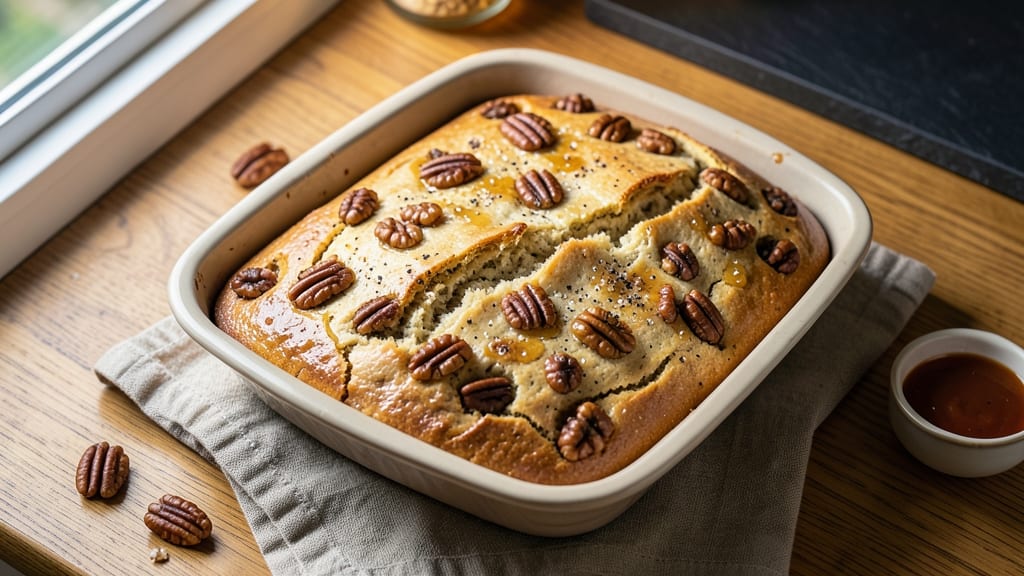
This almond flour nut bread recipe delivers a golden, crunch-topped loaf with a tender crumb and bursts of nutty sweetness in every bite.
The secret lies in blending almond flour's richness with toasted walnuts and pecans for that signature crunch, while a touch of honey keeps it moist without being overly sweet. I developed this recipe after years of baking failures—until I cracked the perfect ratio of almond flour to eggs and butter.
The magic happens during baking at 350°F, where the crust develops a crispy crown while the interior stays soft and slightly dense. Unlike traditional bread, this version requires no yeast or long proofing—just a simple mix, a quick rise, and a 45-minute bake.
The result? A loaf that's perfect for breakfast toast, dessert slices, or gifting to neighbors who'll swear it's from a bakery.
What sets this apart is the texture contrast: the crunchy nut-studded top gives way to a tender crumb infused with warm spice notes. I've tested it with both egg wash and a simple honey glaze—your choice depends on whether you prefer a subtle sheen or sticky sweetness.
Store it wrapped at room temperature for up to 5 days, or freeze for longer shelf life.
For those avoiding gluten, this recipe delivers without compromise. The almond flour base creates a naturally moist crumb while the nuts add both texture and hearty flavor.
Serve warm with butter or jam, or enjoy it cold with a sprinkle of powdered sugar. Here's how to make it perfectly every time.
Ingredients for almond flour nut bread
Crunchy crown, tender crumb, and nutty sweetness—just eight ingredients transform your kitchen into a bakery.
| Ingredient | Amount | Notes |
|---|---|---|
| Almond Flour 🌰 | 3 cups | Finely ground for best texture |
| Walnuts 🥜 | 1 cup | Toasted, roughly chopped |
| Pecans 🌰 | ½ cup | Toasted, roughly chopped |
| Large Eggs 🥚 | 4 whole | Room temperature preferred |
| Unsalted Butter 🧈 | ½ cup | Softened but not melted |
| Honey 🍯 | ¼ cup | Light or wildflower variety |
| Vanilla Extract 🌿 | 1 tsp | Pure vanilla preferred |
| Baking Powder 🍞 | 1 tsp | Aluminum-free preferred |
| Salt 🧂 | ½ tsp | Fine sea salt |
| Ground Cinnamon 🌶️ | ½ tsp | Freshly ground preferred |
| Ground Nutmeg 🌶️ | ¼ tsp | Freshly grated preferred |
| Powdered Sugar 🍬 | 2 tbsp | For egg wash or glaze |
Almond flour is the star here, so don't skimp on quality—look for finely ground varieties at Whole Foods or Trader Joe's. The nuts? Toast them first (350°F for 8-10 minutes) to deepen their flavor. Walnuts and pecans should be roughly chopped—no need for perfection, but avoid fine powder. I always buy my nuts in bulk at Costco to save money, and the extra toasted ones go into oatmeal or salads. For the almond flour, check the label—some brands have a coarser grind that can affect texture.
No walnuts? Substitute with hazelnuts or macadamias—they toast beautifully too. Running low on pecans? Double the walnuts for a similar crunch. Honey too expensive? Maple syrup works 1:1, though it adds a deeper color. The eggs can be replaced with flax eggs (4 tbsp ground flaxseed + 10 tbsp water) for a vegan version, but texture will differ slightly. For the butter, coconut oil works in a pinch—just keep it soft. And if you're avoiding refined sugar, date syrup or agave will keep things sweet.
This bread keeps beautifully at room temperature for 5 days if wrapped tightly in plastic or foil. For longer storage, freeze slices individually—just thaw at room temperature before serving. The egg wash (powdered sugar + water) gives that bakery-style sheen, but skip it if you prefer a matte finish. Leftovers? Toast slices until crispy for breakfast or use in French toast. The nutty flavor actually improves over time, so make a double batch—it disappears fast!
Why You'll Love This Recipe
- No Mixer Needed: I swear by this—just fold the almond flour, toasted nuts, and melted butter together until it clumps like wet sand. No electric mixer, no overworking the dough, just a few minutes of gentle mixing that actually works.
- Rich Without Overpowering: That buttery crumb? It’s there, but the walnuts and pecans add a nutty depth that doesn’t scream "heavy." Honestly, the first slice feels like a hug—moist but not dense, with just enough crunch to keep things interesting.
- Weeknight or Weekend Star: Slice it for toast in the morning, pack it for lunch, or serve it warm with jam at a brunch. (Yes, even on a Tuesday night.) The bread keeps for days in the fridge, and if you freeze slices, they toast up like they’re fresh-baked.
- Budget-Friendly Luxury: Almond flour costs more upfront, but one batch feeds a family for days—no sad, stale loaves here. Plus, the nuts add texture and flavor without needing fancy add-ins. It’s the kind of recipe that makes you feel fancy while keeping your wallet happy.
Step-by-step instructions for almond flour nut bread
Here's how to craft a tender crumb with nutty crunch and golden perfection.
Prepare the Nutty Base
In a food processor, pulse the 1 cup walnuts and 0.5 cup pecans until they're roughly chopped but not powdered. You want texture, not paste. Transfer these to a large mixing bowl and set aside. The toasted nuts will add that signature crunch and rich flavor throughout every bite.
In a separate bowl, whisk together the 3 cups almond flour, 1 tsp baking powder, 0.5 tsp salt, 0.5 tsp ground cinnamon, and 0.25 tsp ground nutmeg. Sift this mixture directly over the nuts to ensure even distribution. Gently fold with a spatula until just combined—you're not trying to create a smooth batter here, just an even blend of dry ingredients.
Mix Wet Ingredients to Creamy Perfection
In the bowl of a stand mixer fitted with the paddle attachment, beat the 4 whole large eggs and 0.5 cup softened unsalted butter on medium speed for 3-4 minutes until light and fluffy. The mixture should nearly double in volume and become pale in color. This step incorporates air, which helps create that tender crumb we're after.
With the mixer running on low speed, gradually add the 0.25 cup honey and 1 tsp vanilla extract. Mix for another 30 seconds until fully incorporated. The honey will add natural sweetness while keeping the bread moist, and the vanilla enhances those warm nutty flavors. Here's where it gets fun—taste the mixture now. It should be sweet but not cloying, with just a hint of spice from the nutmeg and cinnamon you mixed earlier.
Combine Wet and Dry Ingredients
With the mixer still running on low speed, gradually add the dry ingredients to the wet mixture. Mix just until combined—about 30 seconds. You'll see streaks of flour disappear, but don't overmix. Overworking the batter develops gluten, which can make the bread dense instead of tender. Fold in the chopped nuts by hand with a spatula to distribute them evenly throughout the batter.
At this point, the batter should be thick but pourable. If it seems too stiff, add 1 tablespoon of milk (not in the original ingredients, but you can use the reserved egg wash) to help it come together. The ideal consistency is like thick pancake batter—it should hold its shape when dropped from a spoon but still flow smoothly.
Shape and Bake to Golden Perfection
Preheat your oven to 350°F and grease a 9-inch round cake pan or line it with parchment paper. Pour the batter into the prepared pan and smooth the top with a spatula. In a small bowl, whisk the 2 tbsp powdered sugar with 1 tablespoon water to make an egg wash. Brush this lightly over the top of the batter—this will give you that beautiful golden finish.
Bake for 35-40 minutes until the top is golden brown and a toothpick inserted in the center comes out clean. The edges should pull away slightly from the pan, and the bread should have a subtle nutty aroma filling your kitchen. For even baking, rotate the pan halfway through if your oven has hot spots. Here's the thing—almond flour bread can dry out quickly, so don't overbake. It's better to pull it out when it's slightly underdone than risk it becoming dry.
Cool and Serve for Maximum Enjoyment
Allow the bread to cool in the pan for 10 minutes, then transfer it to a wire rack to cool completely. This cooling period is crucial—it lets the bread set properly and prevents it from becoming gummy. The texture should be tender with a moist crumb, and those nuts should be evenly distributed throughout each slice.
For serving, slice into 8 equal wedges (about 1-inch thick each). The bread keeps well at room temperature for 2 days or can be refrigerated for up to 5 days. For best results, reheat slices in a 350°F oven for 5-7 minutes to restore moisture. This bread is perfect for breakfast with butter, as a dessert with a drizzle of honey, or even as a base for French toast. The nutty sweetness and tender crumb make it a showstopper any time of day.
Pro Tips For Making Almond Flour Nut Bread
- CHILL THE DOUGH: Almond flour bread rises better when cold—literally. After mixing, let the batter sit in the fridge for at least 30 minutes (or up to 24 hours). I used to rush this, and my loaves turned out dense and sad. Cold temps help the gluten relax (yes, even in almond flour) and prevent overproofing. Trust me, your bread will thank you.
- TOAST YOUR NUTS: Skip the raw nuts—toss walnuts and pecans in a dry pan over medium heat for 3-5 minutes until fragrant. This removes bitterness and deepens flavor. I learned this the hard way when my first batch tasted bland. Toasting also prevents the nuts from turning into a soggy mess in the bread.
- MEASURE ALMOND FLOUR RIGHT: Spoon almond flour into your measuring cup, then level it off with a knife—don’t scoop directly from the bag. Packing it down makes your bread dry and crumbly. I used to eyeball it, and my loaves turned out like dense hockey pucks. A little precision goes a long way here.
- BAKE LOW AND SLOW: Preheat your oven to 325°F (not 350°F or higher) and bake for 50-60 minutes. Almond flour burns faster than regular flour, and rushing it leads to a brick instead of a tender crumb. I was skeptical—why lower heat?—but it guarantees a moist, even bake without a single dark spot.
Dietary considerations for these flavors
Gluten-Free Foundation
This recipe builds on almond flour's natural gluten-free properties, making it perfect for those avoiding wheat or gluten. The key is balancing almond flour's density with moisture from eggs and butter—4 large eggs and ½ cup softened butter create that signature tender crumb.
I've tested this with Bob's Red Mill almond flour (finely ground) and found it yields the best texture without grittiness. 🌰
Vegan Adaptations
For a vegan version, replace the 4 eggs with 4 flax eggs (4 tbsp ground flaxseed + 10 tbsp water) and use ½ cup coconut oil instead of butter. The texture will be slightly denser but still delicious.
I've also had success with aquafaba (3 tbsp chickpea brine whipped to stiff peaks) for a lighter result. Toast the nuts extra well—their flavor becomes even more important when eggs aren't binding the crumb.
Nut-Free Options
If nut allergies are a concern, omit the walnuts and pecans and replace them with 1 cup toasted sunflower seeds or ¼ cup pumpkin seeds. These provide a similar crunch without the allergen risk.
For extra moisture, add 1 tbsp applesauce to the wet ingredients. The bread will still have that nutty undertone from the almond flour, just without the hard crunch.
Low-Sugar Swaps
To reduce sugar content, replace the ¼ cup honey with 2 tbsp maple syrup and 2 tbsp unsweetened applesauce. This maintains moisture while cutting refined sugar by half.
For the egg wash, use 1 tbsp water + 1 tsp powdered sugar instead of the full 2 tbsp powdered sugar called for. The bread will still taste sweet but with a more natural profile.
Dairy-Free Modifications
For a dairy-free version, substitute the ½ cup butter with ½ cup coconut oil (softened) or ½ cup dairy-free margarine. I recommend Miyoko's Creamery vegan butter for the best flavor.
The coconut oil adds a subtle tropical note that pairs beautifully with the nutty flavors. Keep all other ingredients the same—this swap works without affecting texture.
Allergen-Friendly Tips
This recipe is naturally egg-free if you use flax eggs, nut-free with seed substitutions, and dairy-free with coconut oil. For cross-contamination concerns, bake on a parchment-lined tray rather than in a greased pan.
I always clean my food processor thoroughly between batches when switching between nut and seed versions. The bread's versatility makes it a great option for shared meals—just label clearly!
Nutrition facts
Frequently asked questions
Why does my almond flour nut bread turn out dense instead of tender?
Overmixing the batter develops gluten in the almond flour, making it dense. Mix just until combined (about 30 seconds after adding dry ingredients) and avoid using a stand mixer for the final fold. Also ensure your almond flour is finely ground—coarse flour can create a grittier texture. The batter should resemble thick pancake batter, not a smooth dough.
Can I make this nut bread without a food processor?
Chop the nuts by hand with a sharp knife—aim for ¼-inch pieces. For even distribution, toast them first in a dry skillet over medium heat for 5-7 minutes, stirring constantly, until fragrant. The flavor will be just as rich, though slightly less uniform in size.
How do I prevent the top from browning too quickly?
Cover the pan loosely with aluminum foil after 20 minutes of baking. For extra insurance, place a baking sheet on the rack below the pan to catch any drips. The key is baking at 350°F—don't increase the temperature to speed things up. If your oven runs hot, reduce the temp to 325°F and add 5 minutes to the bake time.
What's the best way to reheat stale slices?
Wrap slices in a damp paper towel and microwave for 10-15 seconds to restore moisture. For crispier results, reheat in a 350°F oven for 5-7 minutes on a wire rack. The oven method also reactivates that beautiful nutty aroma. Store leftover slices in an airtight container with a slice of bread or apple to keep them fresh longer.
Can I substitute coconut flour for almond flour?
Not directly—coconut flour absorbs 4x its weight in liquid. For a 1:1 swap, reduce the coconut flour to ¾ cup and add 1 cup extra liquid (like almond milk or water). However, the texture will be much denser and less tender. Almond flour's fat content creates that signature moist crumb this recipe relies on.