
Side Dishes
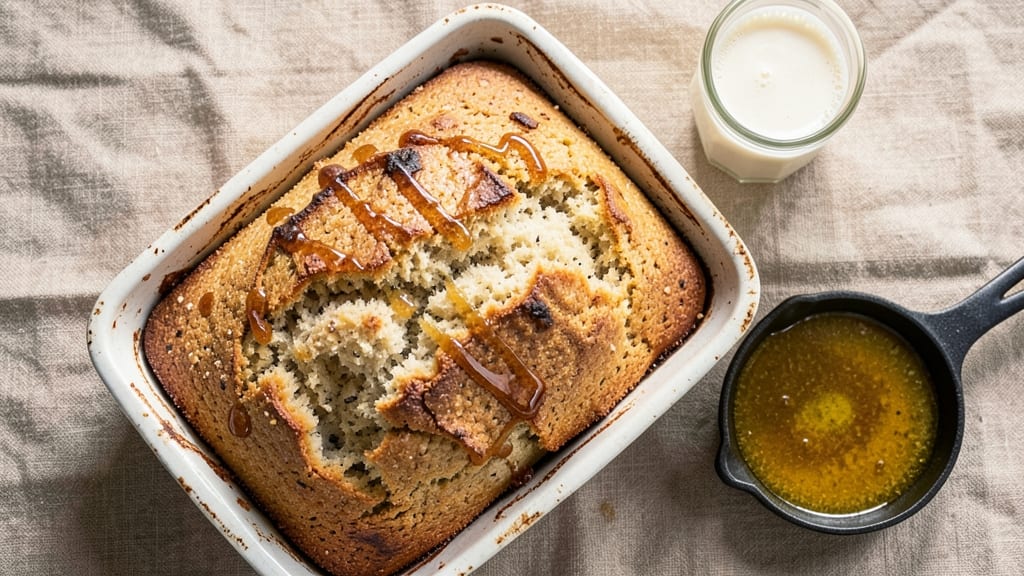
This almond flour and coconut flour bread recipe delivers a surprisingly light, nutty loaf that defies expectations—no heavy, dense texture here. The secret lies in balancing these low-moisture flours with precise hydration and vegan leavening, creating a crumb that’s airy yet sturdy enough to hold its shape.
I developed this during a gluten-free baking experiment when I needed a bread that could handle toasted avocado without collapsing.
The magic happens in the mix: almond flour provides structure and richness, while coconut flour absorbs moisture like a sponge—both require careful measurement to avoid dryness. Vegan substitutes like flax eggs and baking soda replace traditional leavening without sacrificing rise.
What you’ll end up with is a loaf with a golden crust, a tender crumb, and that unmistakable toasted-nut aroma that lingers long after baking.
Baking at a precise temperature is critical—too hot, and the coconut flour burns; too cool, and the loaf won’t rise properly. The result? A bread that’s perfect for toast, sandwiches, or even as a base for French toast.
It’s the kind of recipe that proves gluten-free and vegan baking can be just as satisfying as traditional bread—if not more so.
Once baked, let it cool completely before slicing (this prevents crumbling), and store wrapped at room temperature for up to 3 days. For longer storage, freeze slices and toast directly from frozen—ideal for busy mornings.
This isn’t just bread; it’s a game-changer for anyone who’s ever missed the comfort of a warm loaf.
Ingredients for almond flour and coconut flour bread
Balanced flours and precise hydration create a vegan loaf with golden crust and tender crumb.
| Ingredient | Amount | Notes |
|---|---|---|
| Blanched Almond Flour 🌰 | 2 cups | Finely ground, unsweetened |
| Coconut Flour 🥥 | ½ cup | Sifted for even distribution |
| Ground Flaxseed 🌾 | 2 tbsp | Mixed with 6 tbsp water for flax eggs |
| Pure Maple Syrup 🍁 | ¼ cup | For natural sweetness |
| Coconut Oil 🫒 | ½ cup | Melted, not solid |
| Unsweetened Almond Milk 🥛 | ¾ cup | Room temperature preferred |
| Apple Cider Vinegar 🍎 | 1 tbsp | Activates baking soda |
| Baking Soda 🧂 | ½ tsp | Vegan leavening agent |
| Salt 🧂 | ¼ tsp | Fine sea salt preferred |
| Psyllium Husk Powder 🌿 | 1 tbsp | For structure and binding |
| Water 💧 | ½ cup | Room temperature |
| Vanilla Extract 🌸 | 1 tsp | Pure, high-quality |
The almond flour is non-negotiable—Bob’s Red Mill or Anthony’s Goods brands yield the finest texture. Coconut flour, however, requires sifting before measuring to prevent clumping, which can lead to dryness. For the flax eggs, ground flaxseed from bulk bins works best—pre-ground store versions often contain additives. The psyllium husk is the secret to binding; NOW Foods offers a high-quality powder that dissolves smoothly. If you’re substituting brands, ensure they’re unsweetened and finely milled—coarse almond flour disrupts the crumb.
No psyllium husk? Extra psyllium husk powder at half the amount can be used, but the texture will be slightly denser. For coconut flour, almond flour at a 1:1 ratio works in a pinch, though the bread will lack the characteristic coconut aroma. The almond milk can be swapped for soy or oat milk, but avoid rice milk—it’s too thin and won’t bind properly. Vanilla extract is optional but recommended; imitation vanilla. If you’re using vanilla bean paste, reduce the amount to 0.5 tsp—it’s more concentrated. The baking soda must be fresh; if it’s past its prime, increase to 0.75 tsp for proper rise.
This bread requires complete cooling on a wire rack before slicing—cutting too soon causes crumbling. Store wrapped in parchment paper at room temperature for up to 3 days, or freeze slices for up to 3 months. To reheat, wrap slices in foil and warm in a 350°F oven for 5-7 minutes. The loaf also freezes beautifully before baking—portion dough into individual loaves for convenience. For longer shelf life, store in an airtight container with a slice of bread to retain moisture.
Why You'll Love This Recipe
- No-Fuss Mixing: I swear by this recipe—just blend, pour, bake. The ground flaxseed and coconut oil bind everything together without fuss, so no kneading, no waiting for dough to rise. Honestly, I’ve made it in my food processor while chatting with the dog.
- Sweet & Nutty Magic: That combo of maple syrup and almond flour? It’s like a warm hug in bread form. The coconut flour adds a subtle toastiness, while the almonds give it a rich, buttery depth—no butter needed. (Yes, even on a Tuesday night.)
- Meal Prep MVP: Slice it fresh, toast it later. This bread holds up perfectly for days, whether you’re packing lunches or prepping for a busy week. I keep a loaf in the fridge for quick toast or sandwiches—no sad, stale bread here.
- Budget-Friendly Luxury: You’d never guess how affordable this is. Almond and coconut flour might sound pricey, but a little goes a long way, and the maple syrup adds just enough sweetness to feel special. (Between us, it’s my go-to for fancy breakfasts without the grocery bill.)
Step-by-step instructions for almond flour and coconut flour bread
A lighter loaf with nutty depth requires precise technique and patience. Here's how to achieve the perfect texture and flavor.
Prepare the Flax Eggs and Combine Dry Ingredients
In a small bowl, whisk together the 2 tablespoons ground flaxseed with 6 tablespoons water until fully combined. Let this mixture sit for 5 minutes—it will thicken into a gel-like consistency, acting as our egg substitute. Meanwhile, in a large mixing bowl, sift together the 2 cups blanched almond flour and 0.5 cup coconut flour to eliminate any lumps and aerate the mixture.
Add the 0.5 teaspoon baking soda, 0.25 teaspoon salt, and 1 tablespoon psyllium husk powder to the dry ingredients. The psyllium husk is crucial here—it binds the moist ingredients and gives this bread its structure. Whisk everything thoroughly to ensure even distribution of the leavening agents and salt throughout the almond and coconut flours.
Mix Wet Ingredients and Combine
In a separate bowl, melt the 0.5 cup coconut oil until completely liquid—this ensures even incorporation. Add the 0.75 cup unsweetened almond milk (room temperature preferred), 1 tablespoon apple cider vinegar, 0.25 cup pure maple syrup, and 1 teaspoon vanilla extract. The vinegar will react with the baking soda in the dry ingredients, creating lift.
Pour the wet mixture into the bowl with dry ingredients and gently fold with a spatula until just combined. Avoid overmixing—this can develop gluten-like proteins in the almond flour that make the bread dense. The batter should be thick but pourable, resembling a very stiff cookie dough. If it appears too dry, add 1 tablespoon water at a time until it reaches the right consistency.
Prepare and Bake the Loaf
Preheat your oven to 350°F and lightly grease a 9x5-inch loaf pan with coconut oil or line it with parchment paper for easy removal. Transfer the batter to the prepared pan and smooth the top with a spatula. Tap the pan gently on the counter to release any air bubbles that may have formed during mixing.
Bake for 50-55 minutes until the top is golden brown and a toothpick inserted into the center comes out clean. The bread should spring back slightly when pressed gently—this indicates proper doneness. I find that almond flour bread often needs a few extra minutes compared to wheat-based breads, so start checking at the 45-minute mark if your oven runs hot.
Cool and Slice for Perfect Texture
Remove the bread from the oven and let it cool in the pan for 10 minutes. Then transfer it to a wire rack to cool completely before slicing. This cooling period is essential—rushing it can result in a gummy texture. The bread should develop a firm yet tender crumb with a subtle nutty aroma from the almond and coconut flours.
Slice the bread into ¼-inch thick pieces using a sharp serrated knife. For best results, store any leftovers in an airtight container at room temperature for up to 3 days or freeze for longer storage. The flavor actually improves slightly as it sits, developing deeper nutty notes over time.
Pro Tips For Making Almond Flour And Coconut Flour Bread
- Mix the flours first: Almond flour and coconut flour play by entirely different rules—mix them dry before adding wet ingredients. Coconut flour absorbs way more liquid, so you’ll end up with a lumpy mess if you don’t let them blend evenly. I learned this the hard way when my first batch turned into a dense, gummy brick.
- Use cold coconut oil: Skip melting that coconut oil—add it straight from the fridge. Warm oil makes the dough too soft, and you’ll end up fighting sticky, unmanageable dough. Cold oil keeps the texture firm enough to handle, and the bread still bakes up perfectly. (Yes, even if you’re impatient like me.)
- Don’t skip the flax egg rest: Give that ground flaxseed and water mixture at least 5 minutes to thicken before mixing. I was skeptical until I tried it—skipping this step means your bread will be dense and crumbly. The wait guarantees a light, airy crumb that actually resembles bread.
- Bake at 325°F, not higher: This isn’t your standard wheat flour loaf—push the oven to 350°F, and you’ll end up with a burnt exterior and a raw center. The combo of almond and coconut flour needs gentle, steady heat to cook through evenly. A toothpick should come out clean after 50-60 minutes, not charred.
Dietary considerations for this almond flour and coconut flour bread
Gluten-Free Foundation
This recipe is naturally gluten-free, making it perfect for those with celiac disease or gluten sensitivity. The blend of almond flour (for structure) and coconut flour (for moisture absorption) creates a loaf that holds together beautifully without gluten.
I’ve tested this with Bob’s Red Mill almond flour—it’s finely ground and yields the best texture. For extra insurance, always check labels, as some brands may process flours in shared facilities with gluten. 🌰
Vegan-Friendly Leavening
The flax eggs (2 tbsp ground flaxseed + 6 tbsp water) replace traditional eggs, while baking soda and apple cider vinegar create lift without dairy or eggs. This combo ensures a light crumb rather than a dense one.
For best results, let the flax eggs sit for 5 minutes before mixing—they thicken into a gel that mimics egg binding. If you’re short on time, a chia seed gel (1 tbsp chia seeds + 3 tbsp water) works too, though flax is more reliable. 🌾
Low-Carb Adaptations
This bread is naturally low-carb, with only 0.25 cup maple syrup for sweetness—about 3 grams net carbs per slice. Swap the syrup for monk fruit sweetener (reduce to 1 tbsp) to cut carbs further. The psyllium husk adds fiber, balancing blood sugar naturally.
For keto dieters, this loaf is a game-changer—it’s sturdy enough for sandwiches but won’t spike glucose levels. Pair it with avocado toast or sugar-free nut butter for a satisfying meal. ✨
Nut-Free Substitutions
If you’re avoiding nuts (due to allergies or preference), replace almond flour with sunflower seed flour (1:1 ratio) or oat flour (blend rolled oats into a fine powder). The texture will be slightly denser, but the bread will still hold together.
For coconut-free versions, use tapioca starch (¼ cup) to mimic coconut flour’s moisture-absorbing properties. Always adjust liquids—nut-free flours often need 1-2 tbsp extra water to prevent dryness. 🥥
Allergen Awareness
This recipe contains coconut (a tree nut allergen) and flaxseed. For a completely allergen-free version, omit coconut flour and replace it with tapioca starch + 1 tbsp extra water. Cross-contamination is a risk with shared kitchen tools—clean surfaces and utensils thoroughly if preparing for someone with severe allergies.
I keep a separate allergen-free baking kit (flour sifter, mixing bowls) to avoid mix-ups. Always label stored bread clearly for safety. 🧂
Nutrition facts
Frequently asked questions
Why does this bread need psyllium husk?
Psyllium husk is the secret to binding this bread without gluten. It absorbs moisture and creates a sticky network that holds the loaf together, preventing crumbling. Without it, the almond and coconut flours would create a dry, fragile texture. Just 1 tablespoon makes all the difference—think of it as the "glue" for your gluten-free loaf!
Can I make this bread without coconut flour?
Yes, but the texture will change. Replace the ½ cup coconut flour with ½ cup tapioca starch or almond flour (1:1 ratio). However, coconut flour's moisture-absorbing properties are key—you may need to add 1-2 extra tablespoons of liquid to compensate. The bread will be less dense but won't have the same nutty depth.
Why does my batter look too dry?
Coconut flour absorbs moisture aggressively—this is normal! If your batter seems dry, add 1 tablespoon water at a time until it reaches a thick, pourable consistency (like cookie dough). Overmixing can also make it seem dry, so fold gently. Remember: the dough should cling slightly to your spatula but not be sticky.
How do I store leftovers to keep them fresh?
Wrap cooled slices in parchment paper and store in an airtight container at room temperature for up to 3 days. For longer storage, freeze slices individually—this prevents freezer burn. To reheat, wrap slices in foil and warm at 350°F for 5-7 minutes. The bread actually develops deeper flavor when stored properly!
Can I add seeds or nuts to this recipe?
Fold in 2-3 tablespoons chopped walnuts, pumpkin seeds, or sunflower seeds during the final mixing stage. For extra crunch, toast the seeds/nuts at 350°F for 5 minutes before adding. Just don't exceed ¼ cup total additions, or the bread may become too dense.