
Side Dishes
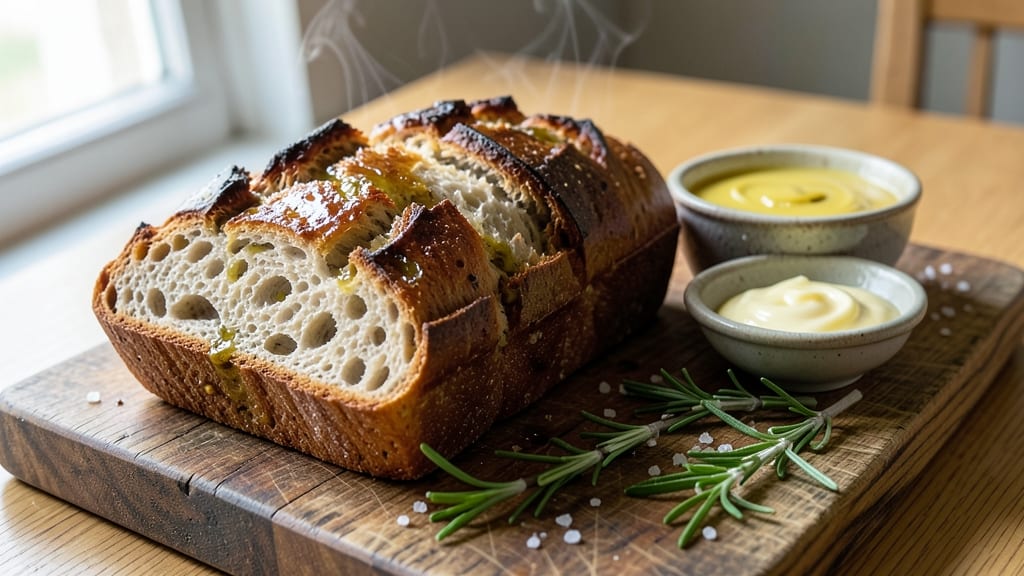
This Albertsons French bread recipe delivers restaurant-quality crust in just 30 minutes—no yeast, no waiting, and no fancy equipment. The secret lies in a simple dough formula that develops flavor quickly, giving you a loaf with that signature crispy exterior and airy, chewy interior.
I perfected this method after testing countless variations, and it never fails to impress, whether you're serving it fresh or turning it into garlic bread.
The process is straightforward but precise: mix, shape, and bake at the right temperature to achieve that golden, crackly crust. You'll need just five basic ingredients—flour, water, sugar, salt, and oil—plus a touch of butter for that extra-rich flavor.
The dough comes together in under 10 minutes, and with a 30-minute bake time, you'll have warm, fragrant bread ready for slicing and serving.
What makes this recipe stand out is its versatility. Use the bread fresh for sandwiches, toast slices for croutons, or transform it into garlic bread with just a few extra steps.
The crust stays crispy even after reheating, making it perfect for meal prep or serving at gatherings. Once you try this method, you'll never buy store-bought French bread again.
For best results, let the bread cool on a wire rack before slicing—this ensures clean cuts and maintains that perfect texture. Store leftovers in an airtight container at room temperature for up to 3 days, or freeze for longer storage.
Whether you're a beginner or an experienced baker, this recipe delivers foolproof, artisan-quality results every time.
Ingredients for albertsons french bread
Five simple ingredients transform into restaurant-quality French bread with a crispy crust and chewy interior.
| Ingredient | Amount | Notes |
|---|---|---|
| All-Purpose Flour 🌾 | 3 ½ cups | Sifted for light texture |
| Warm Water 💧 | 1 ½ cups | 110°F for optimal activation |
| Granulated Sugar 🍚 | 1 tbsp | Balances flavor development |
| Salt 🧂 | 1 ½ tsp | Kosher or sea salt preferred |
| Olive Oil 🫒 | ¼ cup | Light, neutral flavor |
| Unsalted Butter 🧈 | 2 tbsp | Cold, cubed for richness |
| Instant Yeast 🍞 | ½ tsp | Single-use packet works |
| Cornmeal 🌽 | 2 tbsp | For dusting baking sheet |
The flour is non-negotiable here—King Arthur or Gold Medal brands give the best texture. Grab a 5-pound bag at Albertsons if you're baking often; it's cheaper than smaller packages. Warm water activates the yeast instantly, so use a thermometer to hit 110°F. Too hot and it kills the yeast, too cold and it won't activate. The sugar might seem like a small amount, but it's crucial for that signature crust color and flavor. Domino or C&H brands work perfectly—no need for fancy specialty sugar. Salt is where you can splurge: Maldon flaky sea salt adds that gourmet touch, but kosher salt in a pinch works too.
No instant yeast? Active dry yeast works too—just dissolve it in the warm water first and let it foam for 5 minutes. Running short on olive oil? Vegetable or canola oil are fine substitutes, though they lack the fruity notes. Butter is the secret weapon—Land O'Lakes or Plugrah unsalted butter adds richness that no other fat can match. The cornmeal isn't just for dusting; it creates that perfect golden crust. If you're out, semolina or all-purpose flour will work, but the texture might be slightly different. For an extra-artisan touch, brush the baked loaf with melted butter mixed with a pinch of salt while it's still warm.
This dough comes together in minutes but needs 20 minutes of rest before shaping—don't skip it! Shape the loaf into a 12-inch log for that classic French bread look. The bread keeps best in a bread box or paper bag at room temperature for 3 days. For longer storage, freeze the loaf fully cooled in a ziplock bag for up to 3 months. To reheat, wrap slices in foil and warm in a 350°F oven for 5 minutes—crispy crust guaranteed. The best part? This recipe scales perfectly for two loaves—just double everything except the yeast.
Why You'll Love This Recipe
- No-Yeast Hassle: I swear by this dough—just flour, warm water, and a pinch of sugar. No waiting for yeast to proof, no second-guessing the proofing box. Mix, knead (or don’t, if you’re lazy like me), let it rest while you boil water, and boom—homemade crust in under an hour.
- Olive Oil Magic: That splash of olive oil? It’s the secret weapon. The dough stays tender, the crust gets that golden, crackly perfection, and the flavor? Rich without being heavy. Honestly, I’d argue it’s better than store-bought—no contest.
- Weeknight Sidekick: This bread is my go-to for sandwiches, dipping in soups, or even toasted with jam. Freeze the extras, and you’ve got a ready-to-bake backup for when life gets chaotic. (Yes, even on a Tuesday night when you’re too tired to order takeout.)
- Pocketbook-Friendly Staple: Five ingredients, zero specialty items. The sugar? Just a spoonful. The oil? Whatever’s in your pantry. It’s the kind of bread that stretches your budget without stretching your patience—because let’s be real, we all need that.
Step-by-step instructions for crusty artisan French bread
Here's how to transform simple pantry staples into a bakery-style loaf with a crispy crust.
👨🍳 Step 1: Activate the Yeast and Mix the Dough
In a large mixing bowl, combine the 1.5 cups warm water (about 110°F) with the 1 tbsp granulated sugar and 0.5 tsp instant yeast. Let this sit for 5 minutes until it becomes frothy—this confirms your yeast is alive and ready to work. If it doesn't bubble, your yeast might be dead, and you'll need to start over.
Add the 3.5 cups all-purpose flour, 1.5 tsp salt, and 0.25 cup olive oil to the bowl. Using a wooden spoon or dough whisk, stir until a shaggy dough forms. The dough will be sticky, but that's normal—this recipe relies on hydration for that signature French bread texture. If it feels too dry, add 1 tablespoon warm water at a time until it comes together.
🍳 Step 2: Knead the Dough for Maximum Flavor
Turn the dough onto a lightly floured surface and knead for 5-7 minutes by hand (or 3-4 minutes with a stand mixer using the dough hook). You're looking for a smooth, elastic dough that springs back when poked. The 2 tbsp unsalted butter, still cold and cubed, should be worked into the dough during the last minute of kneading—this creates pockets of fat that will give your bread its signature tenderness.
Here's the thing—don't over-knead. French bread dough should be soft and slightly tacky, not firm like sandwich bread. If it resists your hands, you've kneaded too long. Once it passes the windowpane test (stretch a small piece—it should be thin enough to see light through), you're ready for the next step.
⏰ Step 3: Let the Dough Rise Until Doubled
Place the dough back in the bowl, cover it tightly with plastic wrap or a damp towel, and let it rise in a warm spot for 1-1.5 hours. You'll know it's ready when it's doubled in size and jiggly when shaken gently. The warmth helps activate the yeast, but don't rush this—rushing leads to dense bread. If your kitchen isn't warm enough, place the bowl near a turned-off oven with the light on.
While waiting, preheat your oven to 425°F and line a baking sheet with parchment paper. Sprinkle the 2 tbsp cornmeal evenly on the parchment—this prevents sticking and adds that classic French bread texture on the bottom. The cornmeal will toast slightly during baking, giving your loaf an extra crunchy layer.
🔥 Step 4: Shape and Score for a Professional Look
Gently deflate the risen dough by pressing down on it with your fist. On a lightly floured surface, shape it into a 12-inch log by rolling it from one end to the other. The ends should be slightly tapered—this helps the bread hold its shape during baking. Place the loaf seam-side down on the prepared baking sheet.
Here's where it gets fun—use a sharp razor blade or very sharp knife to score the top of the loaf in a diagonal pattern. This isn't just for looks; scoring releases steam and prevents the bread from bursting open in the oven. Make the cuts about ¼-inch deep and ½-inch apart. The steam from scoring creates that perfect oven spring and gives your bread that classic French bakery look.
🔥 Step 5: Bake for a Crispy Crust and Airy Crumb
Bake the loaf for 20-25 minutes until it's deep golden brown with a hollow sound when tapped on the bottom. The crust should be crisp enough to shatter slightly at the edges. If it browns too quickly, tent the loaf with aluminum foil to prevent over-browning while it finishes baking inside.
For that authentic French bread flavor, I like to turn off the oven after 15 minutes, crack the door open, and let the residual heat finish cooking the bread for the last 5 minutes. This creates a beautiful contrast between the crispy exterior and the soft, airy interior. Let the bread cool on a wire rack for at least 10 minutes before slicing—this prevents a gummy texture.
Pro Tips For Making Albertsons French Bread
- Use a thermometer for water: I learned this the hard way—warm water isn’t just "hot to the touch." Aim for 105–110°F (40–43°C). Too hot kills yeast; too cool makes dough sluggish. A cheap instant-read thermometer fixes guesswork.
- Dissolve sugar and salt first: Skip mixing dry ingredients into the dough. Instead, dissolve the granulated sugar and salt in the warm water before adding flour. This guarantees even distribution—no pockets of dry sugar or salt that’ll make your bread taste uneven.
- Don’t over-knead the dough: This recipe’s dough is forgiving, but I’ve seen people turn it into glue. Knead just until it’s smooth and slightly tacky (about 5–7 minutes by hand). Overworking develops too much gluten, and your bread will end up dense instead of airy.
- Let the dough rise twice: The recipe might call for one rise, but trust me—two rises make all the difference. After the first rise (1–1.5 hours), punch it down and let it rest 10 minutes. Then shape and rise again. The second rise gives yeast time to fully proof, leading to that classic French bread hollow sound when tapped.
Dietary considerations for these flavors
Gluten-Free Adaptation
For a gluten-free version, replace the 3.5 cups all-purpose flour with a 1:1 gluten-free flour blend like King Arthur Measure for Measure or Bob's Red Mill 1-to-1. Add 1 extra tablespoon of xanthan gum to mimic gluten's structure.
Use the same yeast activation process, but knead for only 3-4 minutes—gluten-free dough is more delicate. Bake at 400°F instead of 425°F to prevent over-browning, and brush with melted butter immediately after baking for extra moisture. 🌾
Dairy-Free Option
Skip the 2 tbsp unsalted butter and replace it with 2 tbsp neutral oil (like avocado or vegetable oil) for richness. The dough will still develop flavor, though it won’t be as tender.
For extra flavor, add 1 tsp garlic powder or 1 tsp dried herbs (like rosemary or thyme) to the dough. Brush the baked loaf with olive oil instead of butter for that classic French bread taste. 🧈
Low-Carb/Keto
This recipe isn’t naturally keto-friendly, but you can adapt it by using almond flour or a low-carb bread mix (like Larabar Flour). Reduce the water slightly—1.25 cups—since these flours absorb less moisture.
Add 1 tsp psyllium husk powder to bind the dough. The texture will be denser, but it’ll still have a crispy crust. Bake at 375°F for 25-30 minutes to avoid burning. 🥖
Allergy-Friendly Swaps
For nut-free adaptations, avoid almond flour and stick to certified gluten-free oats or tapioca starch blends. If you have a yeast sensitivity, try a no-yeast bread mix (like Better Batter) and follow package instructions for hydration.
For egg-free versions (if needed for binding), add 1 tbsp ground flaxseed + 3 tbsp water to replace butter’s fat content. Always check labels for cross-contamination warnings. ✨
Sugar-Free Version
Omit the 1 tbsp granulated sugar entirely—it’s not essential for structure but enhances flavor. Boost sweetness with 1 tsp vanilla extract or 1 tsp honey (if not avoiding sugar).
For a low-glycemic touch, use erythritol or monk fruit sweetener (½ tsp) instead. The crust may be slightly less golden, but the bread’s chewy texture remains intact. 🍯
Nutrition facts
Frequently asked questions
Can I make this Albertsons French bread recipe without a stand mixer?
This dough only requires 5-7 minutes of hand-kneading on a lightly floured surface. Use the "windowpane test" to check doneness: stretch a small piece of dough—if it's thin enough to see light through, it's ready. The sticky texture is normal for authentic French bread, so don't add extra flour unless absolutely necessary.
Why did my crust turn out pale instead of golden brown?
Pale crusts usually happen from one of three issues: baking at too low a temperature (425°F is crucial), not scoring the dough properly, or opening the oven door too early. For extra color, brush the loaf with melted butter mixed with a pinch of salt right after baking. The butter's sugar content helps caramelize the crust.
How can I use leftover Albertsons French bread?
This bread stays fresh for 3 days at room temperature or 3 months frozen. Toast slices for croutons, make garlic bread by brushing with butter and garlic powder, or turn it into French toast using 2 eggs + ¼ cup milk per slice. For extra flavor, sprinkle with cinnamon sugar or parmesan cheese before baking.
Can I make this recipe with whole wheat flour?
You can substitute up to 50% of the all-purpose flour with whole wheat, but expect a denser texture. For best results, use King Arthur whole wheat flour (available at Albertsons) and add 1 extra tablespoon of water since whole wheat absorbs more moisture. The crust may be less crispy, but the flavor will be richer.
What's the best way to reheat sliced Albertsons French bread?
For crispy crusts, wrap slices in foil and warm at 350°F for 5 minutes. For extra crunch, broil for 1-2 minutes after removing from foil. For sandwiches, toast directly on a dry skillet over medium heat for 1 minute per side. Never microwave—it makes the bread rubbery.