
Side Dishes
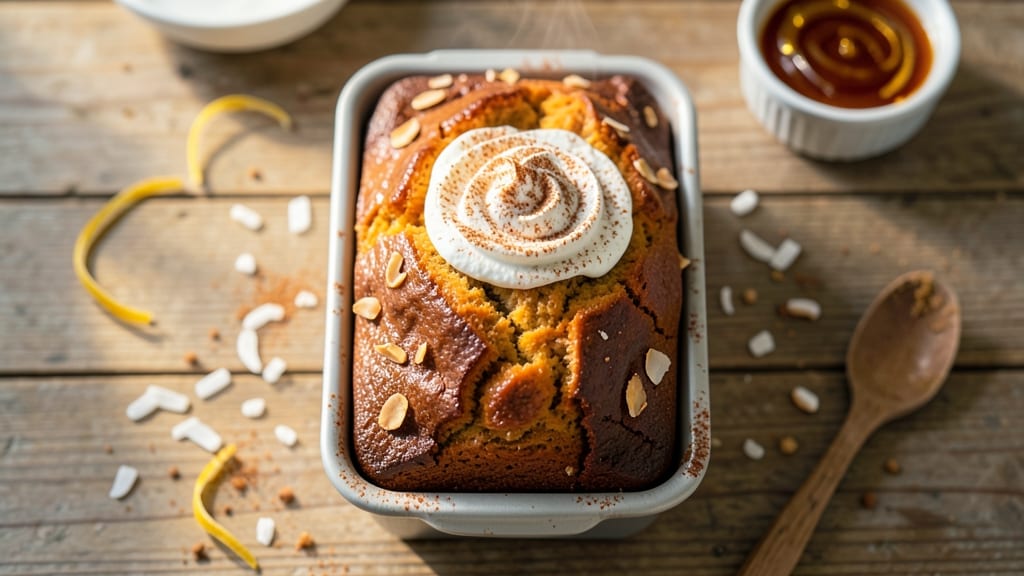
This AIP pumpkin bread recipe delivers all the cozy spice and moist texture of classic pumpkin bread—without dairy, grains, or refined sugar. The secret lies in almond flour and coconut oil, which create a tender crumb while keeping it AIP-compliant.
I developed this version after struggling to find a satisfying fall treat that fit my dietary needs, and it quickly became a staple in my kitchen.
The recipe uses pumpkin puree for natural sweetness and moisture, paired with warming spices like cinnamon and nutmeg for that signature autumn flavor. Unlike traditional recipes, this version skips dairy and grains entirely, making it safe for those with sensitivities.
The result? A loaf that's perfectly moist, lightly spiced, and just sweet enough without overpowering the pumpkin flavor.
Baking at 350°F for about 50 minutes ensures a golden crust and tender interior, while a simple glaze made with coconut cream and maple syrup adds extra shine and sweetness.
This bread is ideal for breakfast, dessert, or even as a snack—it's hearty enough to satisfy but light enough to enjoy any time of day.
Best of all, it freezes beautifully, so you can bake a batch ahead and enjoy it all season long. Whether you're following the Autoimmune Protocol or simply looking for a healthier take on pumpkin bread, this recipe delivers the same comforting flavors without the allergens.
Ingredients for aip pumpkin bread
Pantry staples and seasonal flavors come together for this allergy-friendly pumpkin bread.
| Ingredient | Amount | Notes |
|---|---|---|
| Pumpkin Puree 🎃 | 1 ½ cups | Unsweetened, canned or homemade |
| Almond Flour 🌰 | 2 cups | Fine, blanched preferred |
| Coconut Oil 🥥 | ½ cup | Melted, full-fat preferred |
| Maple Syrup 🍁 | ½ cup | Grade B for deeper flavor |
| Coconut Cream 🥥 | ¼ cup | Thick, from full-fat can |
| Ground Cinnamon 🌿 | 2 tsp | Freshly ground for warmth |
| Ground Nutmeg 🌿 | ½ tsp | Freshly grated preferred |
| Ground Ginger 🌿 | 1 tsp | Freshly grated for zing |
| Sea Salt 🧂 | ½ tsp | Fine grain preferred |
| Baking Soda 🧪 | 1 tsp | Aluminum-free preferred |
| Vanilla Extract 🌸 | 1 tsp | Pure, alcohol-free preferred |
| Coconut Milk 🥥 | ¼ cup | Full-fat, for glaze |
The almond flour is the star here—Bob's Red Mill or Anthony's GoodsLibby's unsweetened is my default, but homemade works too if you've got fresh pumpkin. The coconut oil needs to be melted completely—no lumps!—and full-fat is non-negotiable for that tender crumb. If you're using Grade A maple syrup, add an extra pinch of salt to balance the sweetness. For the spices, Penzeys has the best quality, but the grocery store stuff works fine if it's fresh.
No almond flour? Sunflower seed flour at 1:1 ratio gets you close, though texture will differ slightly. Short on coconut oil? Avocado oil works too, but it lacks that coconut flavor. The glaze can be skipped entirely if you prefer less sweetness, but trust me, it takes this from good to wow. For extra warmth, add a pinch of cloves to the spice mix. If your maple syrup is old, microwave it 20 seconds to revive the flavor. And if you're baking for a crowd, double the recipe—this freezes beautifully for 3 months.
This bread keeps well at room temperature for 3 days in an airtight container, but it's best enjoyed fresh. Wrap cooled loaves in parchment paper and foil for 2 weeks in the fridge or 3 months in the freezer. The glaze hardens when chilled, so pop it in the microwave for 10 seconds to soften before serving. I always bake an extra loaf—it disappears fast, especially when I'm hosting AIP-friendly gatherings. The crust stays soft for days if you store it properly.
Why You'll Love This Recipe
- No Mixer Needed: I swear by this recipe when my hands are full—just stir, pour, bake. The almond flour blends smooth with pumpkin puree, and the coconut oil keeps it tender without any fuss. Honestly, it’s the kind of recipe that lets me multitask (or pretend I’m not watching Netflix while "helping").
- Sweet-Spiced Magic: That first bite? Maple syrup and pumpkin puree create a caramel-like depth, while the coconut cream adds a velvety richness. It’s not too sweet, not too heavy—just perfectly balanced, like a hug in bread form. (Yes, even on a Tuesday night.)
- Breakfast to Snack: Slice it warm with a drizzle of coconut cream for breakfast, or pack it in lunchboxes for a protein-packed afternoon pick-me-up. Between us, I’ve also used it as a dessert base—just top with cinnamon and a pinch of sea salt. Versatile enough to handle any craving.
- Pantry Staple Power: I keep almond flour and coconut oil on hand anyway, so this recipe rarely costs me extra. And because it stays fresh for days (or freezes beautifully), I’m never scrambling for something sweet. Between the pumpkin’s natural sweetness and the maple syrup, it’s a budget-friendly win.
Step-by-step instructions for AIP pumpkin bread
Here's how to bake moist, spiced pumpkin bread that's compliant with the Autoimmune Protocol.
Preheat and Prepare Your Pan
Preheat your oven to 350°F. Grease an 8x4-inch loaf pan generously with the 0.5 cup coconut oil, making sure to coat all sides and the bottom. I like to use a paper towel to wipe away any excess oil—this prevents a greasy crust while still ensuring easy release.
Line the bottom of the pan with parchment paper, cutting it to fit snugly. This extra precaution makes removing the bread effortless, especially since we're not using traditional flour to dust the pan. The coconut oil will provide enough lubrication, but the parchment gives that final insurance against sticking.
Mix Wet Ingredients Until Smooth
In a large mixing bowl, combine the 1.5 cups pumpkin puree, 0.5 cup maple syrup, 0.5 cup coconut oil (melted and slightly cooled), and 1 tsp vanilla extract. Whisk vigorously for 2-3 minutes until the mixture is completely smooth and well-emulsified.
I always use a hand mixer for this step—it ensures no lumps remain from the pumpkin puree. The mixture should be thick but pourable. If it feels too thick, add 1-2 tablespoons of coconut milk to help with the blending process. This wet mixture forms the foundation of our bread, so taking the time to get it perfectly smooth is crucial.
Combine Dry Ingredients and Fold In
In a separate bowl, whisk together the 2 cups almond flour, 2 tsp ground cinnamon, 0.5 tsp ground nutmeg, 1 tsp ground ginger, 0.5 tsp sea salt, and 1 tsp baking soda. Sift the mixture through a fine-mesh sieve to aerate it—this prevents dense pockets in your bread.
Gradually add the dry ingredients to the wet mixture, folding gently with a spatula until just combined. Be careful not to overmix—you're looking for a thick batter with a few streaks of flour remaining. The 0.25 cup coconut cream can be folded in at this stage if you prefer a slightly richer texture, though I typically reserve it for the glaze.
Bake Until Golden and Springy
Pour the batter into your prepared loaf pan and smooth the top with a spatula. Bake in the preheated oven for 50-55 minutes, or until a toothpick inserted in the center comes out clean and the top springs back when pressed gently.
Here's where patience pays off: the bread should develop a beautiful golden-brown crust while remaining moist inside. If the top browns too quickly, tent the pan with aluminum foil after 30 minutes to prevent over-browning. The internal temperature should reach 205-210°F when done.
Glaze and Cool Properly
While the bread is still warm, prepare the glaze by whisking together the 0.25 cup coconut milk with 1 tablespoon maple syrup (optional for extra shine). Immediately pour this over the hot bread and spread it evenly with an offset spatula.
Let the bread cool in the pan for 10 minutes, then transfer it to a wire rack to cool completely. This cooling period is essential—it allows the bread to set properly and prevents a gummy texture. Once fully cooled, slice with a serrated knife for clean cuts and serve warm for the best experience.
Pro Tips For Making Aip Pumpkin Bread
- Bake at 325°F—Not Hotter: I learned this the hard way—almond flour burns faster than you’d think. Cranking the oven to 350°F will give you a dry, dense loaf with a bitter edge. Stick to 325°F and bake it 5–10 minutes longer than the recipe says. The center should spring back when pressed, not feel gummy.
- Strain Your Pumpkin Puree: Lumpy puree means a gritty, uneven texture in your bread. After blending your pumpkin, press it through a fine-mesh sieve or cheesecloth to remove any fiber. It’s a little extra work, but the result is silky smooth—no one wants to bite into a surprise stringy surprise.
- Don’t Overmix the Batter: Almond flour develops gluten when overworked, leading to a dense, rubbery loaf. Mix just until the dry ingredients are barely incorporated—about 20 seconds with a spatula. Overmixing turns your bread into a brick, and no one’s baking that.
- Use Chilled Coconut Oil: Solid coconut oil blends better and creates a lighter crumb. Scoop it straight from the fridge (or freeze it for 10 minutes) and let it sit at room temp just until it’s soft but not melted. This keeps the texture tender instead of greasy—trust me, your bread will thank you.
Troubleshooting perfect results
Dense or Gummy Texture
If your bread turns out dense or gummy, it’s likely due to overmixing the batter or insufficient baking time. I’ve found that folding the dry ingredients into the wet mixture just until combined—with visible streaks of flour—prevents a tough crumb.
Also, ensure your oven is fully preheated to 350°F and bake until a toothpick comes out clean (205-210°F internal temp). If the bread feels underdone, return it to the oven for 5-10 more minutes.
Dry or Crumbly Crust
A dry crust often happens when the coconut oil isn’t fully melted or the bread cools too quickly. Always melt the 0.5 cup coconut oil until completely liquid (no lumps!) and let the bread cool in the pan for 10 minutes before transferring.
For extra moisture, brush the warm loaf with a thin layer of melted coconut oil after baking. If the crust is still dry, try reducing the almond flour by 1-2 tablespoons next time.
Flat or Sunken Top
A flat or sunken top usually means the baking soda wasn’t fresh or the batter wasn’t mixed properly. Double-check your 1 tsp baking soda—if it’s older than 6 months, replace it. Also, ensure the wet and dry ingredients are fully combined but not overmixed.
For extra lift, whisk the dry ingredients with the baking soda first, then fold them into the wet mixture gently. A 5-minute rest before baking can also help the batter settle properly.
Too Sweet or Not Sweet Enough
Adjust the 0.5 cup maple syrup to taste—if your bread is too sweet, reduce it to 0.375 cup next time. For a more balanced flavor, add 1-2 extra pinches of sea salt to enhance the spices.
If the bread tastes bland, boost the warmth with an extra ¼ tsp cinnamon or a pinch of cloves. Grade B maple syrup adds deeper flavor, so I always recommend it for this recipe.
Sticking to the Pan
Even with greased pans, sticking can happen if the coconut oil isn’t distributed evenly. I swear by lining the pan with parchment paper before greasing—this creates a nonstick barrier. If the bread still sticks, let the pan cool slightly before gently tapping the edges with a spatula.
For stubborn cases, run a thin knife around the edges to loosen it. Always use an 8x4-inch loaf pan (not larger) to ensure even baking and easy release.
Uneven Baking
Uneven baking often occurs if the oven isn’t calibrated or the pan isn’t placed correctly. Rotate the pan halfway through baking (after 25 minutes) for even heat distribution. If your oven runs hot, tent the bread with foil after 30 minutes to prevent over-browning.
For extra insurance, use an oven thermometer to confirm 350°F—many home ovens are off by 25°F or more.
Nutrition facts
Frequently asked questions
Can I substitute sunflower seed flour for almond flour?
Yes, you can use sunflower seed flour at a 1:1 ratio—it works well in this recipe! The texture will be slightly denser than almond flour, but it still delivers a moist, flavorful loaf. For best results, ensure the sunflower seed flour is finely ground and sift it before mixing to avoid lumps.
Why does my AIP pumpkin bread turn out dry?
A dry texture usually means the coconut oil wasn't fully melted or the bread cooled too quickly. Always melt the 0.5 cup coconut oil until completely liquid (no lumps!) and let the bread cool in the pan for 10 minutes before transferring. For extra moisture, brush the warm loaf with melted coconut oil after baking.
How do I make this recipe nut-free?
Swap the 2 cups almond flour for 2 cups sunflower seed flour or a blend of 1.5 cups sunflower seed flour + 0.5 cups tapioca starch. The texture will differ slightly, but it remains AIP-compliant and delicious. Adjust the spices slightly if needed—sunflower flour absorbs flavors differently.
Can I bake this in a different pan size?
For best results, stick to an 8x4-inch loaf pan—this ensures proper baking time and texture. If you must use a different size, reduce the baking time by 5-10 minutes for smaller pans or increase by 5-10 minutes for larger ones. Always rotate the pan halfway through baking for even heat distribution.
Is this bread safe for nightshade-sensitive individuals?
This recipe is completely free of nightshades (like tomatoes, potatoes, or peppers) and relies on AIP-friendly spices like cinnamon, nutmeg, and ginger. The pumpkin puree and maple syrup are also nightshade-free, making it a safe choice for sensitive individuals.