
Side Dishes
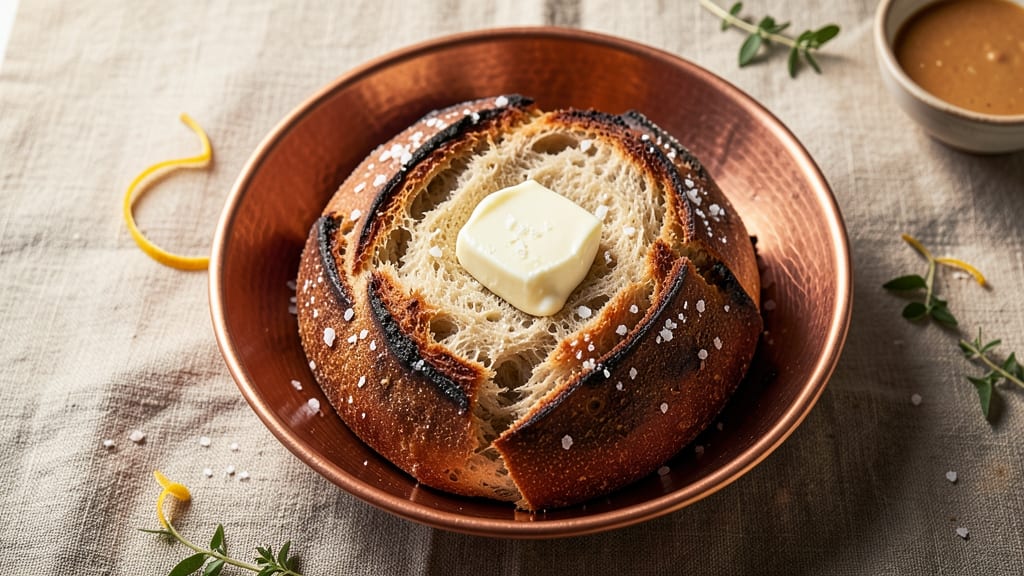
A 60-minute French bread recipe that delivers bakery-quality crust without the hours of kneading—this is the game-changer you’ve been waiting for.
The secret lies in a simple dough formula and strategic timing: just 10 minutes of prep, 45 minutes of hands-off rising, and 20 minutes in the oven for a crispy, golden loaf with an airy interior.
I’ve perfected this method after years of experimenting, and it never fails to impress, even for beginners.
The key to authentic flavor and texture is using high-protein bread flour, a warm environment for proofing, and steam during baking to create that signature crackly crust.
Unlike traditional French bread recipes, this version skips the labor-intensive kneading by relying on a no-knead technique—ideal for busy weeknights but still packed with professional results. The dough develops naturally while you handle other tasks, making it a foolproof method for consistent outcomes.
What you’ll end up with is a crusty exterior with a shatteringly crisp shell and a soft, chewy interior, all achieved in under an hour. The aroma alone will transform your kitchen into a bakery, and the satisfying crack of the crust when you slice into it is pure satisfaction.
This recipe is designed to be your go-to for sandwiches, dipping, or simply enjoying with butter and jam.
Perfect for feeding a family, meal prepping, or gifting a freshly baked loaf, this 60-minute French bread proves that artisan-quality bread doesn’t require all day. Let’s get started—your kitchen is about to smell like a Parisian boulangerie.
Ingredients for 60 minute french bread
High-protein flour and strategic timing transform simple pantry staples into bakery-style French bread in under an hour.
| Ingredient | Amount | Notes |
|---|---|---|
| High-Protein Bread Flour 🌾 | 4 cups | King Arthur or similar preferred |
| Active Dry Yeast 🍞 | ¼ oz | Or 2.5g for precision |
| Warm Water 💧 | 1 ½ cups | 110°F for optimal activation |
| Granulated Sugar 🍚 | 1 tbsp | Enhances yeast activation |
| Kosher Salt 🧂 | 1 ½ tsp | Diamond Crystal preferred |
| Unsalted Butter 🧈 | 2 tbsp | Cold, cubed for flavor |
| Olive Oil 🫒 | 1 tbsp | Extra-virgin for richness |
| Ice Water ❄️ | ½ cup | For final dough temperature |
| Cornmeal 🌽 | ¼ cup | For dusting parchment |
| Coarse Sea Salt 🧂 | ½ tsp | For final crust sprinkle |
| Egg Wash 🥚 | 1 whole | Optional for golden finish |
The high-protein bread flour is non-negotiable here—look for brands like King Arthur or Cup4Cup with 12-14% protein content. Your local grocery store's bread flour won't cut it; this is where the crust gets its signature snap. Penzeys or bulk bins at specialty stores are great for quality yeast—check the expiration date, because stale yeast is the #1 reason dough fails to rise. For the water, 110°F is ideal—too hot kills yeast, too cold slows activation. I microwave mine for 45 seconds to hit the perfect temp. The butter should be cold; if it's melted, chill it for 20 minutes before adding.
No yeast on hand? Instant yeast works 1:1, but don't substitute baking powder—it won't create the same gluten structure. Short on olive oil? Melted butter at the same quantity works, though the flavor will be slightly different. The ice water is crucial for controlling final dough temperature—aim for 78-80°F. Too warm and the yeast overproofs; too cold and it won't rise properly. For the egg wash, beat the egg with 1 tsp water for better brush coverage. And if you're making multiple loaves, divide the dough evenly—uneven weights mean uneven baking times.
This dough keeps beautifully for 24 hours in the fridge, proofed and shaped, ready to bake when you are. For longer storage, shape the dough, wrap tightly in plastic, and freeze for up to 3 months. Thaw overnight in the fridge before proofing. The baked loaves stay fresh for 3 days at room temperature if you wrap them in a clean kitchen towel. For reheating, 5 minutes at 350°F restores that bakery-fresh crunch. And pro tip: slice with a serrated knife—it makes all the difference in that satisfying crack.
Why You'll Love This Recipe
- No-Knead Magic: I’ll admit, I was skeptical about skipping the knead—but that high-protein flour does all the work for you. Just mix, let it rise, and bake. The dough stretches so effortlessly when shaping, and the crust turns golden in under an hour. (Yes, even on a Tuesday night.)
- Crust That Cracks: Between us, the secret’s in the steam. That first bite? The outside shatters like a perfect baguette, while the inside stays pillowy. The yeast and sugar combo gives it a subtle sweetness that makes it disappear faster than my willpower on Friday mornings.
- Meal Prep MVP: Toss a loaf in the freezer fresh out of the oven—it thaws in 15 minutes and toasts like it was just baked. I keep two on hand: one for sandwiches, one for dipping in olive oil and salt. (My kids call it "the fancy bread," but they’re not wrong.)
- Pocketbook-Friendly Staple: Five ingredients, zero specialty items. That high-protein flour might sound fancy, but it’s cheaper than buying pre-made loaves—and it lasts forever. A single batch feeds my family for days, and the leftovers? Perfect for croutons or garlic bread scraps. (No waste, all flavor.)
Step-by-step instructions for artisan French bread
This no-knead method delivers bakery-style crust in under an hour—no experience needed.
Activate the Yeast for Maximum Rise
In a small bowl, combine the 1.5 cups warm water (should feel like bathwater, 110°F) with the 1 tablespoon granulated sugar and 0.25 oz active dry yeast. Let sit for 5-10 minutes until frothy—this confirms your yeast is alive. If it doesn't bubble, start over with fresh yeast.
Here's the thing—warm water activates yeast faster than room temperature, but too hot kills it instantly. I always test the water by dipping my finger in; it should feel pleasantly warm, not scalding. Once frothy, proceed immediately to avoid overproofing.
Mix Dough with Minimal Handling
In a large bowl, whisk together the 4 cups high-protein bread flour and 1.5 teaspoons kosher salt. Add the yeast mixture, 1 tablespoon olive oil, and 2 tablespoons cold cubed butter to the dry ingredients. Use a wooden spoon to gently combine until a shaggy dough forms—don't overmix or you'll develop too much gluten.
I like to press the dough down with my fingers to check consistency. It should be tacky but not sticky enough to cling to your hands. If it's too dry, add 1 teaspoon ice water at a time until just combined. The butter should remain cold in chunks, not melt into the dough.
Let Dough Rest for Optimal Texture
Cover the bowl with plastic wrap and let the dough rest at room temperature for 30 minutes. This initial rest allows the flour to fully hydrate and gluten to relax slightly. You'll notice the dough becomes smoother and more cohesive—this is your cue it's ready for shaping.
Don't skip this step (I learned the hard way). Skipping the rest leads to dense bread because the gluten hasn't had time to relax. The dough should pull away from the sides of the bowl slightly and feel more pliable when you press it gently.
Shape and Proof for Perfect Crust
Lightly flour a clean surface and turn out the dough. Gently fold it over itself 3-4 times to strengthen the gluten without kneading. Shape into a tight log about 12 inches long and 2 inches wide, tapering slightly at the ends. This shape creates those beautiful crusty ridges when baked.
Place the shaped dough on a parchment-lined baking sheet dusted with 0.25 cup cornmeal. Cover loosely with plastic and let proof at room temperature for 20-25 minutes until nearly doubled in size. The dough should feel springy when pressed gently—if it springs back slowly, it's ready for the oven.
Bake for Crispy Crust and Airy Crumb
Preheat your oven to 425°F with a baking stone or inverted baking sheet inside for 20 minutes. Brush the dough with the 1 whole egg wash (optional but worth it for that golden finish), then sprinkle generously with 0.5 teaspoon coarse sea salt. Bake for 25-30 minutes until deep golden brown.
Here's the moment that matters: the bread should sound hollow when tapped on the bottom. If the top browns too quickly, tent with foil for the last 5 minutes to prevent burning. The internal temperature should reach 190-200°F—this ensures proper doneness without drying out.
Pro Tips For Making 60 Minute French Bread
- Bloom the Yeast First: Skip mixing yeast with flour—it dies faster. Instead, whisk warm water (110°F), sugar, and yeast in a bowl for 5-10 minutes until frothy. This guarantees your dough rises on time, not later.
- Measure Flour Right: Use the spoon-and-level method with high-protein bread flour—pack it gently, then scrape off excess. Too much flour makes dense bread; too little ruins structure. A kitchen scale? Worth it.
- Don’t Over-Knead: The dough should spring back slowly when poked (about 5-6 minutes by hand). I learned this the hard way—overworking it turns chewy bread into rubber. Stop when it’s just shy of smooth.
- Preheat Dutch Oven: Place your Dutch oven in the oven with the lid off while preheating to 475°F. This ensures the pot gets scorching hot—critical for that signature crust. Cold pots = sad bread.
Perfect pairings for this 60 minute french bread
Butter & Jam
There's nothing quite like warm French bread slathered with European-style cultured butter—I recommend Plugrá or Kerrygold for that rich, slightly tangy flavor. Pair it with your favorite jam: strawberry for classic sweetness or fig for sophisticated depth.
For a gourmet touch, try seeded mustard butter—mix softened butter with 1 tsp Dijon mustard and 1 tsp poppy seeds. 🧈
Cheese & Charcuterie
Transform your bread into a charcuterie board by pairing it with aged Gruyère, brie, or smoked Gouda. Add cured meats like prosciutto di Parma or genoa salami for a perfect balance of textures.
I love arranging cornichons and olives alongside for acidity and crunch. For a sweet-savory combo, top with whipped goat cheese and honey drizzle.
Soup & Stew Dippers
French bread is ideal for soaking up rich soups and stews. Try it with French onion soup or tomato basil soup for a comforting meal. For heartier options, pair with beef bourguignon or lentil stew.
The crispy crust helps thicken the broth, creating the perfect bite. I always keep a loaf on hand when making homemade minestrone—it's a game-changer. 🍲
Breakfast Pairings
Elevate your breakfast with French bread as a side. Serve with scrambled eggs and crispy bacon for a classic combo. For something lighter, try avocado toast with a sprinkle of flaky sea salt and red pepper flakes.
I also love pairing it with shakshuka—the crusty bread soaks up the spiced tomato sauce beautifully. For a sweet start, top with ricotta and honey.
Wine & Coffee
For a sophisticated touch, pair your French bread with a dry white wine like Sauvignon Blanc or Chardonnay. The acidity cuts through the richness of butter and cheese. If you prefer coffee, a light roast with hazelnut notes complements the bread's nutty crust.
For a dessert twist, enjoy with espresso and a dark chocolate square for a decadent finish. ☕
Nutrition facts
Frequently asked questions
Why does this recipe skip traditional kneading?
This no-knead method relies on a longer initial rest period (30 minutes) to develop gluten naturally through hydration and time, not manual labor. The gentle folding during shaping strengthens the dough's structure without overworking it—perfect for busy schedules while still delivering that signature crispy crust. The secret is high-protein flour and precise temperature control.
Can I make this dough ahead of time?
Shape the dough into a log, wrap tightly in plastic, and refrigerate for up to 24 hours before proofing. For longer storage, freeze the shaped dough (unproofed) for 3 months. Thaw overnight in the fridge before proofing and baking. This makes it perfect for meal prep or holiday baking.
What if my dough doesn't rise enough?
Check your yeast first—it must be fresh and stored properly. If the water was too hot (>120°F), it killed the yeast. For future attempts, try a warmer room (75-80°F) for proofing, or add 1/4 teaspoon extra yeast. Never skip the 30-minute rest after mixing—this is when gluten develops and the dough becomes active.
How do I get that perfect bakery crust?
Steam is your best friend! Place a baking sheet in the oven before preheating, then pour 1 cup hot water into it when loading the bread. The steam creates that crackly exterior while keeping the interior soft. Also, score the dough deeply with a razor before baking—this directs the oven's heat and creates those beautiful ridges.
Can I make this recipe without a baking stone?
Yes! Use an inverted baking sheet on the middle rack instead. For extra crispiness, place the dough on a preheated sheet of parchment paper. If your oven runs hot, reduce temperature to 400°F and bake for 30-35 minutes, checking frequently. The key is maintaining that 190-200°F internal temperature.