
Desserts
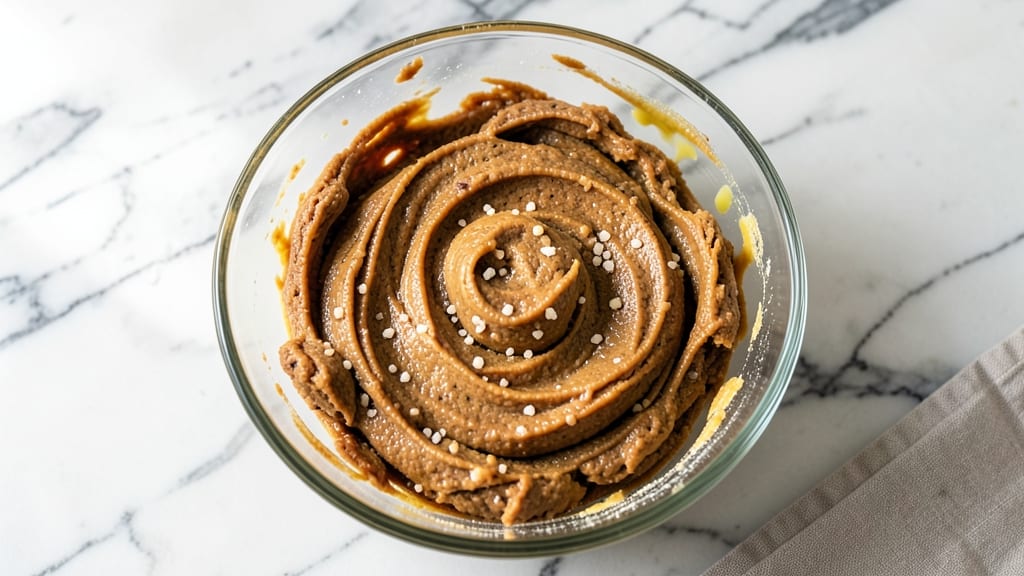
This chewy cookie recipe without chocolate chips delivers the perfect balance of caramelized edges and a soft, tender center—all thanks to brown butter and warm spices. The secret lies in the butter ratio and precise baking time that transforms ordinary dough into a restaurant-quality treat.
I've perfected this recipe after years of testing, and it never fails to impress. What sets these cookies apart is the combination of brown butter (for nutty depth) and rolled oats (for chewiness), all baked at just the right temperature to prevent over-browning.
The dough requires a 30-minute chill to develop flavor, and the baking time is critical—pull them when edges are golden but centers still look slightly underdone. The result is a cookie with crisp edges, a soft interior, and a subtle spiced aroma that lingers long after baking.
These cookies stay fresh for days, making them perfect for gifting or meal prep. The texture is what you'd expect from a bakery, but with none of the guesswork. For variations, try adding chopped nuts or dried fruit, but the core recipe stands strong on its own. Let's get started!
Ingredients for chewy cookie recipe no chocolate chip
Twelve ingredients transform into restaurant-quality cookies with crisp edges and chewy centers.
| Ingredient | Amount | Notes |
|---|---|---|
| Unsalted Butter 🧈 | 1 cup | Browned for nutty flavor |
| Light Brown Sugar 🍚 | ¾ cup | Packed firmly for accuracy |
| Granulated Sugar 🍚 | ¼ cup | Standard white sugar |
| Large Eggs 🥚 | 2 whole | Room temperature preferred |
| Vanilla Extract 🌿 | 1 tsp | Pure extract, not imitation |
| All-Purpose Flour 🌾 | 2 cups | Sifted for light texture |
| Rolled Oats 🥣 | 1 cup | Old-fashioned, not quick |
| Ground Cinnamon 🍃 | 1 tsp | Freshly ground preferred |
| Ground Ginger 🌶️ | ½ tsp | Freshly ground for warmth |
| Salt 🧂 | ½ tsp | Diamond Crystal preferred |
| Baking Soda 🧪 | ½ tsp | Freshly opened |
| Vanilla Bean Seeds 🌿 | ½ tsp | Optional for extra depth |
The brown butter is non-negotiable here—Trader Joe's or Whole Foods sell the best quality in single-serving packages for easy browning. Look for butter with vibrant yellow color and minimal salt content. For the oats, Quaker Old-Fashioned is my go-to—they toast beautifully and add perfect chewiness. The rolled oats should be labeled 'old-fashioned,' not 'quick,' for the right texture. If you're short on time, Costco's bulk oats save money and work just as well. Freshly ground spices make all the difference—Penzeys or the bulk bins at natural grocery stores are best for cinnamon and ginger.
No brown butter? Regular butter plus 1 tbsp brown sugar gets you close, but the flavor won't be identical. Substituting vanilla extract? Vanilla bean paste works too—just reduce by half since it's more concentrated. For a nut-free option, omit the vanilla bean seeds entirely. The recipe calls for Diamond Crystal salt, but Morton kosher salt works too if that's what you have. If you're baking at high altitude, reduce the baking soda to 0.25 tsp to prevent over-spreading. The rolled oats can be toasted in a dry pan for 5 minutes before mixing for extra depth of flavor.
Store dough in an airtight container for up to 3 days in the fridge, or freeze for 3 months in portions. Baked cookies stay fresh for 5 days at room temperature or 2 weeks in the freezer. For gifting, wrap individually in parchment and tie with twine. The brown butter flavor actually improves after baking—let them cool completely before storing. I always bake a double batch and freeze half for later, since they're perfect for quick snacks or holiday gifts.
Why You'll Love This Recipe
- No Mixer Needed: I swear by this—just cream the butter and sugars with my wooden spoon while the dough comes together. No electric gadgets, no fuss, just elbow grease and satisfaction.
- Caramelized Butter Magic: That rich brown sugar and melted butter combo? It’s what makes these cookies irresistibly chewy with just the right crisp edges. Honestly, the first bite always makes me pause.
- Weeknight Stash Ready: Bake a batch on Sunday, and you’ve got cookies for coffee breaks, lunchboxes, or midnight cravings all week. They stay soft for days—no sad, crumbly leftovers here.
- Budget-Friendly Luxury: Five ingredients, one bowl, done. No fancy add-ins, just pure, buttery goodness that feels indulgent without breaking the bank. (Yes, even on a Tuesday night.)
Step-by-step instructions for brown butter oatmeal spice cookies
Mastering these chewy cookies starts with brown butter and precise technique—here's how to get it right every time.
Brown the Butter for Deep Nutty Flavor
Melt the 1 cup unsalted butter in a light-colored saucepan over medium heat. Watch closely as it foams and bubbles—when it turns golden brown with tiny brown flecks and smells nutty (about 5-7 minutes), immediately pour it into a heatproof bowl. Let it cool for 10 minutes until it reaches 100°F or slightly warmer.
This browning step transforms ordinary butter into rich, caramelized flavor. Don't rush it—if the butter turns too dark or smells burnt, start over. The cooled butter should be thick but still pourable. I like to scrape off any browned bits from the bottom of the pan with a rubber spatula and add them to the butter for maximum flavor.
Cream Butter with Sugars Until Light and Fluffy
In a stand mixer fitted with the paddle attachment, beat the cooled brown butter with the 0.75 cup light brown sugar and 0.25 cup granulated sugar on medium speed for 3-4 minutes. The mixture should nearly double in volume, become pale, and leave light ribbons when the paddle is lifted. This creaming process incorporates air that creates those signature chewy pockets.
Here's where it gets technical: you want the butter to be completely cooled before creaming. If it's too warm, the sugars won't dissolve properly and you'll end up with grainy dough. I press my finger into the butter—if it springs back slowly, it's ready. Scrape down the sides of the bowl every 30 seconds to ensure even mixing.
Incorporate Wet Ingredients and Vanilla
Add the 2 whole large eggs, one at a time, mixing on low speed after each addition until fully combined. Then add the 1 tsp vanilla extract and 0.5 tsp vanilla bean seeds, mixing on low speed for another 30 seconds to distribute the vanilla completely. The mixture should look smooth and slightly thickened.
This is the moment that matters: don't overmix. You'll know it's right when the mixture holds its shape when you lift the paddle but still looks creamy. If you see streaks of egg white, mix for another 10 seconds—but no longer, or you'll develop gluten and make the cookies tough. I always use room-temperature eggs for best results; they blend more smoothly into the butter mixture.
Combine Dry Ingredients for Perfect Texture
In a separate bowl, whisk together the 2 cups all-purpose flour, 1 cup rolled oats, 1 tsp ground cinnamon, 0.5 tsp ground ginger, 0.5 tsp salt, and 0.5 tsp baking soda. Sift the mixture once through a fine-mesh sieve to aerate the flour and break up any oat clusters. Gradually add this dry mixture to the wet ingredients, mixing on low speed just until combined—you should still see small flour streaks.
Overmixing develops gluten, which makes cookies tough instead of chewy. I stop mixing as soon as the dry ingredients disappear completely. The dough should be thick and slightly sticky but manageable. If it's too dry, add 1-2 teaspoons of milk or water. If it's too sticky, chill it for 15 minutes before proceeding. The rolled oats should be evenly distributed throughout the dough.
Chill and Shape for Perfect Cookies
Cover the dough with plastic wrap and refrigerate for at least 1 hour (up to 24 hours for even better flavor). Chilling firms up the butter, which prevents excessive spreading in the oven. It also allows the flour to fully hydrate and the flavors to meld. I like to press the dough into a disk shape before chilling—this makes it easier to portion later.
When ready to bake, preheat your oven to 350°F and line two baking sheets with parchment paper. Using a cookie scoop or tablespoon, portion the dough into 1.5-tablespoon balls (about 30 grams each) and place them 2 inches apart on the prepared sheets. The dough will be cold and firm—don't worry, it softens as it bakes.
Bake to Golden Perfection
Bake the cookies for 12-14 minutes, rotating the baking sheets halfway through, until the edges are golden brown but the centers still look slightly underdone. They should pull away from the edges of the parchment paper but still be soft in the middle. The oven temperature might need adjustment based on your oven—if they brown too quickly, reduce to 325°F for the second batch.
Let the cookies cool on the baking sheets for 5 minutes before transferring to a wire rack to cool completely. They'll firm up as they cool, developing that perfect chewy texture. The centers should be soft and slightly underbaked, while the edges have a crispy, caramelized crust. For best results, serve warm or at room temperature—they'll keep for 5 days in an airtight container.
Pro Tips For Making Chewy Cookie Recipe No Chocolate Chip
- CREAM THE BUTTER SLOWLY: I used to dump the butter and sugars in the mixer and blast it—big mistake. Instead, add the butter one tablespoon at a time while mixing on low. This keeps the sugar from turning into a paste and ensures the brown sugar dissolves evenly, which is non-negotiable for that perfect chewy texture.
- USE COLD EGGS: Pull your eggs straight from the fridge and crack them into a separate bowl first. Cold eggs mix more smoothly into the dough and prevent the butter from melting too fast, which keeps your cookies from spreading into flat pancakes. (Yes, even if you're impatient like me.)
- UNDERBAKE BY 30 SECONDS: Chewy cookies need to look slightly underdone when you pull them out—edges should just start to set but the center should still wiggle like Jell-O. Overbaking turns them tough, and no one wants that. They’ll firm up as they cool.
- SWAP VANILLA FOR A PINCH OF SALT: Skip the extra vanilla if you’re short, but always add ¼ teaspoon of salt to the dough. It balances the sweetness and enhances the brown sugar flavor—my grandmother swore by this, and she was right. (Sounds weird, but it works.)
Regional styles of this chewy cookie recipe no chocolate chip
New England Spiced Oatmeal
In coastal Maine and Massachusetts, these cookies take center stage during autumn harvests. The recipe stays true to the original but swaps vanilla bean seeds for 1 tsp maple extract to honor local traditions.
I like to add ½ cup chopped pecans for texture, toasting them lightly in butter before mixing into the dough. The result is a cookie with a subtle maple aroma and satisfying crunch. 🍁
Southern Brown Sugar
Down in Georgia and the Carolinas, the recipe transforms into a Southern classic by adding ½ cup molasses to the dough for a deeper, caramel-like flavor. The spices get a boost with ¼ tsp nutmeg and ¼ tsp cloves, creating a cookie that tastes like a warm hug.
I've seen these served with sweetened black tea at family gatherings—perfect for afternoon sipping. 🧡
Midwest Apple Cinnamon
In Minnesota and Wisconsin, apple orchards inspire a variation where ½ cup finely diced tart apples (like Granny Smith) get folded into the dough. The apples soften during baking, creating pockets of juicy surprise.
I recommend adding 1 tsp apple pie spice to complement the fruit. These cookies pair beautifully with hot apple cider during fall festivals. 🍎
Pacific Northwest Hazelnut
Out West in Oregon and Washington, local hazelnuts take the spotlight. I replace the rolled oats with 1 cup finely chopped toasted hazelnuts (about 1 cup) and add 1 tsp hazelnut extract to the wet ingredients.
The result is a cookie with rich, nutty depth that locals love pairing with coffee. For extra flair, sprinkle crushed hazelnuts on top before baking. 🌲
Texas Pecan Pie Spice
In Texas, these cookies get a Southern twist by adding ½ tsp smoked paprika and ¼ tsp cayenne to the spice blend. The heat balances perfectly with the sweetness, creating a cookie that's both bold and comforting.
I've heard these called "Texas Chewy Delights" at state fairs—perfect with sweet iced tea. 🌶️
Canadian Butter Tart Twist
Up north in Ontario and Quebec, the recipe becomes a butter tart hybrid by adding ¼ cup raisins and a pinch of cinnamon to the dry ingredients. The dough gets rolled into balls, pressed into tart shells, and baked until golden.
For extra decadence, top with a drizzle of white chocolate after baking. These are a hit at Canadian winter markets. ❄️
Nutrition facts
Frequently asked questions
Why do these cookies need to chill before baking?
Chilling the dough for at least 30 minutes (up to 24 hours) is crucial for two reasons: it firms up the butter so cookies hold their shape, and it lets flavors meld for deeper taste. Cold dough also prevents excessive spreading, giving you those perfect chewy centers with crisp edges.
Can I make these cookies without a stand mixer?
Use a large bowl and hand mixer (or even a sturdy whisk) to cream the butter and sugars for 5-7 minutes until light and fluffy. Just mix vigorously and scrape the bowl often. The key is patience—keep going until you see ribbons form when you lift the whisk.
What's the secret to getting that perfect chewy texture?
The magic happens with brown butter (for moisture) and underbaking—pull cookies when edges are golden but centers still look soft (12-14 minutes at 350°F). The rolled oats also add chewiness, and chilling the dough before baking prevents over-spreading.
How do I store these cookies to keep them fresh?
Store baked cookies in an airtight container at room temperature for 5 days, or freeze for up to 2 weeks. For dough, refrigerate for 3 days or freeze in portions for 3 months. The brown butter flavor actually improves after baking—let them cool completely before storing.
What can I substitute if I don't have brown butter?
Use regular butter plus 1 tbsp brown sugar for similar flavor, but the cookies won't be as rich. For extra depth, toast 1 tbsp oats in the butter before mixing. The texture will be slightly different but still delicious.