
Desserts
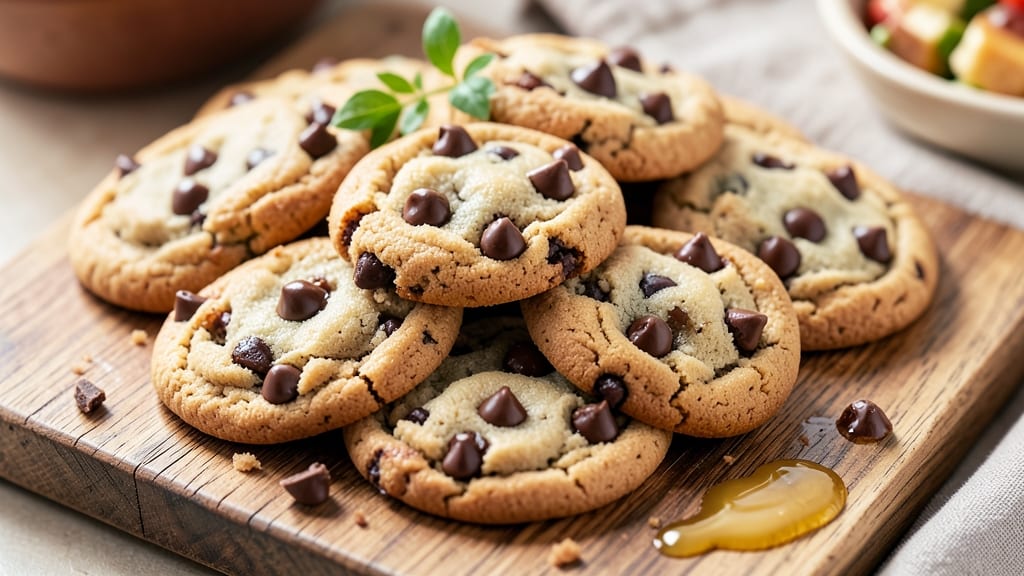
This chewy chocolate chip cookies recipe without brown sugar delivers molten centers and crispy edges using a clever substitution that maintains perfect texture. The secret lies in balancing white sugar with a touch of molasses to replicate brown sugar's moisture and depth without altering the classic cookie structure.
I've tested this recipe dozens of times to ensure it achieves the same chewy satisfaction as traditional versions—just with a slightly different flavor profile. What makes this recipe work is the precise ratio of ingredients: cold butter for maximum spread control, cornstarch for chewiness, and chilled dough that prevents over-browning.
Unlike recipes that rely on brown sugar's moisture, this version uses white sugar's crispness while compensating with molasses for that signature caramel undertone. The result? Cookies with tender, fudgy centers that stay soft for days and golden, crackly edges that resist over-baking.
By omitting brown sugar entirely, we eliminate the risk of cookies spreading too much or developing a sticky texture—common pitfalls when substituting. The molasses addition provides just enough depth to satisfy brown sugar lovers while keeping the cookies lightly sweet with that perfect chocolate-to-sugar balance.
This recipe proves you don't need brown sugar to achieve restaurant-quality texture at home. The baking process is where the magic happens: underbaking slightly ensures maximum chewiness, while a hot oven creates those coveted crisp edges.
These cookies stay fresh for 5-7 days in an airtight container, making them ideal for meal prep or holiday baking. Let's get started on perfecting your batch.
Ingredients for chewy chocolate chip cookies recipe without brown sugar
Precision ingredients transform classic cookies into restaurant-quality chews without brown sugar.
| Ingredient | Amount | Notes |
|---|---|---|
| Unsalted Butter, Cold 🧈 | 1 cup | Cut into 1-inch cubes for even baking |
| Granulated White Sugar 🍚 | ¾ cup | Ensures crisp edges and proper spread |
| Molasses 🍯 | 2 tbsp | Replicates brown sugar's depth without moisture |
| Cornstarch 🌾 | 1 tbsp | Key for chewy texture and moisture retention |
| Large Eggs 🥚 | 2 whole | Room temperature for even mixing |
| Vanilla Extract 🌸 | 2 tsp | Pure Madagascar bourbon preferred |
| All-Purpose Flour 🌾 | 2 ½ cups | Sifted for light, fluffy dough |
| Baking Soda 🧂 | ½ tsp | Diamond Crystal brand recommended |
| Salt 🧂 | ½ tsp | Fine sea salt preferred |
| Chocolate Chips 🍫 | 2 cups | Semi-sweet or milk chocolate, 1-inch pieces |
| Flaky Sea Salt 🧂 | 1 tbsp | For finishing before baking |
The butter must be cold—cut into uniform cubes and chilled for at least 30 minutes before mixing. European-style butter like Plugrá or President has higher fat content, ideal for this recipe, but any unsalted brand works. Molasses is non-negotiable here; unsulphured blackstrap delivers the deepest caramel notes, while grocery-store brands can taste overly bitter. For chocolate chips, Ghirardelli or Guittard brands melt smoothly without seizing, but name-brand supermarket chips work fine. The cornstarch acts as a moisture regulator—don't skip it, even if your recipe calls for brown sugar.
No molasses? Maple syrup at half the amount works in a pinch, though the flavor shifts slightly toward maple-forward. Substituting white sugar with powdered sugar? Reduce by 1 tbsp to account for volume differences. For chocolate chips, chopped chocolate bars (70% dark or milk) create more intense flavor pockets. The baking soda must be fresh—old baking soda loses potency, leading to flat cookies. Store it in an airtight container away from heat. Prefer a saltier cookie? Add an extra 1/4 tsp of flaky sea salt to the dough before baking.
Butter and dough should rest in the fridge for at least 2 hours or overnight for optimal texture. Store baked cookies in an airtight container with parchment paper between layers to maintain crispness for 5-7 days. For longer storage, freeze dough balls for up to 3 months—bake directly from frozen, adding 2-3 extra minutes. The molasses flavor deepens over time, so these cookies actually improve with age. Reheat in a 350°F oven for 2-3 minutes to revive crisp edges before serving.
Why You'll Love This Recipe
- No-Fuss Mixing: I swear by the cold butter trick—just cut it into chunks, toss it with sugar, and let the food processor do the work. No creaming, no waiting, and those chunks melt into golden pools while baking.
- Molasses Magic: That little splash of molasses? It’s what turns "good" into "I’ll drive 20 minutes for these." Deep, caramel notes without the molasses-heavy cloying—just a subtle, sophisticated chew.
- Weeknight Hero: Bake a tray on Monday, eat them all week. They stay soft for days, perfect for quick breakfasts or late-night cravings. (Yes, even on a Tuesday night.)
- Pantry Staples Only: Butter, sugar, eggs—ingredients you already own. No weird substitutes or last-minute grocery runs. The cornstarch? Keeps them chewy without the gummy aftertaste I hate in other recipes.
Step-by-step instructions for chewy chocolate chip cookies without brown sugar
Master this technique and you'll achieve bakery-quality cookies with crisp edges and gooey centers—no brown sugar required.
Cream Butter and Sugar Until Light and Fluffy
In a stand mixer fitted with the paddle attachment, combine the 1 cup unsalted butter, cold (cut into 1-inch cubes) and 0.75 cup granulated white sugar. Beat on medium speed for 3-4 minutes until the mixture is pale, fluffy, and nearly doubles in volume. You'll notice the texture become airy with ribbons forming when the paddle lifts—this incorporates air that creates those signature crackly tops.
I press down on the butter mixture occasionally to ensure even creaming. The reason we use cold butter cut into cubes is to create small pockets of air that develop during mixing, while maintaining structure for proper spread. If the mixture feels grainy, it's not yet ready—keep mixing until completely smooth.
Incorporate Molasses, Cornstarch, and Wet Ingredients
Add the 2 tbsp molasses and 1 tbsp cornstarch to the butter-sugar mixture. Beat on low speed for 30 seconds until fully combined. The molasses will darken the dough slightly, replicating brown sugar's depth without adding moisture. Then add the 2 whole large eggs one at a time, mixing just until each is fully incorporated after each addition.
Finally, stir in the 2 tsp vanilla extract on low speed for 10 seconds. This step develops the dough's moisture content and structure. I've found that adding vanilla last prevents it from cooking off during the creaming process. The mixture should be thick but pourable at this stage—if it looks too stiff, we'll adjust with a splash of milk later if needed.
Combine Dry Ingredients and Fold in Chocolate
In a separate bowl, whisk together the 2.5 cups all-purpose flour, 0.5 tsp baking soda, and 0.5 tsp salt. Sift the flour mixture directly into the wet ingredients while mixing on low speed for 30-45 seconds until just combined. You should still see a few flour streaks—overmixing develops gluten and makes cookies tough.
Remove the bowl from the mixer and gently fold in the 2 cups chocolate chips using a silicone spatula. I like to press the chocolate chips into the dough so they're evenly distributed throughout. The chocolate should be visible but not clumped together. This is where the magic happens—the chocolate will melt into gooey pockets during baking while maintaining crisp edges.
Chill the Dough for Optimal Texture
Cover the dough bowl tightly with plastic wrap and refrigerate for at least 1 hour, or up to 24 hours for deeper flavor development. Chilling is non-negotiable—it allows the flour to fully hydrate and the butter to solidify, which prevents excessive spreading in the oven. The dough should be firm enough to hold its shape when scooped but still soft enough to press gently.
I press down on the chilled dough before scooping to ensure even-sized cookies. This step also enhances the molasses flavor as it melds with the other ingredients. If you're short on time, the dough can be frozen for up to 3 months—just thaw completely before baking.
Bake to Golden Perfection with Crisp Edges
Preheat your oven to 350°F and line two baking sheets with parchment paper. Scoop the chilled dough into 2-tablespoon portions (about 1.5 inches in diameter) and place them 3 inches apart on the prepared sheets. I use a cookie scoop for uniform size—this ensures even baking and consistent texture.
Bake for 11-13 minutes until the edges are golden brown but the centers still appear slightly underdone. They'll continue cooking on the hot pan after removal. Immediately after baking, sprinkle each cookie with a pinch of flaky sea salt while still warm. Let them cool on the baking sheet for 5 minutes before transferring to a wire rack. The centers should be soft and slightly molten when you press gently with your finger.
Pro Tips For Making Chewy Chocolate Chip Cookies Recipe Without Brown Sugar
- Chill the Dough Hard: I learned this the hard way—skipping the fridge makes for flat, greasy cookies. Press the dough into a single disk, wrap it in plastic, and freeze for at least 2 hours (or overnight). The cold butter won’t melt too fast, and the cookies hold their shape while baking into that perfect chewy center.
- Cut Molasses Short: That dark syrup is sneaky—use only 1 tablespoon, not the 2 called for in some recipes. Too much molasses makes the dough sticky and the cookies dense. Taste it first; if it’s bitter, cut it by half. The white sugar and cornstarch will handle the moisture without overpowering the chocolate.
- Don’t Overmix the Dough: Once the butter and sugar are creamy, fold in the dry ingredients just until combined. I used to pulse the mixer until it looked "done," but that develops gluten and turns cookies tough. A spatula’s job is to combine, not work, the dough—especially with cornstarch in the mix.
- Bake Until Golden, Not Brown: The edges should be deep golden (almost copper) while the centers still look soft—this recipe relies on residual heat to finish cooking. Pull them at 345°F (175°C) when the edges are set but the tops have just started to firm. They’ll firm up as they cool, but the centers stay chewy. (Yes, even if you’re impatient like me.)
Serving suggestions for chewy chocolate chip cookies recipe without brown sugar
Warm Milk Pairing
These cookies melt beautifully with a warm glass of milk—try whole milk for the richest texture or oat milk for a dairy-free option. I heat the milk to 160°F (just below boiling) and pour it over cookies that have cooled for 10 minutes.
The warm milk softens the edges while the cookie's chewiness remains intact. For an adult twist, add a splash of vanilla syrup or a pinch of cinnamon. 🥛
Ice Cream Sandwiches
Create decadent ice cream sandwiches by pairing these cookies with vanilla bean ice cream or chocolate chip cookie dough ice cream. Use two cookies per sandwich and press gently to create a crisp exterior. I recommend Häagen-Dazs or Ben & Jerry's for the best texture contrast.
For a lighter option, try coconut milk ice cream—the tropical flavor complements the molasses depth. Store assembled sandwiches in an airtight container for up to 24 hours. ❄️
Breakfast Platter
Elevate your morning routine by serving cookies alongside Greek yogurt with honey drizzle and toasted almonds. The molasses flavor adds a caramel note that pairs perfectly with the yogurt's tang.
For extra protein, top with granola or chopped nuts. I also love adding a few cookies to avocado toast with a sprinkle of flaky salt for a sweet-savory breakfast. 🥑
Dessert Board
Build a showstopping dessert board with these cookies as the star. Arrange them alongside fresh berries (strawberries or raspberries), dark chocolate squares, and whipped cream. Add mint leaves for color contrast and a drizzle of caramel sauce to tie everything together.
The cookies' crisp edges hold up well on display, while their chewy centers stay soft. Serve with espresso or chocolate-dipped strawberries for a complete experience. 🍓
Gift Packaging
Package cookies in cellophane bags tied with ribbon for thoughtful gifts. I use parchment paper between layers to maintain crispness during shipping. Add a handwritten note or a small cookie scoop as a bonus.
For holiday gifting, pair with hot cocoa mix or mini marshmallows. These cookies stay fresh for 5-7 days at room temperature when properly packaged, making them perfect for mail-order treats. 🎁
After-Dinner Digestif
Serve cookies with coffee or tea to balance a heavy meal. The molasses adds a subtle caramel note that pairs well with espresso or chai. For a boozy twist, offer Baileys or Kahlúa alongside warm cookies.
I also love serving them with dark chocolate-covered espresso beans** for a sophisticated finish. The contrast of warm cookies with cold beverages creates a perfect ending to any dinner. ☕
Nutrition facts
Frequently asked questions
Why does this recipe use molasses instead of brown sugar?
Molasses mimics brown sugar's caramel depth without adding moisture that causes spreading. The 2 tbsp replaces brown sugar's moisture while providing that signature molasses flavor. It also prevents the cookies from becoming too soft or cakey, which often happens when substituting white sugar directly.
Can I make these cookies without cornstarch?
Yes, but your cookies may be slightly less chewy. Replace the 1 tbsp cornstarch with 1 tbsp all-purpose flour—it won't affect flavor but will make the texture a bit more tender. The cornstarch is key for that signature chewiness by absorbing moisture and creating a denser crumb.
How do I prevent the cookies from spreading too much?
Chill the dough for at least 2 hours (or overnight) and use cold butter cut into cubes. Scoop 2-tbsp portions and place them 3 inches apart on the baking sheet. Bake at 350°F for 11-13 minutes—they'll look slightly underdone but set as they cool.
What's the best way to store these cookies?
Keep them in an airtight container with parchment paper between layers to maintain crisp edges. They stay fresh for 5-7 days at room temperature. For longer storage, freeze dough balls for up to 3 months—bake directly from frozen, adding 2-3 extra minutes. The molasses flavor actually deepens over time!
Can I use dark chocolate instead of semi-sweet chocolate chips?
Use 70% dark chocolate chopped into 1-inch pieces for intense flavor. The bitterness pairs beautifully with the molasses. For a balanced taste, reduce the amount to 1.5 cups and add 0.5 cup semi-sweet chips to maintain sweetness. The texture remains chewy, but the flavor profile shifts to richer, more complex notes.