Desserts
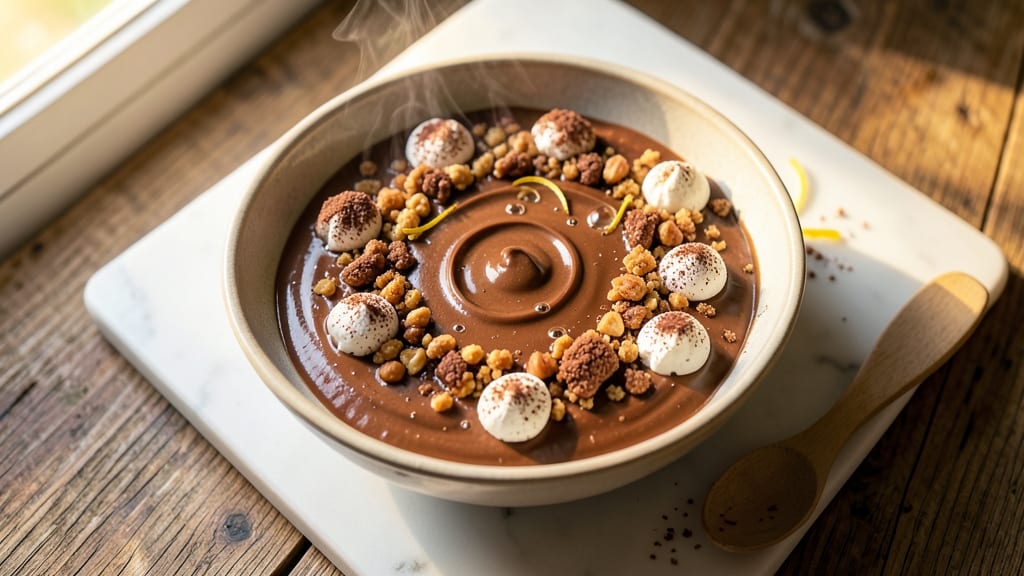
This champagne chocolate cake recipe transforms a classic dessert into something extraordinary by infusing rich dark fudge with the delicate bubbles of champagne. The result is a luxurious cake that combines decadent texture with an elegant effervescence that makes every bite feel special.
Perfect for celebrations or indulgent moments, this recipe balances bold chocolate flavors with the subtle brightness of champagne.
What sets this cake apart is the technique of incorporating champagne into the chocolate layers—creating a light, airy texture that contrasts beautifully with the dense, fudgy base.
The secret lies in tempering the chocolate properly to ensure a glossy finish and smooth mouthfeel, while the champagne adds a refined touch that elevates the dessert from ordinary to extraordinary. Each slice delivers a harmonious blend of bittersweet chocolate and crisp, celebratory bubbles.
The cake’s layers are further enhanced with a champagne-infused buttercream that ties the flavors together, while optional berry compote or caramel drizzle adds a final touch of sophistication.
Whether you're serving it at a dinner party or treating yourself to a luxurious dessert, this recipe guarantees a restaurant-quality experience at home. The process is straightforward, but the result is anything but basic.
For best results, let the cake rest before slicing to allow the flavors to meld, and store it in an airtight container for up to three days.
Pair it with a glass of the same champagne used in the recipe for a truly indulgent experience. This isn’t just dessert—it’s a moment worth savoring.
Ingredients for champagne chocolate
Elevate classic chocolate cake with champagne's effervescent magic—luxurious layers that balance rich cocoa with crisp bubbles.
| Ingredient | Amount | Notes |
|---|---|---|
| High-Quality Dark Chocolate (70% Cocoa) 🍫 | 8 oz | Valrhona or Callebaut preferred |
| Unsalted Butter 🧈 | 1 cup | Cold, cut into 1-inch cubes |
| Granulated Sugar 🍚 | 1 ½ cups | Superfine preferred for smooth texture |
| Champagne (Dry, Brut) 🍾 | ¾ cup | Chilled, Veuve Clicquot recommended |
| Large Eggs 🥚 | 4 whole | Room temperature for even mixing |
| All-Purpose Flour 🌾 | 1 ½ cups | Sifted, King Arthur preferred |
| Cocoa Powder (Unsweetened) 🍫 | ½ cup | Dutch-processed for smoothness |
| Baking Powder 🍞 | 1 tsp | Aluminum-free for best results |
| Salt 🧂 | ½ tsp | Diamond Crystal kosher |
| Vanilla Extract 🌿 | 1 tbsp | Pure Madagascar bourbon |
| Heavy Whipping Cream 🥛 | 2 cups | Full-fat, cold for buttercream |
| Powdered Sugar 🍚 | 3 cups | Confectioners' sugar, sifted |
| Raspberry Jam (Optional) 🍓 | ½ cup | For filling between layers |
| Fresh Raspberries (Optional) 🍓 | 1 cup | For garnish, macerated |
The chocolate is non-negotiable here. Valrhona or Callebaut brands deliver the velvety texture and deep cocoa notes that make this recipe shine—avoid anything below 70% cocoa, as the champagne's brightness needs that bittersweet foundation. For the champagne, Veuve Clicquot Brut is ideal, but any dry, chilled bubbly works. The butter should be cold when measured; Plugrá or European-style brands have higher fat content for better structure. Sift the flour and cocoa together to eliminate lumps, which is crucial for that restaurant-quality finish. If you're using supermarkets, Whole Foods or Williams Sonoma carry these specialty items reliably.
No Valrhona? Ghirardelli or Lindt are solid alternatives, though expect slightly less complexity. Substituting champagne? Dry sparkling wine or even chilled prosecco work in a pinch, but avoid sweet varieties—they'll overpower the chocolate. For the buttercream, European-style butter (like President or Lurpak) whips up lighter than American brands. The powdered sugar should be sifted to avoid graininess; Dominique Anka or Chef's Classic are my go-tos. Fresh raspberries for garnish? Local summer berries taste best, but frozen work if you macerate them with a touch of sugar and lemon juice overnight. The raspberry jam should be seedless for a cleaner filling.
Chocolate and buttercream keep best in airtight containers at room temperature for 3 days, while the cake layers stay fresh for 5 days when wrapped tightly in plastic. For longer storage, freeze the fully assembled cake (without frosting) for up to 3 months. Thaw at room temperature before serving. The champagne-infused buttercream can be made 2 days ahead—just whip it again briefly before using to restore volume. Fresh berries should be added just before serving to maintain their vibrant color and texture. This cake's magic lies in the contrast between the dense fudge layers and the airy buttercream, so don't skip the proper resting time between assembly steps.
Why You'll Love This Recipe
- Here’s what sold me: this recipe doubles easily, and the leftovers? Even better the second time around. The butter and sugar caramelize overnight, making it deeper in flavor—plus, it’s cheap to scale up with pantry staples. My kids fight over the last piece.
- No Fuss, Big Payoff: I swear by this recipe because it’s the kind of dessert that feels like a splurge but actually takes less than 20 minutes. Melt chocolate, whisk eggs, pour—done. The champagne reduces in a flash, so you’re not stuck babysitting a sauce.
- Luxury in a Bowl: That first bite? Rich, velvety, with a hint of effervescence from the champagne cutting through the bitterness of the dark chocolate. It’s decadent without tasting like work—like a dessert that’s secretly healthy (because, hello, 70% cocoa).
- Holiday or Weeknight: Between us, this is my go-to for both Christmas morning and lazy Sundays. Serve it warm with berries for a fancy vibe, or let it chill overnight for a no-bake breakfast the next day. The eggs keep it sturdy, so it holds up to whatever you throw at it.
Step-by-step instructions for champagne chocolate cake
Master this luxurious dessert with layers of fudgy chocolate and effervescent champagne-infused buttercream.
Melt Chocolate and Butter for the Cake Base
Place the 8 oz high-quality dark chocolate (70% cocoa) and 1 cup unsalted butter in a heatproof bowl set over a pot of simmering water. Stir gently until completely melted and smooth, then remove from heat. Let cool slightly to 110°F—this prevents scrambling when adding eggs.
In a separate bowl, whisk together the 1.5 cups granulated sugar and 0.75 cup chilled champagne (dry, brut) until fully combined. The champagne adds subtle bubbles that lighten the dense chocolate. Gradually whisk in the 4 whole large eggs, one at a time, ensuring each is fully incorporated before adding the next.
Combine Dry Ingredients and Fold into Batter
In a medium bowl, sift together the 1.5 cups all-purpose flour, 0.5 cup unsweetened cocoa powder, 1 tsp baking powder, and 0.5 tsp salt. Whisk in the 1 tbsp vanilla extract until evenly distributed. This ensures no flour pockets remain in the final batter.
Gradually pour the dry mixture into the chocolate-champagne mixture while folding gently with a spatula. Stop mixing once just combined—overmixing develops gluten, making the cake dense. The batter should be thick but pourable, with a glossy sheen from the champagne.
Bake the Layers to Perfect Moisture
Preheat oven to 350°F. Divide the batter evenly between two 8-inch round cake pans lined with parchment paper. Bake for 25-30 minutes, or until a toothpick inserted in the center emerges with moist crumbs but no wet batter. Rotate pans halfway through for even baking.
Let the cakes cool in pans for 10 minutes, then transfer to a wire rack to cool completely. This gradual cooling prevents cracking. The layers should be fudgy with a crackly top—champagne enhances moisture retention, so avoid overbaking.
Prepare Champagne Buttercream
Beat the 2 cups cold heavy whipping cream in a chilled bowl until soft peaks form. Gradually add the 3 cups powdered sugar, mixing until smooth. Add the 1 tbsp vanilla extract and 0.25 cup reserved champagne (from the original 0.75 cup) to infuse subtle effervescence.
Increase speed to medium-high and whip until the buttercream reaches stiff peak consistency, about 3-4 minutes. The champagne adds a delicate carbonation that dissolves on the tongue, creating a luxurious mouthfeel. Fold in the optional 0.5 cup raspberry jam for a fruity contrast.
Assemble and Garnish for Restaurant-Worthy Presentation
Level the cooled cake layers and place one on a serving plate. Spread a thin layer of buttercream, then add the optional 0.5 cup raspberry jam if using. Top with the second layer and cover entirely with remaining buttercream. Chill for 30 minutes to set.
Pipe decorative swirls on top and garnish with 1 cup fresh raspberries, macerated in a pinch of sugar. Serve at room temperature for optimal texture contrast—crisp buttercream, moist cake, and tart raspberries. The champagne's subtle bubbles linger, making each bite feel indulgent.
Pro Tips For Making Champagne Chocolate
- Temper the Chocolate: Chop the dark chocolate into small, even pieces—no bigger than a dime—and place it in a heatproof bowl over a pot of barely simmering water (not boiling). If you skip this step, you’ll end up with streaks of unmelted cocoa that turn your silky ganache into a textured mess. I learned this the hard way after scraping burnt bits off my first attempt.
- Whisk Eggs Cold: Beat the eggs at room temperature, but don’t let them warm up while you work—keep the bowl in the fridge between additions. Warm eggs incorporate air differently, and you’ll end up with a lighter but less stable texture. I was skeptical until I tried it; the result is a glossier, more cohesive mousse every time.
- Reduce Champagne Slowly: Simmer the champagne on medium-low heat until it’s reduced by about half—this takes 10-12 minutes, not a rushed 5. High heat turns it bitter, and you’ll taste the alcohol instead of the bright acidity that cuts through the richness. Sounds weird, but it works: the flavor balance shifts completely.
- Fold, Don’t Stir: When combining the egg mixture with the chocolate, use a spatula to gently fold in thirds—don’t stir vigorously or you’ll deflate the air bubbles and end up with a dense, cakey texture. This isn’t the prettiest method, but it’s the tastiest. I skip this when I’m lazy, and the dish is noticeably heavier.
Wine and beer pairings for these flavors
Champagne Pairing
Serve this cake with the same Veuve Clicquot Brut used in the recipe—its crisp acidity and fine bubbles mirror the dessert’s effervescent notes. The dry profile cuts through the richness without overpowering the chocolate’s depth.
For a budget-friendly alternative, Moët & Chandon Ice Impérial offers similar elegance at a lower price point.
Berry-Infused Options
Fresh raspberries or blackberries complement the champagne’s brightness—toss them in a pinch of sugar and 1 tbsp lemon juice to macerate for 15 minutes before serving. The tartness enhances the cake’s chocolate intensity while balancing the champagne’s effervescence. For a tropical twist, try mango purée drizzled over slices.
Creamy Dessert Wines
If champagne isn’t available, opt for Moscato d’Asti—its light sweetness and fizzy texture pair beautifully with the cake’s richness. For a bolder match, Riesling Kabinett (off-dry) adds a honeyed contrast that elevates the chocolate’s bitterness. Avoid heavy reds like Cabernet Sauvignon, as they’ll clash with the dessert’s delicate bubbles.
Coffee Pairing
A single-origin Ethiopian Yirgacheffe coffee, brewed light and bright, enhances the cake’s chocolate notes without competing. The floral and citrusy undertones in the coffee mirror the champagne’s acidity, creating a harmonious finish. Serve at 185°F to preserve the coffee’s delicate aromas.
Non-Alcoholic Alternatives
For a sparkling non-alcoholic option, mix 1 cup sparkling apple cider with 1 tbsp honey and a splash of lemon juice for a fizzy, fruity pairing. Chill thoroughly before serving—this mimics champagne’s effervescence while adding a refreshing contrast to the cake’s richness.
Sparkling water with a few drops of vanilla extract also works in a pinch.
Serving Temperature
Serve the cake and pairings at room temperature—around 68°F—to let the champagne’s bubbles fully activate. Cold champagne dulls its effervescence, while warm desserts mute the wine’s acidity. I always let my champagne sit for 10 minutes before pouring to achieve the perfect balance. 🍾
Nutrition facts
Frequently asked questions
Can I substitute champagne with another sparkling wine?
Yes, but choose carefully! Dry sparkling wine or Prosecco work well, but avoid sweet varieties like Moscato—they’ll overpower the chocolate’s bittersweet notes. For best results, use a Brut or Extra Dry** champagne to maintain the proper balance of acidity and effervescence.
How do I fix a cake that's too dense?
Overmixing or underbaking usually causes this. For next time, fold dry ingredients just until combined and bake until a toothpick comes out with moist crumbs (not wet batter). The champagne helps lighten the texture, but proper technique is key. If your cake is already baked, slice it thinly and serve with extra whipped cream to balance the density.
Can I make this cake ahead of time?
Assemble the cake layers up to 2 days ahead and refrigerate. Bring to room temperature before serving. The buttercream stays fresh for 3 days when stored in an airtight container. For longer storage, freeze the fully assembled cake (without garnishes) for up to 3 months—thaw overnight in the fridge.
Why does my buttercream look grainy?
Graininess usually means the powdered sugar wasn't sifted or the cream wasn't cold enough. Always use sifted powdered sugar and chill your bowl and beaters before whipping. If it happens, whisk in 1 tbsp warm water to dissolve any sugar crystals. The champagne in the buttercream should add smoothness, but proper technique prevents graininess.
What's the best way to store leftover cake?
Wrap tightly in plastic wrap and store at room temperature for 3 days. For longer storage, freeze slices in an airtight container for up to 1 month. Thaw at room temperature for 1-2 hours before serving. The champagne-infused layers stay moist when properly stored, but avoid refrigerating—it makes the chocolate cake dry out.