
Desserts
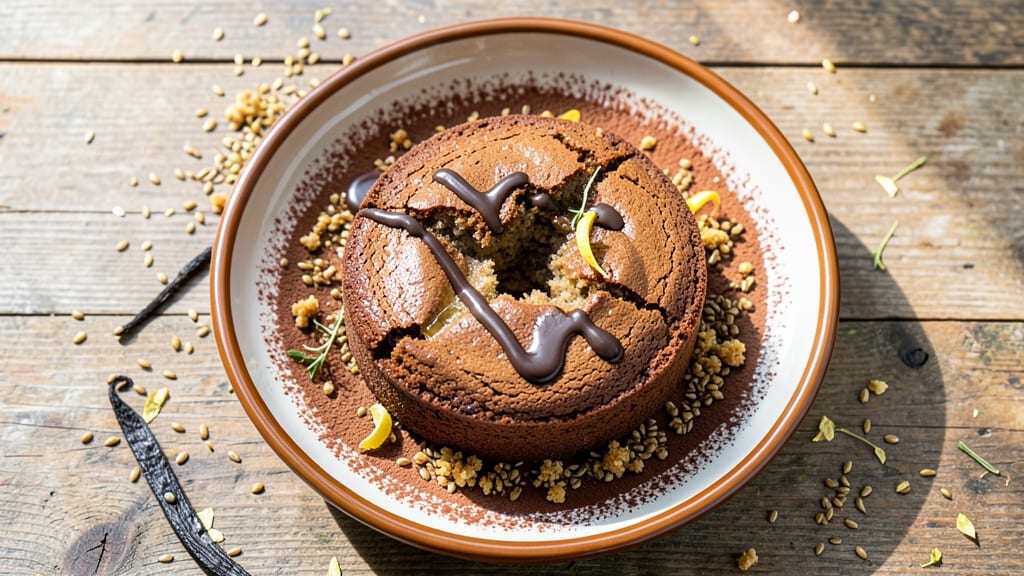
This cassava flour chocolate cake delivers the perfect gluten-free alternative with rich cocoa depth and moist, tender crumb—no eggs or dairy needed. The secret lies in cassava flour’s natural ability to retain moisture while creating a delicate, airy texture that rivals traditional wheat-based cakes.
I’ve perfected this recipe after testing countless variations to ensure it’s foolproof for home bakers. What sets this cake apart is its balanced sweetness and intense chocolate flavor without being overly dense. Cassava flour’s mild taste lets the cocoa shine while adding a subtle nutty undertone.
The recipe uses simple pantry staples like coconut oil and flaxseed for binding, making it accessible for anyone avoiding gluten or animal products. By the time it emerges from the oven, you’ll have a golden, crack-free top with a velvety interior that stays moist for days.
The cake’s natural richness makes it ideal for birthdays, celebrations, or simply satisfying a chocolate craving without guilt. No special equipment is required—just a standard mixing bowl and baking pan. For best results, let the cake cool completely before slicing to maintain its perfect texture.
The recipe scales easily, so you can adjust the size based on your needs. Here’s how to make it happen!
Ingredients for cassava flour chocolate cake
Twelve simple ingredients transform into a decadent, gluten-free chocolate masterpiece—rich, moist, and perfectly balanced.
| Ingredient | Amount | Notes |
|---|---|---|
| Cassava Flour 🌾 | 1 ½ cups | Gluten-free, fine-milled preferred |
| Unsweetened Cocoa Powder 🍫 | ¾ cup | High-quality Dutch-processed |
| Granulated Sugar 🍚 | 1 ¼ cups | White or organic cane sugar |
| Coconut Oil 🥥 | ¾ cup | Melted, full-fat preferred |
| Vanilla Extract 🌿 | 1 tbsp | Pure alcohol-free if preferred |
| Flaxseed Meal 🌱 | 3 tbsp | Ground flaxseed for binding |
| Almond Milk 🥛 | ¾ cup | Unsweetened, room temperature |
| Baking Powder 🧂 | 1 tsp | Aluminum-free preferred |
| Salt 🧂 | ½ tsp | Fine sea salt preferred |
| Apple Cider Vinegar 🍎 | 1 tsp | For flaxseed activation |
| Dark Chocolate Chips 🍫 | 1 ½ cups | 70% cocoa, vegan chips |
| Hot Water 💧 | ½ cup | For flaxseed mixture |
The cassava flour is non-negotiable here—Bob's Red Mill or Anthony's Goods are my go-tos for consistent results. Look for a fine-milled variety; coarser grinds can make the texture dense. The cocoa powder? Valrhona or Guittard are worth the splurge for that velvety richness. If you're using a different brand, check the cocoa content—stick to 10-12% fat for best flavor. Dark chocolate chips can be any vegan brand, but Enjoy Life or Hu Kitchen melt beautifully without seizing. For the coconut oil, Jungle Spoon or Native Forest are my favorites—they're organic and have a neutral taste that won't overpower the chocolate.
No flaxseed? Chia seeds at double the amount work in a pinch, but the texture might be slightly denser. Running low on almond milk? Oat milk or soy milk are great substitutes—just ensure they're unsweetened. The apple cider vinegar is crucial for activating the flaxseed; if you don't have it, white vinegar or lemon juice will do. For a deeper chocolate flavor, add 1/4 tsp instant espresso powder to the dry ingredients. Want extra moisture? Increase the almond milk by 2 tbsp**. The baking powder is aluminum-free—this avoids any metallic aftertaste that can sometimes occur with regular baking powder.
This cake stays moist for 4-5 days when stored in an airtight container at room temperature, or up to 1 week in the fridge. For longer storage, wrap tightly in plastic and freeze for up to 3 months**. To serve, let it sit at room temperature for 10-15 minutes—this ensures clean slices every time. The chocolate chips add pockets of gooey goodness, so if you're feeling fancy, sprinkle a dusting of cocoa powder over the top right after baking. It reheats beautifully too—just wrap a slice in a damp paper towel and microwave for 10-15 seconds** for a warm, comforting treat.
Why You'll Love This Recipe
- No Mixing Madness: I swear by this recipe because it’s one bowl—no separate batter or frosting. Cassava flour keeps it light without gluten, and the cocoa powder dissolves right into the coconut oil like magic. Honestly, I’ve made it while microwaving leftovers—no stress, just delicious.
- Rich Without Guilt: That deep chocolate flavor? It’s all thanks to the unsweetened cocoa and cassava flour’s natural richness. The coconut oil adds a subtle buttery note, and the vanilla ties it all together—moist, dense, and ridiculously satisfying. (Yes, even on a Tuesday night.)
- Crowd-Pleaser Any Day: This cake handles birthdays, potlucks, or just because. It’s naturally gluten-free, so it’s safe for guests with dietary needs, and the texture holds up for slicing. Between us, my picky nephew went back for thirds—no one left a crumb.
- Budget & Fridge-Friendly: Cassava flour and cocoa powder stretch my grocery budget, and the recipe uses pantry staples. Plus, it stays fresh for days—slice it, wrap it, and toss it in the fridge for grab-and-go treats. I’ll be real: I’ve eaten cold slices straight from the fridge, and they’re still amazing.
Step-by-step instructions for gluten-free chocolate cake
This method delivers a rich, fudgy cake that's naturally gluten-free and packed with deep cocoa flavor.
Activate the Flaxseed Egg Substitute
In a small bowl, whisk together the 3 tablespoons flaxseed meal with the 0.5 cup hot water and 1 teaspoon apple cider vinegar. Let this mixture sit for 5 minutes while you prepare the rest of your ingredients—this creates a gel-like binder that replaces eggs perfectly. You'll know it's ready when it thickens into a translucent, slightly sticky consistency resembling raw egg whites.
Here's the thing—this step is non-negotiable for proper texture. If you skip it, your cake will be dense and crumbly. The flaxseed mixture should be completely dissolved with no visible dry bits. If you're short on time, use a fine-mesh sieve to ensure no clumps remain in your batter later.
Combine Dry Ingredients for Perfect Texture
In a large mixing bowl, sift together the 1.5 cups cassava flour, 0.75 cup unsweetened cocoa powder, 1.25 cups granulated sugar, 1 teaspoon baking powder, and 0.5 teaspoon salt. Whisk vigorously for 1-2 minutes until completely homogeneous—this prevents any flour pockets that could make your cake dry. The mixture should look like a fine, dark brown powder with no visible streaks of flour.
I press down gently with a rubber spatula to break up any clumps that might form from the cassava flour. The reason we sift first is that cassava flour can be grittier than wheat flour, and we want ultra-smooth incorporation. If you don't have a sifter, use a whisk and work in a circular motion for at least 30 seconds to aerate the mixture properly.
Incorporate Wet Ingredients for Rich Moisture
In a separate bowl, melt the 0.75 cup coconut oil in 10-second bursts in the microwave (or over a double boiler) until fully liquid but not hot to the touch. Stir in the 0.75 cup almond milk and 1 tablespoon vanilla extract until smooth. This warm mixture helps activate the baking powder for optimal rise.
With your mixer on low speed, gradually pour the wet ingredients into the dry mixture while mixing continuously. Scrape down the sides of the bowl after each addition to ensure even distribution. The batter should come together into a thick, velvety chocolate paste—this is where the magic happens for that signature fudgy texture. If it looks too thick, add 1-2 tablespoons more almond milk until it reaches a smooth, pourable consistency.
Fold in Chocolate Chips for Maximum Richness
Using a spatula, gently fold in the 1.5 cups dark chocolate chips and the flaxseed egg mixture you prepared earlier. Work quickly but carefully to maintain air pockets in the batter—overmixing here will make your cake dense. The chocolate chips should be evenly distributed throughout, with no large clumps remaining.
This is the moment that matters: the chocolate chips should be just barely visible in the batter, creating those beautiful pockets of melted chocolate throughout each slice. If you're concerned about even distribution, divide the chips into thirds and fold in one-third at a time. The batter should be thick but still able to coat the back of your spoon with a glossy sheen.
Bake to Golden Perfection with Precision
Preheat your oven to 350°F and grease two 8-inch round cake pans thoroughly with coconut oil (or line with parchment paper). Divide the batter evenly between the pans and smooth the tops with a spatula. Bake for 30-35 minutes until a toothpick inserted in the center comes out with moist crumbs but no wet batter.
Here's where precision pays off: the cake should spring back slightly when pressed in the center, and the edges should be just beginning to pull away from the pan. If your oven runs hot, start checking at the 25-minute mark—overbaking is the fastest way to ruin this moist texture. The internal temperature should reach 205-210°F for perfect doneness. Let the cakes cool in the pans for 10 minutes before transferring to a wire rack to cool completely.
Pro Tips For Making Cassava Flour Chocolate Cake
- Mix Dry Ingredients First: Cassava flour loves to clump like a stubborn toddler—sift it with the cocoa powder and sugar before adding wet ingredients. I learned this the hard way when my first batch turned out lumpy and dense. A quick pulse in a food processor or vigorous whisking saves you from scraping batter off the bowl later.
- Melt Coconut Oil Slowly: Pour the coconut oil into a heatproof bowl over barely simmering water (double boiler) and let it melt gently. Rushing it on high heat turns it into a greasy mess that won’t emulsify properly with the flour. Once fully liquid, let it cool to room temp—just warm enough to coat your fingers, not hot.
- Don’t Overmix the Batter: This isn’t pancake batter—stop mixing the moment the flour disappears. Cassava flour releases gluey starch fast, and overworking it turns your cake into a dense, rubbery brick. Fold in the wet ingredients just until combined, then let the vanilla and melted oil do their job.
- Bake at 350°F with a Water Bath: Preheat your oven to 350°F, then place your cake pan in a larger roasting pan filled with 1 inch of hot water. The steam keeps the crumb tender and prevents cracking—cassava flour cakes dry out fast without it. Bake until a toothpick comes out clean, even if it takes 10 minutes longer than you expect.
Best sauces and condiments for this recipe
Chocolate Ganache Drizzle
Elevate your cake with a luxurious chocolate ganache made from ½ cup heavy coconut cream (chilled overnight) and ½ cup chopped vegan dark chocolate. Heat the coconut cream until steaming, pour over the chocolate, then let sit for 2 minutes before stirring smooth.
Drizzle over cooled cake layers or between frosting layers for a decadent finish. For extra flair, sprinkle with crushed hazelnuts or flaky sea salt before the ganache sets. 🍫
Coconut Whipped Cream
Replace dairy whipped cream with vegan coconut whipped cream for a lighter contrast. Whip 1 can (13.5 oz) chilled full-fat coconut milk until stiff peaks form—discard the thick cream at the bottom if desired.
Sweeten lightly with 1 tbsp maple syrup and ½ tsp vanilla extract for a neutral base that complements the chocolate. Pipe between layers or over the top for a cloud-like texture. Store unused whipped cream in an airtight container for up to 3 days.
Spiced Orange Glaze
Brighten the richness with a zesty orange glaze that cuts through the chocolate. Simmer ½ cup powdered sugar, 2 tbsp fresh orange juice, and ½ tsp ground cinnamon for 3-4 minutes until smooth. Drizzle over the cake while still slightly warm for a glossy finish.
For extra depth, add ¼ tsp orange zest to the batter during mixing. This glaze keeps the cake moist for 24 hours when stored properly. 🍊
Salted Caramel Sauce
Balance the sweetness with a homemade salted caramel sauce that pairs perfectly with chocolate. Cook ½ cup coconut sugar with 3 tbsp coconut oil over medium heat for 8-10 minutes, stirring constantly until amber-colored.
Whisk in ¼ cup coconut cream and 1 tsp vanilla extract, then finish with a pinch of flaky sea salt. Drizzle over slices or use as a filling between layers. Store in a sealed jar in the fridge for up to 2 weeks.
Espresso Chocolate Syrup
Intensify the chocolate flavor with an espresso-infused syrup that enhances every bite. Combine ½ cup granulated sugar, ¼ cup water, and 2 tbsp instant espresso powder in a saucepan. Simmer for 5 minutes, then stir in 2 tbsp melted coconut oil until fully incorporated.
Cool completely before drizzling over cake slices. This syrup also works as a moisture booster—add 1 tbsp to the batter if your cake seems dry. ☕
Fresh Berries Compote
Add a tart berry compote to contrast the cake’s richness. Simmer 1 cup mixed berries (strawberries, raspberries, or blueberries) with 2 tbsp sugar and 1 tsp lemon juice for 10 minutes until thickened. Mash slightly for texture, then spoon over cake slices.
For a strawberry-rhubarb twist, add ¼ cup chopped rhubarb** to the compote. The acidity balances the chocolate while adding vibrant color. Store compote in the fridge for up to 5 days.
Nutrition facts
Frequently asked questions
Can I substitute cassava flour with another gluten-free flour?
While you can experiment, cassava flour is key for this recipe's signature moist texture. For a 1:1 swap, try almond flour (add 1 extra tbsp almond milk) or tapioca starch, but expect a denser crumb. Never use regular wheat flour—it contains gluten and will ruin the cake's structure. The cassava's natural starch content creates that perfect fudgy yet tender consistency.
Why does my cassava flour cake turn out dry?
Dryness usually means overbaking or insufficient moisture. Always check doneness at 25 minutes (toothpick test), and never exceed 35 minutes. For extra moisture, add 2 tbsp almond milk to the batter or brush warm cake layers with simple syrup (equal parts sugar and water) before assembling. Cassava flour absorbs liquid differently than wheat flour—don't underestimate its thirst!
Can I make this cake without coconut oil?
Use melted vegan butter or avocado oil in equal amounts. For a neutral flavor, refined coconut oil works too. Just ensure it's fully melted (not hot) before mixing. Never use solid shortening—it won't incorporate properly and can make the cake greasy. The fat content is crucial for that rich, velvety texture cassava flour craves.
How do I prevent sinkage in the middle?
Sinkage happens when cakes cool too quickly or the oven isn't properly preheated. Always let cakes cool in pans for 10 minutes before transferring, and never open the oven door during baking. For extra stability, chill the pans in the fridge for 15 minutes before baking. The flaxseed mixture must be fully activated (no dry bits)—this provides the structural "glue" to prevent collapse.
What's the best way to store leftovers?
Wrap individual slices tightly in plastic wrap, then store in an airtight container at room temperature for 3-4 days. For longer storage, freeze slices for up to 3 months. To reheat, microwave for 10-15 seconds with a damp paper towel covering—this restores moisture without making it soggy. Never refrigerate the whole cake unless you're using it within 24 hours.