Desserts
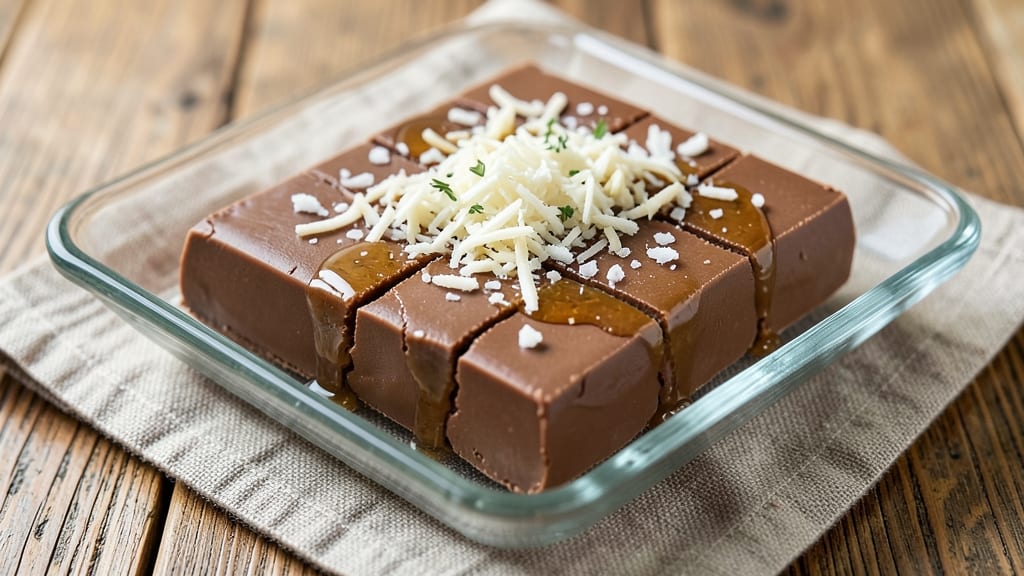
This carob chocolate bar recipe delivers a nutty-sweet, vegan-friendly alternative to traditional chocolate bars that’s packed with natural energy and rich flavor. Unlike processed chocolate, carob offers a caffeine-free, magnesium-rich treat that still satisfies your sweet tooth—perfect for those who want indulgence without the crash.
The secret lies in balancing carob powder with coconut oil and a touch of vanilla to create a smooth, melt-in-your-mouth texture that’s surprisingly crispy when set.
The process is simpler than you’d think: melt the coconut oil, mix in carob powder and sweetener, then pour into a lined pan for a clean, professional finish.
Optional add-ins like crushed nuts or dried fruit elevate the bars into a textured, layered dessert that’s as visually appealing as it is delicious. No tempering required—just let it cool and cut into perfect squares for portion control.
What you’ll end up with is a batch of bite-sized carob bars that taste like a cross between fudge and a protein-packed energy bite—ideal for snacking, gifting, or stashing in your desk drawer.
The carob’s natural sweetness and earthy notes make these bars a crowd-pleaser, whether you’re avoiding sugar or simply exploring plant-based treats.
These bars keep well for up to two weeks in the fridge, making them a great make-ahead option for meal prep or holiday gifting. Ready to try a healthier chocolate alternative? Let’s get started with this foolproof recipe.
Ingredients for carob chocolate bar
Six core ingredients plus optional add-ins create these rich, vegan carob bars.
| Ingredient | Amount | Notes |
|---|---|---|
| Carob Powder 🌿 | 1 ½ cups | Unsweetened, finely ground |
| Unsweetened Shredded Coconut 🥥 | 1 cup | Finely shredded preferred |
| Coconut Oil 🫒 | 1 cup | Unrefined, solid at room temp |
| Pure Maple Syrup 🍯 | ½ cup | Grade B for deeper flavor |
| Vanilla Extract 🌸 | 1 tbsp | Pure vanilla preferred |
| Sea Salt 🧂 | ½ tsp | Fine grain preferred |
| Almond Butter 🥜 | ¼ cup | Natural, no added sugar |
| Raw Almonds 🌰 | ½ cup | Crushed, for texture |
| Dark Cacao Nibs 🍫 | ¼ cup | Optional, for depth |
| Coconut Oil Spray 🫒 | 1 tbsp | For greasing pan |
| Unsweetened Coconut Flakes 🥥 | ¼ cup | For topping (optional) |
Carob powder is the star—Bob's Red Mill or Anthony's Goods are my go-tos for quality. Look for finely ground, unsweetened powder that's free of additives. The shredded coconut should be unsweetened (the sweetened kind ruins the balance), and Trader Joe's has the best-priced bag. Coconut oil matters too—stick with unrefined for that natural coconut flavor. If you can't find Grade B maple syrup, Grade A works, but the flavor won't be as deep. For the vanilla, Frontier Co-op is worth the splurge—it's noticeably better than store brands.
No carob powder? Substitute with 1 cup unsweetened cocoa powder plus 1 tbsp extra maple syrup—it won't be identical, but close. Running low on coconut oil? Avocado oil works in a pinch, though the flavor will be different. The almond butter can be swapped for cashew butter or tahini if you're avoiding nuts. For the crushed almonds, a food processor does the job perfectly, but a rolling pin works too if you're in a hurry. The cacao nibs are optional but add that chocolatey depth that makes these bars irresistible—Navitas Organics has the best quality at a reasonable price.
These bars keep beautifully—2 weeks in the fridge, 3 months in the freezer if wrapped tightly in parchment. For best texture, let them set at room temperature for 2 hours before cutting. Store in an airtight container with parchment between layers to prevent sticking. Double the batch and freeze half for later—perfect for meal prep or holiday gifts. The coconut flakes on top add a nice crunch, but they're completely optional if you're keeping it simple.
Why You'll Love This Recipe
- Here’s what sold me: the deep, molasses-like depth of carob with just a touch of maple for sweetness. It’s satisfyingly chocolatey but won’t leave you crashing by 3 PM. The coconut adds this nutty crunch that keeps every bite interesting—like a dessert that’s weirdly balanced.
- I’ll be real: carob powder and coconut oil are cheap, and this recipe uses what I already have. No specialty ingredients, no last-minute grocery runs. Plus, the leftovers? They’re my emergency snack when I’m craving something sweet but don’t want to bake. Just slice and go.
Step-by-step instructions for carob chocolate bars
Here's how to create rich, nutty-sweet carob bars with a perfect snap and melt-in-your-mouth texture.
Melt the Carob Base
In a medium saucepan over low heat, combine the 1 cup coconut oil and 1.5 cups carob powder. Stir constantly with a silicone spatula for 5-7 minutes until the mixture reaches a smooth, thick paste. You'll notice the carob dissolving completely and the mixture becoming glossy.
This low-and-slow approach prevents burning while ensuring even melting. If you see any unmelted powder clumps, reduce heat slightly and continue stirring until fully incorporated. The mixture should be thick enough to hold its shape when dropped from a spoon but still pourable.
Incorporate Sweetener and Flavorings
Remove the saucepan from heat and let it cool for 2 minutes to 100°F. Then whisk in the 0.5 cup pure maple syrup, 1 tbsp vanilla extract, and 0.5 tsp sea salt until completely smooth. The salt enhances the carob's natural sweetness while balancing the maple's depth.
Here's the thing—adding the sweetener off heat prevents sudden temperature spikes that could cause the coconut oil to separate. Return the mixture to low heat and stir for another 2 minutes to fully blend all ingredients. You're aiming for a consistency similar to thick fudge.
Fold in Nutty Elements
In a separate bowl, combine the 0.25 cup almond butter and 0.5 cup crushed raw almonds. This pre-mix prevents the almonds from sinking to the bottom. Gradually fold this nut mixture into the carob base using a rubber spatula, working quickly to maintain the right temperature.
If using the 0.25 cup dark cacao nibs, fold them in last—their texture adds delightful crunch. The mixture should be thick but still spreadable. For best results, work in a 7x7-inch baking pan lined with parchment paper and lightly sprayed with 1 tbsp coconut oil spray to prevent sticking.
Press and Set the Bars
Spread the mixture evenly into the prepared pan using an offset spatula, pressing firmly to eliminate air bubbles. For a smooth finish, use the back of a spoon to create even ridges. Sprinkle the 0.25 cup unsweetened coconut flakes (if using) over the top while the surface is still slightly tacky.
Refrigerate for 2 hours until completely firm. This chilling time ensures the bars hold their shape when cut. Real talk: patience here makes all the difference—rushing leads to crumbly bars that don't slice cleanly. Once set, lift the entire slab from the pan using the parchment paper for easy handling.
Cut and Store for Maximum Freshness
Using a sharp knife, cut the slab into 16 equal bars (about 1-inch squares). For clean cuts, dip the knife in hot water between each slice. The bars will keep at room temperature for 5 days in an airtight container, or you can freeze them for up to 3 months for longer storage.
Here's the moment you've been waiting for: each bar should have a satisfying snap when broken, with layers of creamy carob, nutty crunch, and subtle coconut sweetness. The sea salt crystals add a sophisticated finish that elevates these bars beyond basic candy. Enjoy them as a guilt-free indulgence or share with friends who appreciate artisanal treats!
Pro Tips For Making Carob Chocolate Bar
- Melt Coconut Oil Slowly: I learned this the hard way—dumping cold coconut oil straight into a hot pan makes it seize up like a stubborn child. Instead, heat the oil low and steady (around 100°F/38°C) until it’s just liquid, then whisk it into the carob powder gradually. That way, you avoid lumps and get a silky-smooth base.
- Toast the Coconut First: Skip the raw coconut, or you’ll end up with a bland, mushy texture. Toast the shredded coconut in a dry pan over medium heat for 3-4 minutes, stirring constantly, until it’s golden and smells nutty. Let it cool before mixing—this adds depth that unsweetened coconut alone can’t match.
- Don’t Rush the Setting: Patience here makes the difference. After pouring the mixture into your pan or mold, let it sit at room temperature for at least 30 minutes before refrigerating. Rushing it leads to cracks or a grainy texture, and no one wants a bar that falls apart like a bad soufflé.
- Use a Silicone Mat: No need to grease your pan or worry about parchment paper sticking. A silicone baking mat lets you skip the mess entirely—just press the mixture into the mat, chill, then pop it out like magic. (Yes, even if you’re impatient like me.)
Common mistakes when making your carob chocolate bar
Overheating the Base
Carob burns faster than chocolate, so keep your heat at low—anything higher risks a bitter, acrid flavor. I’ve ruined batches by cranking the heat too high, turning my nutty-sweet bars into something closer to burnt toast.
Watch for the coconut oil to bubble gently but not smoke. If it starts to smell nutty or toasty, you’ve gone too far. 🔥
Skipping the Cooling Step
Adding maple syrup or vanilla to hot carob mixture can cause it to seize or separate. Always let the base cool to 100°F before mixing in liquid ingredients. I learned this the hard way when my first batch turned grainy—now I religiously wait those 2 minutes to avoid clumps.
Under-Pressing the Pan
If you don’t press the mixture firmly into the pan, your bars will be crumbly and uneven. Use a rubber spatula to compact the filling completely—this creates that satisfying snap when broken.
I once cut bars that fell apart like sand because I rushed this step. Take your time for clean, professional-looking slices. ✨
Using Sweetened Coconut
Sweetened shredded coconut throws off the delicate balance of flavors in these bars. The extra sugar makes the carob taste flat and the coconut overly sweet. Stick with unsweetened coconut—it’s worth the extra $2 for the flavor difference. Trust me, your taste buds will thank you.
Not Chilling Long Enough
Rushing the 2-hour fridge time leads to soft, sticky bars that won’t hold their shape. I’ve tried cutting them at 1 hour—big mistake. The bars need time to set properly for clean cuts and that perfect texture.
Patience here makes all the difference between a professional result and a messy disaster.
Ignoring the Parchment
Skipping the parchment paper or not greasing the pan properly means your bars will stick like glue. Even with coconut oil spray, use parchment—it’s the secret to easy release.
I’ve spent 10 minutes trying to pry stuck bars off a baking sheet. Save yourself the hassle and line that pan like a pro. 💡
Nutrition facts
Frequently asked questions
Can I make these carob bars without nuts?
Skip the almond butter and crushed almonds, and replace them with 0.5 cup sunflower seed butter or 0.5 cup tahini for a nut-free version. For extra texture, add 0.5 cup dried cranberries or chopped apricots instead. The bars will still hold their structure and delicious flavor without nuts.
Why do my carob bars taste bitter?
Overheating the mixture is the most common cause—carob burns easily, turning bitter. Keep heat at low and stir constantly. Another culprit? Using too much carob powder. The recipe's 1.5 cups is perfect; adding more will overpower the sweetness. For a smoother taste, reduce carob to 1.25 cups and add 1 tbsp extra maple syrup.
How do I make these bars sugar-free?
Replace the 0.5 cup maple syrup with 0.5 cup monk fruit sweetener or 0.4 cup erythritol (measured by volume). For best results, also reduce the carob powder to 1.25 cups to balance the flavor. The bars will be less sweet but still satisfying. Store sugar-free versions in the fridge to prevent moisture absorption.
Can I use melted chocolate instead of coconut oil?
Not recommended—the coconut oil is key for the bars' texture and vegan status. If you must substitute, use 1 cup refined coconut oil (neutral flavor) or avocado oil. Melted chocolate would make these bars non-vegan and alter the carob's natural flavor profile. The coconut oil gives that perfect snap when broken, which is hard to replicate.
What's the best way to package these for gifting?
Wrap individual bars in parchment paper, then place in cellophane bags tied with twine for a rustic look. For a fancier touch, use mini chocolate bar boxes (available at craft stores) and add a handwritten tag. Store in a cool, dark place until gifting—these bars keep well for 2 weeks at room temperature. Perfect for holidays or teacher gifts!