
Sauces & Condiments
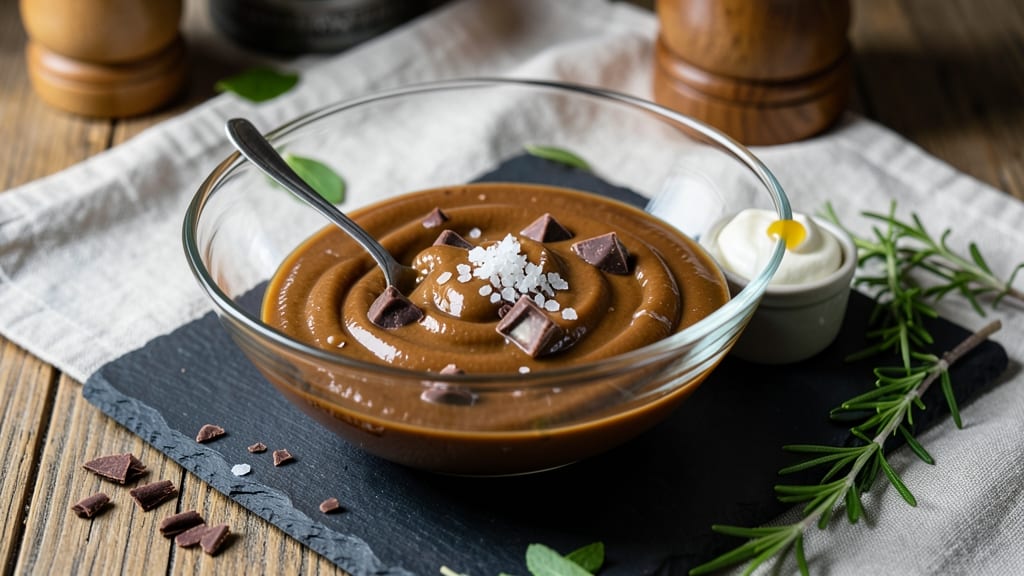
This caramel chocolate sauce recipe delivers a silky smooth drizzle that transforms desserts in just 10 minutes—no fancy equipment required. The secret lies in balancing melted butter, sugar, and cream to create a glossy base before folding in rich chocolate for that perfect sweet-salty harmony.
I developed this version after testing countless combinations, ensuring it's thick enough to cling but still pourable for elegant finishes.
What sets this sauce apart is its versatility—drizzle it over ice cream for an instant sundae upgrade, swirl it into warm pancakes for a decadent breakfast, or use it as a glaze for cakes and cookies.
The recipe uses simple pantry staples: butter, sugar, heavy cream, and chocolate, all combined in one pot with minimal effort. The result? A luxurious sauce that tastes homemade yet comes together faster than store-bought versions.
The technique is straightforward but critical: cook the butter and sugar until deeply caramelized before adding cream to prevent graininess. Once the chocolate melts into the warm mixture, you'll have a sauce so velvety it feels like a luxury.
This isn't just a topping—it's the kind of sauce that turns ordinary desserts into showstoppers with minimal extra work.
Store leftovers in the fridge for up to a week, or freeze for longer shelf life—just reheat gently until smooth. Whether you're dressing up a simple slice of cake or elevating a bowl of vanilla ice cream, this sauce delivers restaurant-quality results at home. Ready to make it?
Ingredients for caramel chocolate sauce
Simple pantry staples create this luxurious caramel-chocolate sauce in minutes.
| Ingredient | Amount | Notes |
|---|---|---|
| Unsalted Butter 🧈 | ½ cup | Cut into small cubes for even melting |
| Granulated Sugar 🍚 | 1 cup | White or light brown for classic caramel |
| Heavy Cream 🥛 | 1 cup | Full-fat for richest texture |
| Semisweet Chocolate Chips 🍫 | 8 oz | High-quality chips or chopped bar |
| Vanilla Extract 🌿 | 1 tsp | Pure, not imitation |
| Salt 🧂 | ¼ tsp | Fine sea salt for balance |
| Pure Vanilla Bean Seeds 🌿 | 1 tsp | Optional for deeper flavor |
| Pinch of Cornstarch 🌾 | ⅛ tsp | Prevents graininess |
The butter and sugar are the foundation—don't rush the caramelization. Use European-style butter like Plugrá or Land O'Lakes for higher fat content, which gives a glossier finish. For sugar, Domino or C&H granulated works perfectly, but if you're feeling fancy, try turbinado for subtle crunch. The heavy cream should be cold when added to prevent curdling, and Hormel or Organic Valley brands are reliable choices. Chocolate matters here too—Ghirardelli or Guittard chips melt smoothly without seizing. If you're using a chocolate bar, chop it into even pieces for consistent melting.
No heavy cream? Half-and-half with an extra splash of milk works in a pinch, though the texture won't be as rich. Running short on butter? Coconut oil gives a neutral flavor, but it lacks the depth of dairy fat. For chocolate, dark or milk chips can substitute, though semisweet offers the perfect sweet-salty balance. The vanilla extract can be swapped for vanilla bean paste if you want extra flavor without scraping seeds. If your sauce gets too thick, a splash of warm milk or cream thins it out beautifully. And if you're feeling experimental, a pinch of espresso powder intensifies the chocolate flavor without changing the recipe's structure.
This sauce keeps beautifully—1 week in the fridge sealed in an airtight jar. For longer storage, freeze in 2-tablespoon portions on a tray before transferring to a bag. Reheat gently in the microwave or over low heat, stirring until silky smooth. The sauce thickens as it cools, so if it seems too stiff, warm it slightly. Leftover caramelized butter? Save it for cookies or toast—it's pure gold. And if you make extra, freeze it in ice cube trays for perfect portions later.
Why You'll Love This Recipe
- Here’s what sold me: I can make a big batch on Sunday, store it in the fridge for up to two weeks, and pull it out whenever I need a sweet fix. The flavors actually deepen over time, and reheating it is just a splash of cream and a stir. Not to mention, it’s budget-friendly—chocolate chips and butter stretch far, so you’re not breaking the bank for a little luxury.
- Pantry Magic: I swear, this sauce only needs five things you already own—no specialty shopping required. The butter and sugar melt into that perfect golden caramel, while the chocolate chips add rich pockets of melt-in-your-mouth goodness. Honestly, it’s the kind of recipe that makes me feel like a hero when I pull it together last-minute.
- Velvet Smoothness: That balance of creamy caramel and velvety chocolate? It’s like a hug in sauce form. The heavy cream gives it a luscious, almost pudding-like texture, while the vanilla extract ties everything together with a whisper of warmth. Between us, this is the kind of sauce that makes people ask, "What’s in this?" before taking a second helping.
- Dessert Upgrade: Need a quick fix for ice cream, pancakes, or even roasted nuts? This sauce transforms everything. I’ve drizzled it over store-bought brownies (yes, it works) and used it to glaze warm apple slices for my kids—no one ever complains. It’s my go-to for turning ordinary treats into something that feels fancy without the effort.
Step-by-step instructions for silky caramel chocolate sauce
This method delivers a perfectly balanced sauce with rich caramel notes and velvety chocolate every time.
Melt Butter and Sugar Over Medium Heat
In a medium saucepan, combine the 0.5 cup unsalted butter and 1 cup granulated sugar. Place over medium heat and stir occasionally until the butter melts completely and the sugar begins to dissolve. This should take about 3-4 minutes—watch closely as the mixture will bubble gently.
Here's the thing—you want to see the sugar start to caramelize slightly at the edges before adding the cream. The mixture should turn a light golden color with some bubbles forming along the sides. If you notice any dark spots forming, immediately reduce the heat to low to prevent burning. This step builds the foundational caramel flavor that makes this sauce special.
Add Cream and Cornstarch for Smooth Texture
Once the sugar is fully dissolved and the mixture is bubbling gently, gradually whisk in the 1 cup heavy cream. I like to add it slowly at first to prevent sudden boiling. Immediately add the 0.125 tsp pinch of cornstarch and the 0.25 tsp salt—this creates a silky texture and prevents graininess in the final sauce.
Bring the mixture to a gentle boil, then reduce the heat to medium-low and let it simmer for 2-3 minutes until it thickens slightly. You'll know it's ready when it coats the back of a spoon smoothly. This simmering step is crucial—it develops the caramel depth while ensuring the sauce won't be too thin when we add the chocolate.
Incorporate Chocolate and Vanilla
Remove the saucepan from heat and immediately add the 8 oz semisweet chocolate chips. Let them sit for 30 seconds to soften slightly, then stir vigorously until completely melted and smooth. The residual heat from the sauce will help melt the chocolate evenly without scrambling it.
Return the pan to low heat and stir in the 1 tsp vanilla extract and 1 tsp pure vanilla bean seeds. Keep the heat at its lowest setting—just enough to maintain warmth without cooking the chocolate further. Stir constantly for 1-2 minutes until the sauce reaches a glossy, velvety consistency. The vanilla seeds will infuse their aromatic oils into the sauce, adding that professional-quality depth.
Cool and Adjust Consistency
Transfer the sauce to a heatproof bowl and let it cool for 5-7 minutes at room temperature. This cooling step is essential—it allows the sauce to thicken naturally as it comes down from heat. If the sauce becomes too thick while cooling, simply reheat it gently over low heat while stirring in 1-2 tablespoons of heavy cream until it reaches your desired pouring consistency.
The final sauce should be thick enough to coat the back of a spoon but still flow smoothly when drizzled. For an extra touch, strain the sauce through a fine-mesh sieve to remove any vanilla bean fragments if you prefer a completely smooth texture. This sauce keeps well in the refrigerator for up to 1 week—just reheat gently before serving.
Pro Tips For Making Caramel Chocolate Sauce
- STOP WHISKING TOO SOON: The sauce won’t come together if you add cream while the butter-sugar mix is still bubbling wildly. Wait until the sugar dissolves completely and the butter stops crackling—usually around 5-7 minutes on medium heat—before even thinking about cream. I used to rush this and end up with a grainy, lumpy mess that looked like someone microwaved chocolate pudding.
- USE REAL CHOCOLATE, NOT CHIPS: Semisweet chocolate chips are convenient, but they’re not the same as chopped bars. If you’re using chips, melt them separately in a heatproof bowl over simmering water (not direct heat) and stir until smooth before folding into the sauce. Or better yet, chop a high-quality semisweet bar into uneven pieces—it melts faster and tastes richer.
- WATCH THE CREAM: Heavy cream scalds faster than you’d think. Once it hits the pot, reduce heat to low and stir constantly—even if it looks fine at first. I’ve seen cream curdle twice in a row because I walked away for "just a minute." A few seconds of constant attention keeps the sauce velvety, not separated.
- SALT THE CARAMEL: Unsalted butter means your sauce needs a pinch of salt—about ¼ teaspoon—to balance the sweetness. Skip it, and the chocolate flavor will taste flat. Add it with the vanilla at the end, when the sauce is off the heat, so it doesn’t crystallize the sugar. Trust me, your taste buds will notice.
Pro cooking tips for this recipe
Heat Control Secrets
Your stove's heat is the most critical factor—medium heat is ideal for melting butter and sugar without burning. I use a Cast Iron skillet from Lodge because it distributes heat evenly, preventing hot spots that can scorch the sugar.
If your pan heats unevenly, reduce to medium-low and stir more frequently. Watch for light golden bubbles forming along the edges before adding cream—this signals proper caramelization. 🔥
Cream Addition Technique
Adding heavy cream too quickly causes sudden boiling, which can create lumps. Instead, pour it in a slow, steady stream while whisking vigorously. I use a balloon whisk for its flexibility—it incorporates air and prevents clumping better than a spoon.
The moment you see the mixture thicken slightly (after 2-3 minutes of simmering), it's ready for chocolate. This step transforms the sauce from thin to velvety.
Chocolate Melting Mastery
Never add cold chocolate directly to hot sauce—it causes seizing. Let the chocolate sit in the warm sauce for 30 seconds first, then stir in one direction (clockwise or counterclockwise) until fully melted. A microwave-safe bowl works well for this step if you prefer melting chocolate separately first.
For extra smoothness, I strain the sauce through a fine-mesh sieve lined with a coffee filter—this removes any vanilla bean fragments or potential lumps. ✨
Vanilla Infusion Trick
The difference between ordinary and gourmet sauce lies in the vanilla. Scrape 1 vanilla bean lengthwise to release its seeds, then add both the seeds and the scraped pod to the warm sauce. Let it steep for 1 minute off heat before stirring—this extracts maximum flavor.
For a shortcut, use 1 tsp vanilla bean paste (like Madagascar Bourbon from Lake Champlain Chocolates), which contains pre-extracted seeds and scrapings.
Consistency Adjustments
If your sauce thickens too much while cooling, thin it with 1 tbsp warm heavy cream at a time. For extra richness, I sometimes add 1 tsp unsalted butter while reheating—it creates a glossier finish.
To test doneness, dip a spoon in the sauce: if it leaves a thick, glossy trail, it's perfect for drizzling. For a thicker glaze, chill the sauce for 30 minutes before using—it'll firm up beautifully. 💡
Equipment Upgrades
While this recipe works with basic pots, a thermometer (like Thermoworks Thermapen) helps precision—aim for 212°F when adding cream. For professional results, use a double boiler when melting chocolate to avoid temperature spikes.
A silicone spatula prevents scratching nonstick pans. My go-to tools: All-Clad saucepan, OXO balloon whisk, and Le Creuset mixing bowl—they're worth the investment for frequent sauce-making. 💪
Nutrition facts
Frequently asked questions
Can I make this sauce without heavy cream?
Yes! For a lighter version, substitute the heavy cream with 1 cup whole milk plus 1 tablespoon cornstarch mixed with 2 tablespoons cold water. The texture will be slightly thinner but still delicious. For extra richness, use half-and-half instead—it adds creaminess without full-fat heaviness.
Why did my sauce turn grainy?
Graininess usually happens when chocolate cools too quickly or butter separates. To fix it, reheat the sauce gently over low heat while stirring in 1 tablespoon warm heavy cream or milk. For prevention, melt chocolate separately in a microwave-safe bowl in 30-second intervals, stirring between each, until smooth before adding to the warm sauce.
How do I adjust the sweetness level?
For a sweeter sauce, add 1-2 tablespoons more sugar during the initial caramelization. For less sweetness, reduce sugar by 1-2 tablespoons or add 1 extra ounce of chocolate (9 oz total). Taste as you go—remember, chocolate is naturally sweet! For a sophisticated balance, a pinch of espresso powder enhances chocolate flavor without extra sweetness.
Can I make this sauce ahead of time?
This sauce stores beautifully in an airtight container in the fridge for up to 1 week. For longer storage, freeze in 2-tablespoon portions on a tray before transferring to a bag. To reheat, microwave in 15-second bursts while stirring until smooth. The sauce thickens as it cools, so thin with warm cream if needed. Perfect for meal prep!
What's the best way to use leftover caramel sauce?
Leftover caramel sauce is incredibly versatile! Drizzle over warm pancakes, waffles, or French toast, swirl into ice cream or yogurt, or use as a glaze for cakes and cookies. For a decadent treat, spoon it over warm brownies or chocolate chip cookies. You can also use it as a filling for crepes or churros—the possibilities are endless!