
Desserts
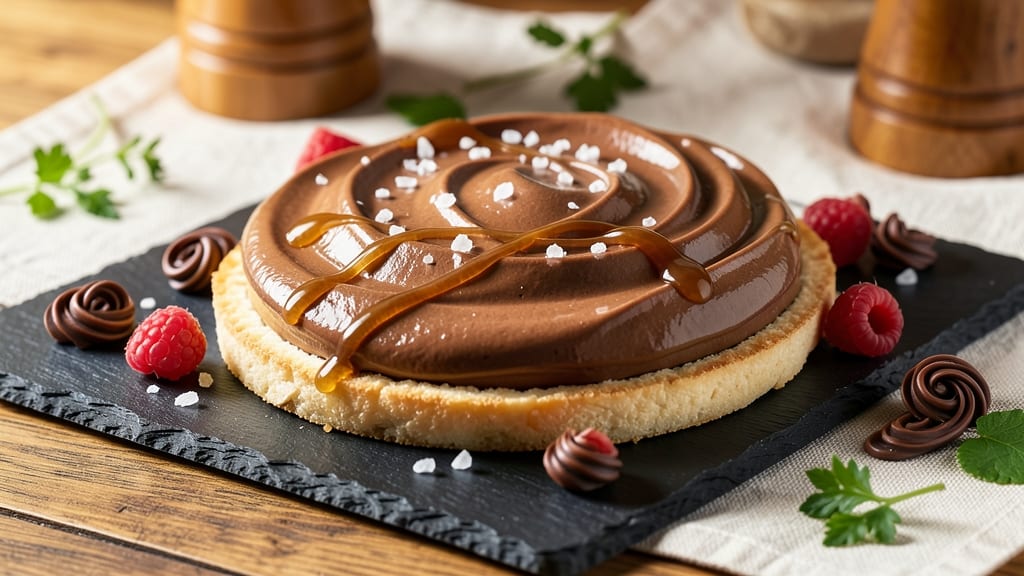
This Callebaut chocolate ganache recipe transforms any dessert into a showstopper with its velvety texture and rich flavor. The secret lies in precise ratios—equal parts high-quality chocolate and heavy cream—that create a smooth, pour-perfect consistency every time.
I’ve perfected this technique over years of baking, and it’s the foundation for everything from elegant trifles to decadent truffles.
The process is simpler than it looks: heat the cream until steaming, pour it over chopped chocolate, then let it rest until it reaches that signature glossy, spoonable state. No tempering required—just patience and the right chocolate-to-cream balance.
Callebaut’s high cocoa butter content ensures a ganache that stays stable at room temperature, making it ideal for layering or piping.
What you’ll end up with is a luxurious base that elevates cakes, mousses, or even cocktails with its deep, complex flavor. The ganache’s versatility means it can be used as-is for dipping, thinned with cream for drizzling, or folded into whipped cream for extra richness.
Once mastered, this recipe becomes your go-to for adding professional-level decadence to any dessert.
For extra depth, infuse the cream with vanilla, coffee, or citrus zest before mixing—each variation adds a unique twist without compromising the ganache’s signature smoothness. Store leftovers in the fridge for up to two weeks, or freeze for longer shelf life. Ready to elevate your desserts?
Ingredients for callebaut chocolate ganache
Eight ingredients, one luxurious result—this ganache is your secret weapon for restaurant-worthy desserts.
| Ingredient | Amount | Notes |
|---|---|---|
| Callebaut Grand Cru Chocolate (70% Cocoa) 🍫 | 8 oz | High-quality, high cocoa butter content |
| Heavy Whipping Cream 🥛 | 1 cup | Full-fat for best results |
| Unsalted Butter 🧈 | 2 tbsp | For extra richness (optional) |
| Vanilla Extract 🌿 | ½ tsp | Pure vanilla for depth (optional) |
| Kosher Salt 🧂 | ⅛ tsp | Balances sweetness |
| Granulated Sugar 🍚 | 1 tbsp | For smoother texture (optional) |
| Dark Rum or Coffee Liqueur 🍷 | 1 tbsp | For infusion (optional) |
| Orange Zest 🍊 | ½ tsp | Brightens flavor (optional) |
The chocolate is non-negotiable here. Callebaut Grand Cru is my go-to for its high cocoa butter content, which gives that signature glossy finish. If you can't find it, Valrhona or Guittard are solid backups—just avoid anything with less than 60% cocoa. The heavy cream should be cold and full-fat; Trader Joe's or Whole Foods carry excellent brands. For extra depth, infuse the cream with vanilla, coffee, or even a splash of rum while it heats—just strain it before mixing. The butter and sugar are optional but elevate the ganache to next-level richness.
No Callebaut? High-end 70% dark chocolate works in a pinch, but expect slightly less stability. Short on butter? Extra cream can compensate, though the texture will be lighter. The salt is crucial—it cuts through the sweetness and enhances the chocolate's complexity. For a smoother ganache, add the sugar while the mixture is still warm, then whisk vigorously. Want to skip the alcohol? Espresso powder or orange zest adds depth without the boozy note. The key is patience—let the ganache rest until it's glossy and spoonable, not runny.
This ganache keeps beautifully. Pour into a clean, airtight container and press plastic wrap directly onto the surface to prevent a skin from forming. It stays fresh in the fridge for up to 2 weeks—perfect for layering trifles or filling cupcakes. For longer storage, freeze for up to 3 months. To use, let it sit at room temperature for 10-15 minutes before pouring. Pro tip: Thin with a splash of warm cream if it's too thick, or fold into whipped cream for a lighter texture. Leftovers? Use them for dipping fruit or topping ice cream.
Why You'll Love This Recipe
- I swear by this combo: chop the Callebaut Grand Cru (just 10 minutes with a knife) and heat the cream. That’s it. No tempering, no fuss—just melt, mix, and let the chocolate do its magic.
- Two-Ingredient Core: I swear by this combo: chop the Callebaut Grand Cru (just 10 minutes with a knife) and heat the cream. That’s it. No tempering, no fuss—just melt, mix, and let the chocolate do its magic.
- Rich Without Overpowering: The 70% cocoa hits hard but smooths out with butter and a whisper of vanilla. It’s not sweet syrup; it’s chocolate—deep, balanced, and just salty enough from that pinch of kosher salt to make it sing.
- Weeknight Dessert Hack: Drizzle over store-bought cake or fold into ice cream when you’re too tired for from-scratch. Or—here’s my trick—keep a jar in the fridge for last-minute truffles. No one will guess it’s not homemade.
Step-by-step instructions for luxurious pour-over trifle base
Here's how to create a velvety, restaurant-quality ganache that's perfect for layering desserts.
Chop the Chocolate into Even Pieces
Start by finely chopping the 8 oz Callebaut Grand Cru Chocolate (70% Cocoa) into small, even pieces—about the size of large grains of rice. This ensures the chocolate melts uniformly and creates a smooth ganache without any grainy textures. I like to use a sharp chef's knife and work quickly to prevent the chocolate from getting warm from handling.
Place the chopped chocolate in a medium heatproof bowl. The reason for chopping finely is that it increases the surface area, allowing the hot cream to melt the chocolate more evenly and quickly. If you're using chocolate bars with a shell, remove the wrapper completely to avoid any plastic contamination in your ganache.
Heat the Cream to Scalding Temperature
In a small saucepan, heat the 1 cup Heavy Whipping Cream over medium heat until it reaches a gentle simmer—this is when you see small bubbles forming around the edges and steam rising consistently. You're aiming for a temperature of about 185°F, which is hot enough to melt the chocolate completely but not so hot that it burns or causes the cream to curdle.
Remove the pan from heat and let the cream sit for 30 seconds to cool slightly. This prevents the chocolate from seizing when the hot cream hits it. The cream should still be steaming but not boiling vigorously. If you're using any of the optional ingredients like 1 tbsp Dark Rum or Coffee Liqueur or 0.5 tsp Orange Zest, now's the time to add them to the warm cream for infusion.
Pour Cream Over Chocolate and Let It Bloom
Immediately pour the hot cream over the chopped chocolate in the bowl. Let it sit undisturbed for 1-2 minutes—this is the critical "blooming" phase where the chocolate begins to soften and release its natural cocoa butter. You'll notice the chocolate starting to break down and the mixture becoming glossy as the cocoa butter melts.
This step is where the magic happens. The heat from the cream melts the chocolate's cocoa butter first, which then helps melt the rest of the chocolate. If you stir too soon, you risk creating lumps that are difficult to smooth out later. Patience here ensures a perfectly silky ganache.
Stir Until Completely Smooth
Using a silicone spatula, gently stir the mixture in one direction until the chocolate is fully melted and the ganache is completely smooth. This should take about 2-3 minutes of consistent stirring. The ganache will thicken as it cools slightly, so don't worry if it looks a bit too thin at first—it will come together as it sits.
If you notice any small lumps, don't panic. Simply place the bowl over a pot of barely simmering water (double boiler method) for 10-15 seconds and stir again. This gentle heat helps dissolve any remaining chocolate particles. Once smooth, stir in the 2 tbsp Unsalted Butter, 0.5 tsp Vanilla Extract, 0.125 tsp Kosher Salt, and 1 tbsp Granulated Sugar until fully incorporated.
Cool and Adjust Consistency
Let the ganache cool to 90°F—this is the ideal pouring temperature for trifles and layering. If it thickens too much as it cools, you can gently reheat it in 10-second bursts in the microwave or over a double boiler, stirring constantly between each burst. The ganache should be thick enough to coat the back of a spoon but still flow smoothly when poured.
For a trifle base, you want a consistency that's like "thick honey"—it should hold its shape when poured but still be able to coat layers evenly. If you're using this ganache for filling cakes or cupcakes, you can adjust it to be slightly thicker. The key is to work quickly once you've reached the ideal temperature, as it will continue to set as it cools further.
Pro Tips For Making Callebaut Chocolate Ganache
- CHOP CHOCOLATE SMALL: Callebaut’s 70% Grand Cru bars are thick and dense—if you toss them in whole, you’ll end up with lumps no amount of whisking will fix. Use a sharp knife to hack them into rough ½-inch cubes first, then melt them in a wide, shallow bowl. Trust me, your ganache will be silky, not streaky.
- SCALED CREAM TEMPERATURE: Cold cream = grainy ganache. Warm your heavy cream to just under simmering—about 160°F (71°C)—before pouring it over the chocolate. Too hot, and the butter you’ll add later will seize up; too cold, and the chocolate won’t emulsify properly. A quick thermometer check saves you from scraping the bottom of the pot later.
- WHISK LIKE YOU MEAN IT: The moment you combine hot cream and chocolate, stop everything and whisk vigorously for 2 full minutes. I used to think “stirring” was enough, but that’s how you end up with a gloppy, uneven mess. The butter and vanilla can wait—get that chocolate fully dissolved first, or you’ll regret it when the ganache splits later.
- SALT THE BUTTER FIRST: Toss the kosher salt into the cold butter cubes before warming them in the ganache. This way, the salt dissolves evenly instead of clumping at the bottom of your bowl. (Yes, even a pinch makes a difference—especially with that intense 70% chocolate.) No one wants a buttery ganache with hidden salt crystals.
Troubleshooting this recipe
Grainy Texture Fix
If your ganache looks grainy after stirring, it’s likely from uneven chocolate melting. The solution? Double boiler to the rescue. Place your bowl over a pot of barely simmering water for 10-15 seconds, then stir gently with a silicone spatula.
The gentle heat helps dissolve stubborn chocolate particles without overheating the cream. For future batches, chop chocolate evenly (like rice grains) and ensure your cream reaches 185°F—no higher! 🌡️
Too Thin or Runny
A runny ganache usually means the chocolate-to-cream ratio is off or the mixture cooled too quickly. Let it sit at room temperature for 5-10 minutes—it’ll thicken naturally as it cools. If it’s still too thin, chill the bowl in an ice bath for 1-2 minutes while stirring constantly.
For a trifle base, aim for thick honey consistency; if it’s too thick, reheat in 10-second microwave bursts (stirring between each) until pourable.
Seized or Clumpy
Seizing happens when hot cream hits cold chocolate too abruptly. Prevent it by letting the cream cool slightly for 30 seconds after simmering. If it already seized, don’t panic! Add 1 tsp extra cream and stir vigorously over low heat (or a double boiler) until smooth.
For extra insurance, use room-temperature chocolate (store it in a cool, dry place, not the fridge).
Skin Forms on Surface
This is a classic fridge mishap! To prevent a skin from forming, press plastic wrap directly onto the surface before sealing the container. If a skin already formed, reheat the ganache gently (double boiler or microwave) and stir until smooth again.
Store ganache in shallow, wide containers—they cool more evenly and reduce skin formation. For long-term storage, freeze in single-serving portions for easy thawing. ✨
Burnt or Bitter Taste
Overheating the cream is the usual culprit here. Keep the heat at medium-low and remove the pan from heat as soon as it simmers. If the ganache tastes off, try balancing it with a pinch of vanilla extract or orange zest—these brighten the flavor.
For future batches, use fresh, high-quality chocolate (like Callebaut Grand Cru)—lower-quality chocolate burns more easily. 🍫
Not Setting Properly
If your ganache doesn’t firm up, it’s likely too thin or the chocolate wasn’t high enough in cocoa butter. For a firmer texture, chill the ganache for 15-20 minutes before using. If it’s still too soft, add 1 tbsp extra butter and stir until incorporated.
For trifles, a slightly softer ganache works better—just ensure it’s spoonable but not liquid. Pro tip: Use 70% cocoa chocolate (like Callebaut) for the best stability. ❄️
Nutrition facts
Frequently asked questions
Can I use milk instead of heavy cream for this ganache?
Not for this recipe! Heavy cream's high fat content creates the signature velvety texture and proper setting. If you must substitute, use half-and-half but expect a lighter, less stable ganache that won't hold its shape as well. For best results, stick with full-fat heavy cream—it's the secret to that luxurious trifle base.
How do I adjust this recipe for white chocolate ganache?
For white chocolate, reduce the cream to ¾ cup and add 1 tbsp extra butter to compensate for the lower cocoa butter content. White chocolate also needs a touch more heat—bring the cream to 195°F to fully melt it. Stir in ½ tsp vanilla extract and let it cool to 90°F before using. The texture will be slightly softer but equally smooth!
Can I make this ganache ahead of time?
This ganache actually tastes better after resting. Prepare it up to 3 days in advance and store it in an airtight container with plastic wrap pressed directly on the surface. For trifles, let it cool completely before layering. If it thickens too much, reheat gently (double boiler or microwave) until smooth. The flavors meld beautifully over time!
Why does my ganache turn grainy?
Graininess usually means uneven melting. Try this fix: Place your bowl over barely simmering water (double boiler) for 10-15 seconds, then stir gently. For prevention, chop chocolate into even rice-sized pieces and ensure your cream reaches exactly 185°F—no hotter! The key is patience during the blooming phase when you pour the cream over chocolate.
How can I use this ganache in cocktails?
Chill the ganache until firm, then shave it into thin curls for garnish on chocolate martinis or Old Fashioneds. For a boozy ganache, infuse the cream with 1 tbsp coffee liqueur or dark rum before making the ganache. Drizzle over vanilla ice cream for a dessert cocktail, or use it to glaze chocolate-dipped strawberries as a sophisticated garnish. The possibilities are endless!