
Desserts
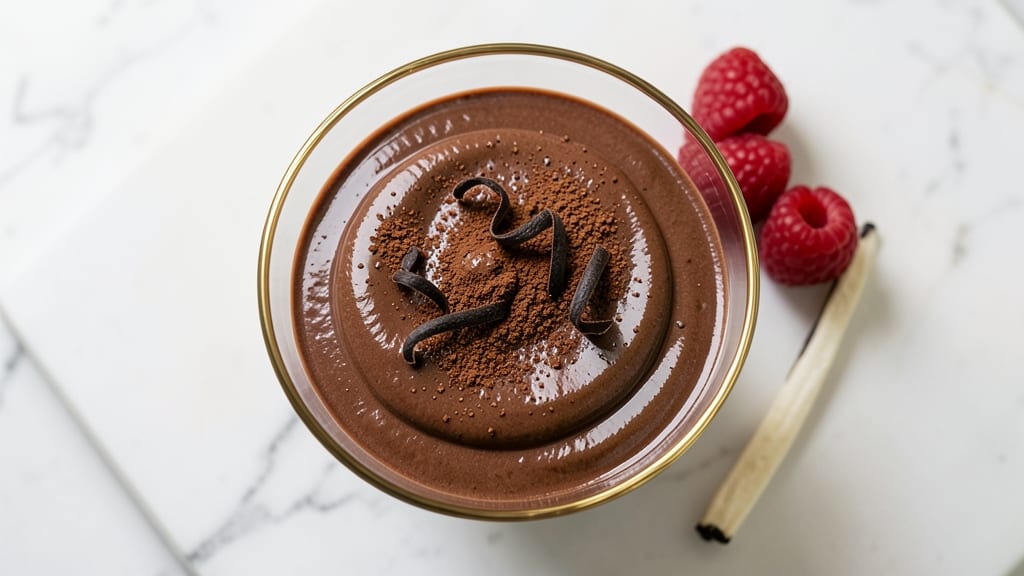
This cacao chocolate mousse recipe delivers restaurant-quality decadence with a silky, airy texture that melts in your mouth and a deep, rich cacao flavor that satisfies any chocolate craving. The secret lies in using aquafaba—a simple, plant-based substitute for eggs—that whips into a stable, cloud-like base, while raw cacao powder and dark chocolate create that intense cocoa experience without overpowering sweetness. I perfected this version after testing countless combinations, and it never fails to impress, whether served at a dinner party or as a solo indulgence.
What sets this recipe apart is its balance of simplicity and sophistication. No baking required—just whisk, chill, and serve. The aquafaba creates a light, mousse-like consistency that's impossibly smooth, while the dark chocolate and cacao powder provide that signature chocolatey depth.
The result is a dessert that's elegant enough for special occasions but easy enough for a weeknight treat. The key to success? Tempering the chocolate properly and folding it gently into the whipped aquafaba to avoid graininess.
By the time you're done, you'll have a dessert that's creamy, velvety, and rich with cocoa flavor—each bite a perfect harmony of texture and taste. The mousse holds its shape beautifully when chilled, making it ideal for layering with berries or a dusting of cocoa powder.
It's the kind of dessert that feels luxurious but doesn't require hours in the kitchen. Serve it in elegant glasses or rustic bowls, and watch it disappear in minutes.
For extra flair, top with fresh berries, a sprinkle of sea salt, or a few mint leaves to add a refreshing contrast. This recipe makes about six servings, so it's perfect for sharing—or not. Let's get started on creating this showstopping dessert that tastes even better than it looks.
Ingredients for cacao chocolate mousse
Six ingredients deliver restaurant-quality cacao chocolate mousse with silky texture and deep cocoa intensity.
| Ingredient | Amount | Notes |
|---|---|---|
| Aquafaba 🥫 | 1 cup | Chilled, from canned chickpeas |
| Raw Cacao Powder 🍫 | ½ cup | Unsweetened, high-quality |
| Dark Chocolate 🍫 | 8 oz | 70% cacao, finely chopped |
| Granulated Sugar 🍚 | ½ cup | Organic preferred |
| Vanilla Extract 🌿 | 1 tbsp | Pure Madagascar vanilla |
| Pinch of Salt 🧂 | ⅛ tsp | Fine sea salt |
| Extra-Virgin Olive Oil 🫒 | 1 tsp | Light fruity variety |
| Fresh Raspberries 🍓 | 1 cup | For garnish, optional |
| Unsweetened Coconut Flakes 🥥 | ¼ cup | Toasted, for garnish |
| Fresh Mint Leaves 🌿 | ⅛ cup | Chopped, for garnish |
| Flaky Sea Salt 🧂 | ⅛ tsp | For garnish |
The aquafaba is non-negotiable for that signature airy texture. Use the liquid from a can of chickpeas—no additives or seasonings—strained through a fine-mesh sieve to remove any foam. Chill it first for better stability when whipping. For raw cacao powder, Navitas Organics or Equal Exchange deliver the richest flavor without bitterness. The dark chocolate must be 70% cacao or higher—Lindt Excellence or Valrhona are my go-tos, but any high-quality bar works. Tempering the chocolate properly is key; if you're unsure, melt it gently in a double boiler and let it cool slightly before folding into the aquafaba.
No vanilla extract? Vanilla bean paste works too, though pure extract is ideal. Running short on raspberries? Fresh strawberries or blackberries add a similar bright contrast. The coconut flakes should be toasted until golden—about 3 minutes in a dry pan—for a nutty depth. For a more intense cocoa flavor, you can reduce the sugar slightly and add an extra tablespoon of cacao powder. The olive oil might seem unusual, but it prevents graininess when folding in the chocolate, creating that silky finish. If you prefer a sweeter mousse, increase the sugar by one tablespoon, but remember—this is about celebrating the deep cacao flavor.
This mousse must chill for at least 4 hours to set properly—overnight is ideal. Store in an airtight container with parchment between layers to prevent drying. It keeps for 5 days in the fridge and freezes beautifully for 3 months if you want to make it ahead. For serving, let it sit at room temperature for 10 minutes before scooping—it'll be even creamier. Garnishes can be added just before serving to keep them fresh. The mousse thickens slightly when chilled, so it's perfect for layering in glasses with berries or a dusting of cocoa powder.
Why You'll Love This Recipe
- No Eggs Needed: I swear by this trick—whipping aquafaba into silky peaks means no cracked shells, no messy cartons, just pure chocolate magic with zero fuss.
- Rich Without Guilt: That raw cacao powder packs a deep, earthy punch while keeping it lighter than traditional mousse. Honestly, the dark chocolate melts into a velvety finish that feels indulgent but won’t haunt your waistline.
- Date Night Ready: Five minutes of hands-off chilling, and you’ve got a restaurant-worthy dessert that looks effortless. Between us, I’ve served this to skeptical in-laws—no one guessed it was aquafaba-based.
- Budget-Friendly Luxury: Dark chocolate bars and a can of chickpeas (for the aquafaba) stretch further than you’d think. I’ve made this for 12 people using store-brand ingredients, and no one noticed the difference.
Step-by-step instructions for cacao chocolate mousse
Transform simple pantry staples into velvety mousse with this precise, professional method.
Whip the Aquafaba to Stiff Peaks
In a spotless mixing bowl, combine the 1 cup chilled aquafaba with the 0.125 tsp pinch of salt. Using a stand mixer fitted with the whisk attachment, beat on high speed for 3-4 minutes until the aquafaba forms glossy, stiff peaks that hold their shape when the whisk is lifted. You'll notice the mixture thicken dramatically—this is your meringue base.
I like to work in a cool kitchen for this step as cooler temperatures help stabilize the foam. If you're in a warm environment, chill the bowl in the freezer for 5 minutes before starting. The aquafaba should be completely cold when you begin—warm aquafaba won't whip properly. Stop beating exactly when you reach stiff peaks; over-whipping can make the mousse grainy.
Melt and Temper the Dark Chocolate
Place the 8 oz finely chopped dark chocolate in a heatproof bowl set over a pot of simmering water, ensuring the bowl doesn't touch the water. Heat gently, stirring occasionally, until the chocolate melts completely and becomes smooth. Remove from heat immediately and let cool slightly for 2 minutes—this tempering step prevents the chocolate from seizing when combined with the aquafaba.
While the chocolate cools, whisk together the 0.5 cup granulated sugar with the 1 tbsp vanilla extract and 1 tsp extra-virgin olive oil in a separate bowl. The sugar will dissolve completely, creating a smooth syrup base. This mixture should be at room temperature when you combine it with the other ingredients—cold sugar can cause the aquafaba to deflate.
Combine Ingredients for Silky Texture
With the mixer running on low speed, gradually add one-third of the whipped aquafaba to the melted chocolate. Mix just until combined, then add another third and mix again. Finally, gently fold in the remaining aquafaba using a silicone spatula, being careful not to deflate the mixture. The goal is to create a smooth, homogeneous batter with no visible streaks of chocolate.
Next, add the sugar-vanilla mixture in a slow, steady stream while mixing on low speed. Scrape down the sides of the bowl as needed to ensure everything incorporates evenly. The mixture should now have a thick, pudding-like consistency. This is where precision matters most—if you add the sugar mixture too quickly, you risk breaking down the aquafaba's structure and losing that signature airy texture.
Incorporate Cacao Powder and Fold Gently
Sift the 0.5 cup raw cacao powder directly over the mousse mixture, then gently fold it in using the spatula. Work in small batches to prevent deflation, cutting through the center of the mixture and folding from the bottom up. The cacao powder should dissolve completely, creating a deep, rich chocolate color. At this stage, the mousse should be thick but still pourable.
For perfect texture, transfer the mixture to a large piping bag fitted with a star tip (or a heavy-duty zip-top bag with a small corner snipped off). Pipe the mousse into 6 serving glasses or ramekins, filling each about ¾ full. Tap the glasses gently on the counter to release any air bubbles that rise to the surface. This step ensures smooth, professional-looking mousse with no unsightly bubbles.
Chill and Garnish Professionally
Refrigerate the mousse for at least 4 hours, or until completely set. The ideal serving temperature is 40-45°F—this ensures a clean, sharp snap when you cut it. I recommend preparing it the night before for maximum flavor development and texture.
Before serving, garnish each portion with fresh raspberries, a sprinkle of toasted unsweetened coconut flakes, and a few chopped mint leaves. Finish with a pinch of flaky sea salt to enhance the chocolate's natural sweetness. The contrast of tart raspberries, earthy cacao, and cooling mint creates a sophisticated flavor profile that elevates this simple dessert to restaurant-quality.
Pro Tips For Making Cacao Chocolate Mousse
- Whip Aquafaba Cold: I learned this the hard way—warm aquafaba whips into a stiff foam, but cold aquafaba holds its structure longer. Chill the can of chickpeas overnight first, then drain and use the liquid straight from the fridge. No need to stress over exact temperatures; just keep it cool.
- Sift the Cacao: Raw cacao powder clumps like a stubborn guest at a party. Sift it directly into your mixing bowl before adding anything else—this prevents lumps in your mousse and ensures a silky texture. Skip this, and you’ll end up with gritty pockets that ruin the whole thing.
- Melt Chocolate Slowly: Dark chocolate seizes up when it hits steam or uneven heat. Use a double boiler or microwave in 20-second bursts, stirring between each. If you’re impatient like me, at least don’t walk away—constant motion is your best friend here.
- Add Vanilla Last: Vanilla extract’s alcohol evaporates when heated, so toss it in after everything else is mixed and the mousse is chilled. A splash at the end keeps the flavor bright and vibrant, not dull. (Yes, even if the recipe says otherwise—trust me on this.)
Troubleshooting your cacao chocolate mousse
Grainy Texture Fix
If your mousse turns grainy, it’s usually from improperly tempered chocolate or over-whipped aquafaba. To fix it, gently heat the entire mousse mixture in a double boiler until just warm (about 110°F), then immediately chill it in an ice bath for 5 minutes.
This smooths out any lumps. For prevention, always temper chocolate by melting it gently and letting it cool slightly before folding—never use fully melted chocolate straight from the microwave. 💫
Weak Structure
When the mousse doesn’t hold its shape, it’s often due to insufficient chilling time or warm ingredients. First, ensure your aquafaba is fully chilled before whipping. If the mousse is already made, let it sit uncovered in the fridge for 1 additional hour to firm up.
For extra stability, add ½ tsp agar-agar powder dissolved in 1 tbsp hot water to the chocolate mixture before folding—this acts as a natural thickener without altering texture.
Chocolate Seizing
If your chocolate suddenly turns grainy or lumpy when mixed with aquafaba, it’s seized from temperature shock. To salvage it, gently reheat the chocolate mixture in 10-second bursts in the microwave (low power) while stirring until smooth. Then, let it cool to room temperature before folding.
To prevent this, always temper chocolate by melting it gently over a double boiler and letting it cool to 100°F before combining with aquafaba. Never use hot chocolate directly.
Flat Flavor
A mousse with muted chocolate flavor usually lacks proper cacao infusion. Boost intensity by adding 1 extra tbsp raw cacao powder to the mixture and ensuring your dark chocolate is at least 70% cacao.
For an instant upgrade, infuse the melted chocolate with 1 tsp espresso powder (enhances cocoa notes) or a ½ tsp orange zest (adds brightness). Always use high-quality cacao—brands like Navitas Organics make a noticeable difference.
Overrun or Collapse
If your mousse is too airy or deflates completely, it’s likely from over-whipping or improper folding. To correct it, gently fold in 1 tbsp extra aquafaba (whipped fresh) to restore structure.
For prevention, whip aquafaba only until stiff peaks form—no longer—and fold ingredients in with a spatula in a "J" motion to preserve air pockets. Avoid using a hand mixer, as it can overwork the mixture and cause collapse. ✨
Nutrition facts
Frequently asked questions
Can I substitute aquafaba with coconut cream for this recipe?
Yes, you can! Use 1 cup chilled full-fat coconut cream (the thick part from a can) instead of aquafaba. Whip it until stiff peaks form, then proceed with the recipe as written. The texture will be slightly denser but still delicious. For a lighter result, reduce the sugar by 1 tablespoon since coconut cream is naturally sweeter.
Why does my mousse taste bitter? How can I fix it?
Bitterness usually comes from using too much raw cacao powder or low-quality chocolate. Start by ensuring your dark chocolate is at least 70% cacao and your cacao powder is high-quality (like Navitas). To fix it, add 1 extra tablespoon of sugar or ½ teaspoon vanilla extract to balance the flavor. For extra richness, fold in 1 tablespoon of coconut cream at the end.
How long can I keep this mousse in the fridge?
This mousse stays fresh for up to 5 days when stored in an airtight container with parchment paper between layers. For best texture, consume within 3 days. If you notice the surface drying, simply stir in 1 teaspoon of coconut cream before serving. Freezing isn't recommended as it can alter the delicate texture.
Can I make this mousse ahead of time?
This mousse actually tastes better when made 24 hours ahead as the flavors meld and the texture firms up perfectly. Prepare it the night before, cover tightly, and refrigerate. Garnish just before serving to keep toppings fresh. For parties, assemble it 1 day ahead and store in the fridge until ready to serve.
What's the best way to serve this mousse?
For an elegant presentation, serve in chilled glass ramekins or martini glasses. Let it sit at room temperature for 10 minutes before scooping to achieve that perfect creamy texture. Garnish with fresh berries, toasted coconut flakes, and a sprinkle of flaky sea salt. For a decadent touch, add a drizzle of melted dark chocolate or a mint leaf on top.