
Desserts
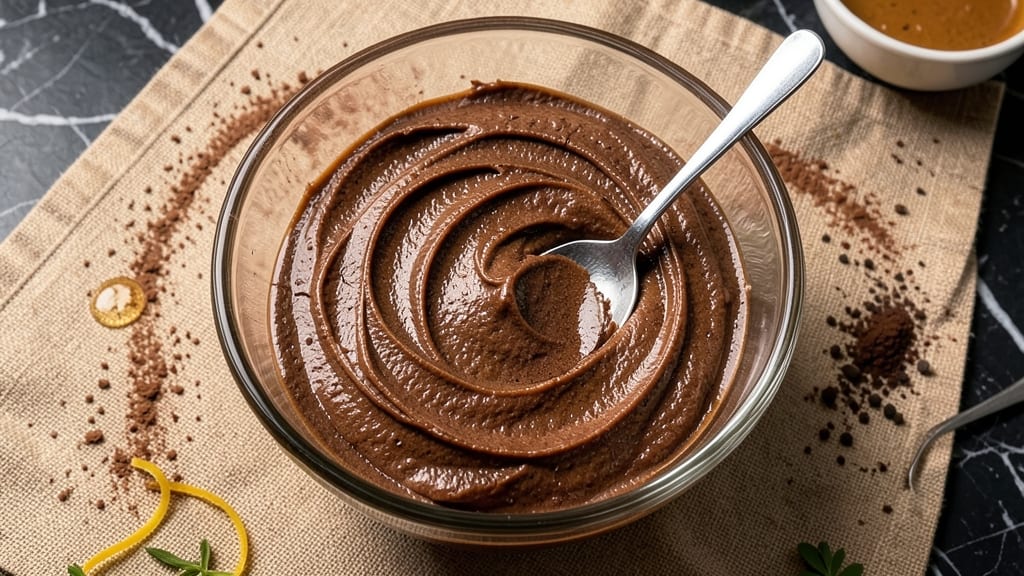
This butterless chocolate frosting recipe delivers restaurant-quality richness without dairy, using a clever blend of coconut oil and aquafaba for stability and depth.
The secret lies in the ratio—powdered sugar and cornstarch create a smooth, pipeable texture that stays firm at room temperature, while espresso powder adds complexity that mimics traditional butter-based frostings.
I developed this after years of perfecting vegan desserts, and it’s become my go-to for cakes, cupcakes, and cookies that impress even non-vegans.
The frosting achieves its velvety consistency through a two-stage mixing process: first whipping aquafaba into stiff peaks to incorporate air, then gradually folding in melted coconut oil and powdered sugar.
This method ensures a light, airy texture without graininess, and the addition of cocoa powder guarantees that deep, satisfying chocolate flavor. What’s most surprising is how well it mimics the mouthfeel of butter-based frostings—creamy yet firm enough to hold peaks.
What sets this frosting apart is its versatility—it’s stable enough for piping intricate designs on cakes, sturdy enough for cupcake swirls, and rich enough to coat every crumb of a chocolate chip cookie.
The optional espresso or peppermint extracts add layers of flavor without overpowering the chocolate, making it adaptable to any dessert occasion. Best of all, it requires just 5 simple ingredients and comes together in under 10 minutes of active time.
Whether you’re baking for a celebration or simply craving a decadent treat, this frosting proves that plant-based desserts can be just as indulgent as traditional ones.
The key is patience—letting the frosting rest for 30 minutes before using ensures the flavors meld perfectly, resulting in a finish that’s smooth, glossy, and utterly irresistible. Let’s get started!
Ingredients for butterless chocolate frosting
Five core ingredients create restaurant-quality chocolate frosting without dairy or butter.
| Ingredient | Amount | Notes |
|---|---|---|
| Unsweetened Coconut Oil 🥥 | ½ cup | Refined for neutral flavor, solid at room temperature |
| Aquafaba 🌱 | ½ cup | Fresh from canned chickpeas, no salt added |
| Powdered Sugar 🍚 | 2 cups | Confectioners' sugar, sifted for smooth texture |
| Dutch-Processed Cocoa Powder 🍫 | ½ cup | High-fat for rich chocolate flavor |
| Cornstarch 🌾 | 2 tbsp | For stability and pipeable consistency |
| Espresso Powder ☕ | 1 tsp | Optional for depth, adjust to taste |
| Vanilla Extract 🌿 | 1 tsp | Pure vanilla for aromatic complexity |
| Peppermint Extract 🍃 | ½ tsp | Optional alternative to espresso |
| Fine Sea Salt 🧂 | ¼ tsp | Enhances chocolate flavor |
The coconut oil must be refined—not virgin—to avoid coconut flavor dominance, and it should be melted just until liquid for optimal incorporation. Aquafaba is the secret protein base; use the liquid from a can of chickpeas (like Great Northern or Bush's), drained and measured without the foam. For cocoa powder, Dutch-processed delivers smoother flavor and deeper color—Valrhona or Hershey's Special Dark are excellent choices. Powdered sugar should be sifted before measuring to prevent graininess, and cornstarch acts as the stabilizer that mimics butter's emulsifying properties. Store all dry ingredients in airtight containers away from moisture to preserve freshness.
No aquafaba? Silken tofu blended until smooth works as a substitute (use 0.5 cup, drained well), though texture will be slightly denser. Substitute espresso powder with instant coffee granules (1 tsp) or skip entirely for a purer chocolate flavor. Peppermint extract can be replaced with mint extract, but reduce to 0.25 tsp to avoid overpowering. For a nut-free version, ensure all extracts are certified allergen-free. If using brown sugar instead of powdered, reduce by 0.25 cup and add 1 tbsp extra cocoa powder to maintain richness. The frosting’s stability relies on the cornstarch-to-sugar ratio; never omit it even if you’re short on time.
This frosting achieves peak texture after 30 minutes of resting at room temperature, allowing flavors to meld and air to incorporate fully. Store in an airtight container between uses, layered with parchment paper to prevent sticking. It remains fresh for 5 days in the refrigerator or 3 months in the freezer, though texture may soften slightly after thawing. For piping, chill the frosting for 10 minutes before using—this ensures clean lines and sharp peaks. Leftovers can be re-whipped briefly to restore consistency, though adding a splash of cold water (1 tsp) helps smooth out any graininess.
Why You'll Love This Recipe
- Here’s what sold me: that deep, velvety chocolate flavor without a single bite of butter. The Dutch-processed cocoa gives it a sophisticated bitterness, while the aquafaba keeps it light. Honestly, it’s the kind of frosting that makes you pause and think, "Wait, is this even vegan?"
- No-Fuss Whip: I swear by this—just three ingredients (plus aquafaba) and a hand mixer. No melting butter, no waiting for it to cool, no stress. The cocoa powder and coconut oil blend into something so smooth, you’ll forget it’s not the classic version.
- Rich Without Butter: Here’s what sold me: that deep, velvety chocolate flavor without a single bite of butter. The Dutch-processed cocoa gives it a sophisticated bitterness, while the aquafaba keeps it light. Honestly, it’s the kind of frosting that makes you pause and think, "Wait, is this even vegan?"
- Cake & Beyond: Between us, this isn’t just for cakes. Slather it on cookies, drizzle it over pancakes, or even mix it into oatmeal for a decadent breakfast. I’ve used it to fill cupcakes, top brownies, and even as a glaze for roasted veggies—yes, really. The cornstarch keeps it stable, so it won’t melt into a puddle.
Step-by-step instructions for butterless chocolate frosting
This method delivers professional-level texture and flavor using only plant-based ingredients.
Whip the Aquafaba to Stiff Peaks
In a clean, grease-free mixing bowl, combine the 0.5 cup aquafaba using a stand mixer fitted with the whisk attachment. Beat on high speed for 4-5 minutes until the aquafaba forms stiff, glossy peaks that hold their shape when the whisk is lifted. You'll notice the mixture thicken dramatically as air incorporates—this is crucial for achieving the light, fluffy texture of traditional butter-based frosting.
I recommend using a digital mixer for this step as hand-whisking can introduce too much heat and prevent proper aeration. If the aquafaba doesn't reach stiff peaks after 5 minutes, chill the bowl in the refrigerator for 10 minutes before attempting again. The colder temperature helps stabilize the proteins for better volume.
Melt and Cool the Coconut Oil
In a microwave-safe bowl, melt the 0.5 cup unsweetened coconut oil in 20-second intervals, stirring between each, until completely liquid. The oil should reach 110°F—just warm enough to blend smoothly but not hot enough to cook the aquafaba. Let it cool for 5 minutes at room temperature while you prepare the remaining ingredients.
This cooling step prevents the coconut oil from melting the powdered sugar prematurely, which would create a grainy texture. If the oil cools too much and solidifies, warm it gently over a double boiler until just liquid again. The goal is to have it in a semi-solid state when combined with the whipped aquafaba.
Gradually Incorporate Dry Ingredients
With the mixer running on low speed, gradually add the 2 cups powdered sugar, 0.5 cup Dutch-processed cocoa powder, 2 tbsp cornstarch, 1 tsp espresso powder, 0.5 tsp peppermint extract, and 0.25 tsp fine sea salt in three separate additions. After each addition, increase speed to medium and mix for 30 seconds until fully incorporated and smooth.
The key here is patience—adding all the dry ingredients at once can cause the mixture to curdle. I like to add about ⅓ of the powdered sugar first, then ⅓ of the cocoa powder and cornstarch, followed by the remaining ingredients. This layered approach prevents lumps and ensures even distribution of flavor.
Combine with Coconut Oil and Vanilla
With the mixer running on low speed, slowly drizzle in the cooled coconut oil while scraping down the sides of the bowl with a spatula. Once fully incorporated, add the 1 tsp vanilla extract and mix on medium speed for 2-3 minutes until completely smooth and glossy. The frosting should be thick but pipeable, with a texture similar to traditional buttercream.
If the frosting appears too thick, add 1 teaspoon of hot water at a time until it reaches the desired consistency. Conversely, if it's too thin, chill the bowl in the refrigerator for 10-15 minutes to help it firm up. The final texture should hold its shape on a piping bag but still be spreadable with a knife.
Rest and Adjust Consistency
Transfer the frosting to an airtight container and refrigerate for at least 1 hour before using. This resting period allows the flavors to meld and the texture to stabilize. After chilling, give it one final mix on medium speed for 1 minute to restore smoothness if it has thickened slightly.
The frosting should now be rich, velvety, and deeply chocolatey with notes of espresso or peppermint, depending on your preference. For best results, use it to frost cakes, cupcakes, or cookies that have been cooled completely. If the frosting becomes too firm after chilling, soften it slightly by mixing in 1-2 teaspoons of warm water until it reaches a spreadable consistency.
Pro Tips For Making Butterless Chocolate Frosting
- Melt Coconut Oil Slowly: I learned this the hard way—dumping cold coconut oil straight into warm aquafaba makes it seize up like glue. Instead, melt the coconut oil in 10-second bursts in the microwave (yes, even if it’s solid), then let it cool for 30 seconds before mixing. That way, it blends smoothly without turning your frosting into a greasy mess.
- Whip Aquafaba to Stiff Peaks: Skip the "just whip it" approach—your frosting will collapse if the aquafaba isn’t thick enough. Use a stand mixer (not hand) and whip the aquafaba until it holds a peak when you lift the whisk. If it’s still runny after 3 minutes, add a pinch of cream of tartar (½ tsp) and keep going. Trust me, this is the thing that matters most.
- Sift Cocoa and Sugar Together: I was skeptical until I tried it: sifting the cocoa powder and powdered sugar before mixing cuts out clumps like magic. Use a fine-mesh sieve and tap it gently over a bowl—this ensures your frosting stays silky, not grainy. (And yes, even if you’re impatient like me, take the 10 seconds.)
- Chill Before Spreading: Does it look weird? Yes. Does it work? Every single time. After mixing, pop your frosting in the fridge for 15–20 minutes. This firms it up so it doesn’t slide off cakes or cupcakes like a sad puddle. Pro move: line a tray with parchment, spread it thin, and chill—then pipe or spread with zero stress.
Serving suggestions for this recipe
Cake Decorating Ideas
Use this frosting to create elegant roses with a Wilton 1M piping tip—its smooth texture holds peaks beautifully. For a rustic look, spread it generously on layer cakes and sprinkle with crushed vegan dark chocolate or toasted coconut flakes.
I love adding edible gold leaf for special occasions, as it adheres perfectly to the glossy surface. 🌸
For cupcakes, pipe swirls using a star tip and top with vegan caramel drizzle or fresh raspberries. The frosting’s stability makes it ideal for tiered cakes—pipe borders with a petal tip for a delicate, lace-like effect.
If you’re feeling adventurous, try reverse piping onto parchment paper to create free-standing decorations.
Cookie & Bar Toppings
This frosting isn’t just for cakes—it’s perfect for chocolate chip cookies or brownies. Spread a thin layer on warm cookies and sprinkle with sea salt flakes and chopped pistachios for a gourmet touch.
For vegan blondies, drizzle over the top while still soft for a marbled effect. The frosting’s richness complements spiced cookies like gingerbread or snickerdoodles too. 🍪
Use it to fill vegan thumbprint cookies or mini cheesecakes—its thickness holds its shape without crumbling. For cookie bars, spread it evenly over the top and bake briefly to set, then add chocolate shavings or crushed pretzels before cooling.
The frosting’s espresso or peppermint notes pair especially well with peanut butter or oatmeal cookies.
Garnishes & Finishing Touches
Elevate any dessert with microgreens or edible flowers like violets—their bright colors contrast beautifully against the deep chocolate. For a holiday twist, pipe mini snowflakes onto sugar cookies or gingerbread. I also love dusting the top with matcha powder for a mocha-inspired finish. 🎄
Add crushed freeze-dried raspberries for a tart-sweet contrast or orange zest for a citrusy brightness. For a luxurious touch, melt vegan white chocolate and drizzle over the frosting before it sets. The frosting’s neutral base lets these garnishes shine without overpowering the chocolate flavor.
Serving Suggestions
Serve chilled desserts with a scoop of vegan vanilla ice cream—the contrast between cold and room-temperature frosting is magical. For warm desserts, like cinnamon rolls, spread the frosting while still warm for a gooey texture.
The frosting’s stability makes it ideal for make-ahead treats, so prepare it a day in advance for effortless entertaining. ✨
Pair with sparkling wine or espresso to highlight the frosting’s chocolate and espresso notes. For a breakfast dessert, spread it on pancakes or waffles with sliced bananas and pecans. The frosting’s versatility means it works for brunch, dinner parties, or midnight cravings—no guilt required!
Nutrition facts
Frequently asked questions
Can I make this frosting without aquafaba?
Yes! If you don’t have aquafaba, substitute with 0.5 cup silken tofu (blended until completely smooth) or 0.5 cup vegan yogurt (like coconut or almond). For best results, chill the substitute for 10 minutes before whipping to mimic aquafaba’s protein structure. The texture will be slightly denser but still pipeable.
Why does my frosting taste grainy?
Graininess usually means the powdered sugar wasn’t sifted or the coconut oil was too warm when mixed. Always sift your powdered sugar and let melted coconut oil cool to 110°F before combining. If graininess appears after mixing, add 1 tsp hot water and re-whip briefly to dissolve any sugar crystals.
How do I adjust the sweetness level?
The recipe balances sweetness with cocoa powder and espresso for depth. For less sweetness, reduce powdered sugar by 0.25 cup and add 1 tbsp extra cocoa powder. For more sweetness, increase powdered sugar by 0.25 cup and add 0.5 tsp vanilla extract to enhance flavor without extra sugar.
Will this frosting hold up in hot weather?
This frosting is stable at room temperature for 2-3 hours but may soften in temperatures above 80°F. For hot climates, chill the frosting for 10 minutes before piping and store any leftovers in the refrigerator. If it becomes too firm, soften with 1 tsp warm water and re-whip briefly.
Can I use this frosting for filled donuts?
This frosting’s thick, stable texture makes it perfect for donuts. Fill with a piping bag fitted with a small round tip and top with sprinkles or crushed nuts. For extra shine, brush the frosting with a tiny bit of vegan simple syrup (equal parts sugar and water, heated until dissolved) before adding toppings.