
Desserts
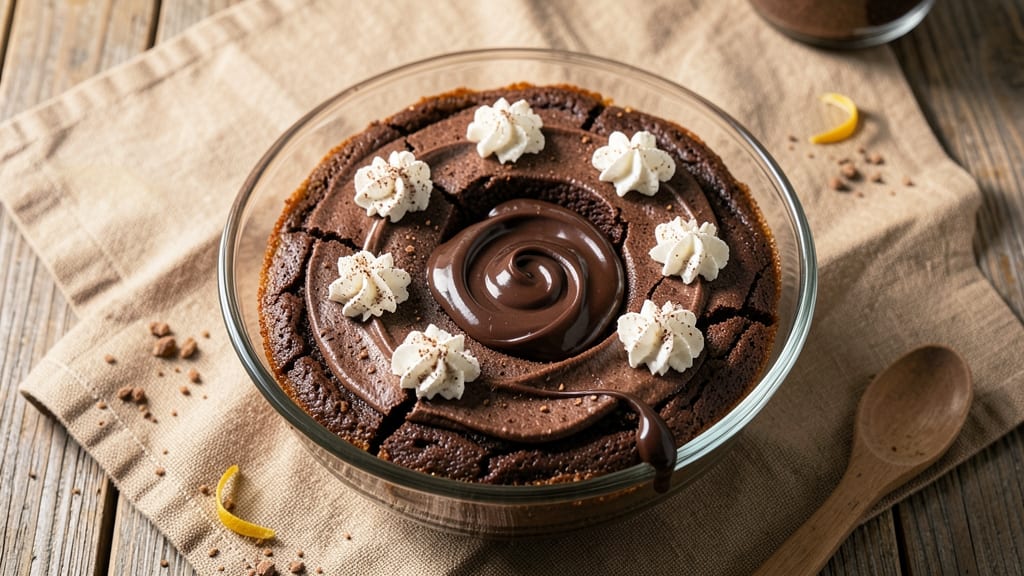
This butter chocolate cake mix recipe transforms a simple box into a decadent dessert with ultra-moist layers and velvety frosting. The secret lies in using real butter instead of oil, which creates a richer flavor and tender crumb that boxed mixes often miss.
I’ve perfected this technique over years of baking, ensuring every slice is perfectly balanced—fudgy yet light, with a frosting that melts in your mouth.
The process couldn’t be simpler: preheat the oven, mix the batter with melted butter (never skip this step!), and bake until a toothpick comes out clean. The butter adds depth to the chocolate flavor, while a quick coffee or espresso powder twist elevates it to restaurant-quality.
For extra indulgence, swap the standard frosting for a chocolate ganache or keep it classic with whipped cream and fresh berries.
What you’ll end up with is a cake so moist that it stays fresh for days, with layers that crumble just enough to hold the frosting without falling apart. The butter creates a subtle richness that cuts through the sweetness, making each bite satisfying.
This is the kind of dessert that feels like a special occasion—even when it’s just a weeknight treat.
Pair it with warm vanilla ice cream or a tangy fruit compote to balance the richness, and you’ve got a dessert that’s foolproof yet impressive. Let’s get baking—your taste buds will thank you.
Ingredients for butter recipe chocolate cake mix
Eight ingredients plus a box mix—all you need for restaurant-quality chocolate cake.
| Ingredient | Amount | Notes |
|---|---|---|
| Chocolate Cake Mix 🍫 | 1 box | Any brand, semi-sweet or rich chocolate |
| Unsalted Butter 🧈 | 1 cup | Cold, cut into small cubes |
| Large Eggs 🥚 | 2 whole | Room temperature preferred |
| Milk 🥛 | 1 cup | Whole milk for richness |
| Vegetable Oil 🫒 | ½ cup | For extra moisture |
| Instant Espresso Powder ☕ | 1 tbsp | Enhances chocolate flavor |
| Vanilla Extract 🌿 | 1 tsp | Pure extract preferred |
| All-Purpose Flour 🌾 | ½ cup | For texture adjustment |
| Granulated Sugar 🍚 | ¼ cup | For extra sweetness |
| Baking Soda 🧪 | ½ tsp | Boosts rise |
| Salt 🧂 | ¼ tsp | Diamond Crystal preferred |
| Powdered Sugar 🍚 | 2 cups | For frosting |
| Heavy Whipping Cream 🥛 | 1 cup | Cold for best whipping |
| Chocolate Chips 🍫 | 1 cup | Semi-sweet for garnish |
The butter is non-negotiable here. Cold cubes melt into the batter for that ultra-moist texture—don’t use melted butter. Grab Land O’Lakes or Plugrah from the grocery store dairy section, or Organic Valley if you prefer organic. The cake mix? Any brand works, but semi-sweet or rich dark chocolate gives the best depth. Pro tip: Check the box for ‘enriched’—those have extra fat for even more richness. The espresso powder? Starbucks or Folgers instant works perfectly. If you’re feeling fancy, grab a small bag of Valrhona cocoa powder to mix in for a pro-level upgrade.
No butter? Coconut oil or extra oil works in a pinch, but the texture won’t be quite the same. Whole milk can be swapped for evaporated milk or even almond milk(though dairy makes it richer). Ran out of espresso powder? Strong brewed coffee cooled does the trick—just use half the amount. The frosting needs heavy cream, but if you’re out, cool whipped cream + 1 tbsp milk makes it work. For extra decadence, fold in 1 oz melted dark chocolate(70% or higher) into the frosting before whipping. And if you’ve got leftover batter? Bake it into cupcakes—same recipe, different magic.
This cake keeps for 4-5 days in an airtight container, but honestly, it’s gone by day 2. The frosting? 3 days max in the fridge—whip it up fresh if you’re saving it. For make-ahead genius: bake the cake 1 day ahead, wrap tightly, and store at room temp. The frosting can be made 2 days ahead(just whip again before serving). Freezing? The unfrosted cake freezes beautifully for 3 months(thaw at room temp)—just don’t freeze the frosting. And if you’ve got leftovers? Warm slices with a dusting of powdered sugar for a café-style treat.
Why You'll Love This Recipe
- I’ll be real: this costs pennies but tastes like a splurge. The butter makes it feel special without breaking the bank, and you’re using pantry staples. My kids ask for it more than store-bought cake—proof it works.
- Four-Ingredient Magic: I swear, the combo of melted butter folded into the batter—plus that extra egg—transforms box mix into something rich and velvety. The texture? So moist it practically melts in your mouth, like a bakery slice but with zero fuss.
- Weeknight Hero: Honestly, this is my "I have zero energy but still want dessert" recipe. Mix, bake, done. The butter adds depth without extra steps, and the oil keeps it tender—perfect when you’re too tired to measure flour by hand.
- Leftovers That Win: Between us, this cake stays good for days. Slice it up for breakfast toast (yes, really), pack it in lunches, or freeze slices for lazy mornings. The butter keeps it from drying out—unlike my usual box mix disasters.
Step-by-step instructions for ultra-moist butter chocolate cake
This method transforms basic cake mix into a decadent, ultra-moist masterpiece with rich butter layers and velvety frosting.
Prepare the Cake Batter for Maximum Moisture
In a large mixing bowl, combine the 1 box chocolate cake mix, 0.5 cup all-purpose flour, 0.25 cup granulated sugar, 0.5 tsp baking soda, and 0.25 tsp salt. Whisk gently to blend the dry ingredients—this prevents lumps and ensures even distribution throughout the batter.
In a separate bowl, melt the 1 cup unsalted butter and 0.5 cup vegetable oil together over low heat, then stir in the 1 cup milk, 1 tbsp instant espresso powder, and 1 tsp vanilla extract until fully incorporated. The espresso powder deepens the chocolate flavor while the butter and oil create that signature moist texture. Let this mixture cool slightly before combining.
Combine Wet and Dry Ingredients
Gradually pour the warm butter mixture into the dry ingredients while mixing on low speed with an electric mixer. Scrape down the sides of the bowl as needed to ensure everything blends smoothly. Add the 2 whole large eggs, one at a time, mixing just until combined after each addition—overmixing develops gluten and makes the cake dense.
Fold in the 1 cup chocolate chips by hand using a spatula. The chips will distribute evenly, creating pockets of rich chocolate throughout each slice. Let the batter rest for 5 minutes—this allows the flour to fully hydrate and the butter to emulsify properly for a tender crumb.
Bake for Perfectly Moist Layers
Preheat your oven to 350°F and grease two 9-inch round cake pans with butter or baking spray. Divide the batter evenly between the pans and bake for 25-30 minutes, or until a toothpick inserted in the center comes out clean. The cakes should spring back slightly when pressed gently.
I like to rotate the pans halfway through baking for even browning. Let the cakes cool in the pans for 10 minutes, then transfer to a wire rack to cool completely. This gradual cooling prevents cracking and ensures clean slices later.
Create the Ultimate Chocolate Frosting
In a medium bowl, beat the 1 cup cold heavy whipping cream with an electric mixer until soft peaks form. Gradually add the 2 cups powdered sugar, mixing on low speed until fully incorporated. The frosting should be thick but spreadable—if it's too stiff, add 1-2 teaspoons milk to loosen it.
Spread a generous layer of frosting between the two cooled cake layers, then cover the entire cake with the remaining frosting. Chill in the refrigerator for 30 minutes before serving—this allows the frosting to set slightly and makes slicing much cleaner. The result? A cake that's moist, rich, and perfectly balanced between dense chocolate layers and light, airy frosting.
Pro Tips For Making Butter Recipe Chocolate Cake Mix
- MELT BUTTER FIRST: Let the butter soften in the bowl—not the microwave—before mixing. I learned this the hard way when I tried blending cold chunks into the mix and ended up with a lumpy, greasy disaster. Room temperature butter (about 65°F) blends smoothly and distributes evenly.
- WHISK EGGS VIGOROUSLY: Beat the eggs until they’re pale yellow and slightly thickened before adding them to the mix. The recipe relies on proper emulsification, and under-whisked eggs can lead to a cake that’s dense instead of tender. Skip the lazy stir—give those eggs 30 seconds of serious whipping.
- DON’T OVERMIX THE BATTER: Stop mixing as soon as the dry ingredients are just incorporated—no streaks, no flour clumps. Overmixing develops gluten, which turns your rich chocolate cake into a chewy brick. Fold in the milk gently after combining everything else, and resist the urge to "fix" the batter by stirring more.
- ADD OIL LAST: Pour the vegetable oil in after the wet ingredients are mixed, not before. This keeps the butter from getting diluted too early, which is how you get a cake that’s moist but lacks that signature buttery richness. A tablespoon or two at the end makes all the difference in texture and flavor.
Common mistakes when making this dish
Overmixing the Batter
The most common mistake is overmixing the batter after adding the eggs. When you mix on high speed or beat too long, you develop gluten in the flour, which creates a tough, dense cake instead of that tender, moist texture we’re after.
I’ve seen people turn their cake into a brick by mixing for 2-3 minutes after the eggs go in—just mix until combined, about 30-45 seconds total. Use a spatula to fold in the chocolate chips by hand to avoid this issue entirely. 💫
Skipping the Butter
Some people try to cut corners by skipping the butter entirely and using only oil, but this is a huge mistake. Butter adds richness and depth that oil simply can’t match—it’s what makes this cake taste like a bakery treat rather than a box mix.
If you’re worried about butter burning, melt it first and let it cool slightly before mixing. The key is to use cold cubes that melt into the batter gradually for that perfect texture. Trust me, your taste buds will notice the difference.
Incorrect Baking Time
Underbaking or overbaking are both common pitfalls. If you take the cake out too early (when the toothpick has moist crumbs), it’ll be gummy in the center.
If you bake it too long (until the toothpick comes out completely dry), the edges will be burnt and the middle will be dry. Aim for 25-30 minutes at 350°F and check with a toothpick at the 25-minute mark.
The cake should spring back slightly when pressed gently in the center—this is the perfect doneness.
Room-Temperature Ingredients
Using cold eggs or milk can cause the batter to separate or create pockets in your cake. Always let your eggs and dairy sit at room temperature for 30-60 minutes before mixing.
I keep my eggs out on the counter while the oven preheats—this small step makes a world of difference in texture. Cold butter cubes are the exception (they’re good cold), but everything else should be at room temp. This ensures everything blends smoothly for that silky batter.
Ignoring the Resting Time
Many people rush to bake the cake immediately after mixing, but letting the batter rest for 5 minutes is crucial. This short pause allows the flour to fully hydrate and the butter to emulsify properly, which prevents a dense texture.
During this time, I like to preheat my oven and grease the pans—multitasking at its finest! Skipping this step can lead to a cake that’s dry or crumbly instead of moist and tender.
Overfilling the Pans
Filling your cake pans more than 2/3 full can cause the cake to overflow or bake unevenly. The batter rises as it cooks, so leaving room for expansion is key.
I use a kitchen scale to measure my batter or simply eyeball it—if it looks like a mountain, it’s too much. Overfilled pans also make it harder for heat to circulate, leading to uneven baking. Trust me, your cake will thank you with even layers and perfect rise. 🔥
Nutrition facts
Frequently asked questions
Why does butter make such a difference in this cake?
Butter adds richness and moisture that oil simply can't match—it creates a tender crumb and deep flavor that transforms a box mix into something special. The fat in butter also helps retain moisture longer, keeping slices fresh for days. For best results, use cold cubes that melt gradually into the batter.
Can I use this recipe for cupcakes instead?
Divide the batter evenly into 24 lined cupcake molds and bake at 350°F for 18-20 minutes. The same moist texture works perfectly—just reduce baking time by about 5-7 minutes compared to a full cake. Top with extra chocolate chips or a dusting of powdered sugar for a fun twist.
What's the best way to store leftovers?
Wrap the unfrosted cake tightly in plastic wrap and store at room temperature for 3-4 days. For the frosting, keep it refrigerated and whip again before serving. If freezing, wrap the unfrosted cake in foil and freeze for up to 3 months. Never freeze the frosting—it won't whip properly after thawing.
How can I make this cake gluten-free?
Replace the all-purpose flour with a 1:1 gluten-free baking flour blend (like Bob's Red Mill) and use a gluten-free chocolate cake mix. The butter and oil will still work, but check your mix's instructions for any additional adjustments. Expect a slightly denser texture, but the moisture from the butter helps balance it out.
What's the secret to perfect frosting?
Use cold heavy whipping cream and let it sit in the fridge for 30 minutes before whipping. Gradually add powdered sugar while mixing on low to avoid lumps. For extra fluffiness, chill the bowl and beaters beforehand. The frosting should be thick but spreadable—if too stiff, add 1 tsp milk at a time until smooth.