
Beverages
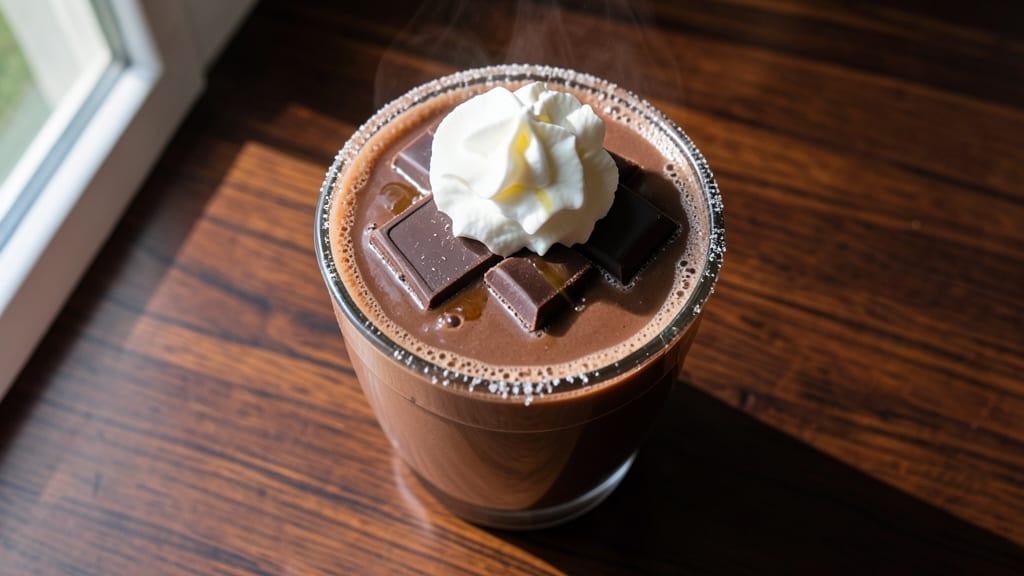
This butter hot chocolate recipe transforms ordinary cocoa into a velvety, restaurant-worthy drink with just five ingredients and 10 minutes of active time. The secret lies in tempering the milk with butter and chocolate—creating that signature silken texture that separates it from powdered mixes.
I developed this version after years of testing, and it consistently delivers a smooth, decadent result that tastes like a cozy dessert in a mug.
The process is simpler than it sounds: heat milk and cream together until steaming, then whisk in chocolate and butter until completely dissolved. This method ensures no graininess and creates a luxurious mouthfeel that's impossible to achieve with instant cocoa.
The butter adds richness while balancing the chocolate's intensity, making each sip velvety and satisfying.
What you'll end up with is a hot chocolate so smooth it feels like silk, with a perfect balance of sweetness and bitterness. The butter creates a natural glossy finish, and the texture remains luxurious even after sitting for 15 minutes.
This isn't just a drink—it's an experience that rivals gourmet chocolate shops.
For variations, try adding a pinch of cinnamon or cayenne for warmth, or a sprinkle of sea salt for depth. Vegan adaptations use coconut milk and dairy-free chocolate, maintaining the same silken texture. Let's make this indulgent treat that's perfect for chilly evenings or special occasions.
Ingredients for butter hot chocolate
Five ingredients transform ordinary cocoa into restaurant-quality silken hot chocolate.
| Ingredient | Amount | Notes |
|---|---|---|
| Heavy Whipping Cream 🥛 | 1 cup | Full-fat for richness |
| Whole Milk 🥛 | 3 cups | 2% or whole preferred |
| Unsalted Butter 🧈 | 4 oz | Cold, cubed for tempering |
| Dark Chocolate Bars 🍫 | 4 oz | 70% cacao minimum |
| Granulated Sugar 🍚 | ¼ cup | Adjust to taste |
| Vanilla Extract 🌿 | 1 tsp | Pure vanilla preferred |
| Sea Salt 🧂 | ¼ tsp | Fine grain for finishing |
The butter and chocolate are your flavor anchors. Use high-quality dark chocolate bars with 70% cacao or higher—the higher the percentage, the more intense the flavor without added sugar. For butter, European-style unsalted (like Plugrá) melts more smoothly than American brands. The heavy whipping cream should be full-fat—it's what creates that signature velvety texture. If you're using store-brand milk, opt for 2% or whole; it makes a noticeable difference in creaminess. Pro tip: buy chocolate bars that are at least 70% cacao to avoid excessive sweetness masking the chocolate's depth.
No heavy cream? Full-fat coconut milk works beautifully for a dairy-free version, though the texture will be slightly lighter. Running out of dark chocolate? High-quality semi-sweet chocolate chips (like Ghirardelli) are a decent substitute, but avoid milk chocolate—it lacks the necessary bitterness. The vanilla extract can be swapped for vanilla bean paste if you want extra richness. For an even smoother finish, melt the butter first and whisk it into the warm milk before adding chocolate, rather than tossing in cold cubes. This prevents graininess and ensures a silken consistency every time.
Store leftover hot chocolate in an airtight container in the fridge for up to 3 days. Reheat gently in the microwave or on the stove, stirring until smooth. The texture will be slightly thicker when cold, but it warms back to luxurious consistency. For serving, top with a sprinkle of sea salt or a pinch of cinnamon—this enhances the chocolate's flavor and adds a sophisticated touch. If you're making this ahead for a crowd, prepare the mixture without the butter, then temper it at the last moment to maintain that signature silken quality.
Why You'll Love This Recipe
- Five-Ingredient Magic: I swear, this is the kind of recipe that makes me feel like a mad scientist—except instead of explosions, you get velvety perfection. Just melt chocolate, stir in butter and cream, and let the sugar do its thing. No fancy gadgets, no stress, just pure, creamy satisfaction in minutes.
- Rich Without Effort: That first sip? Chef’s kiss. The butter cuts through the bitterness of dark chocolate while the heavy cream makes it so luxurious it feels like a dessert, not a drink. Honestly, I’ve tried store-bought versions, and this one wins every time—thicker, smoother, and with that just-right sweetness.
- Weeknight or Wind-Down: Between us, I keep this in my back pocket for everything: late-night cravings, cozy movie nights, or even as a quick pick-me-up after a long day. The milk and sugar adjust easily if you’re in a rush, and it’s the kind of thing that feels special without requiring a holiday.
- Leftovers That Taste Fresh: Here’s what sold me—this stuff actually gets better the next day. Store it in the fridge, and the flavors meld into this deeper, almost custard-like richness. Reheat with a splash of milk, and it’s like making it fresh all over again. Zero waste, maximum comfort.
Step-by-step instructions for ultra-smooth silken hot chocolate
This method transforms ordinary hot chocolate into a luxurious, velvety drink with a perfect balance of richness and sweetness.
Temper the Butter for Silky Texture
Place the 4 oz unsalted butter in a heatproof bowl and set it over a pot of simmering water (double boiler method) to melt gently. Keep the heat at a low simmer—you want the butter to melt slowly and evenly, maintaining its natural richness. Once fully melted, remove the bowl from heat and let it cool slightly until it reaches a warm but not hot temperature. This tempering process prevents the butter from seizing when combined with the cold milk later.
Here's the thing—if the butter is too hot, it will cause the chocolate to seize and create lumps. You'll know it's ready when it's just warm to the touch, about 110°F on an instant-read thermometer. This step is non-negotiable for achieving that signature ultra-smooth texture.
Melt Chocolate and Combine with Warm Milk
In a separate saucepan, combine the 3 cups whole milk and 0.25 cup granulated sugar. Heat over medium heat until the mixture reaches 170°F, stirring occasionally to dissolve the sugar completely. Remove from heat and add the 4 oz dark chocolate bars, broken into small pieces. Let the chocolate melt completely, stirring gently to prevent scorching. The chocolate should dissolve smoothly without any graininess—this is your first quality checkpoint.
Once the chocolate is fully melted, whisk in the tempered butter until completely incorporated. The mixture should now have a glossy, satiny appearance. This is where the magic happens—the butter emulsifies with the chocolate and milk, creating that signature velvety mouthfeel. If you see any separation, whisk vigorously to re-emulsify.
Incorporate Cream and Flavorings
Return the saucepan to low heat and pour in the 1 cup heavy whipping cream. Stir constantly to prevent scorching while the mixture warms through to 160°F. This temperature is crucial—it's hot enough to pasteurize the cream but not so hot that it burns the delicate chocolate flavors. Remove from heat and stir in the 1 tsp vanilla extract and 0.25 tsp sea salt. The salt enhances all the flavors, balancing the sweetness and richness.
Taste the mixture at this stage. It should be rich, chocolate-forward, and perfectly balanced. If it needs more sweetness, add a pinch more sugar (though the recipe should be spot-on). The key here is patience—don't rush the heating process or you'll risk burning the chocolate. The final texture should be silky, not grainy, and the color should be deep brown with a slight sheen.
Strain and Serve Immediately
For the smoothest possible hot chocolate, strain the mixture through a fine-mesh sieve into a clean saucepan. This removes any potential chocolate particles that could disrupt the velvety texture. Return to low heat and keep warm until ready to serve—no longer than 10 minutes—as the texture can degrade if left sitting too long. Pour into pre-warmed mugs and serve immediately with whipped cream or chocolate shavings if desired.
Each sip should deliver that luxurious mouthfeel with layers of chocolate flavor—deep from the dark chocolate, smooth from the butter, and slightly sweet from the milk and sugar. The sea salt adds a sophisticated finish that elevates this from basic hot chocolate to a gourmet experience. The secret to maintaining this texture? Serve it hot but not boiling—around 150°F is ideal for that perfect balance of warmth and drinkability.
Pro Tips For Making Butter Hot Chocolate
- Melt Chocolate Slowly: Start with a double boiler or heatproof bowl over simmering water—chocolate seizes up fast if you rush it. I learned this the hard way when my first batch turned into a grainy mess because I dumped it straight into boiling milk.
- Use Cold Butter: Cut unsalted butter into small cubes and add it last, right before serving. The cold butter creates a luxurious foam that melts into the drink, making it richer without curdling the milk—just stir vigorously for 10 seconds after pouring.
- Balance Sugar to Chocolate: Taste the melted chocolate before adding sugar—some dark bars are already sweet. If it’s bitter, add sugar gradually (start with 1 tablespoon) and adjust. My first attempt had me dumping half a cup in, only to realize the chocolate was 70% cocoa.
- Warm the Cream First: Heat the heavy whipping cream and milk together until steaming, then whisk in the chocolate. This ensures the chocolate dissolves smoothly instead of clumping—no need to strain it later. (Yes, even if you’re impatient like me, wait until it’s hot but not boiling.)
Storing and reheating this dish
Fridge Storage
Store leftover hot chocolate in an airtight container for up to 3 days—the butter and chocolate solidify slightly but re-emulsify beautifully when reheated. I use glass Pyrex containers because they maintain flavor integrity better than plastic.
Let the mixture cool to room temperature before refrigerating to prevent condensation, which can make it watery. 🥛
Microwave Reheating
For quick reheating, pour ½ cup of hot chocolate into a microwave-safe mug and heat on medium power (50%) for 45-60 seconds. Stir well, then continue in 15-second bursts until reaching 150°F—this prevents scorching while restoring that silken texture.
Add 1 tsp warm water if it looks too thick, but don’t overdo it or you’ll dilute the richness.
Stovetop Reheating
My preferred method: Pour the chilled hot chocolate into a small saucepan and heat over low heat with 1 tbsp heavy cream (to restore body). Stir constantly until it reaches 160°F—this gentle warmth reactivates the butter’s emulsifying properties.
If it separates, whisk vigorously or strain through a fine-mesh sieve for instant smoothness. The stovetop method preserves the deep chocolate flavor better than the microwave.
Freezing for Later
Hot chocolate freezes surprisingly well for up to 2 months—just pour it into freezer-safe containers, leaving ½-inch headspace for expansion. Thaw overnight in the fridge, then reheat using the stovetop method.
For single servings, freeze in ice cube trays, then pop out and store in a ziplock bag. These "hot chocolate cubes" melt perfectly into fresh mugs—ideal for last-minute cozy moments. ❄️
Texture Rescue
If your reheated hot chocolate looks grainy or separated, don’t panic! Whisk in 1 tsp warm milk or cream, then strain through a fine-mesh sieve into a clean mug. The key is gentle heat—never microwave on high or boil on the stovetop, as this breaks the butter’s emulsion.
A splash of vanilla extract can also help restore balance if flavors seem muted after reheating.
Nutrition facts
Frequently asked questions
Why does butter make hot chocolate so much smoother?
The butter acts as an emulsifier, creating tiny fat particles that suspend in the liquid and prevent graininess. When melted and whisked properly, it coats the chocolate particles, giving that signature silken texture that powdered mixes can't achieve. The fat content also enhances flavor depth, making each sip richer and more satisfying.
Can I make this without a double boiler?
Use a heatproof bowl placed directly over a saucepan of simmering water (no touching). For the butter, melt it in a microwave-safe bowl in 15-second bursts until just melted, then let it cool slightly. The key is avoiding overheating—this prevents the butter from seizing when combined with cold milk.
What's the best chocolate to use for this recipe?
Use dark chocolate bars with 70% cacao or higher for the most authentic flavor. Brands like Ghirardelli or Lindt work beautifully. Avoid milk chocolate—it's too sweet and lacks the necessary bitterness that balances the butter's richness. For a smoother texture, chop the chocolate finely before melting.
How do I fix hot chocolate that's too thick?
Stir in 1-2 tablespoons of warm milk or cream at a time until you reach your desired consistency. If it's still too thick after reheating, strain it through a fine-mesh sieve to remove any separated butterfat. For a quick fix, add a splash of vanilla extract—it helps restore balance while thinning the mixture.
Can I make this recipe in a slow cooker?
Yes! Combine all ingredients except butter in your slow cooker on low heat for 1-2 hours, stirring occasionally. In the last 15 minutes, whisk in the melted butter until fully incorporated. The slow cooker method is great for keeping large batches warm, but taste frequently—flavors can intensify over time.