
Desserts
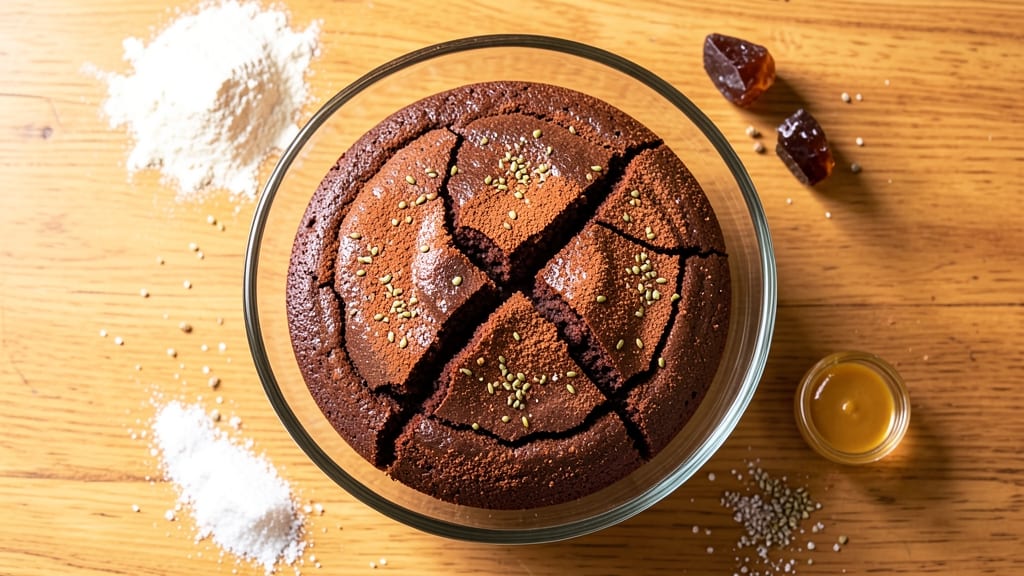
This buckwheat chocolate cake delivers the perfect balance of earthy nutty depth and rich, fudgy chocolate layers—all without a single egg or drop of dairy.
The secret lies in using buckwheat flour for its robust flavor and flax eggs to bind the moist, tender crumb, while dark chocolate ensures deep cocoa satisfaction. I developed this recipe after years of perfecting vegan baking techniques, and it never fails to impress.
What makes this cake truly special is its versatile texture—crispy yet tender edges with a velvety center that practically melts in your mouth. The buckwheat adds a subtle nutty complexity that pairs beautifully with the chocolate, while the one-bowl mixing method keeps prep simple.
No special equipment is needed, just a standard mixing bowl and oven. By the time it emerges from the oven, you’ll have a golden-brown, fragrant cake with layers that hold together perfectly.
The aroma alone will have everyone gathered around the kitchen, and the first bite delivers that satisfying contrast of nutty, chocolatey goodness. This is the kind of dessert that feels indulgent yet stays true to plant-based principles.
Serve it warm with a vegan ganache drizzle or dusted with cocoa powder for extra flair. Here’s how to make it—foolproof, delicious, and completely satisfying.
Ingredients for buckwheat chocolate cake
The nutty depth of buckwheat meets rich chocolate in this vegan masterpiece—no eggs or dairy needed.
| Ingredient | Amount | Notes |
|---|---|---|
| Buckwheat Flour 🌾 | 1 ½ cups | Dark roasted for robust flavor |
| All-Purpose Flour 🌾 | ½ cup | For tender crumb structure |
| Unsweetened Cocoa Powder 🍫 | ¾ cup | Natural, unsweetened preferred |
| Dark Brown Sugar 🍚 | 1 ½ cups | Packed tightly for moisture |
| Granulated Sugar 🍚 | ½ cup | For balanced sweetness |
| Ground Flaxseed 🌿 | 3 tbsp | For flax egg binder |
| Almond Milk 🥛 | 1 cup | Unsweetened, room temperature |
| Melted Coconut Oil 🫒 | ½ cup | Refined for neutral flavor |
| Distilled White Vinegar 🍶 | 1 tbsp | For flax egg activation |
| Baking Soda 🧂 | 1 tsp | For lift and texture |
| Salt 🧂 | ½ tsp | Fine sea salt preferred |
| Instant Coffee Granules ☕ | 1 tbsp | Enhances chocolate depth |
| Vanilla Extract 🌸 | 1 tsp | Pure, high-quality preferred |
| Dark Chocolate Chips 🍫 | 1 ½ cups | 70% cocoa or higher |
| Warm Water 💧 | ¼ cup | For flax egg mixture |
Buckwheat flour is the heart of this cake, so look for dark roasted at specialty stores or bulk bins—it's worth the hunt. Bob's Red Mill has a great organic option, but even regular grocery stores carry it now. The buckwheat gives that earthy, slightly bitter edge that balances perfectly with the chocolate. For the cocoa powder, avoid Dutch-processed (alkalized) if you can—it's less vibrant. The dark chocolate chips should be at least 70% cocoa for that deep, fudgy satisfaction. Pro tip: Toast the buckwheat flour for 5 minutes in a dry pan before mixing—it deepens the nutty flavor dramatically (trust me on this).
No buckwheat flour? Substitute with 100% whole wheat pastry flour—it's the closest match, though the texture will be slightly denser. Running low on almond milk? Oat milk works too, but soy milk gives the closest texture. The flax eggs are non-negotiable for binding, but if you're really in a pinch, 1 tbsp chia seeds + 3 tbsp water works in a bind. For the chocolate, chop a vegan chocolate bar instead of chips if that's what you've got. The instant coffee granules might seem odd, but they're the secret to that restaurant-quality chocolate depth—don't skip them unless you're okay with a more basic flavor. The vinegar might seem weird, but it activates the flax seeds for perfect binding.
This cake keeps beautifully for 4-5 days in an airtight container at room temperature, though I find it's best enjoyed within 2 days. For longer storage, wrap tightly in plastic and freeze for up to 3 months. The texture actually improves after a day or two—it gets even more fudgy as it sits. I always make a double batch because it disappears fast. Slice it warm with a vegan ganache drizzle or dust with cocoa powder for that café-quality presentation. Leftovers? Toss them in the freezer and reheat for 10 seconds to revive that perfect texture.
Why You'll Love This Recipe
- No Mixer Needed: I swear by this recipe when my kitchen gadgets are on strike. The buckwheat flour gives the batter just enough structure that it doesn’t require whipping—just fold in the cocoa and wet ingredients until the dark brown sugar dissolves. Honestly, it’s the kind of cake that makes me feel like a baking genius even when I’m winging it.
- Earthy Chocolate Bliss: That first bite? Rich, deep, and almost nutty from the buckwheat—like a moody, sophisticated version of classic chocolate cake. The unsweetened cocoa powder keeps it from tasting cloying, while the dark brown sugar adds a caramelized warmth that lingers. (Yes, even on a Tuesday night.)
- Double-Duty Cake: Slice it warm for dessert, or pack it in the fridge for breakfast the next morning with a dollop of Greek yogurt. I’ve also used leftover pieces to make truffles—just chop, roll in cocoa, and boom, instant fancy treat. It’s the kind of cake that doesn’t just disappear fast.
- Budget-Friendly Luxury: Buckwheat flour might sound fancy, but it’s cheaper than almond flour and adds a unique depth without breaking the bank. Plus, this recipe stretches further than your average cake—enough for a crowd but not so much that it goes to waste. Between us, I’ve made this for birthdays, book club meetups, and even as a “I need cake now” emergency. It’s my secret weapon.
Step-by-step instructions for buckwheat chocolate cake
Let's create a rich, nutty chocolate cake with deep layers of fudgy texture.
Prepare the Flax Egg Mixture
In a small bowl, combine the 3 tablespoons ground flaxseed with the 0.25 cup warm water. Stir vigorously for 30 seconds until fully dissolved—this creates your flax egg binder. The mixture should thicken noticeably as it sits for 5 minutes. This step replaces traditional eggs while maintaining moisture and structure in the cake.
I like to use a whisk for this because it ensures even distribution of the flaxseed particles. If the mixture looks too thin after 5 minutes, add 1 teaspoon more warm water. The flax egg should hold its shape when dropped from a spoon, similar to a raw egg's consistency.
Mix Dry Ingredients for Even Distribution
In a large mixing bowl, sift together the 1.5 cups buckwheat flour, 0.5 cup all-purpose flour, 0.75 cup unsweetened cocoa powder, 1.5 cups dark brown sugar, 0.5 cup granulated sugar, 1 teaspoon baking soda, 0.5 teaspoon salt, and 1 tablespoon instant coffee granules. Whisk until completely combined and no dry spots remain.
The buckwheat flour gives this cake its distinctive nutty flavor, while the coffee granules deepen the chocolate notes. I always sift the dry ingredients first to prevent lumps and ensure even baking. Use a fine-mesh sieve for the cocoa powder to avoid clumps that can create dense pockets in the cake.
Combine Wet Ingredients for Smooth Batter
In a separate bowl, whisk together the 1 cup almond milk, 0.5 cup melted coconut oil, 1 tablespoon distilled white vinegar, 1 teaspoon vanilla extract, and the prepared flax egg mixture. The vinegar will curdle slightly—this is normal and helps activate the baking soda for proper rise.
Gradually pour the wet mixture into the dry ingredients while mixing on low speed with an electric mixer. Mix just until combined—overmixing develops gluten and creates a tough cake. The batter should be thick but pourable, similar to a rich chocolate brownie batter. Fold in the 1.5 cups dark chocolate chips by hand using a spatula, ensuring even distribution throughout.
Bake to Perfect Moisture and Texture
Preheat your oven to 350°F and grease two 8-inch round cake pans or line them with parchment paper. Divide the batter evenly between the pans. Bake for 30-35 minutes, or until a toothpick inserted in the center comes out with a few moist crumbs but no wet batter.
The cake should have a slightly domed top with a crackly crust on the edges. Here's the thing—buckwheat cakes can dry out faster than traditional cakes, so I recommend checking for doneness at the 28-minute mark. If the top browns too quickly, tent the pans with aluminum foil to prevent overbrowning while ensuring the center is fully cooked.
Cool and Layer for Ultimate Richness
Allow the cakes to cool in their pans for 15 minutes, then transfer to a wire rack to cool completely. Once cooled, place one cake layer on a serving plate and spread a thin layer of chocolate ganache or whipped cream between the layers if desired. The natural sweetness of the buckwheat pairs beautifully with dark chocolate frosting.
For the best texture, let the cake sit at room temperature for 1 hour before slicing. This allows the flavors to meld and the layers to set properly. Each slice should reveal a dense yet moist crumb with pockets of melted chocolate chips throughout. The buckwheat adds a subtle earthiness that complements the deep chocolate flavor perfectly.
Pro Tips For Making Buckwheat Chocolate Cake
- Sift the Buckwheat First: Buckwheat flour is dense and gritty—sift it with the all-purpose flour before mixing to avoid lumps. I learned this the hard way when my first batch had texture issues; now I treat it like cake flour.
- Mix Dry Ingredients Separately: Combine buckwheat, cocoa, and both sugars first, then fold in wet ingredients. This keeps the buckwheat from absorbing too much liquid too soon, which can make the cake dense.
- Don’t Overmix the Batter: Stop stirring once everything’s just combined—buckwheat flour releases starch aggressively, and overmixing turns the batter into glue. A few swirls with a spatula is all it takes.
- Use Room-Temp Eggs: Cold eggs curdle when mixed with melted butter and buckwheat’s natural oils, leading to a gummy texture. Let them sit out for 30 minutes before cracking—trust me, the crumb will be lighter.
Wine and beer pairings for these flavors
Red Wine Pairings
This rich, nutty cake pairs beautifully with a bold red wine that complements its deep chocolate and buckwheat flavors. A Cabernet Sauvignon from Napa Valley—like Louis M. Martini Cabernet Sauvignon—works wonderfully. Its dark fruit notes and tannins balance the cake's earthiness while enhancing the chocolate's intensity.
For a lighter option, try a Pinot Noir from Oregon, such as Domaine Serene, which adds a touch of elegance with its bright acidity. 🍷
Port Wine Drizzle
For a dessert-friendly pairing, drizzle warm ruby port over the cake before serving. The sweet, fruity notes of a Graham's 10-Year-Old Reserve cut through the richness, creating a luxurious finish. I like to heat 2 tablespoons of port with 1 tablespoon vegan chocolate chips until smooth, then drizzle over slices.
This adds a sophisticated touch that elevates the cake to restaurant-quality.
Beer Pairings
A dark stout like Guinness or Samuel Smith's Oatmeal Stout complements the cake's robust flavors. The roasted malt notes in these beers mirror the buckwheat's earthiness, while the creamy texture contrasts perfectly with the cake's fudgy layers.
For a lighter option, a Belgian-style dubbel such as Westmalle Dubbel adds a caramel sweetness that harmonizes with the chocolate.
Coffee Liqueur Enhancement
For an after-dinner pairing, serve the cake with a shot of Kahlúa or Tia Maria. The coffee notes in these liqueurs echo the instant coffee granules in the cake, creating a cohesive flavor experience.
I often recommend pairing it with a vegan espresso martini—made with Cold Brew Coffee, vanilla syrup, and a splash of almond milk—for a sophisticated finish. 💫
White Wine Contrast
If you prefer white wine, a tawny port or off-dry Riesling like Dr. Loosen Blue Slate adds a refreshing contrast. The wine's honeyed sweetness and citrus notes balance the cake's richness, cleansing the palate between bites.
This pairing works especially well when the cake is served slightly warm, allowing the wine's acidity to shine.
Non-Alcoholic Options
For a non-alcoholic pairing, try sparkling pomegranate juice or chilled hibiscus tea. The tartness of pomegranate juice brightens the cake's depth, while hibiscus tea adds a floral note that complements the vanilla and chocolate.
A simple vanilla chai latte with almond milk also works beautifully, enhancing the cake's nutty and spiced undertones.
Nutrition facts
Frequently asked questions
Can I substitute buckwheat flour in this recipe?
Yes, but the texture and flavor will change. For a similar nutty profile, use 100% whole wheat pastry flour—it's the closest substitute. If you prefer a lighter cake, replace half the buckwheat with all-purpose flour, but expect less depth in flavor. The cake will still be delicious, just less earthy and more neutral.
Why does my buckwheat cake turn out dense?
Buckwheat flour absorbs more moisture and has less gluten than wheat flour, so overmixing or underbaking can create a dense texture. Mix just until combined, and bake until a toothpick comes out with moist crumbs (not wet batter). Also, ensure your flax eggs are fully thickened before mixing. A 5-minute rest after mixing helps too!
How do I make this cake gluten-free?
Replace the buckwheat and all-purpose flour with a 1:1 gluten-free baking flour blend (like Bob's Red Mill or King Arthur). Add ½ teaspoon xanthan gum to improve texture. For binding, use ¼ cup extra ground flaxseed (total 3.75 tbsp) to compensate for the lack of gluten. Test the cake immediately after baking—gluten-free versions often need slightly longer baking times.
Can I bake this cake in a single layer instead of two?
Use a 9-inch round pan or 8x8-inch square pan and reduce baking time by 5-8 minutes. The single layer will be thicker and more decadent, perfect for individual servings. For even baking, rotate the pan halfway through. A single layer also works beautifully as a trifle base with whipped coconut cream and berries on top.
What’s the best way to store leftovers?
Wrap tightly in plastic wrap or an airtight container to preserve moisture. At room temperature, it stays fresh for 3-4 days. For longer storage, freeze slices wrapped individually—they’ll keep for up to 3 months. To revive frozen cake, thaw at room temperature for 1 hour or microwave for 10-15 seconds to restore texture.