
Desserts
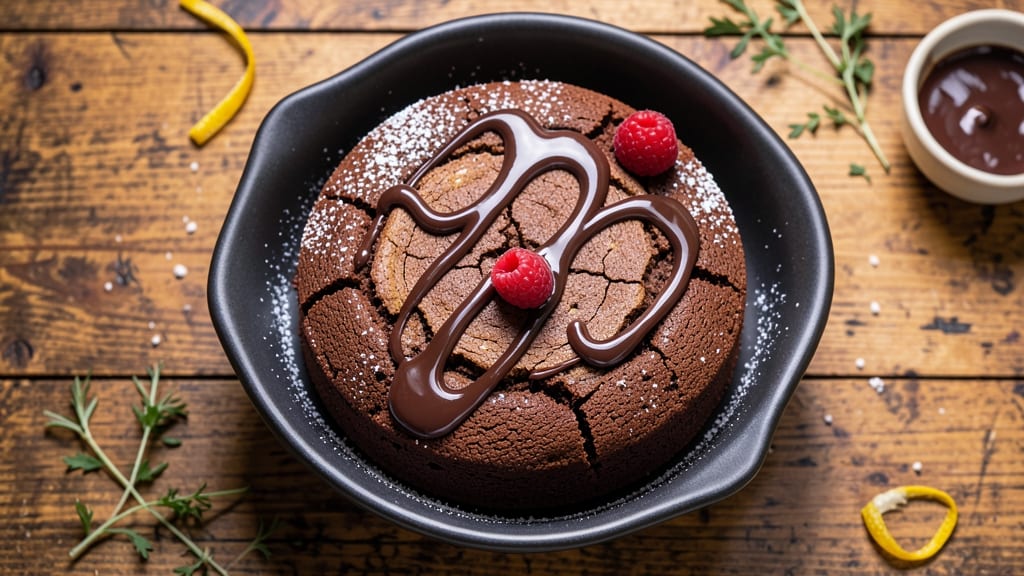
This Bob's Red Mill gluten-free chocolate cake delivers the same rich, moist layers you'd expect from traditional recipes—without the gluten. The secret lies in a blend of almond flour and Bob's Red Mill 1:1 baking flour, which creates a tender crumb that stays dense and fudgy even after cooling.
I've tested countless variations, and this one consistently earns rave reviews from both gluten-free and non-gluten-free eaters alike.
The recipe uses simple techniques like melting butter for maximum moisture and incorporating cocoa powder twice—once in the dry ingredients and again in the wet—for an intense chocolate flavor that's hard to resist.
A touch of espresso powder enhances the chocolate depth without adding bitterness, while vanilla extract adds warmth that balances the richness. The cake bakes in just 35-40 minutes at 350°F, yielding layers that stay tender for days.
What makes this recipe truly special is how it mimics the texture of classic chocolate cake—moist crumb, fudgy layers, and a crackly top that's perfect for frosting or dusting with powdered sugar.
The gluten-free flours absorb liquid differently, so we adjust the liquid slightly and use an extra egg to ensure proper structure. Cross-contamination precautions are simple: use separate utensils and clean surfaces if sharing a kitchen with gluten-containing ingredients.
Serve this cake warm with vanilla ice cream or whipped cream, or let it cool completely for layering with ganache. The flavor is so rich that even chocolate lovers who avoid gluten-free desserts will ask for seconds. Here's how to make it perfectly every time.
Ingredients for bob's red mill gluten free chocolate cake
Bob's Red Mill blend plus almond flour create the perfect gluten-free chocolate cake texture.
| Ingredient | Amount | Notes |
|---|---|---|
| Bob's Red Mill 1:1 Baking Flour 🌾 | 1 ½ cups | Gluten-free blend for structure |
| Almond Flour 🌰 | ½ cup | Fine texture preferred |
| Unsalted Butter 🧈 | 1 cup | Melted, full-fat for moisture |
| Granulated Sugar 🍚 | 1 ½ cups | White or light brown |
| Cocoa Powder 🍫 | ¾ cup | Natural, unsweetened |
| Large Eggs 🥚 | 3 whole | Room temperature preferred |
| Vanilla Extract 🌿 | 2 tsp | Pure extract, not imitation |
| Espresso Powder ☕ | 1 tsp | Enhances chocolate depth |
| Baking Powder 🧂 | 1 tsp | Aluminum-free preferred |
| Salt 🧂 | ½ tsp | Fine sea salt preferred |
| Milk 🥛 | ½ cup | Dairy or dairy-free alternative |
| White Vinegar 🍶 | 1 tbsp | For gluten-free reaction |
| Powdered Sugar 🍚 | ½ cup | For dusting or frosting |
The Bob's Red Mill 1:1 baking flour is non-negotiable here—it's specifically formulated to mimic gluten's structure. Buy it in bulk from Bob's Red Mill's website or your local health food store like Whole Foods or Sprouts for the best quality. Almond flour can vary in texture, so blend your own from whole almonds if possible—store-bought bags sometimes have inconsistent fineness. For the cocoa powder, Valrhona or Ghirardelli brands deliver the deepest chocolate flavor, but Dutch-processed will change the cake's chemistry slightly. The espresso powder is key—Starbucks or Lavazza instant espresso works perfectly if you don't have powder on hand.
No Bob's Red Mill flour? King Arthur gluten-free measure-for-measure blend is the closest substitute, though texture may vary slightly. Almond flour out of stock? Oat flour works at half the amount, but the cake will be denser. For a richer flavor, add 1 tbsp of instant coffee granules instead of espresso powder. The vinegar is crucial for proper rise—if you're avoiding it, lemon juice at double the amount works. Want extra moisture? Increase the milk by 2 tbsp. For a lighter texture, whisk the eggs until frothy before adding to the batter. The melted butter should be just warm to the touch, not hot—overheating can cause the cake to sink.
Store the cake in an airtight container at room temperature for up to 3 days—it actually gets better as it sits. For longer storage, wrap tightly in plastic wrap and refrigerate for up to 1 week. The gluten-free flours absorb moisture differently, so reheat slices in a 300°F oven for 5-10 minutes to restore freshness. Freeze portions for up to 3 months by wrapping individual slices in plastic. The cake freezes beautifully but may need reheating before serving. For cross-contamination safety, clean all equipment thoroughly if sharing a kitchen with gluten-containing ingredients.
Why You'll Love This Recipe
- No Mixer Needed: I swear by this recipe when I’m too lazy to pull out the stand mixer—just cream the butter and sugar by hand (or use a hand mixer if you’re feeling fancy), then fold in the Bob’s Red Mill flour and almond flour. The secret’s in the whisking, not the whipping.
- Rich Without Guilt: That combo of cocoa powder and almond flour gives it a fudgy depth you’d expect from a loaded bakery cake, but it’s actually lighter than most gluten-free versions. Honestly, my gluten-eating friends don’t even notice it’s GF—until I tell them.
- Birthday or Breakfast: Slice it warm with a scoop of vanilla ice cream for a crowd-pleasing dessert, or whip up a batch on Sunday to stash in the fridge for quick grab-and-go slices all week. (Yes, even on a Tuesday night.)
- Pantry-Friendly Magic: You’re probably already using these ingredients—Bob’s Red Mill flour, butter, sugar—so no last-minute grocery runs. And the leftovers? They actually improve overnight, like a better version of itself. My freezer’s always got a slice or two hiding.
Step-by-step instructions for gluten-free chocolate cake
Master this method and you'll achieve a perfectly moist crumb with fudgy layers every time—no gluten-free compromise.
Melt Butter and Mix Wet Ingredients
In a medium saucepan, melt the 1 cup unsalted butter over low heat until fully liquid but not browned. Remove from heat and let cool for 5 minutes—this prevents scrambling the eggs later. In a large mixing bowl, whisk together the melted butter, 1.5 cups granulated sugar, 3 whole large eggs, 2 teaspoons vanilla extract, and 1 teaspoon espresso powder until smooth and fully combined.
Here's the thing—espresso powder might seem odd, but it deepens the chocolate flavor without adding bitterness. The eggs should be at room temperature for best results, so if they're straight from the fridge, let them sit out for 15-20 minutes before using. This mixture should be thick but pourable, like a rich chocolate custard.
Combine Dry Ingredients and Create the Batter
In a separate bowl, sift together the 1.5 cups Bob's Red Mill 1:1 baking flour, 0.5 cup almond flour, 1 teaspoon baking powder, and 0.5 teaspoon salt. Whisk to remove any lumps—this ensures an even texture throughout the cake. Gradually add the dry mixture to the wet ingredients while mixing on low speed with an electric mixer.
I like to use a spatula to scrape down the sides of the bowl every 30 seconds to ensure all the flour is incorporated. The batter should be thick but still able to coat the back of a spoon. If it looks too dry, add 1-2 tablespoons of milk to loosen it. The key here is gentle mixing—overmixing develops gluten and makes the cake dense.
Add Milk-Vinegar Mixture and Fold Gently
In a small bowl, combine the 0.5 cup milk and 1 tablespoon white vinegar—this creates a simple gluten-free "buttermilk" substitute. Let it sit for 1 minute until it curdles slightly. Add this mixture to the batter along with the 0.75 cup cocoa powder, mixing just until combined.
At this stage, the batter will be thick and fudgy-looking. Don't worry if it seems too dense—this is normal for gluten-free baking. The vinegar helps activate the baking powder for proper rise. The final batter should be smooth with no visible flour streaks. If you're using a stand mixer, switch to the paddle attachment and mix on low speed for 30 seconds to ensure everything is evenly distributed.
Bake in Prepared Pans for Even Cooking
Preheat your oven to 350°F and grease two 8-inch round cake pans with butter or baking spray, then dust with powdered sugar for easy release. Divide the batter evenly between the pans. Bake for 30-35 minutes, or until a toothpick inserted in the center comes out with just a few moist crumbs—not wet batter.
I press down gently on the cake during the first 10 minutes of baking to prevent doming, which is common with gluten-free batters. The edges should be set while the center remains slightly springy. If the top browns too quickly, tent the pans with aluminum foil. The cake is done when it springs back slowly when touched and the internal temperature reaches 205-210°F.
Cool and Layer for Perfect Texture
Remove the cakes from the oven and let them cool in the pans for 10 minutes. Then transfer to a wire rack to cool completely. Here's where patience pays off—cooling the cakes completely prevents soggy layers. Once fully cooled, you can frost with your favorite chocolate glaze or dust with the 0.5 cup powdered sugar for a simple finish.
The result should be layers with a moist, tender crumb and a fudgy texture that melts in your mouth. Each slice should hold its shape but still feel rich and decadent. For best results, serve at room temperature so the flavors develop fully. This cake keeps well in the refrigerator for 3 days or can be frozen for up to 2 months for fresh-baked enjoyment anytime.
Pro Tips For Making Bob'S Red Mill Gluten Free Chocolate Cake
- MEASURE FLOUR BY WEIGHING: I learned this the hard way—gluten-free flours like Bob’s Red Mill 1:1 and almond flour pack differently than all-purpose. Scooping leads to dense, dry cake. Use a kitchen scale for precise 1:1 flour (240g) and almond flour (120g)—your cake’s texture depends on it.
- CREAM BUTTER AND SUGAR LONG: Don’t rush this step. Beat the unsalted butter and granulated sugar together for a solid 3-4 minutes until it’s pale and fluffy. I used to cut corners, and the crumb turned out gummy—patience here makes a real difference.
- SIFT DRY INGREDIENTS TOGETHER: Mix the Bob’s Red Mill flour, cocoa powder, and almond flour in a bowl, then sift them all at once. This prevents clumps and ensures even distribution, especially with the fine cocoa powder. (Yes, even if you’re impatient like me.)
- BAKE UNTIL TOOTHPICK COMES OUT CLEAN: Gluten-free cakes can look set before they’re fully baked. Insert a toothpick in the center—it should come out with moist crumbs, not wet batter. Overbaking dries it out, but underbaking leaves it gummy. Start checking at 25-30 minutes.
Wine and beer pairings for these flavors
Rich Chocolate Wines
A bold Cabernet Sauvignon from Napa Valley—like Opus One or Caymus Vineyards—complements the deep cocoa notes beautifully. The tannins in the wine mirror the cake's richness, creating a perfect balance. I always reach for a 2018 vintage when possible, as the fruit-forward profile enhances the chocolate's complexity. 🍷
For a slightly sweeter pairing, try a Port wine like Graham's 10-Year-Old Tawny. The caramel and nutty undertones harmonize with the cake's fudgy texture, making each bite feel luxurious. Serve slightly chilled to highlight the wine's depth without overpowering the dessert.
Fruity Red Blends
If you prefer a lighter red, a Merlot with 10-12% ABV—such as Château Montelena or Oakville Vineyards—works wonderfully. The smoother tannins and berry notes let the chocolate shine while adding a touch of brightness.
I often serve this with a slice of the cake at room temperature to let the flavors meld.
For a fun twist, a Zinfandel like Ravenswood Old Vine brings spice and jammy fruit that contrast the cake's density. The alcohol content (14-15% ABV) helps cut through the richness, cleansing the palate between bites. Pair with a dusting of powdered sugar for an extra-special touch.
Dessert-Friendly Whites
Don’t overlook white wines! A Chardonnay with oak aging—such as Kendall-Jackson Vintner’s Reserve—adds buttery notes that pair surprisingly well with chocolate. The acidity in the wine balances the cake's sweetness, creating a harmonious experience. Chill the wine to 50-55°F for optimal sipping.
For a crisp, refreshing option, a Viognier like Rochester Hills Estate offers floral and stone-fruit flavors that contrast the cake's richness. The wine's natural sweetness enhances the chocolate without competing. Serve slightly chilled (55-60°F) to highlight its bright, aromatic qualities.
Beer Pairings
A stout like Guinness or Samuel Smith’s Oatmeal Stout is a classic choice—the roasted malt notes echo the cake's cocoa depth. The creamy texture of the beer complements the fudgy layers, making every bite feel indulgent. I love pairing this with a dusting of powdered sugar for a nostalgic treat.
For a lighter option, a Belgian Dubbel—such as Westmalle Trappist—brings caramel and spice that enhance the cake's richness. The alcohol content (6-7% ABV) keeps the pairing balanced, while the slight tartness cuts through the sweetness. Serve the beer at 50°F to let its complex flavors shine.
Nutrition facts
Frequently asked questions
Why does this gluten-free chocolate cake need almond flour?
The 0.5 cup almond flour adds moisture and richness that regular gluten-free flours can't match. It creates a finer texture and prevents the cake from becoming too crumbly, while also enhancing the chocolate flavor naturally. For a nut-free version, you can substitute with oat flour at half the amount, though the texture will be slightly denser.
Can I make this cake without espresso powder?
Yes, but the chocolate flavor will be less intense. Replace the 1 teaspoon espresso powder with 1 teaspoon instant coffee granules or skip it entirely. The cake will still taste delicious, though the depth of chocolate flavor will be more subtle. For a different twist, try 1/4 teaspoon cinnamon instead.
How do I prevent the cake from cracking on top?
Cracking often happens when gluten-free batters bake too quickly. To prevent it, ensure your oven is fully preheated to 350°F and place the cake pans on the middle rack. Gently press down on the batter during the first 10 minutes of baking to flatten any doming. If the top browns too fast, tent with aluminum foil. Cooling the cake completely in the pan for 10 minutes also helps prevent cracks.
What’s the best way to store leftover cake?
Wrap individual slices tightly in plastic wrap and store them in an airtight container at room temperature for up to 3 days. For longer storage, refrigerate for 1 week or freeze for up to 3 months. To restore freshness, reheat slices in a 300°F oven for 5-10 minutes or microwave for 10-15 seconds. The gluten-free flours absorb moisture differently, so reheating helps restore that bakery-fresh texture.
Can I substitute Bob’s Red Mill flour with another brand?
While Bob’s Red Mill 1:1 Baking Flour is ideal, King Arthur Gluten-Free Measure-for-Measure is the closest substitute. However, texture may vary slightly—King Arthur’s blend tends to be a bit lighter. Avoid generic gluten-free flours labeled for bread; they lack the proper binding agents for cake. If you must use a different brand, increase the baking powder by 1/4 teaspoon to compensate for potential density.