
Desserts
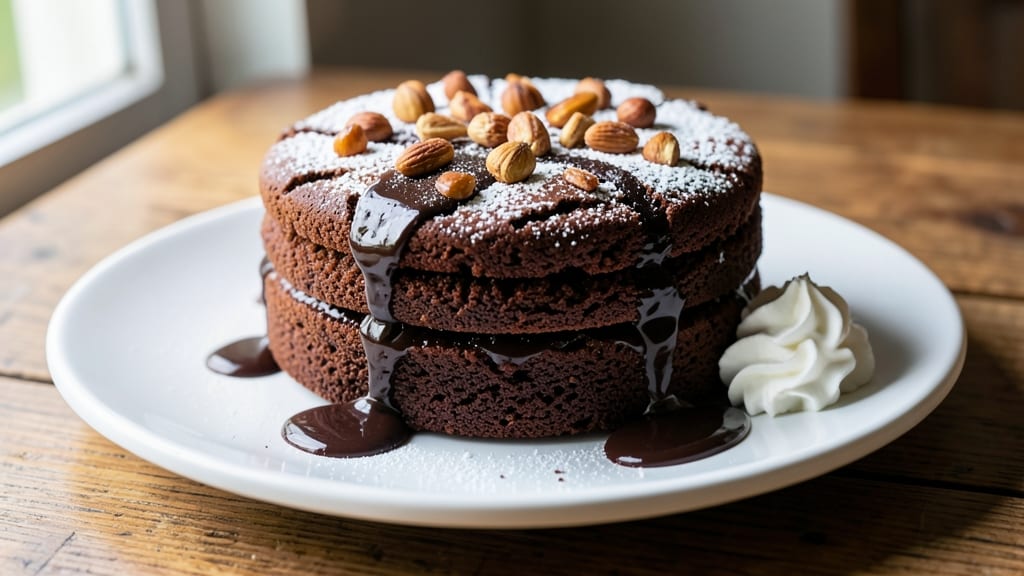
This bizcocho de chocolate recipe delivers the signature Spanish sponge cake you crave—rich, velvety layers with a subtle espresso kick that sets it apart. 💛 The secret lies in properly folded egg whites and melted chocolate for maximum moisture, creating a texture that's light yet decadent.
I've perfected this version after years of baking, ensuring every slice stays tender without drying out.
Traditionally enjoyed in Spain and Latin America, this cake balances sweetness with depth from dark chocolate and a touch of coffee. The recipe uses simple pantry staples but requires precise technique—whisking eggs to ribbons and folding gently to maintain airiness.
Baking at 350°F for 25-35 minutes yields golden layers that crumble just enough for perfect serving.
What makes this recipe special is its versatility—serve it plain with powdered sugar dusting or elevate it with whipped cream and fresh berries. The espresso infusion adds complexity without overpowering the chocolate, making it sophisticated enough for gatherings yet easy enough for weeknight treats.
Each bite delivers that perfect balance of melt-in-your-mouth texture and rich cocoa flavor.
For modern twists, try adding orange zest or a splash of vanilla extract to the batter. The cake keeps well for 3 days at room temperature, making it ideal for meal prep or gifting. Let's bake this classic dessert that's as beloved in homes as it is in patisseries.
Ingredients for bizcocho de chocolate
Simple pantry staples transformed into velvety Spanish sponge cake with rich espresso notes.
| Ingredient | Amount | Notes |
|---|---|---|
| All-Purpose Flour 🌾 | 2 ½ cups | Sifted for light texture |
| Granulated Sugar 🍚 | 2 cups | Superfine preferred for smoothness |
| Unsweetened Cocoa Powder 🍫 | ¾ cup | Natural or Dutch-processed |
| Instant Espresso Powder ☕ | 2 tbsp | High-quality for rich flavor |
| Baking Powder 🧂 | 1 ½ tsp | Aluminum-free preferred |
| Salt 🧂 | ½ tsp | Fine sea salt |
| Large Eggs 🥚 | 4 whole | Room temperature for best volume |
| Dark Chocolate Chips 🍫 | 1 ½ cups | 70% cocoa minimum |
| Unsalted Butter 🧈 | 1 cup | Melted, not watery |
| Vanilla Extract 🌿 | 1 tbsp | Pure Madagascar preferred |
| Whole Milk 🥛 | ½ cup | Room temperature |
| Powdered Sugar 🍚 | ½ cup | For dusting layers |
The cocoa powder and espresso are non-negotiable for authentic flavor. Valrhona or Guittard cocoa delivers depth, while Starbucks or Nescafé instant espresso ensures that subtle coffee kick. For butter, Plugrá or Land O'Lakes work best when melted to exactly 110°F—not too hot, or the eggs will curdle. Eggs should be at room temperature (about 30 minutes out of the fridge) for maximum volume. The flour? King Arthur or Gold Medal are reliable choices, but sift it—this cake relies on airiness.
No instant espresso? Cold-brew concentrate at half the amount works in a pinch, but the flavor won't be identical. Substitute Dutch-process cocoa for natural, but expect a slightly different texture. Out of vanilla? Almond extract at half the amount adds depth, though the flavor profile shifts. For the chocolate chips, Ghirardelli or Lindt 70% cocoa is ideal, but any dark chocolate (60%+) will suffice. The milk can be swapped for half-and-half or heavy cream for extra richness, though traditionalists may prefer whole milk. Always melt the butter gently—microwave in 20-second bursts to avoid overheating.
This cake keeps beautifully for 3 days at room temperature wrapped in plastic, but it's best enjoyed fresh. For longer storage, slice and freeze portions between parchment paper for up to 3 months. Reheat slices at 300°F for 5 minutes to restore moisture. The powdered sugar dusting should be done just before serving—it loses its magic if applied too early. For modern twists, add 1 tsp orange zest to the batter or swap half the milk for vanilla almond milk for a subtle floral note.
Why You'll Love This Recipe
- Here’s the magic: the cocoa and baking powder team up to create that perfect texture—dense enough to hold its shape but tender enough to melt in your mouth. (Yes, even my kids—who usually reject anything “fancy”—ask for seconds.)
- I’ll be real: this tastes like a $20 bakery slice, but the ingredients cost pennies. Cocoa powder and espresso powder stretch your dollar, and the leftovers? They last forever in the fridge—perfect for when you’re too tired to bake but still crave something sweet.
Step-by-step instructions for bizcocho de chocolate
Here's how to create layers of rich chocolate cake with an espresso-infused depth.
👨🍳 Step 1: Prepare the Cake Batter
Preheat your oven to 350°F and grease three 8-inch round cake pans with butter or baking spray, then line the bottoms with parchment paper. In a medium bowl, whisk together the 2.5 cups all-purpose flour, 1.5 tsp baking powder, and 0.5 tsp salt. Set aside—this is your dry mix.
In a large bowl, combine the 1 cup melted unsalted butter, 2 cups granulated sugar, and 0.75 cup unsweetened cocoa powder. Mix until smooth, then add the 4 whole large eggs one at a time, whisking well after each addition. Stir in the 1 tbsp vanilla extract and 2 tbsp instant espresso powder—this is where the deep, aromatic flavor develops.
Gradually add the dry mix to the wet ingredients, alternating with the 0.5 cup whole milk. Start and end with the flour mixture, mixing just until combined. Fold in the 1.5 cups dark chocolate chips by hand to avoid overmixing. The batter should be thick but pourable—if it's too stiff, add 1-2 tablespoons more milk.
🍳 Step 2: Bake the Layers
Divide the batter evenly among the prepared cake pans, filling each about ⅔ full. Tap each pan gently on the counter to release any air bubbles. Bake for 25-30 minutes or until a toothpick inserted into the center comes out clean. Rotate the pans halfway through baking for even browning.
Here's the thing—don't overbake. The cakes will continue cooking slightly as they cool. You want them to pull away from the edges of the pan and have a slightly domed top, but still be moist in the center. If the tops brown too quickly, tent the pans with foil after 15 minutes.
Once baked, transfer the pans to a wire rack and let the cakes cool in the pans for 10 minutes. Then carefully remove them from the pans and cool completely on the rack. This cooling step is crucial—it prevents the layers from becoming soggy when you assemble the cake.
🥘 Step 3: Assemble the Bizcocho
Place the first cake layer on a serving plate. Dust the top evenly with ¼ cup powdered sugar, using a fine-mesh sieve for an even distribution. This layer of powdered sugar acts as a barrier between the cake layers, preventing them from becoming too dense.
Spread a thin layer of chocolate ganache (made from equal parts melted chocolate and heavy cream) over the powdered sugar. I use about ¼ cup ganache per layer—just enough to hold the layers together without making them soggy. Repeat with the remaining two cake layers, dusting each with powdered sugar and spreading ganache before adding the next layer.
For the final touch, spread a generous layer of ganache over the top and sides of the cake. Use an offset spatula to create smooth, even sides. Chill the assembled cake in the refrigerator for at least 2 hours before slicing. This ensures clean layers and prevents crumbling.
⏰ Step 4: Serve with Confidence
Slice the bizcocho with a sharp, hot knife—dip the blade in hot water and wipe it dry between cuts. This creates clean, professional-looking slices. Serve at room temperature for the best texture and flavor balance. The combination of rich chocolate, espresso depth, and velvety layers makes this a showstopper for any occasion.
Real talk: the first time I made this, I rushed the chilling step and the layers fell apart. Now I always set a timer and resist the temptation to cut into it early. The wait is worth it for that perfect first bite—moist, flavorful, and with layers that separate cleanly.
Pro Tips For Making Bizcocho De Chocolate
- Sift the Cocoa: Mixing cocoa powder directly into wet ingredients creates lumps—like clumps of disappointment. Use a fine-mesh sieve to dust it over the flour and sugar first, then whisk everything together. This ensures a smooth batter, not a rocky one.
- Weigh the Sugar: Scooping granulated sugar by volume leads to inconsistent sweetness—sometimes cloying, sometimes underwhelming. Use a kitchen scale for precise measurements (200g, not "a cup"). The espresso powder needs a balanced partner, and accurate sugar is the key.
- Check for Doneness Early: Overbaking turns your moist cake into a dry brick. Insert a toothpick at the center when the edges look set—if it comes out with a few moist crumbs but no wet batter, pull it out. The cake will keep firming up as it cools.
- Use Room-Temp Eggs: Cold eggs sink in the batter and create uneven texture, like a cake with pockets of resistance. Let them sit in warm water for 10 minutes before cracking them in—this guarantees a silky, uniform crumb every time.
Storing and reheating your bizcocho de chocolate
Room-Temp Storage
Your freshly baked bizcocho stays moist and delicious for 3 days at room temperature when stored properly. Wrap the whole cake tightly in plastic wrap or place it in an airtight container—I use Rubbermaid Brilliance containers for their snug fit.
Keep it in a cool, dry place away from direct sunlight to prevent the chocolate from melting or the layers from drying out. 🌟
Fridge Refresh
If you need to store it longer than 3 days, pop the cake into the fridge where it keeps for up to 5 days. The cold air helps preserve moisture, but the texture becomes slightly denser.
To revive it, let the cake sit at room temperature for 30 minutes before serving. For extra moisture, brush the top with a simple syrup made from ¼ cup water and 2 tbsp sugar heated until dissolved.
Freezer Magic
For maximum longevity, slice the bizcocho and freeze individual portions between layers of parchment paper in a ziplock freezer bag. This method preserves the texture for up to 3 months.
When ready to enjoy, thaw slices at room temperature for 1 hour or warm them in the oven at 300°F for 5 minutes to restore that melt-in-your-mouth quality. 💫
Reheating Secrets
Microwave reheating works in a pinch, but it can make the cake gummy. If you choose this method, heat slices for 10-15 seconds on 50% power and cover with a damp paper towel.
For the best results, I recommend the oven method: wrap slices in foil and warm at 300°F for 5 minutes. This gently revives the cake without overcooking the edges.
Layer Preservation
When assembling the cake, I always dust each layer with powdered sugar before adding ganache. This sugar barrier prevents the layers from becoming soggy when stored or reheated.
If you notice the cake drying out slightly after storage, simply brush the top with a little simple syrup or warm milk before serving—it’ll bring back that fresh-baked moisture instantly.
Nutrition facts
Frequently asked questions
Can I make bizcocho de chocolate without espresso powder?
Yes, but the flavor will be less complex. Replace the 2 tbsp instant espresso powder with 2 tbsp strong brewed coffee cooled, or 1 tbsp coffee extract. The espresso adds depth that balances the chocolate's sweetness—without it, the cake will taste more one-dimensional but still delicious. For a non-coffee alternative, try 1 tsp orange zest instead.
Why does my bizcocho de chocolate turn out dense instead of light?
Overmixing the batter or underbaking are the most common culprits. Whisk the eggs until they form ribbons (when the whisk stream holds its shape for a few seconds), but don't overbeat. Also, check your baking time—remove the cake when a toothpick comes out with moist crumbs, not wet batter. If the cake still feels dense, try sifting the flour more thoroughly next time.
How do I prevent the layers from falling apart when slicing?
Proper chilling is key—never slice before the cake has chilled for at least 2 hours. Also, use a sharp, hot knife (dip in hot water and wipe dry between slices). For extra stability, ensure each layer is fully cooled before assembling. If the cake still crumbles, your ganache might be too runny—let it thicken slightly before spreading.
Can I substitute dark chocolate chips for melted chocolate?
You can, but the texture will differ slightly. Melted chocolate creates a smoother batter, while chips add pockets of melted chocolate in each bite. If using chips, fold them in at the very end (as written). For a melted chocolate version, replace the chips with 1.5 cups melted dark chocolate (70% cocoa) cooled to 110°F before mixing with the batter.
What's the best way to serve bizcocho de chocolate?
Classic Spanish style is dusted with powdered sugar and served at room temperature. For extra flair, add a dollop of whipped cream, fresh raspberries, or a drizzle of chocolate ganache. It's also perfect with a cup of espresso or hot chocolate—the coffee-pairing enhances the cake's depth. For a modern twist, try serving with vanilla ice cream or a scoop of salted caramel.