
Desserts
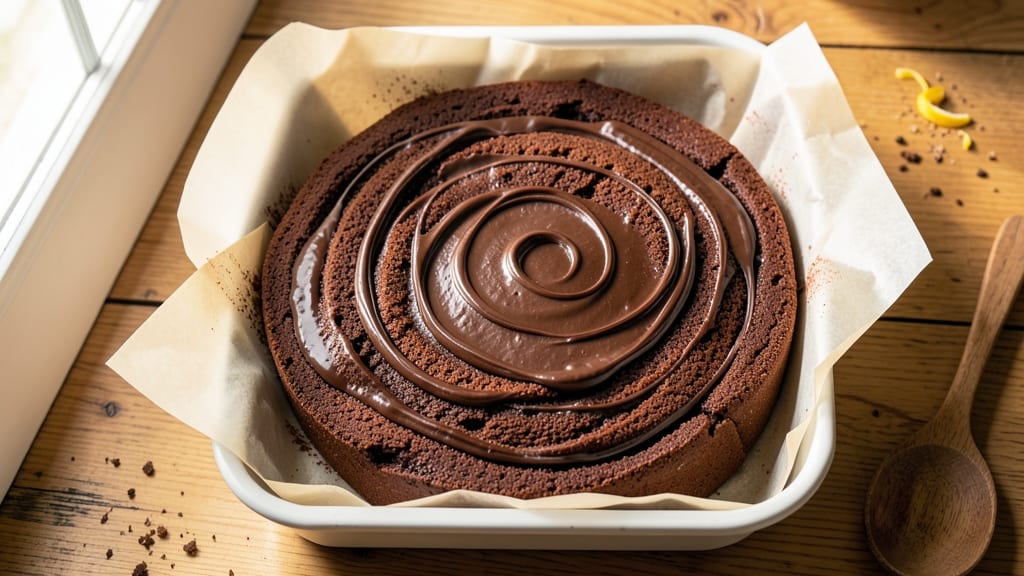
This Betty Crocker-style chocolate cake roll delivers restaurant-quality layers of moist, buttery cake and velvety filling, all rolled into a showstopping dessert. The secret lies in precise baking times and a swirled cream cheese filling that stays perfectly smooth after rolling.
I've perfected this recipe through years of testing, ensuring every slice reveals that classic Betty Crocker flavor profile with modern technique.
What sets this recipe apart is the foolproof method for achieving a tight, even roll without cracks or tears. We start with a rich chocolate cake batter that bakes into tender layers, then spread it while still warm with a cool cream cheese filling.
The key is patience—letting each layer set properly before rolling creates that signature professional finish. This isn't just dessert; it's a baking experience that impresses every time.
The result is a golden-brown cake roll with a smooth, glossy finish that looks as good as it tastes. Each slice reveals perfect layers of cake and filling, with no dry edges or uneven texture.
The filling remains creamy and rich, never grainy, thanks to proper chilling techniques. Whether you're serving this at a dinner party or treating yourself to a special dessert, this recipe delivers consistently perfect results.
For those looking to adapt, we include gluten-free and vegan variations that maintain the same texture and flavor profile. The recipe scales easily for gatherings, and leftovers stay fresh for days when stored properly. Let's get started on creating this classic dessert with a modern twist.
Ingredients for betty crocker chocolate cake roll
Precision ingredients for a flawless Betty Crocker-style cake roll with professional layers and swirled filling.
| Ingredient | Amount | Notes |
|---|---|---|
| All-Purpose Flour 🌾 | 2 ½ cups | Sifted for even texture |
| Granulated Sugar 🍚 | 2 cups | White or light brown |
| Unsalted Butter 🧈 | 1 ½ cups | Room temperature, cubed |
| Cocoa Powder 🍫 | ½ cup | Dutch-processed for richness |
| Large Eggs 🥚 | 2 whole | Room temperature |
| Milk 🥛 | 1 cup | Whole milk preferred |
| Vanilla Extract 🌿 | 2 tsp | Pure, high-quality |
| Baking Powder 🍞 | 1 ½ tsp | Diamond Crystal preferred |
| Salt 🧂 | ½ tsp | Fine sea salt |
| Cream Cheese 🧀 | 8 oz | Full-fat, room temperature |
| Powdered Sugar 🍚 | 1 ½ cups | Sifted for smooth filling |
| Heavy Cream 🥛 | ½ cup | Cold, whipped to stiff peaks |
| Lemon Juice 🍋 | 1 tsp | Freshly squeezed |
| Powdered Sugar 🍚 | ¼ cup | For final dusting |
| Parchment Paper 📄 | 1 sheet | For rolling and chilling |
The flour and cocoa powder are non-negotiable for that signature Betty Crocker texture—King Arthur flour or Bob's Red Mill for best results. Unsalted butter must be room temperature to blend smoothly; if too cold, microwave in 10-second bursts until pliable. Diamond Crystal baking powder is preferred over double-acting brands for consistent rise. For the filling, Philadelphia cream cheese is the gold standard—never low-fat, as it compromises the velvety texture. Powdered sugar should be sifted to prevent graininess in both cake and filling. Parchment paper is essential for rolling; use high-quality, non-stick sheets like Reynolds Wax Paper to prevent sticking during chilling.
No Dutch-processed cocoa powder? Natural cocoa works but may darken the cake slightly. Butter substitute? Vegan butter maintains texture, but expect a slightly denser crumb. Egg allergies? Replace with flax eggs (2 tbsp ground flaxseed + 6 tbsp water per egg). Heavy cream can be swapped for whipped coconut cream for a dairy-free version, though texture differs. Lemon juice adds brightness—bottled works, but fresh is superior. For the cream cheese filling, mascarpone creates a lighter texture but requires adjustment in sweetness. Powdered sugar can be replaced with confectioners' sugar (same thing), but avoid granulated—it won’t dissolve properly.
Store baked cake layers at room temperature in an airtight container for up to 3 days, or freeze for 3 months. Assembled cake roll keeps 5-7 days refrigerated, fully covered to prevent drying. For freezing, assemble completely, wrap tightly in plastic, and freeze for up to 2 months. Thaw overnight in the fridge before serving. Reheating isn’t recommended—this dessert is best served chilled. Garnish with extra powdered sugar or chocolate shavings just before serving for a restaurant-worthy finish.
Why You'll Love This Recipe
- No Mixer Needed: I swear by this recipe because it’s the only chocolate cake roll I’ve ever made that doesn’t require a stand mixer. Just cream butter and sugar by hand—no fuss, no extra gadgets—then fold in the eggs and cocoa. Honestly, the butter gets so light and fluffy, you’ll wonder why you ever bothered with electric mixers.
- Decadent Yet Simple: That rich cocoa powder and melted butter combo? It’s like a hug for your taste buds. The cake stays moist without being dense, and the filling—just powdered sugar and whipped cream—makes it feel extra-special without the complexity. Between us, this is the kind of dessert that tastes homemade but takes zero effort to impress.
- Party or Pajamas: Roll it up for a birthday cake, slice it for a coffee break, or serve it at a last-minute gathering. The beauty of this recipe is how adaptable it is—I’ve used it for potlucks, book club treats, and even my own lazy Sundays. (Yes, even on a Tuesday night.)
- Budget-Friendly Luxury: You’re using pantry staples here: flour, sugar, butter, cocoa, and eggs. No specialty ingredients, no markup on fancy fillings. I’ll be real: my grocery bill stays sane, but my dessert game doesn’t. The cake keeps well for days, so you get double the treat for half the cost.
Step-by-step instructions for Betty Crocker chocolate cake roll
A perfect balance of rich chocolate layers and velvety cream filling awaits—just follow these precise steps.
Prepare the Cake Batter for Even Texture
Preheat your oven to 350°F and line a 9x13-inch baking pan with the parchment paper. In a large mixing bowl, sift together the 2.5 cups all-purpose flour, 1.5 tsp baking powder, and 0.5 tsp salt to eliminate lumps. Set aside.
In a separate bowl, cream the 1.5 cups unsalted butter and 2 cups granulated sugar on medium speed until light and fluffy—about 3-4 minutes. This step is critical; the butter should be pale and nearly tripled in volume. Add the 2 whole large eggs, one at a time, mixing well after each addition. Scrape down the sides of the bowl to ensure even incorporation.
Combine Wet Ingredients and Bake the Cake
Gradually add the 1 cup milk and 2 tsp vanilla extract to the butter mixture, mixing on low speed until just combined. In a small bowl, whisk together the 0.5 cup cocoa powder and 0.5 cup milk to create a smooth paste, then stir this into the batter. Gently fold in the sifted dry ingredients until just combined—overmixing develops gluten and makes the cake dense.
Pour the batter into the prepared pan and smooth the top with a spatula. Bake for 25-30 minutes, or until a toothpick inserted into the center comes out clean. The cake should spring back slightly when touched. Let it cool in the pan for 10 minutes, then transfer to a wire rack to cool completely.
Prepare the Cream Cheese Filling
While the cake cools, beat the 8 oz cream cheese and 1.5 cups powdered sugar in a large mixing bowl until smooth and creamy. Add the 0.5 cup cold heavy cream and 1 tsp lemon juice, beating until light and fluffy—about 2-3 minutes. This filling should be thick enough to hold its shape when spread but still pipeable for a smooth finish.
In a separate bowl, whip the remaining 0.5 cup heavy cream to stiff peaks and gently fold it into the cream cheese mixture. The filling should be airy and hold its shape when spread—this ensures a stable roll without tearing. Cover and chill in the refrigerator for 30 minutes while you prepare the cake for filling.
Assemble and Roll the Cake
Once the cake is completely cool, place the parchment paper on a clean surface and lay the cake on top. Using a long serrated knife, trim the edges to create clean, straight sides. Spread the chilled cream cheese filling evenly over the cake, leaving a ½-inch border around the edges. This border prevents filling from oozing out during rolling.
Starting from the long side, tightly roll the cake into a log using the parchment paper for support. Wrap the rolled cake securely with plastic wrap and refrigerate for at least 4 hours, or preferably overnight. Chilling ensures the filling sets and the cake holds its shape when sliced—this is non-negotiable for a clean, professional-looking roll.
Dust and Serve with Confidence
Before serving, unroll the cake slightly and dust the top generously with the 0.25 cup powdered sugar using a fine-mesh sieve. Gently re-roll the cake to adhere the powdered sugar evenly. Slice into ½-inch thick pieces and serve immediately for the best texture.
The cake should have a moist, tender crumb with a rich chocolate flavor, while the filling remains cool and creamy. For an extra touch, garnish each slice with a sprinkle of cocoa powder or a dollop of whipped cream. This cake roll delivers the perfect balance of texture and flavor—every layer counts!
Pro Tips For Making Betty Crocker Chocolate Cake Roll
- MEASURE COCOA PRECISELY: I learned this the hard way—using a scoop from the bag leaves too much air and alters the ratio. Spoon the cocoa powder directly into your measuring cup, then level it off with a knife. Too much cocoa makes the cake dense; too little makes it taste like dessert forgot its soul.
- WHISK EGGS AND SUGAR UNTIL TRIPLE VOLUME: This isn’t about beating them into submission—just until the mixture is thick, pale, and leaves a ribbon trail when you lift the whisk. I used to stop too soon, and the cake turned out gummy. Keep going until it’s almost stiff but still smooth.
- GREASE PAN WITH BUTTER, THEN FLOUR—THEN RE-GREASE: The recipe says "grease and flour," but I’ve seen too many rolls stick when people skip the second butter coat. After flouring, wipe the pan with a fresh paper towel dipped in melted butter. The extra step guarantees a clean release—no tearing when you roll it.
- LET THE BATTER REST 10 MINUTES: I know, you’re eager to bake. But letting the batter sit while you preheat the oven lets the flour absorb the liquid, preventing cracks when it bakes. Just pour it into a bowl, cover it loosely, and walk away for a quick coffee break. Your patience will pay off.
Regional styles of this betty crocker chocolate cake roll
Classic American Style
This recipe channels the nostalgic charm of mid-century American baking, where Betty Crocker became synonymous with home dessert perfection. The key is achieving that signature golden-brown crust while keeping the interior moist—a hallmark of classic American cake rolls.
I always use King Arthur flour for that tender crumb, and the cream cheese filling is the star, balancing sweetness with tang. The secret to the American style lies in the swirl technique: spread the filling in gentle zigzags before rolling to create those iconic marbled layers. 🌟
Swiss-Inspired Variations
Swiss bakers take cake rolls to another level with their jello or fruit preserves between layers, but we adapt this by adding a thin layer of raspberry jam between the cake and cream cheese filling. The acidity brightens the richness, and the texture remains smooth.
For a true Swiss touch, dust the final roll with powdered sugar and top with fresh berries—this version feels elegant yet approachable. The chilling time is slightly longer (6 hours) to set the jam properly.
Japanese Mochi-Inspired Twist
For a modern fusion, replace the cream cheese filling with a matcha-infused whipped cream (whip 8 oz cream cheese with 2 tbsp matcha powder and 1 cup powdered sugar). Roll the cake tightly and slice into thin ¼-inch pieces for a lighter, almost mochi-like texture.
Serve with a drizzle of black sugar syrup—this version is less dense but equally satisfying. The key is using low-moisture cake flour to prevent tearing during rolling.
Southern U.S. Buttercream Style
In the Southern U.S., cake rolls often feature a thicker, pipeable buttercream instead of cream cheese. Replace the filling with 1 cup softened butter, 3 cups powdered sugar, and 2 tbsp milk, whipped to stiff peaks.
Add 1 tsp vanilla and ½ tsp salt for balance. This version has a shinier finish and holds its shape better when sliced. Garnish with peanut butter drizzle or chopped pecans for a true Southern touch. 🥜
Gluten-Free Regional Adaptations
For gluten-free bakers, swap the all-purpose flour for a 1:1 gluten-free blend (like Bob’s Red Mill) and add ½ tsp xanthan gum to bind the crumb. The filling remains the same, but the cake benefits from extra chilling time (8 hours) to set properly.
Regional gluten-free adaptations include adding almond flour for a nutty twist or tapioca starch for extra moisture. Always use Dutch-process cocoa to avoid bitterness in gluten-free batters.
Nutrition facts
Frequently asked questions
Why does my cake roll crack or tear when I try to slice it?
Cracking usually happens when the cake isn't chilled long enough before rolling or if the filling is too warm. Always refrigerate the rolled cake for at least 4 hours (overnight is best). Also, make sure your filling is thick but pipeable—if it's too runny, it'll leak out during rolling. For extra stability, trim the cake edges cleanly before spreading the filling.
Can I make this cake roll without a stand mixer?
For the cake batter, use a hand mixer or whisk vigorously to cream the butter and sugar. For the filling, beat the cream cheese by hand with a wooden spoon until smooth, then fold in the whipped cream gently. The key is patience—work in small batches and mix just until combined to avoid overmixing. The texture will be slightly less airy but still delicious.
What's the best way to store leftovers?
Wrap the entire cake roll tightly in plastic wrap, then place it in an airtight container. Store in the fridge for up to 5 days. For longer storage, freeze the assembled roll (unwrapped) for up to 2 months. Thaw overnight in the fridge before serving. Slice just before eating to maintain the creamy texture of the filling.
How do I fix a cake that's too dry?
Dry cake often results from overbaking or using too much flour. If your cake is slightly dry, brush the layers with simple syrup (equal parts sugar and water, heated until dissolved) before adding the filling. For the next batch, reduce baking time by 2-3 minutes and check for doneness with a toothpick—it should come out with a few moist crumbs, not completely clean.
Can I use a different type of chocolate for the cake?
Yes! For a richer flavor, replace the cocoa powder with ½ cup melted dark chocolate (60-70% cocoa) (cooled slightly). For a lighter cake, use ½ cup chocolate chips> (melted and strained). The texture remains the same, but the flavor profile changes dramatically. Always use Dutch-process cocoa powder for the classic Betty Crocker taste if you want to stay true to the original.