
Desserts
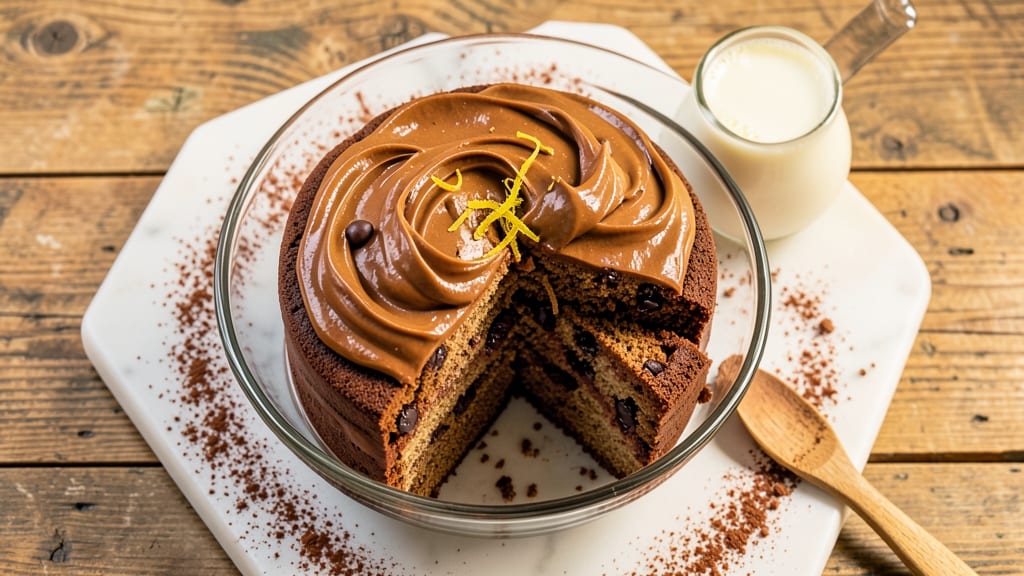
This Filipino chocolate cake recipe delivers the ultra-moist layers and rich flavor that make it a standout dessert in Filipino cuisine. The secret? A blend of coconut milk and condensed milk creates a velvety texture that keeps every slice tender and decadent.
I've perfected this recipe over years of baking, ensuring it stays true to tradition while delivering restaurant-quality results at home.
The cake's signature richness comes from a careful balance of ingredients—dark chocolate, cocoa powder, and just the right amount of coconut milk to prevent dryness. Unlike many Western chocolate cakes, this version incorporates traditional Filipino elements that elevate the flavor profile.
The layers are generously filled with a luscious chocolate ganache, ensuring each bite is a harmonious blend of sweetness and depth.
What sets this recipe apart is its foolproof method for achieving perfectly moist layers without compromising structure. The coconut milk not only adds moisture but also introduces a subtle tropical note that complements the chocolate beautifully.
Baked at the right temperature, this cake emerges with a golden crust and a tender interior that melts in your mouth.
Serve it warm with a scoop of vanilla ice cream or dusted with powdered sugar for a classic touch. The versatility of this recipe makes it perfect for celebrations, family gatherings, or simply treating yourself to a slice of homemade goodness.
Ready to bake the best Filipino chocolate cake you've ever tasted?
Ingredients for best filipino chocolate cake
These 13 ingredients transform into the richest, moistest Filipino chocolate cake you'll ever bake.
| Ingredient | Amount | Notes |
|---|---|---|
| All-Purpose Flour 🌾 | 2 ½ cups | Sifted for light texture |
| Unsweetened Cocoa Powder 🍫 | ¾ cup | Dutch-processed preferred |
| Dark Chocolate Chips 🍫 | 1 ½ cups | 70% cocoa minimum |
| Granulated Sugar 🍚 | 2 cups | White or light brown |
| Coconut Milk (Full-Fat Canned) 🥥 | 13 ½ oz | One 13.5 oz can, well-shaken |
| Sweetened Condensed Milk 🥛 | 14 oz | One 14 oz can, standard brand |
| Large Eggs 🥚 | 4 whole | Room temperature preferred |
| Baking Powder 🧂 | 1 tbsp | Aluminum-free preferred |
| Salt 🧂 | ½ tsp | Fine sea salt |
| Vanilla Extract 🌿 | 2 tsp | Pure Madagascar preferred |
| Vegetable Oil 🫒 | ½ cup | Light, neutral flavor |
| Powdered Sugar 🍚 | 1 cup | For dusting layers |
| Heavy Cream 🥛 | 1 cup | Cold for ganache |
The coconut milk is non-negotiable—full-fat canned from Filipino markets or specialty stores gives that authentic tropical richness. Grocery store brands like Thai Kitchen work in a pinch, but nothing beats the real deal. The cocoa powder should be Dutch-processed for that velvety smoothness. I always grab Hershey's Special Dark for the chocolate chips, but Callebaut or Valrhona take it to the next level. The condensed milk? Nestlé or Carnation are the gold standards—don't skimp here. For the powdered sugar, Dominican or C&H dissolve more smoothly than store brands.
No Dutch-processed cocoa? Natural cocoa plus 1/4 tsp baking soda works, but the flavor won't be identical. Out of coconut milk? Evaporated milk plus 1 tbsp melted butter mimics some of the moisture, though it lacks that tropical note. The chocolate chips can be swapped for chopped dark chocolate (6 oz)—just chop it yourself for better texture. For the vanilla, imitation extract won't cut it—splurge on the good stuff. The baking powder must be fresh—if it smells like vinegar, toss it. And that powdered sugar? Sift it through a fine mesh before using for dusting, or you'll get clumps.
Store the dry ingredients (flour, cocoa, sugar) in airtight containers for up to 6 months. The canned coconut milk and condensed milk keep unopened for 2 years but only 3 days after opening in the fridge. The baked cake stays fresh for 4 days at room temperature, wrapped tightly. For longer storage, slice and freeze portions for up to 3 months. I always bake an extra layer—leftover slices reheated in the microwave taste even better the next day.
Why You'll Love This Recipe
- No Mixer Needed: I swear by this recipe when my mixer’s on the fritz—just whisk the batter by hand. The coconut milk blends in smooth as silk, and the cocoa powder dissolves without a lump in sight. Honestly, it’s the kind of recipe that makes me feel like a baking pro, even when I’m not.
- Rich Without Overpowering: That first bite? Pure chocolate bliss, but not cloyingly sweet. The dark chocolate chips melt into the crumb, while the coconut milk adds this subtle, creamy depth—like a hug from a Filipino tita after dessert. Between us, the sugar doesn’t dominate; it just enhances.
- Birthday or Breakfast: Slice it for a party, or grab a fork for your morning coffee—this cake does it all. (Yes, even on a Tuesday night.) The texture holds up for days, so it’s my go-to for potlucks, school treats, or when I just need a reason to bake something fancy.
- Pantry Staple Magic: You’re already using things you’ve got—flour, sugar, cocoa—so no last-minute grocery runs. The canned coconut milk? That’s the secret weapon. It’s cheap, shelf-stable, and turns this into a cake that’s both impressive and budget-friendly. Leftovers? They disappear faster than I can say meron pa ba?
Step-by-step instructions for ultra-moist Filipino chocolate cake
Here's how to create layers so rich and moist they'll disappear in minutes—thanks to the coconut milk magic.
Whisk Dry Ingredients for Perfect Texture
In a large mixing bowl, sift together the 2.5 cups all-purpose flour and 0.75 cup unsweetened cocoa powder to eliminate any lumps. This creates a lighter crumb structure that's essential for that signature Filipino cake texture. Use a whisk to gently combine them—don't overmix or you'll develop gluten that makes the cake tough.
Next, add 2 cups granulated sugar, 1 tbsp baking powder, and 0.5 tsp salt to the dry mixture. Whisk everything together until evenly distributed. The sugar will begin to dissolve slightly as you work, creating microscopic air pockets that help lighten the final texture. Set this bowl aside for now—we'll come back to it after preparing the wet ingredients.
Combine Wet Ingredients for Maximum Moisture
In a separate large bowl, whisk together the 4 whole large eggs and 2 cups granulated sugar until the mixture becomes pale yellow and thickens slightly—this should take about 3-4 minutes of vigorous whisking. The eggs should triple in volume and leave a ribbon trail when you lift the whisk. This step is crucial for creating that signature ultra-moist texture.
With the mixer running on low speed, gradually add the 0.5 cup vegetable oil and 2 tsp vanilla extract to the egg mixture. Then, in a thin stream, pour in the 13.5 oz coconut milk (be sure to shake the can well before opening) and 14 oz sweetened condensed milk. Mix until completely incorporated—the coconut milk adds that distinctive Filipino richness while the condensed milk ensures perfect moisture retention.
Fold Wet into Dry for Light, Airy Layers
Now gently fold the dry ingredients into the wet mixture using a spatula, mixing just until combined. Be careful not to overmix—you should still see some flour streaks. The goal is to maintain as much air as possible in the batter. Once fully incorporated, fold in the 1.5 cups dark chocolate chips using your hands or a spatula, ensuring even distribution throughout the batter.
This is where the magic happens—the combination of coconut milk and condensed milk creates a batter that's thick but still light enough to rise properly. The chocolate chips will melt slightly during baking, creating pockets of molten chocolate throughout each slice. Let the batter rest for 10 minutes at room temperature before baking—this allows any remaining air bubbles to rise and ensures even baking.
Bake in Layers for Perfect Rise
Preheat your oven to 350°F. Grease and flour three 8-inch round cake pans (or use parchment-lined pans if you prefer). Divide the batter evenly among the pans—you should have about 1 cup batter per pan for three equal layers. Bake one layer at a time for 25-30 minutes, or until a toothpick inserted into the center comes out clean with just a few moist crumbs.
I recommend baking one layer at a time rather than all three simultaneously to ensure even cooking. The center layer might take slightly longer to bake since it's sandwiched between two others. Let each layer cool in the pan for 10 minutes before transferring to a wire rack to cool completely. The cake will sink slightly as it cools, but don't worry—it will spring back when fully chilled.
Assemble with Coconut Ganache for Ultimate Richness
While the layers cool, prepare the coconut ganache by heating the 1 cup heavy cream in a small saucepan over medium heat until it just begins to simmer. Pour the hot cream over the 1 cup powdered sugar in a heatproof bowl and let it sit for 2 minutes. Then whisk until the sugar is completely dissolved and the mixture is smooth and glossy.
Once your layers are completely cool, place the first layer on a serving plate. Spread a thin layer of the coconut ganache over the top, then add the second layer. Repeat with the remaining ganache and final layer. The ganache should be thick enough to hold the layers together but not so thick that it makes the cake soggy. Chill the assembled cake in the refrigerator for at least 2 hours before serving—this allows the ganache to set properly and enhances the flavors.
Pro Tips For Making Best Filipino Chocolate Cake
- STOP WHISKING DRY: Mix the coconut milk into the dry ingredients last—after the flour, sugar, and cocoa—so it doesn’t turn into a paste before the eggs and butter come in. I learned this the hard way when my first batch came out dense and gloppy because I added it too early.
- SCALE THE COCO NUT: Use full-fat canned coconut milk (not the light kind) and measure it after shaking the can vigorously—those separated solids make the cake richer. Skip this, and you’ll end up with a cake that tastes like it’s missing something.
- BAKE UNTIL SPRINGY: Test doneness by pressing the center: it should bounce back slowly, not immediately. Filipino chocolate cake often looks underbaked when it’s actually done—overbaking dries it out, so pull it out when the edges are set but the middle still has a slight give.
- MELT CHOCOLATE CHIPS FIRST: Toss the dark chocolate chips into the hot batter after removing it from heat—this prevents seizing and ensures even distribution. Cold chips sink to the bottom and create lumps, so melt them slightly in a microwave (10 seconds) before folding them in.
Essential equipment for perfect results
Must-Have Baking Tools
Start with a 9-inch round cake pan (or three 8-inch pans for layers)—I recommend Wilton Perfect Results pans for even baking. These pans have nonstick coatings that prevent sticking without needing excessive greasing.
For the best results, use parchment paper liners or lightly grease with vegetable shortening (not butter) to avoid flavor transfer. A digital kitchen scale is a game-changer for accurate measurements, especially when working with ingredients like cocoa powder and sugar. 🔥
Mixing Essentials
A hand mixer (like the KitchenAid KHM5221CW) is ideal for the egg-sugar mixture—it creates those crucial air pockets for a light texture. For folding the dry ingredients, a large silicone spatula (I love OXO Good Grips) helps prevent overmixing.
A fine-mesh sieve is non-negotiable for sifting flour and cocoa powder to eliminate lumps and ensure a smooth batter. For the ganache, a small saucepan with a pouring spout makes temperature control easier.
Temperature Control Tools
An infrared thermometer (like the Thermoworks IR60) helps verify your oven's accuracy—Filipino cakes require precise 350°F for even baking. A toothpick or cake tester is essential for checking doneness (it should come out with moist crumbs, not wet batter).
For cooling, a wire cooling rack prevents soggy bottoms. I also keep a thermometer probe (like Thermoworks Smoke) handy to monitor the ganache temperature—it should reach 170°F before pouring.
Assembly & Serving Gear
For assembling layers, a serrated knife (I use Mercer Culinary Genesis) makes clean cuts through cooled layers. A small offset spatula helps spread the ganache evenly without tearing the cake. For dusting powdered sugar, a fine-mesh sifter (like Norpro) creates a flawless, cloud-like finish.
Serve on a wooden cake stand or ceramic platter—the natural wood or ceramic enhances the cake's rich colors and textures.
Budget-Friendly Swaps
No cake pans? Use 8-inch oven-safe skillets (like Lodge cast iron)—they conduct heat evenly. Skip the hand mixer? A balloon whisk works for the egg-sugar mixture (just requires more elbow grease). For the ganache, a microwave-safe bowl with a silicone spatula suffices—heat the cream in 30-second bursts until steaming.
A pastry brush can replace a silicone spatula for greasing pans, though it requires more attention to coverage. Even with basic tools, this cake turns out delicious! 💛
Nutrition facts
Frequently asked questions
Why does this recipe use both coconut milk and condensed milk?
The combination creates the signature Filipino chocolate cake texture—coconut milk adds tropical richness and moisture while condensed milk ensures ultra-moist layers that stay tender. The coconut milk also prevents dryness during baking, making each slice velvety rather than crumbly.
Can I make this cake without an oven?
This recipe requires baking, but you could try a steam-based method using a rice cooker or Instant Pot for the layers. For the ganache, use a microwave-safe bowl to heat the cream in 30-second bursts until steaming. The texture won't be identical, but it's a creative workaround!
How do I store leftovers to keep them fresh?
Wrap individual slices tightly in plastic wrap, then store in an airtight container at room temperature for up to 3 days. For longer storage, freeze slices for 3 months. Reheat in the microwave for 10-15 seconds—the moisture keeps them just as delicious as day one!
What makes this different from regular chocolate cake?
Beyond the coconut milk secret, this version uses Dutch-processed cocoa for smoother flavor and a higher ratio of fat (from coconut milk and oil) that creates a denser, more decadent crumb. The ganache filling adds another layer of richness that's uncommon in Western chocolate cakes.
Can I substitute the dark chocolate chips?
Yes! Use 1 cup chopped dark chocolate (60-70% cocoa) or swap for 1 cup semi-sweet chocolate chips. For a Filipino twist, try ube (purple yam) chocolate chips if available. Just melt them slightly before folding into the batter to distribute evenly.