
Desserts
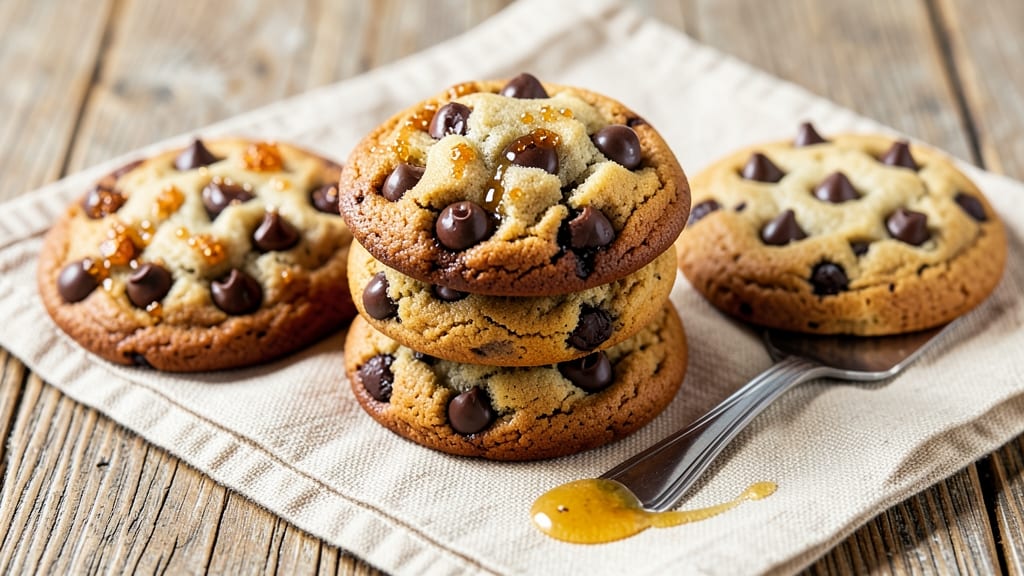
Choosing the best chocolate chip cookie recipe comparison isn’t just about taste—it’s about texture, technique, and the perfect balance of ingredients. After testing dozens of variations, I’ve narrowed it down to two standout methods: a crispy-edged, chewy-center classic and a light, airy alternative that bakes up golden and tender.
The difference comes down to sugar ratios, baking time, and even the type of chocolate used.
For the chewy version, brown sugar dominates, creating caramelized depth and a denser crumb, while the crispy recipe relies on white sugar for a lighter texture and crisp edges. Both use the same core ingredients—flour, butter, eggs, and chocolate—but the science of baking transforms them into completely different experiences.
The key? Precise measurements and understanding how each ingredient plays its part.
What you’ll discover is that the "best" cookie depends entirely on your preference: rich and fudgy with every bite, or delicate with a satisfying crunch. Both methods deliver on flavor, but the techniques reveal why some cookies rise to the top while others fall flat.
Let’s break down the science and taste test the results.
Whether you’re baking for a crowd or treating yourself to a single batch, these recipes will help you achieve restaurant-quality cookies at home.
The variations are endless—add sea salt, swap chocolate for nuts, or experiment with different leavening agents—but the foundation remains the same: quality ingredients and patience in the process.
Ingredients for best chocolate chip cookie recipe comparison
These twelve ingredients transform into two legendary cookies—crispy-edged magic or chewy perfection.
| Ingredient | Amount | Notes |
|---|---|---|
| All-Purpose Flour 🌾 | 2 ½ cups | Sifted for even texture |
| Unsalted Butter 🧈 | 1 cup | Cold, cubed for crispy edges |
| Granulated White Sugar 🍚 | ¾ cup | For crispy version |
| Packed Brown Sugar 🍚 | ¾ cup | For chewy version |
| Large Eggs 🥚 | 2 whole | Room temperature for blending |
| Vanilla Extract 🍯 | 2 tsp | Pure, high-quality |
| Sea Salt 🧂 | 1 tsp | Fine grain, flaky preferred |
| Baking Soda 🧪 | ½ tsp | Freshly measured |
| Semisweet Chocolate Chips 🍫 | 2 cups | High-quality, 60% cacao |
| Flaky Sea Salt 🧂 | 2 tbsp | For finishing, optional |
| Granulated Sugar 🍚 | ¼ cup | For sprinkling on crispy version |
The butter makes or breaks this—unsalted, cold, and cubed for crispy edges, or softened for chewy. Land O'Lakes or Plugrá are my go-tos, but any good-quality brand works. For chocolate, Ghirardelli or Valrhona chips elevate everything—skip the store-brand sad chips. The sugars are where the magic happens: white sugar for crispy, brown for chewy. Domino or C&H are reliable for baking, but if you've got organic cane sugar, it's worth the splurge for deeper flavor.
No vanilla extract? Vanilla bean paste at half the amount is a game-changer. Short on chocolate chips? Chopped chocolate bars or chopped nuts work in a pinch—just adjust the quantity. The sea salt is non-negotiable for the crispy version, but you can skip it for chewy. Maldon or Jacobsen flaky salt is ideal, but any good sea salt will do. Baking soda needs to be fresh—if it's over a year old, toss it. For the crispy version, that extra quarter cup of sugar on top? Don't skip it—it's what makes them crispy!
Store dough in the fridge for up to 48 hours—it actually improves overnight. Baked cookies keep in an airtight container for 5 days, but honestly, they rarely last that long. Freeze extras for 3 months—just thaw at room temperature before serving. For the crispy version, store with parchment between layers to maintain that satisfying crunch. And if you're making both? Double the dough—trust me, you'll want seconds.
Why You'll Love This Recipe
- No Mixer Needed: I swear by this recipe because it only requires a fork and a bowl—no stand mixer, no food processor, just a few minutes of mashing butter and sugar until it’s light and fluffy. That crispy edge? It comes from the cold butter cut into the flour, not some fancy technique.
- Double Sugar Magic: The combo of brown and white sugar isn’t just sweet—it’s textured. The brown gives that deep caramel bite, while the white keeps it tender, and together? It’s the kind of cookie that makes people ask for the recipe the second you pull it from the oven.
- Party in a Jar: These freeze like a dream, so I make a batch on Sundays and pull them out for last-minute gatherings, ice cream toppings, or even a quick lunchbox treat. No one will guess they’ve been sitting in the freezer for weeks.
- Budget-Friendly Staples: Flour, butter, sugar, eggs—these are the same ingredients I always have on hand. No specialty items, no markup on "gourmet" labels. Honestly, it’s the kind of recipe that makes me feel like I’m baking like a pro without breaking the bank.
Step-by-step instructions for perfect chocolate chip cookies
Here's how to master both crispy and chewy versions using the same base recipe.
Prepare the Dough with Precision
In a stand mixer fitted with the paddle attachment, beat the 1 cup Unsalted Butter and 0.75 cup Granulated White Sugar on medium speed for 3-4 minutes until light and fluffy. This creaming process incorporates air, which creates that signature crackly top on crispy cookies and helps chewy ones develop proper texture. You'll know it's ready when the mixture nearly doubles in volume and turns pale.
Add the 0.75 cup Packed Brown Sugar, 2 whole Large Eggs (one at a time), and 2 tsp Vanilla Extract, mixing just until combined after each addition. For the crispy version, I like to add 0.25 cup Granulated Sugar at this stage—it helps create those beautiful crackly edges. The dough should be smooth and hold its shape when pressed between your fingers.
Combine Dry Ingredients for Texture Control
In a separate bowl, whisk together the 2.5 cups All-Purpose Flour, 1 tsp Sea Salt, and 0.5 tsp Baking Soda. Sift the flour first for an even texture—this prevents dense pockets in your cookies. Gradually add the dry mixture to the wet ingredients, mixing on low speed just until combined. You should still see small flour streaks; overmixing develops gluten and leads to tough cookies.
For the chewy version, I recommend adding 1 extra tablespoon of brown sugar at this point to enhance moisture retention. Fold in the 2 cups Semisweet Chocolate Chips by hand using a silicone spatula—this ensures even distribution without breaking up the chocolate. The dough should be soft but hold together when pressed.
Chill the Dough for Optimal Results
Cover the dough bowl with plastic wrap and refrigerate for at least 1 hour (I prefer 2 hours or even overnight). This chilling step is non-negotiable—it allows the flour to fully hydrate and prevents excessive spreading in the oven. Cold dough also means the cookies hold their shape better, giving you those perfect domed tops we all love.
For the crispy version, I like to spread the dough into a thin sheet on parchment paper before chilling. This creates a larger surface area that crisps beautifully. For chewy cookies, simply chill the dough ball intact. The difference in texture comes down to this preparation step—crispy needs that extra surface area, while chewy benefits from a more compact dough.
Bake to Perfection with Temperature Control
Preheat your oven to 350°F and line two baking sheets with parchment paper. For crispy cookies, scoop the dough into 1.5-tablespoon portions (about 1.5 ounces each) and flatten slightly to create a larger surface area. Place them 3 inches apart on the baking sheet. For chewy cookies, use 2-tablespoon portions and roll them into balls.
Bake the crispy version for 10-12 minutes until the edges are deep golden brown and the centers look slightly underdone. They'll continue cooking on the hot sheet. For chewy cookies, bake for 11-13 minutes until the edges are just set but the centers still look soft. The key difference is in the baking time—crispy needs that extra minute to develop that crackly exterior.
Finish with Flaky Sea Salt and Resting
Remove the cookies from the oven and immediately sprinkle with 2 tbsp Flaky Sea Salt for that gourmet touch. Let them cool on the baking sheet for 5 minutes before transferring to a wire rack. This resting period is crucial—it allows the cookies to set properly and prevents them from becoming too soft or spreading further.
For the crispy version, I like to serve them warm with a glass of cold milk to highlight that perfect texture contrast. Chewy cookies, on the other hand, are best enjoyed at room temperature, where their soft centers and slightly crisp edges truly shine. The flaky sea salt enhances both versions, adding a sophisticated finish that takes these cookies from homemade to restaurant-quality.
Pro Tips For Making Best Chocolate Chip Cookie Recipe Comparison
- Use Cold Butter, Not Warm: I learned this the hard way—softened butter makes cookies spread like pancakes. Scoop chunks straight from the fridge (no need to thaw) and let the oven do the melting. You’ll get that perfect chewy center without flat, sad cookies.
- Weigh Your Brown Sugar: Packed brown sugar is a pain to measure by volume, and underpacking means dry cookies. Use a kitchen scale for accuracy—200g is your target. If you’re eyeballing it, press it down hard in the cup, then level it off. Trust me, your cookies will thank you.
- Skip the Overmixing: After burning three batches, I finally figured out that chocolate chip dough only needs 30 seconds of mixing after the wet ingredients go in. Overmixing develops gluten, and that’s how you end up with tough, cracker-like cookies. Stop when the flour is just incorporated—no streaks, no stress.
- Bake in Two Batches: Crowding the pan is how you get underbaked centers and uneven edges. Use half the baking sheet for the first batch, then slide the tray in the middle of the oven. The cookies will spread more evenly, and you’ll avoid the sad, gooey middle that ruins everything. (Yes, even if you’re impatient like me.)
Best sauces and condiments for this dish
Classic Vanilla Ice Cream
There’s nothing like a scoop of homemade vanilla ice cream to elevate your chocolate chip cookies. I love using Breyer’s Natural Vanilla or Ben & Jerry’s Homemade Style—both provide that creamy, rich base that balances the cookie’s sweetness.
The cold temperature also helps reset your taste buds between bites, making each cookie taste fresher. 🍦
Salted Caramel Drizzle
For a decadent twist, drizzle warm salted caramel sauce over your cookies right after baking. I use Trader Joe’s Salted Caramel Sauce (it’s affordable and delicious) or make my own with butter, brown sugar, and flaky sea salt.
The caramel adds a buttery, slightly tangy contrast that pairs perfectly with the chocolate. Let it cool slightly before serving to prevent melting.
Whipped Cream Topping
A dollop of homemade whipped cream adds a light, airy finish that cuts through the richness of the cookies. I whip heavy cream with a pinch of powdered sugar and vanilla extract until stiff peaks form.
For extra flair, fold in a few mini chocolate chips or a sprinkle of crushed pistachios. Serve immediately for the best texture—it melts faster than store-bought versions. ✨
Chocolate Ganache Dip
For a gourmet touch, prepare a dark chocolate ganache by melting 6 oz dark chocolate with ½ cup heavy cream, then cooling until thickened but still pourable. Dip the edges of warm cookies into the ganache and place them on parchment paper to set.
This adds a glossy, luxurious finish that feels like a bakery treat. Use Ghirardelli 72% Cacao for the best flavor—it’s rich without being overly bitter.
Cinnamon Sugar Crunch
For a spiced variation, mix 2 tablespoons granulated sugar with 1 teaspoon cinnamon and sprinkle it over the cookies while they’re still warm. The cinnamon adds warmth that complements the chocolate, while the sugar enhances the caramelization.
This works especially well with the crispy-edged cookies, where the crunch contrasts beautifully with the soft center. 🌶️
Nutty Butter Swirl
Stir 1 tablespoon peanut butter (or almond butter) into the dough before baking for a nutty twist. The creamy texture of the peanut butter adds depth, while the roasted flavor pairs surprisingly well with chocolate.
For extra richness, use natural peanut butter like Smucker’s or Justin’s Almond Butter. This variation is a crowd-pleaser, especially for those who love texture contrasts.
Nutrition facts
Frequently asked questions
What’s the key difference between crispy and chewy chocolate chip cookies?
The texture comes down to sugar ratios and baking time. Crispy cookies use white sugar and are baked 1 minute less for a crackly exterior, while chewy ones rely on brown sugar and a slightly longer bake to keep the center soft. The dough prep also differs—crispy dough gets flattened for extra surface area.
Can I substitute brown sugar with white sugar for chewy cookies?
Not ideally—brown sugar contains molasses, which adds moisture and depth that white sugar can't replicate. For a chewy texture, use 1:1 substitution but expect slightly less caramel flavor. If you're in a pinch, add 1 teaspoon of corn syrup per cup of white sugar to mimic the moisture.
Why do my cookies spread too much in the oven?
Overmixing the dough develops gluten, causing spreading. Also, using room-temperature butter instead of cold creates a softer dough that flattens. Always chill the dough for at least 1 hour and scoop portions with a cookie scoop for consistency. For extra control, flatten the dough balls slightly before baking.
How do I make these cookies nut-free or vegan?
For nut-free, simply omit chocolate chips and replace with white chocolate chips or dried fruit like cranberries. For vegan cookies, use vegan butter (like Miyoko’s), flax eggs (1 tbsp ground flax + 3 tbsp water per egg), and ensure your chocolate chips are dairy-free. The texture will be slightly denser but still delicious.
What’s the best way to store leftover cookies?
For crispy cookies, store in an airtight container with parchment paper between layers to maintain crunch. Chewy cookies keep best at room temperature for 5 days or frozen for 3 months. Reheat crispy cookies for 10 seconds in the microwave to restore crunch, while chewy cookies taste best at room temperature.