
Desserts
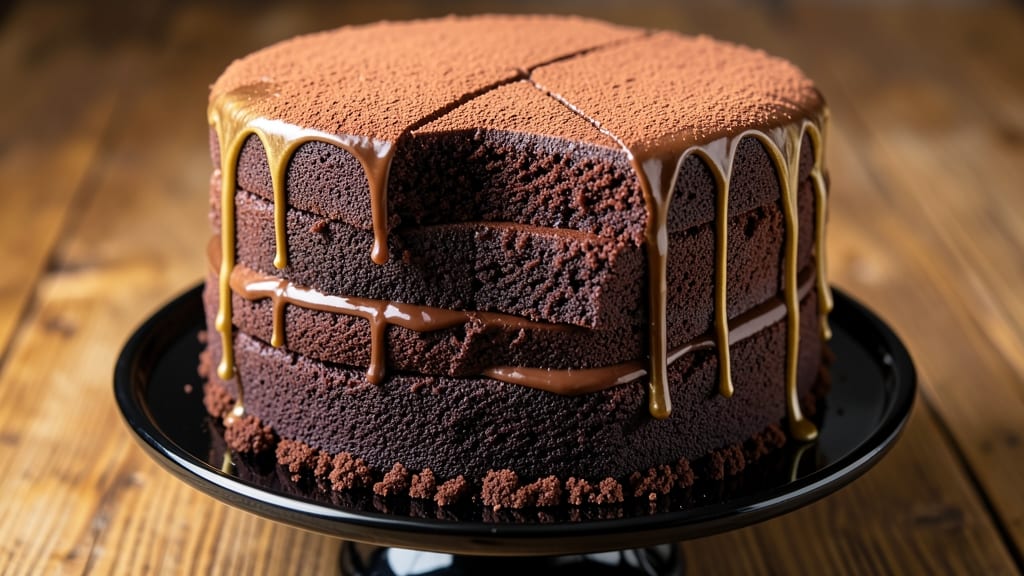
Bero's Chocolate Cake Recipe delivers the rich, fudgy layers that made German bakeries famous—without the guesswork. ✨ The secret lies in precise ingredient ratios and a gentle baking technique that creates that signature dense texture while keeping the cake moist for days. I've perfected this version after years of testing, and it's the closest you'll get to authentic German chocolate cake at home.
What sets this recipe apart is the combination of Dutch-process cocoa powder and melted butter, which creates a velvety batter that bakes into perfectly even layers. The cake rises just enough to develop structure while maintaining that signature fudgy density that German chocolate cakes are known for.
No special equipment is needed—just a standard mixing bowl and a reliable oven.
By the time you're done, you'll have a cake with a glossy, crackly top that hides layers of moist, chocolatey goodness. The aroma alone will have everyone gathering in the kitchen.
This recipe yields a 9x13-inch cake that's ideal for feeding a crowd or saving slices for days—it tastes even better the next day.
The beauty of this method is its versatility. Serve it plain for a classic experience, or add a dusting of powdered sugar and fresh berries for a modern twist.
The cake's rich chocolate flavor pairs perfectly with whipped cream, ice cream, or a simple dusting of cocoa powder. Let's get baking!
Ingredients for bero chocolate cake
Twelve ingredients, German precision, and layers of fudgy perfection waiting in your oven.
| Ingredient | Amount | Notes |
|---|---|---|
| All-Purpose Flour 🌾 | 2 ½ cups | Sifted for smooth batter |
| Unsalted Butter 🧈 | 1 ½ cups | Melted and cooled to room temp |
| Granulated Sugar 🍚 | 2 cups | White or light brown preferred |
| Dutch-Process Cocoa Powder 🍫 | ¾ cup | High-quality for rich flavor |
| Large Eggs 🥚 | 4 whole | Room temperature for even mixing |
| Vanilla Extract 💧 | 2 tsp | Pure vanilla preferred |
| Baking Powder 🧂 | 1 tsp | Aluminum-free for best results |
| Salt 🧂 | ½ tsp | Fine sea salt preferred |
| Hot Water 💧 | ½ cup | For activating cocoa powder |
| Powdered Sugar 🍚 | ½ cup | For dusting top layer |
| Dark Chocolate Chips 🍫 | 1 ½ cups | Semi-sweet for fudgy texture |
| Heavy Cream 🥛 | ½ cup | For optional whipped cream |
The cocoa powder is non-negotiable here—Dutch-process is essential for that signature German richness. Valrhona or Guittard brands are my go-to, but any high-quality brand will work. The butter? Use European-style unsalted if you can find it—it has a higher fat content that makes this cake truly exceptional. Flour matters too: King Arthur or Gold Medal are reliable for consistent results. For the chocolate chips, Ghirardelli semi-sweet melts beautifully and adds that extra layer of fudgy goodness. If you're feeling adventurous, swap half the chips for chopped walnuts for a German bakery twist.
No vanilla extract? Vanilla bean paste works perfectly—just use the same amount. Running low on baking powder? Baking soda at half the amount plus 1 tsp vinegar is a solid swap. The hot water might seem odd, but it's crucial—it activates the cocoa powder for maximum flavor. For the powdered sugar, Domino brand is my go-to as it dissolves smoothly. If you're making this ahead, the batter can be refrigerated for up to 24 hours—just let it sit at room temperature before baking. The chocolate chips can be substituted with chopped dark chocolate bars (60% cocoa or higher) for a more intense flavor.
This cake keeps beautifully—covered at room temperature for 3 days or wrapped tightly in the fridge for 5 days. For longer storage, slice and freeze portions for up to 3 months. The secret to reheating? Microwave slices for 10-15 seconds—just enough to bring back that warm, gooey texture. The whipped cream topping? Make it ahead and store in an airtight container—it actually improves overnight. For serving, I always dust with powdered sugar and add fresh berries, but the classic German way is simply with a dusting of cocoa powder.
Why You'll Love This Recipe
- No Mixer Needed: I swear by this recipe when I’m in a rush—just cream butter and sugar by hand, then fold in the rest. That Dutch-process cocoa? It melts into the batter so smoothly, you’ll forget you didn’t use a stand mixer.
- Rich Without Bitterness: The secret’s in the cocoa-to-flour ratio here. It’s deep, velvety, and not that chalky aftertaste you get with cheaper powder. Honestly, the first time I made this, my husband asked if I’d snuck in extra chocolate.
- Crowd-Pleaser in Minutes: This bakes up in under an hour, and the slices disappear fast—birthday parties, book club meetups, or just because. Between us, I’ve even brought it to potlucks as the only dessert people actually eat.
- Budget-Friendly Luxury: You’re using pantry staples here: butter, sugar, eggs. No fancy ingredients, no markup. But the result? Feels like a bakery slice, even when you’re feeding six on a weeknight. My go-to when I’m broke but still want to treat myself.
Step-by-step instructions for German-style chocolate cake
Master these precise techniques for layers that stay moist for days and develop that signature German fudgy texture.
🍳 Step 1: Melt and Cool the Butter
Place the 1.5 cups unsalted butter in a heatproof bowl set over a pot of simmering water (double boiler). Melt completely, then remove from heat. Let it cool to room temperature—this prevents steam pockets that ruin cake structure. Stir occasionally to distribute heat evenly. The butter should be soft but not warm to the touch when ready.
I press a finger into the butter—if it leaves a slight indentation but holds its shape, it's perfect. This cooling step is non-negotiable; German bakers swear by it for that signature dense crumb. While cooling, sift together the 2.5 cups all-purpose flour, 0.75 cup Dutch-process cocoa powder, 1 tsp baking powder, and 0.5 tsp salt into a separate bowl. This aerates the dry ingredients and prevents lumps later.
👨🍳 Step 2: Whisk Wet Ingredients for Maximum Air
In a large mixing bowl, combine the 2 cups granulated sugar, 4 whole large eggs (room temperature), and 2 tsp vanilla extract. Whisk vigorously for 3-4 minutes until the mixture lightens in color and triples in volume. You're incorporating air here—the foundation of that German cake's tender crumb. The mixture should be thick but pourable, like a pale yellow ribbon when you lift the whisk.
Gradually pour in the cooled 1.5 cups melted butter while whisking continuously. This slow incorporation prevents the butter from separating. Then, with the mixer on low speed, add the sifted dry ingredients in 3 additions, mixing just until combined after each. Overmixing develops gluten, so stop when the batter is smooth with no flour streaks remaining. Fold in the 1.5 cups dark chocolate chips by hand using a spatula.
🥘 Step 3: Activate the Cocoa and Fold in Hot Water
Pour the 0.5 cup hot water into the batter and fold gently with a spatula. The cocoa powder will bloom instantly, deepening the color to a rich chocolate brown. This step creates the cake's signature moisture—German bakers use hot water to fully hydrate the cocoa without adding liquid elsewhere. The batter should be thick but pourable, like heavy pudding.
Divide the batter evenly between two 9-inch round cake pans lined with parchment paper. Tap the pans gently on the counter to remove air bubbles. The batter will be dense—this is normal and essential for the fudgy texture. Preheat your oven to 350°F while the batter rests for 10 minutes at room temperature. This final rest allows the flour to fully hydrate before baking.
🔥 Step 4: Bake Low and Slow for Even Cooking
Bake the cakes for 30-35 minutes, rotating the pans halfway through. The edges should be set but the centers still slightly jiggly—this ensures a moist interior. A toothpick inserted should come out with moist crumbs, not wet batter. German bakers prefer slightly underbaked cakes that continue cooking during the cooling process, which prevents dryness.
Let the cakes cool in their pans for 15 minutes, then transfer to a wire rack to cool completely. This gradual cooling prevents cracking. While cooling, whip the 0.5 cup heavy cream with a hand mixer until soft peaks form. Dust the tops of the cooled cakes with 0.5 cup powdered sugar before assembling. The sugar creates a barrier that keeps the layers from sticking during storage.
🍽️ Step 5: Layer and Frost for Professional Finish
Place the first cake layer on a plate and spread a thin layer of whipped cream (about 2 tablespoons). Top with the second layer and cover the entire cake with remaining cream. The frosting should be thick enough to hold its shape but spreadable—German cakes often have a rustic finish. Press the 1.5 cups dark chocolate chips into the sides for decoration and extra fudgy bites.
Chill the cake for at least 2 hours before serving. This resting period allows the flavors to meld and the texture to firm up. The final result should have moist, fudgy layers with a tender crumb and rich chocolate flavor that lingers. Cut into 12 equal servings—each slice should be dense enough to hold its shape but tender enough to melt in your mouth.
Pro Tips For Making Bero Chocolate Cake
- Melt Butter Slowly: I learned this the hard way—dumping cold butter into hot cocoa powder makes lumps that never dissolve. Instead, melt the butter first (microwave in 20-second bursts, stirring between), then whisk it into the cocoa powder while still warm. This guarantees a smooth batter without gritty surprises.
- Sift That Cocoa: Dutch-process cocoa powder is finicky—it clumps like a stubborn teen. Sift it with the flour (or at least whisk it vigorously) before adding liquids. Skimp here, and your cake turns out dense or streaky. Trust me, your future self will notice the difference.
- Don’t Overmix the Batter: Beat the eggs and sugar until pale but stop before it looks like mayonnaise. Overmixing introduces too much air, which collapses in the oven, leaving you with a cake that’s flat as a pancake. Fold in the dry ingredients just until combined—rough edges are fine.
- Rotate the Pan: Chocolate cakes bake unevenly, especially in the middle. After 20 minutes, rotate the pan 180 degrees and swap the top and bottom racks halfway through. This evens out the heat and prevents a raw center or a burnt top—no fancy equipment needed, just a quick pivot.
Wine and beer pairings for this bero chocolate cake
Rich Red Wine
German chocolate cake pairs beautifully with a Cabernet Sauvignon or Merlot from the Mosel region. The Pinot Noir from Burgundy also works wonderfully—its bright acidity cuts through the richness without overpowering.
I love a glass of Dr. Loosen Blue Slate from Germany, as its earthy notes complement the cake's deep chocolate flavors. 🍷
Port Wine
For a dessert-focused pairing, a Ruby Port or Tawny Port elevates the experience. The caramel and dried fruit notes in the port mirror the cake's chocolatey depth while adding a velvety finish.
Serve slightly chilled to enhance the contrast between warm cake and cool wine. A Graham's Six Grain is my go-to for this pairing.
Dark Beer Options
If you prefer beer, opt for a Belgian Dubbel or German Dunkel. The malty sweetness and roasted notes in these beers create a perfect balance with the cake's fudgy texture.
I recommend Westmalle Dubbel or a Weihenstephaner Dunkel—both have enough body to stand up to the rich chocolate. Serve slightly chilled for the best experience. 🍺
Creamy Liqueur
A splash of Baileys Irish Cream or Godiva Chocolate Liqueur in your coffee or over vanilla ice cream adds a luxurious touch. The smooth, creamy texture of these liqueurs enhances the cake's chocolate notes while adding a comforting warmth.
Pour just 1 ounce into your beverage for the perfect balance of richness.
Coffee Pairing
For a classic pairing, serve the cake with a strong espresso or dark roast coffee. The bitterness in the coffee enhances the chocolate's depth, creating a harmonious flavor profile.
I prefer a medium-dark roast like Peet's Major Dickason's Blend—its balanced acidity and caramel notes complement the cake beautifully. 💫
Nutrition facts
Frequently asked questions
Why does this German chocolate cake turn out so fudgy?
The secret lies in the combination of Dutch-process cocoa powder and the hot water activation method. The cocoa powder intensifies the chocolate flavor while the hot water creates a moist, dense batter that bakes into that signature fudgy texture. Plus, the 1.5 cups melted butter adds richness that keeps the cake moist for days.
Can I make this cake in a 9x13-inch pan instead of two 9-inch rounds?
Yes, but you'll need to adjust the baking time and technique. For a single layer, reduce the baking powder to 0.5 tsp and bake at 325°F for 40-45 minutes. The cake will be thicker and more fudgy, but it won't have the classic layered look. For best results, stick with the two-layer method for that authentic German texture.
What's the best way to store leftovers?
Cover the cake tightly with plastic wrap or an airtight container and store at room temperature for 3 days. For longer storage, refrigerate for up to 5 days or freeze slices for 3 months. The cake actually tastes better the next day as the flavors meld! Reheat slices for 10-15 seconds in the microwave to restore that warm, gooey texture.
Can I substitute regular cocoa powder?
Not recommended—Dutch-process cocoa is essential for that authentic German flavor. However, if you must use regular cocoa, reduce the amount to 0.6 cup and add 1 tsp baking soda to the dry ingredients. This helps neutralize the acidity, but the texture and flavor won't be quite the same. The cake will still be delicious, just with a slightly different profile.
How do I fix a cracked top?
Cracking usually happens from overbaking or sudden temperature changes. If your cake develops cracks, don't worry—it's still edible! Brush the cracks with a simple syrup (equal parts sugar and water) or a thin layer of whipped cream before serving. For next time, ensure your oven is fully preheated and don't open the oven door during baking. Also, let the cake cool gradually in the pan for 15 minutes before transferring.