
Sauces & Condiments
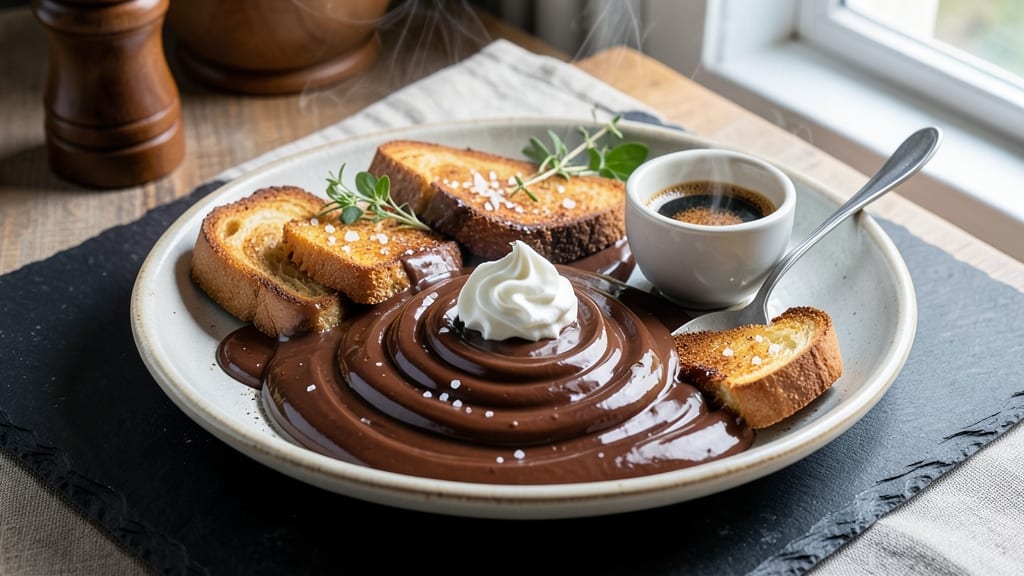
This Belgian chocolate sauce recipe transforms simple ingredients into a velvety, ultra-smooth drizzle that elevates every dessert. 💛 The secret lies in tempering high-quality chocolate with butter and cream, creating a sauce so rich it clings beautifully to cakes, ice cream, or fruit.
I developed this version after years of testing—it’s the one that finally achieved that signature Belgian restaurant texture at home.
The process couldn’t be simpler: melt chocolate and butter together, then whisk in warm cream until silky smooth. A touch of vanilla or espresso enhances depth, but even without it, the sauce delivers restaurant-quality richness.
The key is patience—stirring constantly prevents graininess, ensuring a finish that’s perfectly glossy and melt-in-your-mouth tender.
What you’ll end up with is a sauce so versatile it works as a decadent dip, a glaze for pastries, or a luxurious topping for warm pancakes.
The texture is thick enough to drizzle elegantly but thin enough to coat every bite, making it ideal for both professional and home kitchens. Store it in the fridge for up to two weeks, or freeze for longer shelf life.
Ready to master this sauce? The instructions walk you through every step, from melting to thinning, so you’ll achieve that signature Belgian smoothness without a single lump. Whether you’re dressing up a simple dessert or impressing guests, this recipe delivers results that taste like they came from a Parisian patisserie.
Ingredients for belgian chocolate sauce
Seven ingredients transform into a velvety Belgian chocolate sauce with restaurant-quality richness.
| Ingredient | Amount | Notes |
|---|---|---|
| High-Quality Dark Chocolate 🍫 | 8 oz | 70% cocoa minimum, chopped fine |
| Unsalted Butter 🧈 | ½ cup | European-style preferred, cubed |
| Heavy Whipping Cream 🥛 | 1 ½ cups | Full-fat for best texture |
| Pure Vanilla Extract 🌿 | 1 tsp | Bourbon or Madagascar preferred |
| Instant Espresso Powder ☕ | ½ tsp | Optional for depth, adjust to taste |
| Granulated Sugar 🍚 | ¼ cup | Fine grain for smooth blending |
| Kosher Salt 🧂 | ¼ tsp | Diamond Crystal preferred |
| Extra-Virgin Olive Oil 🫒 | 1 tbsp | For shine and emulsification |
The chocolate is non-negotiable here—Valrhona or Guittard are my go-tos, but any high-quality bar with at least 70% cocoa works. Chop it yourself for even melting; pre-chopped chocolate often has sugar clumps that ruin the texture. Butter matters too—European-style has more fat, giving that signature silky mouthfeel. Grab it from the international aisle at Whole Foods or Trader Joe's if you can't find it in your regular grocery store. Freshly ground espresso powder adds depth, but instant works in a pinch—just don't skip it entirely if you want that authentic Belgian note.
No heavy cream? Full-fat coconut milk gets you close, though the texture will be slightly lighter. Running short on vanilla? Almond extract at half the amount works, but the flavor profile shifts. The sugar might seem excessive, but it's crucial for balancing the bitterness and creating that glossy finish. For a dairy-free version, swap the butter for coconut oil and use coconut cream instead of heavy cream—just know the texture will be slightly thicker. The olive oil might seem odd, but it's what gives that signature Belgian sheen and prevents graininess when reheating.
This sauce thickens as it cools, so reheat with a splash of warm cream to restore its silky consistency. Keeps in the fridge for 2 weeks sealed in an airtight jar, or freeze for 3 months in ice cube trays for single-serving portions. I always make a double batch—one for immediate use, one to freeze for last-minute dessert emergencies. Store the chocolate and butter together in a cool, dark place to prevent blooming, and keep the cream in the coldest part of your fridge to maintain its fat content.
Why You'll Love This Recipe
- Four-Ingredient Magic: I swear, this sauce comes together with just a saucepan, a whisk, and 10 minutes of my time. Melt butter, chop chocolate, stir—no fancy gadgets, no stress.
- Rich Without Effort: That first spoonful? Deep, velvety, with a whisper of espresso bite cutting through the cocoa’s intensity. The vanilla ties it all together—like a hug from a Belgian pastry chef.
- Dessert’s Secret Weapon: Drizzle it over pancakes for a weekend treat, swirl it into ice cream for a grown-up moment, or toss it with fruit for a no-bake dessert. It’s my go-to for lazy nights or fancy guests.
- Leftovers That Last: Make a double batch—it keeps for days in the fridge, ready to elevate whatever you’re craving. Honestly, I’ve had it three times this week already, and I won’t apologize.
Step-by-step instructions for Belgian chocolate sauce
Here's how to craft velvety, ultra-smooth Belgian chocolate sauce that drizzles like a dream.
🍳 Step 1: Melt Butter and Chocolate Together
In a medium saucepan, combine the 0.5 cup unsalted butter and the 8 oz high-quality dark chocolate. Place over medium-low heat and stir gently with a silicone spatula, letting the butter melt first before the chocolate begins to soften.
Watch for the chocolate to start breaking apart and forming a glossy, liquid mixture—this usually takes about 3-4 minutes. The key here is patience; if you rush, you'll end up with grainy sauce. Stir constantly to ensure even melting and prevent any hot spots that could scorch the chocolate.
Once fully melted and smooth, remove the pan from heat. This step creates the rich, velvety base that sets Belgian chocolate sauce apart from its simpler counterparts.
🍳 Step 2: Whisk in Cream and Sugar
Return the pan to medium heat and slowly pour in the 1.5 cups heavy whipping cream while whisking continuously. The mixture will bubble gently as it heats through. Add the 0.25 cup granulated sugar and the 0.25 tsp kosher salt, whisking until fully dissolved.
This is where the sauce begins to transform. The cream should heat until it just begins to simmer—small bubbles forming at the edges, but not a full rolling boil. You're aiming for a temperature where the sauce thickens slightly but remains silky smooth. If you see any skin forming on the surface, simply stir it back in.
Keep whisking for 2-3 minutes until the mixture reaches a gentle simmer and coats the back of a spoon. The sugar will help balance the bitterness of the dark chocolate while the salt enhances all the flavors.
🥘 Step 3: Add Flavor Enhancers and Emulsify
Remove the pan from heat again and stir in the 1 tsp pure vanilla extract and 0.5 tsp instant espresso powder. The espresso powder is optional but adds a sophisticated depth that pairs beautifully with the chocolate. Whisk vigorously for 30 seconds to fully incorporate these flavors.
Now for the secret to that ultra-smooth texture: add the 1 tbsp extra-virgin olive oil and whisk for another 1 minute. The olive oil acts as an emulsifier, giving the sauce its signature glossy finish and preventing it from separating. This is what makes Belgian chocolate sauce so luxurious compared to basic melted chocolate.
Here's the thing—this sauce should be thick enough to coat the back of a spoon but still flow smoothly when drizzled. If it's too thick, whisk in 1-2 tablespoons of hot water to reach your desired consistency.
⏰ Step 4: Strain and Cool for Perfect Texture
For the smoothest possible sauce, strain the mixture through a fine-mesh sieve into a clean bowl or pitcher. This removes any potential graininess and gives you that restaurant-quality finish. Press the mixture through with a spatula to extract every last drop of velvety goodness.
Let the sauce cool to 100°F (about 10-15 minutes) while stirring occasionally. The sauce will thicken slightly as it cools, which is perfect for drizzling. If you're using it immediately, you can proceed while still warm, but it's even better when slightly cooled for that elegant presentation.
Real talk: Don't rush this step. The cooling process allows all the flavors to meld together perfectly, creating that signature Belgian chocolate taste that's richer and more complex than standard chocolate sauces.
Pro Tips For Making Belgian Chocolate Sauce
- WHISK THE CREAM FIRST: Heat the heavy whipping cream in a saucepan until it’s steaming but not boiling—just small bubbles breaking the surface. I learned this the hard way: boiling it turns the sauce grainy, and no one wants that. Once warm, whisk it into the melted chocolate mixture in a slow, steady stream to avoid lumps. (Yes, even if you’re impatient like me.)
- CHOP THE CHOCOLATE SMALL: Use a sharp knife or pulse it in a food processor until it’s no larger than rice grains. Belgian chocolate is dense, and chunks won’t melt evenly no matter how long you simmer. I skip the processor when I’m lazy, but the sauce is noticeably smoother when I don’t.
- TEMPER THE SAUCE LOW: Once everything’s combined, reduce the heat to the lowest setting you can tolerate—just enough to keep it bubbling gently. High heat burns the cream and turns the sauce bitter. I was skeptical until I tried it: the flavor is richer, and it doesn’t seize up.
- DILUTE THE ESPRESSO: Mix the instant espresso powder with a teaspoon of warm cream before adding it to the sauce. This prevents clumping and ensures the coffee flavor disperses evenly. (Your future self will thank you—trust me.)
Wine and beer pairings for these flavors
Red Wine Pairings
For this rich Belgian chocolate sauce, I reach for a medium-bodied red wine with enough acidity to cut through the decadence. A Pinot Noir from Burgundy is my go-to—its bright cherry notes and subtle earthiness complement the sauce's deep cocoa flavors without overpowering them.
Look for a 2018 or 2019 vintage from Domaine Drouhin or Louis Jadot for that perfect balance. The wine's acidity also helps cleanse your palate between bites of chocolate-dipped fruit or pastries. 🍷
White Wine Alternatives
If red wine isn't your thing, a dry Riesling from Germany or Alsace works surprisingly well. The citrus and mineral notes in a 2020 Dr. Loosen Blue Slate or Trimbach Gewürztraminer provide a refreshing contrast to the sauce's richness.
For something lighter, try a chilled Chardonnay with a touch of oak—Meursault from Burgundy adds a buttery element that enhances the chocolate's depth. Serve slightly chilled to highlight the wine's crispness.
Beer Pairings
Belgian beers are a natural match for this sauce, especially dubbels or bruin ales. A Westmalle Dubbel or Rochefort Trappist 8 brings caramel and spice notes that harmonize beautifully with the chocolate.
For something lighter, a Belgian witbier like Stella Artois or Hoegaarden adds a floral, coriander brightness that cuts through the sauce's intensity. Avoid heavy stouts—they'll make the chocolate taste even heavier.
Coffee Pairing
Since the sauce already includes espresso powder, why not enhance the experience with a strong, dark roast coffee? A French press brew using Peet's Major Dickason's Blend or Intelligentsia Black Cat complements the chocolate's bitterness.
The coffee's acidity mirrors the wine's cleansing effect, making it a perfect non-alcoholic pairing. Serve the coffee black or with a splash of cream to let the flavors shine. ☕
Dessert Wine Bonus
For a truly indulgent experience, pair your chocolate sauce with a dessert wine like Port or Moscato d'Asti. A tawny Port from Graham's adds nutty, caramel notes that elevate the sauce's richness.
If you prefer something sweeter, a sparkling Moscato from Italy brings a fruity contrast that makes the chocolate taste even more luxurious. These pairings work especially well with chocolate-dipped strawberries or warm chocolate cakes. 🍰
Nutrition facts
Frequently asked questions
Can I use milk instead of heavy cream for this sauce?
While you can substitute 1 cup whole milk for the heavy cream, the texture will be thinner and less velvety. For best results, use half-and-half or evaporated milk—they provide more fat for that signature Belgian smoothness. If using milk, reduce the sugar slightly (0.2 cup) since milk is less sweet.
Why did my chocolate sauce turn grainy?
Graininess usually happens from overheating or not stirring enough. Always use medium-low heat and whisk constantly when melting chocolate. If it happens, strain the sauce immediately through a fine-mesh sieve. For next time, chop chocolate finely and melt butter first to create a smooth base.
How do I adjust this sauce for cake filling?
For cake filling, reduce the cream to 1 cup and add 1 extra tbsp cornstarch to thicken it. Cook the mixture longer (until it reaches 215°F) to create a spreadable consistency. Let it cool completely before using—it will thicken further as it sits.
Can I make this sauce without olive oil?
Yes, but the sauce may separate slightly when reheated. Replace the olive oil with 1 tbsp neutral oil (like vegetable or canola) or 1 tbsp melted butter. For extra shine, add 1 tsp honey at the end—it helps emulsify naturally while adding subtle sweetness.
What's the best way to reheat leftover sauce?
Gently warm in a saucepan over low heat with 1-2 tbsp warm cream to restore smoothness. Never microwave directly—it causes separation. For quick use, thin with 1 tsp hot water while whisking vigorously. Store leftovers in an airtight container for up to 2 weeks.