
Desserts
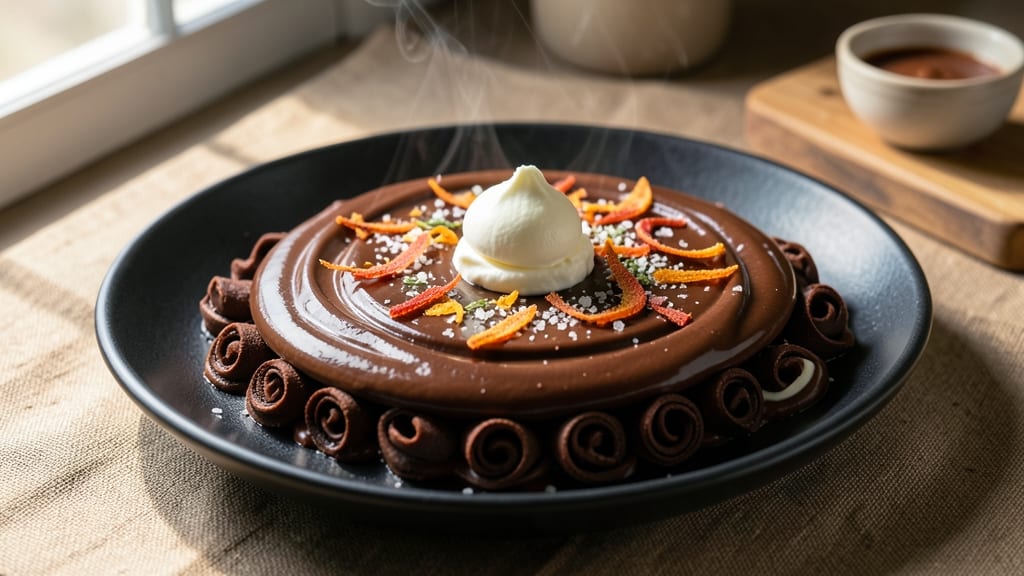
This Belgian chocolate ganache recipe delivers ultra-smooth, velvety swirls in just 10 minutes—the secret lies in precise ratios and gentle tempering. Professional pastry chefs rely on this method for restaurant-quality results, and now you can recreate it at home with simple ingredients and technique.
The key is using high-quality Belgian chocolate and heavy cream, combined at the right temperature for a glossy, stable finish.
What sets this ganache apart is its versatility—use it to layer cakes, fill pastries, or drizzle over fruit for an elegant touch. The recipe maintains a perfect balance between rich chocolate flavor and silky texture, making it ideal for both beginners and experienced bakers.
Optional flavor variations like vanilla or orange zest can be added, but the core technique remains foolproof for consistent results every time.
The process is straightforward: heat cream until steaming, pour over chopped chocolate, then let it rest until fully set. This method ensures a smooth, lump-free consistency that holds its shape for layering or pouring.
Once cooled, it stores beautifully in the refrigerator for up to two weeks, ready to elevate any dessert.
Whether you're filling a chocolate torte, topping a cheesecake, or creating decadent truffles, this ganache delivers restaurant-quality results with minimal effort. The secret to its success lies in patience and precision—two simple steps that transform ordinary desserts into showstoppers.
Ingredients for belgian chocolate ganache
Six core ingredients transform into velvety ganache with restaurant-quality precision.
| Ingredient | Amount | Notes |
|---|---|---|
| High-Quality Belgian Dark Chocolate 🍫 | 12 oz | 70% cocoa or higher, chopped into even pieces |
| Heavy Whipping Cream 🥛 | 1 cup | Full-fat for optimal texture, 35-40% fat content |
| Unsalted Butter 🧈 | 2 tbsp | European-style preferred for richer flavor |
| Vanilla Extract 🌿 | ½ tsp | Pure Madagascar bourbon vanilla preferred |
| Kosher Salt 🧂 | ¼ tsp | Diamond Crystal preferred for precise measurement |
| Orange Zest 🍊 | 1 tsp | Optional, for citrus variation (use organic) |
| Granulated Sugar 🍚 | 1 tbsp | For subtle sweetness adjustment if needed |
The Belgian chocolate is non-negotiable here—Valrhona or Callebaut brands deliver the smoothest, most stable results. Look for 70% cocoa or higher in the baking aisle, not the candy section. Pre-chopped chocolate is convenient, but chopping your own ensures even melting. The heavy cream must be full-fat; anything lower in fat content risks grainy texture. Store-bought heavy cream works fine, but for professional results, use cream that's just come to room temperature—cold cream creates lumps, while warm cream can scald the chocolate. Butter adds richness and helps stabilize the ganache, especially in cooler climates where it might set too quickly.
No Belgian chocolate? High-quality dark chocolate with 60-70% cocoa content works in a pinch, though the flavor will be less complex. The vanilla extract can be swapped for 1/4 tsp vanilla bean paste for deeper flavor, or omitted entirely if you prefer pure chocolate. For citrus lovers, lemon or lime zest can replace orange, but reduce to 1/2 tsp to avoid bitterness. The sugar is truly optional—this ganache is rich enough on its own, but add it if your chocolate tastes particularly bitter. If substituting butter, coconut oil works in equal amounts, though it alters the flavor slightly. Always use unsalted butter to control the salt balance precisely.
Freshly made ganache should be used within 2 weeks for peak texture, though it remains stable in the fridge for up to 2 months if stored properly. For long-term storage, portion into parchment-lined containers with plastic wrap pressed directly on the surface to prevent drying. Reheat gently in 10-second bursts in the microwave or at room temperature for 1-2 hours—never in hot water, as it can create steam pockets. For professional presentations, chill the ganache for 1 hour before using to achieve that signature glossy finish. The butter content makes this ganache particularly stable for layering in cakes or filling pastries.
Why You'll Love This Recipe
- Two-Ingredient Magic: I swear by this combo—just chocolate and cream, simmered until silky. That’s it. No fuss, no stress, just pure, velvety perfection every time.
- Rich Without Guilt: Between us, Belgian chocolate has that depth—not too sweet, not too bitter, just right. The butter rounds it out so smoothly, I’ll take a spoonful straight from the pot. (Don’t judge.)
- Dresses Up Anything: Fancy dinner? Drizzle it over strawberries. Midweek slump? Spread it on toast with sea salt. Birthday cake? Yes. It’s my secret weapon for turning basic into wow without extra effort.
- Makes Leftovers Worth It: Here’s what sold me—this stuff keeps for weeks in the fridge, and it only gets better with time. No sad, grainy chocolate here; just luscious, ready-to-use ganache whenever I crave it. (Which is often.)
Step-by-step instructions for Belgian chocolate ganache
This method delivers silky, ultra-smooth ganache every time—no lumps, no guesswork.
Temper the Heavy Whipping Cream
Pour the 1 cup Heavy Whipping Cream into a small saucepan and heat over medium-low heat until it reaches 170°F. This temperature is critical—any hotter and you'll scald the cream, which can cause the chocolate to seize. Watch closely as the cream steams gently; you'll see small bubbles forming around the edges before it reaches the target temperature.
While the cream heats, prepare your mixing bowl by placing it on a wire rack over a pot of simmering water (double boiler method). This keeps the bowl warm and prevents the chocolate from cooling too quickly when combined. The warm bowl ensures a smoother ganache from the start.
Melt the Belgian Chocolate
Place the 12 oz High-Quality Belgian Dark Chocolate (pre-chopped into even pieces) in a heatproof bowl. Set this bowl over the pot of simmering water in your double boiler, ensuring the bottom of the bowl doesn't touch the water. Melt the chocolate slowly, stirring occasionally with a silicone spatula, until it reaches 110°F.
This lower temperature preserves the chocolate's natural flavors and prevents burning. You'll know it's ready when the chocolate transforms into a glossy, liquid state with no visible solid pieces. If any chunks remain, gently stir until fully melted—patience here ensures a flawless ganache.
Combine and Infuse Flavors
Remove both the melted chocolate and the heated cream from their heat sources. Immediately pour the 170°F Heavy Whipping Cream in a slow, steady stream over the melted chocolate while whisking continuously. This gradual addition prevents temperature shocks that can cause the ganache to seize. The mixture will thicken dramatically as it combines.
Add the 2 tbsp Unsalted Butter, 0.5 tsp Vanilla Extract, 0.25 tsp Kosher Salt, 1 tsp Orange Zest, and 1 tbsp Granulated Sugar. Whisk vigorously for 1-2 minutes until the ganache becomes completely smooth and glossy. If you notice any lumps, gently press them against the side of the bowl with your spatula—they'll dissolve with persistent whisking.
Rest and Achieve Perfect Texture
Cover the bowl with plastic wrap, pressing the wrap directly onto the surface of the ganache to eliminate any air bubbles. Let it rest at room temperature for 10 minutes. This resting period allows the ganache to thicken to the ideal pouring consistency—neither too runny nor too stiff.
After resting, gently stir the ganache once more with a spatula. It should now have a smooth, ribbon-like consistency that clings to the back of the spoon. If it's too thick, warm it gently over a double boiler for 10-15 seconds, stirring constantly. For a thinner consistency, chill it briefly in the refrigerator until it reaches your desired texture.
Pro Tips For Making Belgian Chocolate Ganache
- CHOP CHOCOLATE UNIFORMLY: Chop the Belgian dark chocolate into even ½-inch chunks—no big bars, no tiny shards. Big pieces melt slower and create lumps; tiny ones burn before the cream warms fully. I learned this the hard way when my first batch looked like swiss cheese.
- HEAT CREAM TO 180°F: Use a thermometer—yes, even for ganache. The cream needs to hit 180°F (just below boiling) to melt the chocolate smoothly without seizing. Too cool? You’ll end up scraping chocolate off the bottom. Too hot? It’ll scorch before the butter folds in.
- STIR CONSTANTLY FOR 2 MINUTES: Once the chocolate hits the cream, keep stirring for a full 2 minutes—no breaks. The mixture will look curdled at first, but that’s normal. Skipping this step means you’ll end up with a grainy, uneven texture that no amount of whisking later can fix.
- WHISK IN BUTTER LAST: Add the unsalted butter only after the chocolate-cream mix has cooled to about 110°F—just warm to the touch. Cold butter creates clumps; room-temp butter makes the ganache split. A quick pulse in the stand mixer after adding it smooths it out perfectly.
Troubleshooting this dish
Grainy Texture Fix
If your ganache turns grainy, it’s usually from temperature shocks or uneven melting. First, ensure your heavy whipping cream reaches exactly 170°F—any hotter can scald the chocolate. For existing grainy ganache, press it through a fine-mesh sieve while warm, then whisk until silky.
I’ve found that using a double boiler for both the cream and chocolate prevents this issue entirely. 💫
Too Thin or Runny
A runny ganache often means your chocolate wasn’t chopped finely enough or the cream was too hot. Chill the ganache in the refrigerator for 10-15 minutes to thicken it naturally. For immediate results, whisk in 1 extra tablespoon of melted butter (room temperature) to stabilize the texture.
Pro tip: Use a thermometer to monitor temperatures—this is the #1 reason ganache fails.
Seized or Lumpy Ganache
Seizing happens when the cream is too hot or added too quickly. To fix it, place the bowl over simmering (not boiling) water for 20-30 seconds, stirring constantly until smooth. For prevention, always pour the cream slowly over the chocolate while whisking vigorously.
I’ve had this happen once—adding a splash of warm water (1 tsp) and whisking helped dissolve the lumps instantly.
Storing Gone Wrong
If your ganache develops a skin or separates after storage, it’s likely from improper sealing. Press plastic wrap directly onto the surface before refrigerating to prevent oxidation. For long-term storage, portion into parchment-lined containers with a tight lid.
To reheat, use 10-second microwave bursts on low power—never microwave directly from the fridge, or it’ll split.
Color Issues (Dull or Streaky)
Dull ganache usually means the chocolate wasn’t melted evenly. For a glossy finish, ensure the chocolate reaches 110°F and the cream 170°F—these temps guarantee a professional sheen. If streaks appear, whisk in ½ tsp of neutral oil (like grapeseed) to even out the texture.
I’ve seen this happen with lower-quality chocolate—Valrhona or Callebaut always deliver consistent color.
Flavor Too Bitter
If your ganache tastes overly bitter, your chocolate’s cocoa percentage might be too high (above 75%). Balance it by adding 1 extra tablespoon of sugar or a pinch more vanilla extract.
For prevention, stick to 70% cocoa Belgian chocolate—it’s the sweet spot for rich flavor without bitterness. A splash of orange liqueur (1 tsp) can also mellow harsh notes beautifully. 🍊
Nutrition facts
Frequently asked questions
Can I substitute regular dark chocolate for Belgian chocolate?
You can use high-quality dark chocolate with 60-70% cocoa content as a substitute, but the flavor will be less complex. Belgian chocolate has a unique balance of cocoa and sugar that creates its signature richness. For the best results, look for chocolate from brands like Valrhona or Callebaut, which closely mimic Belgian chocolate's profile.
How do I know when my ganache is ready to use?
Your ganache is ready when it reaches a smooth, ribbon-like consistency that clings to the back of a spoon. After resting for 10 minutes, it should be thick enough to hold its shape when piped but still pourable. If it's too thick, warm it gently over a double boiler for 10-15 seconds. For layering in cakes, let it cool slightly to 70°F before using.
Why did my ganache seize or turn grainy?
Ganache seizes when the cream is too hot (above 175°F) or added too quickly to the chocolate. To fix it, place the bowl over simmering (not boiling) water for 20-30 seconds, stirring constantly. For prevention, always pour the cream slowly over the chocolate while whisking vigorously. A thermometer is your best friend—aim for 170°F cream and 110°F chocolate.
Can I make this ganache ahead of time?
Store your ganache in an airtight container in the refrigerator for up to 2 weeks or freeze it for 3 months. To reheat, use 10-second bursts in the microwave on low power, stirring between each burst. For the best texture, let it sit at room temperature for 10 minutes before using to achieve that signature glossy finish.
What are some creative ways to use this ganache?
This versatile ganache can be used for layering in cakes, filling pastries, or drizzling over fruit tarts. For a showstopper, pipe it into chocolate truffles or use it as a glaze for cheesecakes. You can also spread it between cookies or cake layers for an extra-rich flavor. The butter content makes it particularly stable for these applications, ensuring clean slices and professional results.