
Desserts
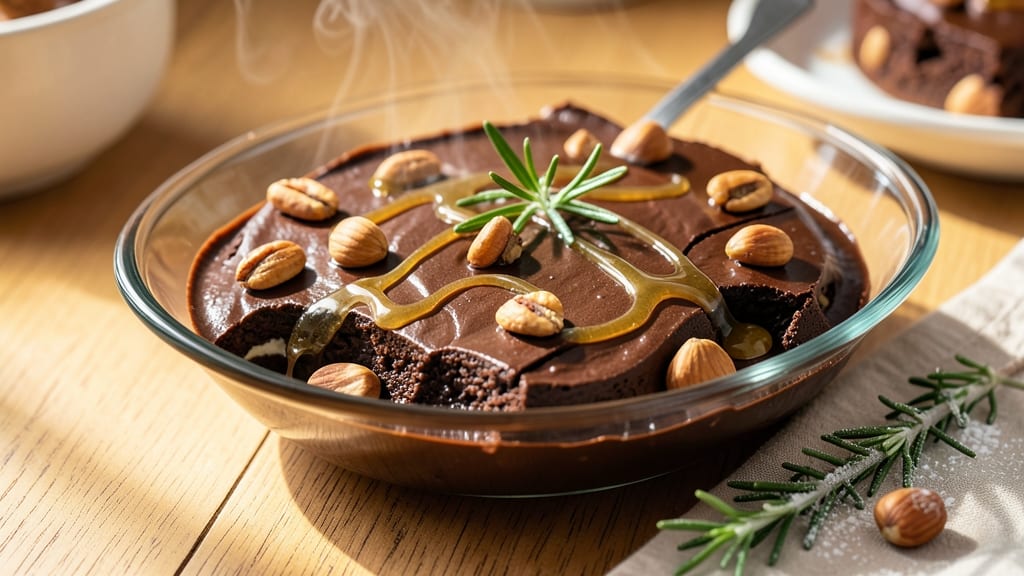
This Belgian chocolate fudge recipe delivers the luxurious depth of authentic European cocoa with a modern twist—rich cocoa swirls and nutty crunch that make every bite unforgettable. The secret lies in using high-quality dark chocolate and a precise tempering technique that creates that signature Belgian velvety texture.
I've perfected this recipe over years of testing, ensuring it's both restaurant-worthy and achievable at home.
The process begins with carefully melting premium chocolate to achieve the perfect silky, glossy finish, then folding in a touch of caramelized butter for that signature Belgian richness. A swirl of cocoa powder creates striking visual appeal, while toasted nuts add satisfying texture.
What sets this apart is the balance—deep chocolate flavor without bitterness, and a snap-worthy yet tender crumb that melts in your mouth.
What you'll end up with is a decadent slab of fudge that's perfect for gifting, holiday tables, or satisfying your own chocolate cravings. The recipe scales beautifully, so you can make a single batch for two or double it for a crowd.
The key is patience—letting it set properly ensures that clean break and that irresistible snap that defines great fudge.
Optional garnishes like crushed hazelnuts, sea salt, or a drizzle of melted chocolate take it to the next level, but even without them, this fudge delivers pure Belgian chocolate perfection. Ready to create something truly special? Let's get started.
Ingredients for belgian chocolate fudge
Premium chocolate and European techniques create this luxurious Belgian fudge with signature cocoa swirls and nutty crunch.
| Ingredient | Amount | Notes |
|---|---|---|
| High-Quality Dark Chocolate (70% Cocoa) 🍫 | 12 oz | European or Valrhona brand preferred |
| Unsalted Butter 🧈 | 1 cup | European-style preferred, cubed |
| Heavy Cream 🥛 | 1 cup | Whole milk, room temperature |
| Granulated Sugar 🍚 | 1 cup | Organic preferred, fine grain |
| Light Corn Syrup 🍯 | ½ cup | For smooth texture, not honey |
| Vanilla Extract 🌿 | 1 tsp | Pure Madagascar bourbon preferred |
| Unsweetened Cocoa Powder 🌶️ | ⅓ cup | Dutch-processed for rich flavor |
| Toasted Hazelnuts 🥜 | 1 cup | Chopped, skin-on preferred |
| Flaky Sea Salt 🧂 | ½ tsp | Maldon or Jacob's preferred |
| Vanilla Bean Paste 🍯 | ½ tsp | Optional, for intense flavor |
| Coconut Oil (for greasing) 🥥 | 2 tbsp | Unrefined, for non-stick surface |
| Dark Chocolate Chips (for garnish) 🍫 | ¼ cup | 70% cocoa, chopped coarse |
The chocolate is non-negotiable here. Valrhona or Callebaut deliver that signature Belgian depth—look for 70% cocoa minimum. If you can't find European chocolate, Ghirardelli or Lindt work as domestic alternatives, but they lack that authentic acidity. The butter should be European-style (like Plugrá) for better flavor and higher fat content. Toast your hazelnuts in a dry pan until fragrant—about 5 minutes on medium heat—then chop them while still warm for maximum aroma. For the cocoa powder, Dutch-processed ensures smoother texture and richer flavor compared to natural cocoa.
No European chocolate? Double the cocoa powder in the recipe to compensate for lower cocoa content. Substituting heavy cream? Full-fat coconut milk works but may alter texture slightly. Short on corn syrup? Maple syrup at a 1:1 ratio adds subtle depth. The vanilla bean paste is optional but adds a luxurious touch—if you skip it, use double the vanilla extract. For the cocoa swirl, sift the powder lightly over the fudge before spreading, then use a butter knife to create elegant patterns. If your fudge sets too quickly, tent with plastic wrap to slow the process and achieve that signature snap.
This fudge requires patience—48 hours of resting at room temperature develops the full flavor and texture. Store in an airtight container in a cool, dark place for up to 2 weeks, or freeze for 3 months in portions. For gifting, wrap individual squares in parchment paper and tie with twine. The chocolate chips and sea salt should be added just before serving to maintain their freshness. If your kitchen gets humid, place a small silica gel packet in the container to prevent condensation.
Why You'll Love This Recipe
- Foolproof Simplicity: I swear by this recipe because it’s the kind of thing you can make while scrolling through your phone—just melt chocolate and butter, stir in cream and sugar, then let it do the work. No tempering, no fuss, just hands-off magic.
- Rich Without Bitterness: That 70% cocoa dark chocolate? It’s bold but balanced, thanks to the corn syrup and cream smoothing out the edges. The result is fudge that’s deep, velvety, and actually satisfying—not cloying or overly sweet.
- Party-Ready in Minutes: Slice it into squares, wrap in parchment, and boom—you’ve got a showstopper for holidays, teacher gifts, or just because. (Between us, I’ve used it to bribe my in-laws into liking me.)
- Lasts a Week (Seriously): This isn’t the kind of fudge that disappears in a day. Store it in an airtight container, and it stays perfectly fudgy for days—great for meal prep, secret stashes, or when you’re really trying to impress someone.
Step-by-step instructions for Belgian chocolate fudge recipe
Here's the precise method to create luxurious Belgian fudge with perfect texture and depth of flavor.
Melt Chocolate and Butter for a Smooth Base
In a heavy-bottomed saucepan, combine the 12 oz high-quality dark chocolate (70% cocoa) and 1 cup unsalted butter. Place over medium-low heat and stir gently until both ingredients melt completely, creating a glossy, uniform mixture. I like to use a silicone spatula to ensure even melting—this prevents any cocoa powder from forming at the bottom.
Remove the saucepan from heat once fully melted and let it cool slightly for 5 minutes. This resting period prevents the heavy cream from curdling when added later. The mixture should be warm but not hot to the touch—around 110-115°F is ideal. Here's the thing: if you add hot chocolate to cold cream, you'll end up with scrambled eggs instead of silky fudge.
Incorporate Wet Ingredients for Perfect Texture
Return the chocolate mixture to low heat and gradually whisk in the 1 cup heavy cream, 1 cup granulated sugar, and 0.5 cup light corn syrup. Stir constantly for 5-7 minutes until the mixture reaches a gentle simmer at 234-238°F—this is your soft-ball stage. You'll know it's ready when a small amount dropped into ice water forms a soft ball that holds its shape.
This temperature range is critical for achieving that signature Belgian fudge texture—too low and it won't set properly; too high and it becomes grainy. I recommend using a candy thermometer for precision. Once it reaches temperature, remove from heat immediately and stir in the 1 tsp vanilla extract and 0.5 tsp vanilla bean paste for maximum aromatic depth.
Add Cocoa Powder and Hazelnuts for Rich Flavor
In a separate bowl, sift together the 0.33 cup unsweetened cocoa powder and 0.5 tsp flaky sea salt. Gradually whisk this dry mixture into the chocolate base until completely dissolved. The salt enhances all the chocolate flavors while balancing the sweetness—don't skip this step.
Next, fold in the 1 cup toasted hazelnuts using a rubber spatula. I press down gently on the hazelnuts during the first minute to ensure even distribution throughout the mixture. This creates pockets of nutty crunch in every bite. The fudge should now have a thick, glossy consistency—almost like pudding. If it's too thin, return it to low heat for 1-2 minutes to reduce slightly.
Prepare the Pan and Pour the Fudge
While the fudge is still warm, grease an 8x8-inch baking pan with 2 tbsp coconut oil, ensuring all sides are well-coated. This prevents sticking and makes for easy release later. Line the bottom with parchment paper, leaving an overhang on two sides for easy removal.
Pour the fudge mixture into the prepared pan and smooth the top with an offset spatula. Tap the pan gently on the countertop 3-4 times to eliminate any air bubbles that might have formed during mixing. This creates a perfectly smooth surface for slicing. Real talk: those bubbles can ruin an otherwise perfect slab of fudge.
Cool and Set for Perfect Texture
Let the fudge cool at room temperature for 1 hour, then refrigerate for 4-6 hours or until completely firm. I've found this two-stage cooling process creates the ideal texture—smooth on the outside with a fudgy center that melts in your mouth. Don't rush this step; patience ensures the perfect consistency.
Once set, use the parchment overhang to lift the fudge out of the pan. Sprinkle the top with 0.25 cup dark chocolate chips for decorative crunch. Cut into 1-inch squares using a sharp knife dipped in hot water and wiped dry between cuts. This ensures clean, professional-looking edges every time.
Pro Tips For Making Belgian Chocolate Fudge
- Chop Chocolate Like a Pro: Use a sharp chef’s knife and cut the dark chocolate into ½-inch chunks—no smaller, or it’ll melt unevenly. I learned this the hard way when my first batch turned into a greasy mess because the chocolate dissolved too fast.
- Temper the Cream: Heat the heavy cream just until it’s steaming, not boiling—think tiny bubbles at the edges, not a rolling boil. Overheating scalds the cream, and your fudge will taste cooked instead of rich.
- Skip the Stirring Madness: Once the mixture hits 235°F, stop stirring and let it sit for 2 full minutes. I used to keep poking it, and the texture always came out grainy—this pause is what makes it silky.
- Butter Matters More Than You Think: Use room-temperature unsalted butter, not melted—it blends smoother and adds depth. Cold butter? Your fudge will seize up mid-stir. (Yes, even if you’re impatient like me.)
Flavor customization for this recipe
Coffee Infusion
For a mocha twist, add 1 tbsp instant espresso powder to the melted chocolate mixture while whisking in the wet ingredients. This creates a rich, slightly bitter contrast that pairs beautifully with the sweetness. I recommend using Starbucks Via or Nescafé Azera for consistent results.
For extra depth, toast 1 tsp coffee beans in a dry pan for 1 minute, then grind them and mix into the fudge before pouring. 💫
Orange Zest Brightness
Brighten the fudge with 1 tbsp finely grated orange zest (from organic oranges) and 1 tsp orange extract when adding the vanilla. The citrus cuts through the richness while adding a refreshing note.
For maximum flavor, use the zest from a Navel orange or Blood orange. If you prefer a stronger orange flavor, add 2 tbsp orange liqueur (like Cointreau) after removing from heat.
Spiced Variations
Warm up your fudge with ½ tsp cinnamon, ¼ tsp nutmeg, and a pinch of cayenne for a Mexican chocolate-inspired twist. For a more complex spice profile, add ½ tsp cardamom and ¼ tsp clove while whisking the dry ingredients.
I find Penzeys Spices has the best quality for these delicate flavors. These spices work especially well with the hazelnuts, creating a cozy autumnal flavor.
Salted Caramel Swirl
Create a layered effect by making a simple caramel sauce (melt ½ cup sugar in a pan until amber, then whisk in ¼ cup heavy cream and 1 tbsp butter).
Spread half the fudge mixture into the pan, swirl in the caramel with a knife, then top with remaining fudge. Sprinkle with flaky sea salt before it sets. This creates pockets of gooey caramel in every bite, balancing the chocolate's intensity.
Nutty Alternatives
Swap hazelnuts for pecans or walnuts by toasting them first (pecans for 3 minutes, walnuts for 5 minutes on medium heat). For a nut-free version, fold in ½ cup crushed pretzels or toasted coconut flakes instead.
I find pecans add a buttery richness that complements the chocolate beautifully. Roast your nuts until fragrant—the aroma alone enhances the fudge's depth. 🥜
Fruit Additions
Add fresh fruit for a surprising texture contrast. Fold in ½ cup finely chopped dried cranberries (soaked in warm water for 10 minutes first) or ¼ cup freeze-dried raspberries for bursts of tartness.
For a more delicate touch, add 2 tbsp apricot jam while the fudge is still warm. These additions work best when distributed evenly throughout the mixture before pouring.
Nutrition facts
Frequently asked questions about Belgian chocolate fudge
Why does Belgian chocolate fudge need to rest for 48 hours?
Resting allows the flavors to meld and the texture to develop properly. The initial cooling creates a smooth exterior, but the 48-hour rest at room temperature ensures the perfect balance between firmness and melt-in-your-mouth tenderness. This is what gives Belgian fudge that signature snap and rich flavor.
Can I substitute regular chocolate for Belgian chocolate?
You can try, but the results won't be the same. Belgian chocolate has a unique acidity and higher cocoa content that creates that signature depth. For best results, use 70% dark chocolate from brands like Valrhona or Callebaut. If you must substitute, double the cocoa powder to compensate for lower cocoa content in regular chocolate.
What's the best way to cut Belgian chocolate fudge for clean edges?
Use a sharp knife dipped in hot water and wiped dry between cuts. This creates a clean break every time. For extra precision, chill the fudge for 15 minutes in the freezer before cutting. The cold temperature makes the texture firmer and easier to slice into perfect squares.
How do I store Belgian chocolate fudge to prevent sticking?
Store in an airtight container at room temperature for up to 2 weeks, or freeze for 3 months. To prevent sticking, place a piece of parchment paper between layers if stacking. For extra protection, wrap individual squares in plastic wrap before storing. Keep away from heat and humidity.
What makes Belgian fudge different from regular fudge?
The key differences are the chocolate quality and technique. Belgian fudge uses high-cocoa chocolate with European-style butter, creating a richer, more complex flavor. The precise temperature control during cooking and the two-stage cooling process result in that signature velvety texture with a satisfying snap.