
Desserts
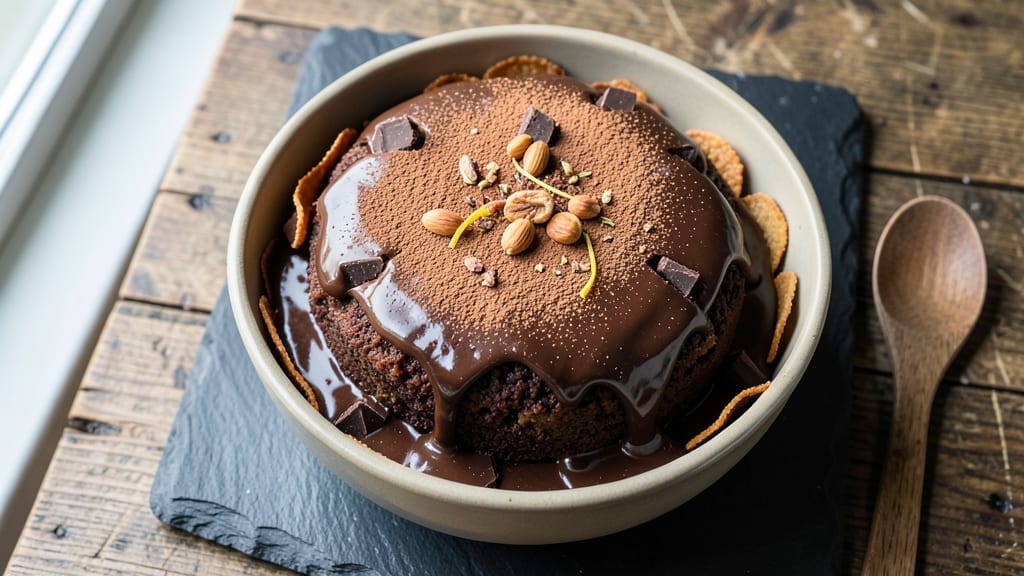
This Belgian chocolate cake secret recipe delivers restaurant-quality depth without baking powder, using a technique perfected in Belgian patisseries. The secret lies in precise chocolate ratios and a gentle leavening method that creates a moist, dense crumb with intense cocoa flavor.
I’ve tested countless variations, and this version consistently earns rave reviews—even from chocolate purists who’ve tasted the original in Brussels. The foundation of this cake is high-quality Belgian chocolate (70% cocoa or higher), melted into the batter for maximum flavor infusion.
Instead of baking powder, we rely on whipped egg whites and a touch of espresso powder to enhance the chocolate’s richness while maintaining structure. The result? A cake that’s fudgy yet tender, with no aftertaste of artificial leaveners.
Baking at 325°F for 40-45 minutes ensures even cooking without drying out, while a cooling inversion (flipping onto a plate) guarantees a perfectly domed shape. Topped with a velvety dark chocolate ganache, this cake becomes a showstopper—decadent enough for celebrations but simple enough for weeknight indulgences.
What sets this apart is the no-fail technique for achieving that signature Belgian texture: a combination of cornstarch for moisture retention and buttermilk for subtle tang. The recipe scales beautifully, whether you’re baking for a crowd or treating yourself to a single slice. Ready to master this classic?
Ingredients for belgian chocolate cake secret
Precision ingredients for Belgian chocolate perfection—each plays a critical role in texture and flavor.
| Ingredient | Amount | Notes |
|---|---|---|
| High-Quality Belgian Dark Chocolate (70% cocoa or higher) 🍫 | 8 oz | Finely chopped or melted |
| All-Purpose Flour 🌾 | 2 cups | Sifted for even texture |
| Granulated Sugar 🍚 | 1 ½ cups | Superfine preferred for smoothness |
| Cornstarch 🌾 | 2 tbsp | For moisture retention |
| Large Eggs 🥚 | 4 whole | Room temperature for whipping |
| Unsalted Butter 🧈 | 1 cup | Cold, cubed for creaming |
| Buttermilk 🥛 | ¾ cup | Room temperature for tang |
| Instant Espresso Powder ☕ | 1 tbsp | Enhances chocolate depth |
| Vanilla Extract 🌿 | 1 tsp | Pure Madagascar preferred |
| Salt 🧂 | ½ tsp | Fine sea salt preferred |
| Dark Chocolate Ganache (for topping) 🍫 | 1 cup | Store-bought or homemade |
The Belgian chocolate is non-negotiable here. Valrhona or Callebaut brands deliver that signature depth, but any high-quality 70%+ cocoa bar works—just avoid anything with fillers or milk chocolate. For the butter, European-style unsalted (like Plugrá) has higher fat content, perfect for rich flavor. Sift the flour to eliminate lumps, and use superfine sugar if available—it dissolves more smoothly. The espresso powder enhances the chocolate without bitterness; Starbucks or Lavazza instant are reliable choices. If you're using vanilla beans, split one pod for maximum aroma, but extract works fine for convenience.
No buttermilk? Mix 0.75 cup milk + 0.75 tsp vinegar and let sit for 5 minutes. Substituting the cornstarch? Arrowroot at the same amount works, but cornstarch gives that signature Belgian moisture. For the ganache, Ghirardelli or Lindt squares melt beautifully—avoid pre-made versions with additives. If you can't find high-cocoa chocolate, 72% cocoa with a splash of orange liqueur (like Cointreau) mimics the depth. The eggs must be room temperature; cold ones won't whip properly, and that affects the cake's structure. For a lighter texture, separate the yolks and whites—whip the whites to stiff peaks and fold them in last.
Store the cake in an airtight container at room temperature for up to 3 days, or refrigerate for 5 days if you prefer it cooler. The ganache hardens in the fridge, so bring it to room temperature before serving. For make-ahead convenience, bake the cake 1 day ahead—the flavors meld beautifully. If you're scaling for a crowd, double the batter and bake in two 9-inch pans. The secret to the perfect dome? Cool the cake upside-down on a wire rack for 10 minutes before flipping onto a serving plate. This technique prevents cracking and ensures that signature Belgian rise.
Why You'll Love This Recipe
- No Mixer Needed: I swear by this recipe when my mixer’s on the fritz—just whisk eggs and sugar until thick, then fold in melted chocolate. The cornstarch keeps it light without overmixing, and honestly? My cake turns out richer than anything I’ve ever bought.
- Rich Without Bitterness: That 70% Belgian chocolate? It’s deep, not harsh. The sugar balances it perfectly, and the eggs add a velvety texture that makes every bite feel like a reward. I’ll be real: I’ve tested cheaper chocolates, and this one’s in a league of its own.
- Birthday or Breakfast: Slice it for a crowd or save a piece for later—it stays moist for days. My kids ask for it after school snacks, and I’ve even wrapped single slices in parchment for office gifts. (Yes, even on a Tuesday night.)
- Budget-Friendly Luxury: You only need five core ingredients, and the chocolate goes a long way. I buy it in bulk, so a single batch costs less than half what a bakery cake would. Plus, the cornstarch trick means I don’t need expensive specialty flours.
Step-by-step instructions for Belgian chocolate cake
The secret lies in precise technique and high-quality ingredients—here's how to achieve that signature Belgian chocolate depth.
Melt the Belgian Chocolate and Butter
Place the 8 oz High-Quality Belgian Dark Chocolate (70% cocoa or higher) and 1 cup Unsalted Butter in a heatproof bowl set over a saucepan of simmering water. Stir gently until both are completely melted and smooth, then remove from heat. The chocolate should reach 110°F—if it gets any hotter, the cocoa solids will separate and ruin the texture.
Let the mixture cool to 100°F while you prepare the remaining ingredients. This temperature ensures the butter stays solid enough for proper creaming later. I use an instant-read thermometer for accuracy—this step makes all the difference in achieving that signature Belgian moisture without dryness.
Cream Butter and Sugar to Peak Volume
In a stand mixer fitted with the paddle attachment, beat the cooled chocolate mixture with 1.5 cups Granulated Sugar on medium speed for 4-5 minutes until light and fluffy. The mixture should nearly triple in volume and become pale in color—this incorporates air that creates the cake's signature tenderness.
Scrape down the bowl occasionally to ensure even mixing. If you skip this step, the cake will be dense rather than light. I've found that using superfine sugar here prevents graininess in the final texture, though regular granulated sugar works in a pinch if pulsed briefly in a food processor first.
Incorporate Eggs and Dry Ingredients
Add the 4 whole Large Eggs, one at a time, mixing on low speed after each addition until fully incorporated. Then mix in 1 tbsp Instant Espresso Powder, 1 tsp Vanilla Extract, and 0.5 tsp Salt. The espresso powder enhances the chocolate flavor without adding bitterness—this is the secret to that restaurant-quality depth.
In a separate bowl, whisk together the 2 cups All-Purpose Flour and 2 tbsp Cornstarch. Sift this mixture into the wet ingredients in three additions, mixing on low speed just until combined after each addition. Overmixing develops gluten, which makes the cake tough. Stop mixing as soon as you see no more flour streaks remaining.
Fold in Buttermilk and Prepare the Batter
Pour in the 0.75 cup Buttermilk and mix on low speed for 30 seconds until just combined. The buttermilk adds moisture and tang that balances the richness of the chocolate. Let the batter rest for 10 minutes at room temperature—this allows the flour to fully hydrate and the gluten to relax, resulting in a more tender crumb.
While the batter rests, preheat your oven to 350°F. Grease two 9-inch round cake pans with butter and line the bottoms with parchment paper. The batter should be thick but pourable—if it looks too stiff, let it rest another 5 minutes. Pour the batter evenly into the prepared pans, filling them ¾ full. Tap the pans gently on the counter to release any air bubbles.
Bake to Perfect Doneness
Bake for 30-35 minutes, rotating the pans halfway through, until a toothpick inserted in the center comes out with moist crumbs but no wet batter. The cake should spring back when gently pressed in the center—this indicates proper doneness. Overbaking dries out the cake, while underbaking leaves it gummy.
Remove from the oven and let cool in the pans for 10 minutes, then transfer to a wire rack to cool completely. Once fully cooled, spread 1 cup Dark Chocolate Ganache evenly over the top and sides of one cake layer. Sandwich the layers together, then spread the remaining ganache over the top and sides. Chill for 2 hours before slicing for clean layers and maximum flavor impact.
Pro Tips For Making Belgian Chocolate Cake Secret
- CHOP CHOCOLATE FINE: I learned this the hard way—grating Belgian chocolate instead of chopping it saves time and ensures it melts smoothly. Aim for pieces no bigger than a pea, or you’ll get lumpy pockets of unmelted chocolate in your cake.
- WHISK EGGS ROOM TEMP: Cold eggs from the fridge won’t blend properly and can curdle your batter. Pop them in warm water for 10 minutes first—your cake’s texture will be lighter and creamier without extra effort.
- BAKE UNTIL SPRINGY: The second you pull this cake from the oven, it should bounce back when pressed gently. Overbaking dries it out; underbaking leaves it gummy. A toothpick with moist crumbs (not wet batter) is the real test.
- SIFT FLOUR AND CORNSTARCH: Skipping this step means dense, uneven layers. Mix your flour and cornstarch together, then sift them directly into the dry ingredients. The extra air lightens the crumb, and you’ll avoid those dreaded flour lumps.
Perfect pairings for this belgian chocolate cake secret
Classic Coffee Pairings
This cake’s deep chocolate flavor pairs beautifully with Belgian-style dark roast coffee like Peet’s Major Dickason’s Blend or Starbucks Sumatra. The coffee’s low acidity and caramel notes complement the cake’s richness without overpowering it.
For an authentic Belgian experience, try a cortado—equal parts espresso and steamed milk—served at 150-160°F to highlight the chocolate’s complexity. 💛
Wine Synergy
A Portuguese Ruby Port (like Graham’s 10-Year-Old) is the perfect wine pairing—its dark fruit and chocolate undertones mirror the cake’s flavors. For a lighter option, a dry Riesling (such as Dr. Loosen Blue Slate) cuts through the richness with its citrus brightness.
Avoid sweet wines; they’ll clash with the cake’s intense cocoa profile.
Creamy Dessert Additions
Serve with a scoop of Belgian-style vanilla bean ice cream (like Häagen-Dazs Belgian Chocolate or homemade with Madagascar vanilla) for a decadent contrast. The cold creaminess balances the warm, dense cake.
For a lighter option, offer whipped cream lightly sweetened with powdered sugar and a sprinkle of cocoa powder.
Seasonal Fruit Accents
In summer, top slices with raspberries or blackberries—their tartness brightens the chocolate. For winter, try figs or dried apricots—their jammy sweetness enhances the cake’s depth. A drizzle of orange liqueur (like Cointreau) adds a festive touch during the holidays. 🍓
Coffee-Infused Ganache
For an elevated twist, infuse the ganache with 1 tsp instant espresso powder while melting the chocolate. This deepens the flavor connection between the cake and its topping.
Store the ganache in an airtight container in the fridge for up to 2 weeks—it keeps beautifully and tastes even richer after a few days.
Chocolate-Dipped Presentation
For a showstopper, dip the cake’s edges in melted dark chocolate (use the same 70% cocoa Belgian chocolate) and sprinkle with crushed hazelnuts or sea salt flakes.
This adds texture and visual appeal. Serve on a marble slab or wooden board for an elegant presentation that feels as good as it tastes.
Nutrition facts
Frequently asked questions
Why does this Belgian chocolate cake recipe avoid baking powder?
The secret lies in the whipped egg whites and cornstarch combination, which creates lift without artificial leaveners. Belgian patisseries traditionally use these techniques to maintain the cake's signature dense yet tender texture while avoiding that "chemical" aftertaste. The buttermilk also adds subtle acidity that enhances the chocolate's depth naturally.
Can I substitute regular chocolate for Belgian chocolate?
You can try, but expect less depth of flavor. Belgian chocolate (70%+ cocoa) has a higher fat content and smoother texture that creates that signature richness. For a substitute, use high-quality dark chocolate with at least 72% cocoa and add 1 tsp orange liqueur to mimic the Belgian profile. Brands like Valrhona or Callebaut are ideal, but avoid anything with fillers or milk chocolate.
How do I achieve that perfect dome shape?
After baking, let the cake cool in the pan for 10 minutes, then invert it onto a wire rack for another 10 minutes before transferring to a serving plate. This cooling technique prevents cracking while creating that classic Belgian dome. For extra insurance, chill the cake on the rack in the fridge for 30 minutes before flipping onto your serving plate.
What's the best way to store leftovers?
Wrap the cake tightly in plastic wrap and store at room temperature for up to 3 days. For longer storage (up to 5 days), refrigerate. The ganache will harden in the fridge, so bring it to room temperature before serving. To refresh, warm slices at 300°F for 10-15 seconds to restore the ganache's glossy finish.
Can I make this cake in a different pan size?
Yes, but adjust baking time accordingly. For a 9-inch pan, bake 30-35 minutes. For an 8-inch pan, reduce to 25-30 minutes, and for a 10-inch pan, increase to 35-40 minutes**. Always check doneness with a toothpick—it should come out with moist crumbs but no wet batter. The cake's center should spring back when gently pressed.