
Desserts
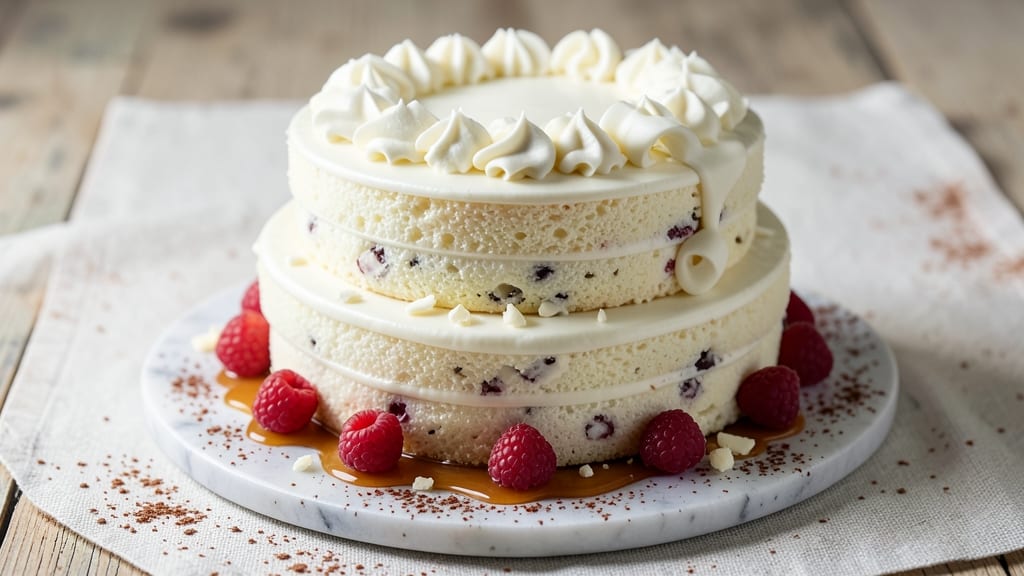
This basic white chocolate cake recipe delivers the perfect balance of tender crumb and rich cocoa flavor without requiring advanced baking skills. The secret lies in properly melting white chocolate and incorporating it into the batter at the right temperature, ensuring smooth, moist layers that cradle every bite.
I’ve baked this cake countless times for gatherings, and it consistently earns rave reviews—even from those who claim to dislike white chocolate.
What sets this recipe apart is its simplicity: just a handful of ingredients, a single bowl, and 35 minutes in the oven at 350°F.
The cake’s texture is the star—light yet dense enough to hold up to generous frosting, whether you prefer classic buttercream or a velvety white chocolate ganache. The key technique?
Folding melted white chocolate into the batter after it’s been mixed but before it fully thickens, which guarantees even distribution and prevents dryness.
By the time you pull it from the oven, you’ll have golden layers with a delicate crumb that’s neither cakey nor crumbly. Let it cool completely before frosting—this patience ensures clean layers and prevents melting.
The result? A cake that’s elegant enough for celebrations but easy enough for a weeknight treat, with a flavor profile that’s subtly sweet yet deeply satisfying.
For extra depth, consider adding a teaspoon of vanilla extract or a strip of lemon zest to the batter. These variations elevate the cake’s complexity without overpowering its signature white chocolate richness. Ready to bake? Let’s get started with a recipe that’s foolproof, delicious, and guaranteed to impress.
Ingredients for basic white chocolate cake
Simple yet refined ingredients create this velvety white chocolate cake with perfect moisture balance.
| Ingredient | Amount | Notes |
|---|---|---|
| White Chocolate Chips 🍫 | 8 oz | High-quality, 30% cocoa butter minimum |
| All-Purpose Flour 🌾 | 1 ½ cups | Sifted for lightness, spooned and leveled |
| Granulated Sugar 🍚 | 1 ½ cups | Superfine preferred for smoother texture |
| Unsalted Butter 🧈 | 1 cup | Room temperature, not melted |
| Large Eggs 🥚 | 2 whole | Room temperature, separated for folding |
| Vanilla Extract 🌿 | 1 tbsp | Pure Madagascar bourbon preferred |
| Baking Powder 🧂 | 1 ½ tsp | Diamond Crystal brand recommended |
| Salt 🧂 | ½ tsp | Fine sea salt, not iodized |
| Milk 🥛 | ½ cup | Whole milk for richness |
| Lemon Zest 🍋 | 1 tsp | Organic preferred, finely grated |
| Powdered Sugar 🍚 | 2 cups | For buttercream frosting |
| Heavy Cream 🥛 | 1 cup | Cold for buttercream stability |
The white chocolate chips make or break this cake—Ghirardelli or Callebaut are non-negotiable for smooth melting. Whole milk and room-temperature butter ensure proper emulsification, while the superfine sugar prevents graininess. For the flour, King Arthur or Bob's Red Mill brands are ideal—they absorb moisture consistently. The baking powder should be fresh (tested within 6 months)—old powder loses lift. I always measure flour by spooning it into the cup and leveling with a knife, never scooping directly from the bag. The vanilla extract is where you can splurge—Madagascar bourbon has deeper complexity than imitation extracts.
No white chocolate chips? Substitute with 8 oz high-quality white chocolate bars chopped into small pieces. Running short on vanilla? Almond extract at half the amount adds warmth. The buttercream requires powdered sugar—never granulated. For a dairy-free option, coconut cream can replace heavy cream, though texture will differ slightly. The lemon zest is optional but recommended—it brightens the richness of the white chocolate. If you omit it, add an extra 0.5 tsp vanilla extract for balance. For extra moisture, add 2 tbsp sour cream to the batter at the end of mixing.
Store the cake layers wrapped in plastic wrap at room temperature for up to 2 days before frosting. Once frosted, keep in the refrigerator for 3-4 days or freeze for 2 months. The buttercream can be made 1 day ahead—simply refrigerate and re-whip before use. For transporting, wrap the unfrosted layers in plastic and place them in a cake carrier. The frosting should be at room temperature when applied to ensure smooth, professional-looking layers. If the frosting hardens, microwave it in 10-second bursts until pliable.
Why You'll Love This Recipe
- No Mixer Needed: I swear by this—just cream the butter and sugar with a wooden spoon until it’s light and fluffy. No electric mixer, no fuss, and the eggs blend right in without a trace of lumps. Honestly, it’s the kind of recipe that makes me feel like a baking pro even when I’m half-asleep.
- Rich Without Overpowering: That first bite? Silky, not heavy, with white chocolate melting into every forkful like it was meant to be there. The butter keeps it tender, the flour gives it structure, and the sugar? Just enough to balance the richness so it doesn’t turn into a dense brick.
- Date Night Ready: Slice it warm for a last-minute dessert that feels special without the effort. Or chill it for a few hours, and suddenly you’ve got a showstopper for birthdays, holidays, or just because. Between us, I’ve used it to impress coworkers, neighbors, and even my skeptical mom-in-law.
- Leftovers? Better Than New: This cake actually improves the next day—moist, not dry, and perfect for breakfast toast or a quick snack. I’ll be real: I’ve reheated slices in the microwave with a pat of butter, and no one’s ever guessed it was yesterday’s cake. Budget-friendly? Absolutely. Waste-free? Even better.
Step-by-step instructions for white chocolate cake
Mastering this recipe delivers tender, moist layers with perfect white chocolate integration every time.
Prepare the White Chocolate Batter
Preheat your oven to 350°F and grease two 8-inch round cake pans, then line the bottoms with parchment paper. In a medium saucepan, combine the 1 cup unsalted butter and 1.5 cups granulated sugar over low heat. Warm gently until the butter melts completely, then remove from heat and let cool for 5 minutes—this prevents scrambling the eggs.
In a separate bowl, whisk together the 2 whole large eggs and 1 tbsp vanilla extract until just combined. Slowly pour the warm butter-sugar mixture into the egg mixture while whisking constantly. This gradual incorporation creates a smooth, homogeneous batter without lumps. Stir in the 1 tsp lemon zest and 0.5 cup milk until fully integrated.
Combine Dry Ingredients and Fold in White Chocolate
In a separate bowl, sift together the 1.5 cups all-purpose flour, 1.5 tsp baking powder, and 0.5 tsp salt. Gently fold this dry mixture into the wet ingredients using a spatula, mixing just until no dry streaks remain. Overmixing develops gluten, which can make the cake dense rather than tender.
Remove 8 oz white chocolate chips from their packaging and set aside. Fold them into the batter using a rubber spatula, ensuring even distribution throughout. The white chocolate should be evenly dispersed but not completely melted—this creates pockets of rich flavor in every bite. Divide the batter evenly between the prepared cake pans.
Bake Until Golden and Springy
Place the cake pans in the preheated oven and bake for 25-30 minutes, or until a toothpick inserted into the center comes out clean. The edges should be light golden brown, and the tops should spring back when gently pressed. Rotate the pans halfway through baking to ensure even browning.
I always check for doneness at the 25-minute mark—white chocolate cakes can dry out if left too long. If the toothpick comes out with moist crumbs rather than wet batter, the cake is ready. Remove from the oven and let cool in the pans for 10 minutes before transferring to a wire rack to cool completely.
Prepare the White Chocolate Buttercream
While the cakes cool, prepare the buttercream by beating the 1 cup heavy cream in a chilled mixing bowl until soft peaks form. Gradually add the 2 cups powdered sugar while continuing to beat on medium speed until smooth and fluffy. This cold cream method creates a stable, pipeable frosting.
In a separate bowl, beat the 1 cup unsalted butter (at room temperature) until pale and creamy. Add the vanilla extract and mix until fully incorporated. Gently fold the butter mixture into the cream-sugar mixture until completely combined. The finished frosting should be light, airy, and hold its shape when piped.
Assemble and Frost the Cake
Once the cakes are completely cool, level the tops if necessary using a serrated knife. Place one cake layer on a serving plate and spread a thin layer of buttercream over the top. This "crumb coat" prevents crumbs from getting into the final frosting. Add the second layer and repeat with buttercream.
Spread the remaining buttercream over the entire cake, creating a smooth surface. Use an offset spatula to achieve a professional finish. For extra white chocolate flavor, melt 4 oz white chocolate chips and drizzle over the frosted cake. Chill for 30 minutes before slicing to allow the frosting to set properly. The result should be moist, tender layers with a rich white chocolate depth in every bite.
Pro Tips For Making Basic White Chocolate Cake
- Melt Butter Slowly: I learned this the hard way—dumping cold butter into hot liquid and ending up with greasy lumps. Instead, melt the butter over low heat, stirring occasionally, until it’s just warm enough to pour (not boiling). This keeps the butter smooth and prevents the cake from turning greasy or dense.
- Sift the Flour Twice: White chocolate cake relies on air for that light texture, and flour clumps are the enemy. Sift the flour into the dry ingredients before adding wet ingredients, then sift it again right before folding it in. Yes, it’s extra work, but it guarantees a tender crumb instead of a brick.
- Don’t Overmix the Batter: The moment your batter looks like pancake batter, stop stirring. Overmixing develops gluten, and that’s how you end up with a tough, chewy cake instead of a delicate one. Fold just until the flour disappears—about 10-12 strokes max.
- Use Room-Temp Eggs: Cold eggs curdle when mixed with warm butter and sugar, leaving streaks in your batter. Take your eggs out of the fridge 30 minutes before baking, or run them under warm water for a minute. The batter will be silky, not lumpy, and the cake will rise evenly.
Perfect pairings for this recipe
Frosting Contrasts
Pair this cake with white chocolate ganache for a luxurious finish—I melt 1 cup heavy cream and 8 oz white chocolate chips together, then drizzle over the cake.
The ganache’s velvety texture contrasts beautifully with the cake’s tender crumb. For a lighter option, try lemon curd between layers—its bright acidity balances the richness. 🍋
Creamy Fillings
A raspberry jam filling adds a tart contrast that cuts through the sweetness. I recommend high-quality raspberry preserves like Bonne Maman, spread thinly between layers. For extra decadence, layer with mascarpone cheese mixed with 1 tbsp powdered sugar—it adds a silky, creamy element that complements the cake’s moisture.
Fruit Toppings
Fresh strawberries or raspberries on top add color and freshness. Toss them in 1 tbsp honey and a pinch of salt before arranging. For a tropical twist, try mango slices or passion fruit purée drizzled over the frosting. The fruit’s natural acidity enhances the cake’s sweetness while adding visual appeal.
Coffee Pairings
Serve this cake with a dark roast espresso or cappuccino to deepen the white chocolate flavor. The bitterness of the coffee enhances the cake’s subtle cocoa notes. For a lighter option, pair with chai tea—the spiced warmth complements the vanilla and lemon zest.
A glass of sparkling wine like Prosecco adds a festive touch for celebrations.
Seasonal Variations
In summer, add fresh berries and a mint garnish for a refreshing twist. For fall, top with candied pecans and a caramel drizzle. Winter calls for cranberry sauce or orange zest to brighten the rich flavors. Each seasonal pairing keeps the cake feeling fresh and exciting year-round. ❄️
Nutrition facts
Frequently asked questions
Why does my white chocolate cake turn out dry?
Overbaking is the #1 cause of dryness—check for doneness at 25 minutes (toothpick should have moist crumbs). Also, ensure your white chocolate is properly melted and folded in at the right temperature. For extra moisture, add 2 tbsp sour cream to the batter before baking.
Can I substitute dark chocolate for white chocolate?
Yes, but the flavor will change dramatically! Dark chocolate has bitterness that pairs better with coffee or citrus. For a similar texture, use white chocolate chips but reduce the amount to 6 oz and add 1 tbsp cocoa powder to maintain richness. The cake will have a deeper cocoa flavor.
How do I fix cracked cake layers?
Cracks usually happen when the cake cools too quickly. Prevent them by letting cakes cool in pans for 10 minutes before removing. If they crack after cooling, simply frost as-is—they won't affect taste! For a smoother look, use a thin layer of buttercream to "seal" the cracks before final frosting.
What's the best way to store leftover cake?
Wrap frosted cake tightly in plastic wrap and refrigerate for up to 4 days. For longer storage, freeze unfrosted layers for 2 months. Thaw overnight in the fridge before frosting. Never freeze with buttercream—it becomes grainy.
Can I make this cake in a single layer?
Use a 9-inch round pan and reduce baking time to 20-25 minutes. For a cupcake version, divide batter into 12 lined muffin cups and bake for 18-20 minutes. The texture remains the same—just adjust baking times for smaller pans.