
Desserts
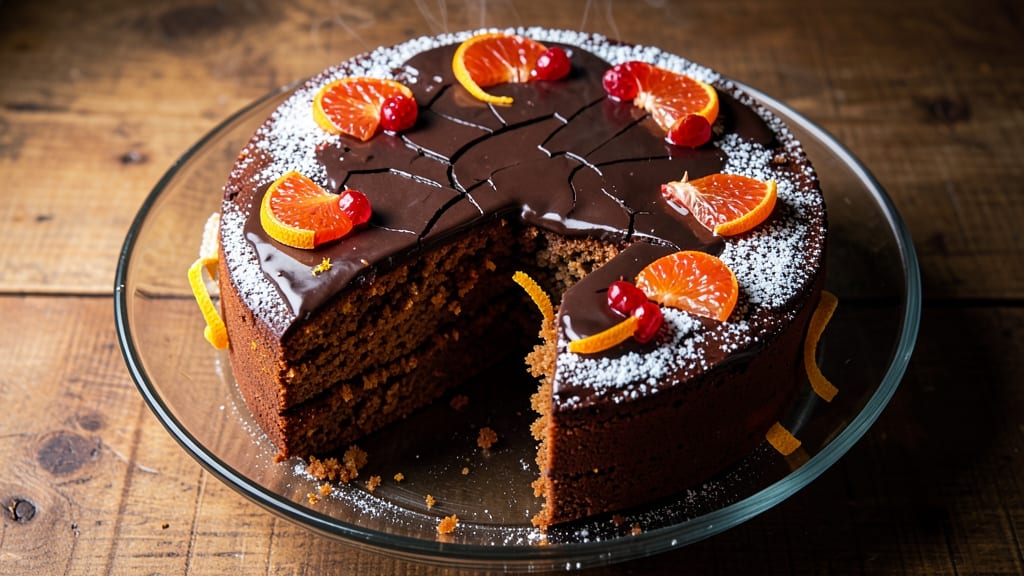
This basic chocolate orange cake recipe delivers rich, fudgy layers swirled with bright citrus—perfect for balancing deep cocoa flavors. The secret lies in orange zest and juice, which infuse moisture and a subtle tang that cuts through the chocolate's intensity.
I've baked this cake countless times, and it never fails to impress with its tender crumb and perfect rise.
What makes this recipe special is its foolproof technique: a simple batter that yields ultra-moist layers without needing special ingredients. The swirl of orange-infused cream cheese frosting adds a velvety contrast, while the citrus zest in the batter ensures every bite carries that signature zesty punch.
It's the kind of dessert that feels indulgent yet light enough for afternoon tea.
By the time you pull it from the oven, you'll have a cake with golden domed layers and a crackly top—signs of a perfectly baked treat. The orange glaze on top adds a glossy finish that makes it look as good as it tastes.
Whether served with a cup of coffee or as a showstopper at a dinner party, this cake is designed to be the star of any dessert table.
Ready in just 1 hour, this recipe delivers restaurant-quality results with minimal effort. The key is patience—letting the batter rest and baking at the right temperature ensures that moist texture you crave. Let's get started!
Ingredients for basic chocolate orange cake
Simple ingredients that balance rich chocolate with bright citrus for a cake that's moist, tender, and perfectly balanced.
| Ingredient | Amount | Notes |
|---|---|---|
| All-Purpose Flour 🌾 | 2 ½ cups | Sifted for light texture |
| Granulated Sugar 🍚 | 2 cups | White or light brown |
| Unsweetened Cocoa Powder 🍫 | ¾ cup | Natural or Dutch-processed |
| Baking Soda 🧂 | 1 ½ tsp | Pure baking soda |
| Salt 🧂 | ½ tsp | Fine sea salt |
| Orange Zest 🍊 | 2 tbsp | Fresh, finely grated |
| Fresh Orange Juice 🍊 | ½ cup | Strained, no pulp |
| Large Eggs 🥚 | 2 whole | Room temperature |
| Unsalted Butter 🧈 | 1 cup | Melted, cooled slightly |
| Vanilla Extract 🌿 | 1 tsp | Pure vanilla extract |
| Orange Liqueur 🍷 | 2 tbsp | Optional, like Cointreau |
| Whipped Cream Cheese Frosting 🧀 | 1 ½ cups | Room temperature |
| Powdered Sugar 🍚 | 2 cups | For frosting |
| Orange Glaze 🍊 | ½ cup | For finishing |
The cocoa powder is non-negotiable here—Hershey's Special Dark or Dutch-processed brands like Valrhona work best for that velvety texture. Fresh orange zest is a game-changer; grab navel oranges from the grocery store—Walmart or Kroger usually have them year-round. For the orange juice, fresh is ideal, but not-from-concentrate brands like Tropicana work in a pinch. The butter matters too: Land O'Lakes or Plugrá melt smoothly without graininess. I always buy extra zest—it freezes beautifully for future baking projects.
No fresh oranges? Substitute with 2 tbsp lemon juice plus 1 tbsp extra sugar—it won't be identical, but close. Running low on vanilla? Almond extract at half the amount works, though the flavor shifts. For the frosting, cream cheese like Philadelphia is a must—it whips lighter than others. No orange liqueur? Extra vanilla extract or a splash of Grand Marnier keeps things balanced. The glaze can be made with powdered sugar and water, but adding 1 tsp lemon juice prevents graininess. Store-bought glaze works too—Betty Crocker or Wilton are reliable.
This batter keeps for 3 days in the fridge—perfect for making ahead. The frosting, however, is best made the day of serving. For the glaze, mix it last-minute to avoid crystallization. Cake layers freeze beautifully for up to 3 months—wrap tightly in plastic and foil. To reheat, warm at 300°F for 10 minutes. I always bake two layers and freeze one—saves time for future gatherings. The orange zest in the batter intensifies after chilling, so let the cake rest 20 minutes before slicing.
Why You'll Love This Recipe
- No-Fuss Mixing: I swear by this recipe because it’s literally just creaming butter and sugar, adding dry ingredients, and folding in orange zest. No sifting, no weird ratios—just a bowl, a whisk, and 15 minutes of your time.
- Zesty Magic: That orange zest? It’s the secret weapon. The cocoa gives you rich chocolate depth, but the citrus brightens it up so it’s not too heavy—like a warm hug for your taste buds.
- Double-Duty Cake: Make it for breakfast with a dollop of whipped cream, or slice it up for dessert. Honestly, I’ve even packed it in lunches—trust me, it’s just as good cold the next day.
- Pantry Staple Power: You already have everything. Flour, sugar, cocoa—no specialty ingredients, no last-minute grocery runs. And a whole cake? That’s way cheaper than buying a single slice from a bakery.
Step-by-step instructions for chocolate orange cake with citrus swirls
Here's the method for a perfectly moist cake with vibrant orange flavor and professional swirls.
Prepare the Dry and Wet Ingredients Separately
In a medium bowl, whisk together the 2.5 cups all-purpose flour, 1.5 teaspoons baking soda, and 0.5 teaspoon salt. Sift the mixture through a fine-mesh sieve directly into a large mixing bowl to ensure a light, airy texture. In a separate large bowl, combine the 2 cups granulated sugar, 0.75 cup unsweetened cocoa powder, 2 tablespoons orange zest, and 1 teaspoon vanilla extract. Whisk until completely smooth and no lumps remain.
For the wet ingredients, melt the 1 cup unsalted butter in a microwave-safe bowl in 30-second intervals, stirring between each, until fully melted but not hot to the touch. Let it cool slightly for 2-3 minutes before adding. In a measuring cup, mix the 0.5 cup fresh orange juice with the 2 tablespoons orange liqueur (if using). This citrus blend is what gives the cake its signature bright flavor.
Combine Wet and Dry Ingredients for the Cake Batter
Add the melted butter to the sugar-cocoa mixture and whisk vigorously for 1-2 minutes until the mixture lightens in color and becomes thick. In a separate bowl, beat the 2 whole large eggs until frothy, then gradually add them to the butter mixture while whisking continuously. This step ensures the eggs are fully incorporated and creates a smooth batter.
With the mixer on low speed, gradually add the sifted dry ingredients to the wet mixture, mixing just until combined. Be careful not to overmix—stop as soon as the flour disappears. The batter should be thick but pourable. Fold in half of the 0.5 cup orange juice-liqueur mixture using a spatula, reserving the other half for later. This step prevents the cake from becoming too dense.
Create the Citrus Swirl and Bake the Cake
Preheat your oven to 350°F and grease two 9-inch round cake pans, lining the bottoms with parchment paper. Divide the cake batter evenly between the two pans, spreading it out smoothly. For the swirl effect, pour the remaining 0.5 cup orange juice-liqueur mixture evenly over the top of each cake layer. Using a long knife or offset spatula, gently swirl the liquid through the batter in a circular motion, creating marbled patterns.
Bake for 30-35 minutes, or until a toothpick inserted into the center comes out clean. The cakes should spring back slightly when pressed in the center. Rotate the pans halfway through baking for even cooking. Let the cakes cool in the pans for 10 minutes, then transfer to a wire rack to cool completely before assembling.
Assemble with Cream Cheese Frosting and Orange Glaze
Once the cakes are completely cool, level the tops if necessary using a serrated knife. Place one cake layer on a cake stand or plate and spread 0.75 cup whipped cream cheese frosting evenly over the top. Place the second cake layer on top and spread the remaining 0.75 cup frosting over the entire cake, creating a smooth base for the glaze.
To make the orange glaze, combine the 0.5 cup orange glaze with 2 cups powdered sugar in a bowl. Whisk until smooth and drizzle evenly over the frosted cake. Use a spatula to spread the glaze slightly, creating an even coating. Let the glaze set for 15-20 minutes before slicing to ensure it doesn't drip. The final result should be a moist, vibrant cake with a perfect balance of rich chocolate and bright citrus flavors.
Pro Tips For Making Basic Chocolate Orange Cake
- Sift the Cocoa First: I learned this the hard way—lumps in cocoa powder make a cake dense and uneven. Whisk it with the flour before adding wet ingredients to avoid clumps, even if the recipe doesn’t call for sifting. A quick 30-second mix with a fork does the trick.
- Use Room-Temp Eggs and Dairy: Cold eggs and milk curdle in the oven, leaving a gummy mess. Take them out 30 minutes before mixing—yes, even if you’re in a hurry. The batter will be smoother, and the cake will rise properly.
- Check Doneness at 325°F: Ovens run hot. If your recipe says 350°F, crack open the oven door at 325°F to test for doneness—insert a toothpick near the center. If it comes out clean, pull it; if not, wait 5 more minutes. Overbaking dries out the cake.
- Add Orange Zest Last: Fresh orange zest loses potency fast. Mix it with the dry ingredients just before adding wet ones—this keeps the flavor bright. Skip the bottle of pre-mixed zest; it’s usually bland and overpriced.
Dietary considerations for this basic chocolate orange cake
Gluten-Free Adaptation
For a gluten-free version, swap the all-purpose flour with a 1:1 gluten-free baking flour blend like Bob's Red Mill or King Arthur. Use 2.5 cups of the blend, but add 1 extra tablespoon of xanthan gum to mimic gluten's structure.
Sift the blend thoroughly to prevent lumps. The texture will be slightly denser, but the moisture from the orange juice helps keep it tender. 🌾
Vegan Modifications
To make this cake vegan, replace the eggs with 2 tablespoons flaxseed meal mixed with 6 tablespoons water (let sit for 5 minutes to thicken). Use vegan butter (like Miyoko's) and ensure your cocoa powder is labeled vegan.
For the frosting, substitute the cream cheese with vegan cream cheese (such as Kite Hill) or a cashew-based frosting. The orange zest and juice remain dairy-free, so the citrus flavor stays intact.
Reduced Sugar Option
Cut the 2 cups granulated sugar to 1.5 cups and replace the remaining 0.5 cup with unsweetened applesauce or mashed banana for moisture. Boost the orange zest to 3 tablespoons to enhance natural sweetness. The cake will still be rich but lighter.
For the glaze, reduce powdered sugar to 1.5 cups and add 1 teaspoon lemon juice to balance flavors. This version works well with black coffee or herbal tea.
Nut-Free Considerations
Skip the optional orange liqueur (which may contain nuts) and use extra vanilla extract or 1 tablespoon Grand Marnier instead. Ensure your cocoa powder and powdered sugar are processed in nut-free facilities.
For the frosting, stick to Philadelphia cream cheese (nut-free) or a store-bought vegan frosting labeled nut-free. Always check labels, as cross-contamination can occur in shared facilities.
Dairy-Free Adjustments
Replace the 1 cup unsalted butter with vegetable oil or coconut oil (melted). For the frosting, use dairy-free cream cheese (like Tofutti) or a coconut whipped cream alternative.
The orange juice and zest remain dairy-free, so the citrus notes shine. If using coconut oil, ensure it’s refined to avoid coconut flavor dominance.
Allergen-Friendly Tips
For egg-free bakes, use the flaxseed mixture mentioned earlier. If someone has a citrus allergy, omit the orange zest and reduce the orange juice to 2 tablespoons, replacing the rest with apple juice.
For soy-free diets, verify your cream cheese and powdered sugar are soy-free (some brands contain soy lecithin). Always double-check ingredient labels for hidden allergens like milk, eggs, or nuts.
Nutrition facts
Frequently asked questions
Can I substitute the orange liqueur with something else?
If you don't have orange liqueur like Cointreau, try 1 tablespoon Grand Marnier or 1 teaspoon extra vanilla extract. For a non-alcoholic option, add 1 extra tablespoon orange juice or 1 teaspoon lemon juice. The key is balancing the citrus notes—just don't skip it entirely, as it enhances the flavor.
Why does my cake turn out dense instead of moist?
Overmixing the batter is the most common culprit—stop mixing as soon as the flour disappears. Another issue could be underbaking: check with a toothpick at 30-35 minutes. For extra moisture, try adding 1 extra tablespoon of orange juice or replacing 2 tablespoons of flour with cornstarch. Let the cake cool completely before frosting too!
How do I make this cake gluten-free?
Replace the 2.5 cups all-purpose flour with a 1:1 gluten-free baking blend (like Bob's Red Mill) and add 1 extra tablespoon xanthan gum. Sift thoroughly to avoid lumps. The orange juice keeps the texture tender, but expect a slightly denser crumb. Bake for 5-10 extra minutes to ensure doneness.
Can I bake this cake in a different pan size?
Yes! For an 8-inch pan, reduce baking time to 25-30 minutes. For a 10-inch pan, increase to 35-40 minutes. Adjust oven temp to 325°F if using dark pans. The key is watching for a toothpick test—it should come out clean. Divide batter proportionally (e.g., 3/4 cup per 8-inch pan).
How long can I store or freeze the cake?
Store the fully assembled cake at room temp for 3 days or refrigerate for 1 week. For longer storage, freeze the layers (unfrosted) for up to 3 months