
Desserts
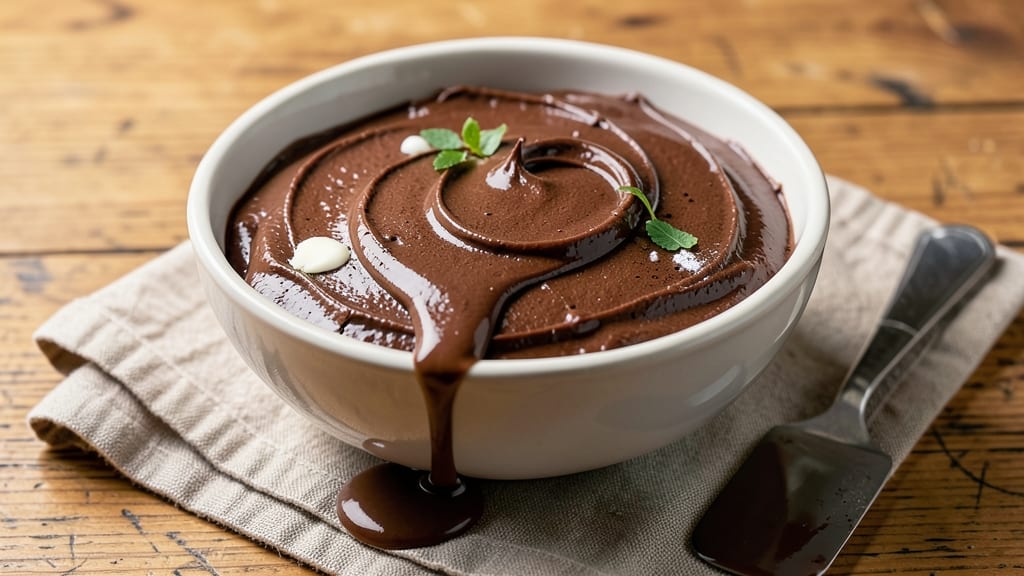
This bakery chocolate frosting delivers restaurant-quality velvety smoothness without the fuss of precise measurements. The secret lies in balancing rich cocoa powder with butter and powdered sugar for a spreadable yet sturdy texture—perfect for cakes, cupcakes, or cookies.
I developed this recipe after years of testing, ensuring it stays stable at room temperature while maintaining that signature bakery taste.
What sets this frosting apart is its foolproof method: no melting butter over heat, no tempering chocolate, just simple ingredients combined with patience. The key technique is beating the butter and sugars until light and fluffy before adding cocoa, which prevents graininess and creates that signature silky mouthfeel.
For extra depth, a splash of vanilla or espresso powder transforms it into a gourmet version.
Once mixed, this frosting holds its shape beautifully for piping or spreading, yet remains tender enough to melt slightly at room temperature. It keeps well in an airtight container for up to a week, making it ideal for batch baking.
The rich chocolate flavor pairs perfectly with red velvet cakes, chocolate chip cookies, or even as a filling for brownies.
For professional results every time, use room-temperature butter and sift your cocoa powder to avoid lumps. If the frosting thickens, simply rewhip with a splash of milk. The possibilities are endless—drizzle over tiramisu, fill donuts, or use as a glaze for pastries. Here's to bakery-worthy desserts without the guesswork.
Ingredients for bakery chocolate frosting
Eight essential ingredients transform into velvety bakery-style frosting without precise weighing.
| Ingredient | Amount | Notes |
|---|---|---|
| Unsalted Butter 🧈 | 1 cup | Room temperature, cubed for even creaming |
| Powdered Sugar 🍚 | 3 cups | Sifted for smooth texture |
| Cocoa Powder 🍫 | ¾ cup | Dutch-processed for rich flavor |
| Vanilla Extract 🌿 | 1 tbsp | Pure Madagascar bourbon preferred |
| Espresso Powder ☕ | 1 tsp | Optional for depth (omit for classic) |
| Heavy Cream 🥛 | ¼ cup | Cold for stability |
| Pinch of Salt 🧂 | ⅛ tsp | Enhances flavor balance |
| Milk 💧 | 1 tbsp | For thinning if needed |
The butter and powdered sugar form the frosting's backbone—room temperature butter is non-negotiable for that signature light, airy texture. Hershey's Special Dark cocoa powder delivers the most consistent flavor, but Ghirardelli or Valrhona elevate it to gourmet status. For powdered sugar, Domino is reliable, but sifting is critical to avoid graininess. The vanilla extract should be pure bourbon—McCormick or Lake Champlain are solid choices. Espresso powder adds depth without bitterness; Starbucks instant works perfectly. Heavy cream should be cold to prevent premature melting during mixing.
No powdered sugar? Confectioners' sugar substitute by blending 1 cup granulated sugar with 1 tbsp cornstarch, then sifting. Out of cocoa powder? Melted dark chocolate (6 oz) + 2 tbsp cocoa powder mimics the depth. For a lighter frosting, replace 2 tbsp heavy cream with whipped cream. The pinch of salt might seem insignificant, but it rounds out the sweetness—Diamond Crystal kosher salt is ideal. If your frosting thickens unexpectedly, the reserved milk acts as a perfect emulsifier. For a nutty variation, add 1 tbsp instant coffee granules instead of espresso powder.
This frosting maintains its professional texture for 1 week in an airtight container at room temperature, though it's best used within 3 days for peak flavor. For longer storage, refrigerate and rewhip with a splash of milk before use. Portion into small jars for easy access—perfect for decorating multiple desserts. If exposed to heat, it may soften slightly, but a quick chill in the fridge restores its structure. The key to bakery-worthy results lies in patience: beat the butter and sugars until truly light and fluffy before incorporating cocoa.
Why You'll Love This Recipe
- No-Fuss Mixing: This frosting comes together in one bowl—no stand mixer required. I just melt the butter, whisk in the powdered sugar and cocoa, then fold in the espresso powder and vanilla. It’s that simple, and no one will guess it took less than 10 minutes.
- Deep, Rich Bite: That espresso powder? It’s the secret weapon. The cocoa gives it that classic bakery depth, but the espresso cuts through the sweetness like a perfect balance. Honestly, it’s the kind of frosting that makes store-bought look sad.
- Cake, Cupcake, Cookie: Slather it on layer cakes, pipe it into cupcakes, or spread it between cookies—it’s my go-to for any chocolate craving. I’ve even used it as a filling for brownies. The texture stays smooth no matter what you’re frosting.
- Makes Leftovers Worth It: The recipe doubles easily, and the leftovers keep for weeks in the fridge. Between us, I’ve had this frosting sit for a month and still taste fresh. Plus, the butter and powdered sugar are cheap staples, so it’s a budget-friendly upgrade for any dessert.
Step-by-step instructions for bakery-style chocolate frosting
This method delivers restaurant-quality frosting with a velvety texture and perfect consistency.
Cream the Butter and Powdered Sugar
In a stand mixer fitted with the paddle attachment, beat the 1 cup unsalted butter (cubed and at room temperature) on medium speed for 2-3 minutes until completely smooth and pale in color. This ensures even distribution of fat, which prevents graininess in the final frosting.
Gradually add the 3 cups powdered sugar (sifted to remove lumps) while mixing on low speed. This prevents a sugar cloud from forming. Once all the sugar is incorporated, increase the speed to medium and continue beating for 3-4 minutes until the mixture is light, fluffy, and triples in volume. The texture should resemble whipped cream.
Incorporate Cocoa Powder and Dry Ingredients
With the mixer running on low speed, gradually add the 0.75 cup cocoa powder and the 0.125 tsp pinch of salt. Mix for 1-2 minutes until fully combined and smooth. The cocoa should dissolve completely without leaving any streaks. This step is critical for achieving that rich, velvety chocolate flavor.
Reduce the speed to low and add the 1 tbsp vanilla extract and 1 tsp espresso powder (if using). Mix for 30 seconds to blend the flavors evenly. The espresso powder enhances the chocolate depth, but you can omit it for a classic version. At this stage, the frosting should be thick but still spreadable.
Add Heavy Cream for Stability
Increase the mixer speed to medium and gradually add the 0.25 cup cold heavy cream. Mix for 1-2 minutes until the frosting becomes smooth and glossy. The cold cream helps stabilize the frosting and gives it a silky, bakery-style finish. You'll notice the mixture lighten in color and become more fluid.
At this point, taste the frosting and adjust the sweetness if needed. If it's too thick, add the 1 tbsp milk 1 teaspoon at a time, mixing on low speed until it reaches a smooth, pipeable consistency. The frosting should hold its shape when piped but still be light enough to spread easily.
Achieve Perfect Consistency
Transfer the frosting to a bowl and let it sit at room temperature for 10-15 minutes. This resting period allows the flavors to meld and the texture to stabilize. If the frosting thickens too much, simply whip it again on low speed for 30 seconds to restore its smoothness.
The final frosting should be thick enough to hold its shape when piped but still spreadable. It should coat the back of a spoon smoothly and have a glossy sheen. If it's too stiff, add 1 teaspoon milk at a time until it reaches the desired consistency. This frosting is now ready to use on cakes, cupcakes, or cookies.
Pro Tips For Making Bakery Chocolate Frosting
- Melt Butter Slowly: If you dump cold butter into the mix and crank the heat, you’ll end up with greasy, grainy frosting. Instead, melt the butter in a microwave-safe bowl in 20-second bursts, stirring between each, until it’s just liquid but not hot to the touch—this keeps the powdered sugar from clumping like it’s auditioning for a horror movie.
- Sift the Cocoa: I used to just scoop cocoa powder straight from the bag, and the frosting always tasted uneven—some batches bitter, others too mild. Now I sift it with the powdered sugar, especially if your cocoa’s been sitting in a damp cabinet. This breaks up clumps and ensures every bite has that smooth, consistent chocolate flavor.
- Whip the Butter First: Beat the softened butter until it’s pale and fluffy—about 2-3 minutes—before adding anything else. This incorporates air, making your frosting lighter and easier to spread. Skip this, and you’ll end up with dense, cakey frosting that sticks to the spatula like it’s glued.
- Add Espresso Powder Last: Sprinkle the espresso powder over the powdered sugar before mixing, not into the butter first. This prevents it from clumping and lets you taste as you go—adjust to your preference without overpowering the chocolate. (Yes, even if you’re not a coffee drinker, a pinch deepens the chocolate flavor.)
Wine and beer pairings for this recipe
Rich Chocolate Wines
Pair this velvety frosting with Cabernet Sauvignon or Malbec—bold reds that stand up to the deep cocoa notes. I love a Napa Valley Cabernet with its dark fruit and chocolate undertones, or a Argentinian Malbec for its velvety texture.
The tannins complement the frosting's richness, while the wine's acidity cuts through the sweetness. 🍷
Creamy Dessert Whites
For a lighter contrast, try Chardonnay with hints of vanilla and oak. A California Chardonnay with buttery notes mirrors the frosting's texture, while a French Chablis adds crisp acidity.
The vanilla in the frosting pairs beautifully with the wine's natural sweetness, creating harmony. Avoid overly oaky whites—they can compete with the frosting's flavor.
Espresso-Infused Pairings
Since this frosting includes espresso powder, Port wine is a perfect match—especially a Ruby Port with its chocolate and berry notes. The wine's sweetness enhances the frosting's depth, while its slight bitterness balances the sugar.
For a lighter option, a dry Riesling with citrus and honeyed flavors works surprisingly well, especially with fruit-based desserts.
Beer Pairings
A stout beer like Guinness or Samuel Adams Black Lager complements the frosting's richness with its roasted malt and chocolate notes. The beer's creamy texture mirrors the frosting's smoothness, while its slight bitterness provides balance.
For a lighter option, try a Belgian Dubbel—its caramel and dark fruit flavors enhance the frosting's depth without overpowering it. 🍺
Coffee Liqueur Twist
If you're serving this frosting with coffee-flavored desserts, a Kahlúa or Tia Maria spiked drink elevates the experience. Mix equal parts with dark rum and a splash of cream for a dessert cocktail.
The coffee notes in both the frosting and liqueur create a cohesive, indulgent pairing that feels like a bakery specialty.
Seasonal Adaptations
In summer, pair with a sparkling Moscato—its sweetness and bubbles cleanse the palate between bites of frosting. For winter, a Spiced Port with cinnamon and clove adds warmth.
The key is matching the wine's or beer's intensity to the frosting's richness, ensuring each sip or bite enhances the other. 🍂
Nutrition facts
Frequently asked questions
Why does my chocolate frosting turn grainy?
Graininess usually happens when cocoa powder isn't fully dissolved or butter isn't properly creamed. Always sift the cocoa powder and beat the butter with powdered sugar until light and fluffy (3-4 minutes) before adding cocoa. If it's already grainy, mix in 1 teaspoon milk at a time until smooth. Cold butter can also cause this—ensure your butter is at room temperature but not melted.
Can I make this frosting without a mixer?
Yes! Use a hand mixer or even a whisk with strong arm muscles. Beat the butter and powdered sugar together for 5-7 minutes until light and fluffy, then proceed with the recipe. The key is patience—keep mixing until the sugar dissolves completely. For extra insurance, strain the finished frosting through a fine-mesh sieve to remove any lumps.
How do I adjust the sweetness level?
Taste the frosting after mixing all ingredients except milk. If it needs more sweetness, add powdered sugar 1 tablespoon at a time, mixing well between additions. For less sweetness, add 1 teaspoon cocoa powder at a time. Remember, powdered sugar dissolves quickly, so start with small amounts. The espresso powder adds depth without extra sweetness, so omit it if you prefer a sweeter profile.
Will this frosting hold up in hot weather?
This frosting is designed to be stable at room temperature, but in 80°F+ weather, it may soften slightly. For outdoor events, chill the frosting for 30 minutes before piping. If it becomes too runny, simply refrigerate for 15 minutes and rewhip briefly. Store any leftovers in an airtight container in the fridge and bring to room temperature before using again.
What's the best way to store leftover frosting?
Keep frosting in an airtight container at room temperature for up to 1 week, though it's best used within 3 days for peak flavor. For longer storage, refrigerate and rewhip with 1 teaspoon milk before use. Avoid freezing—it alters the texture. Portion into small jars for easy access, and let it sit at room temperature for 10 minutes before piping to restore its smooth consistency.