
Desserts
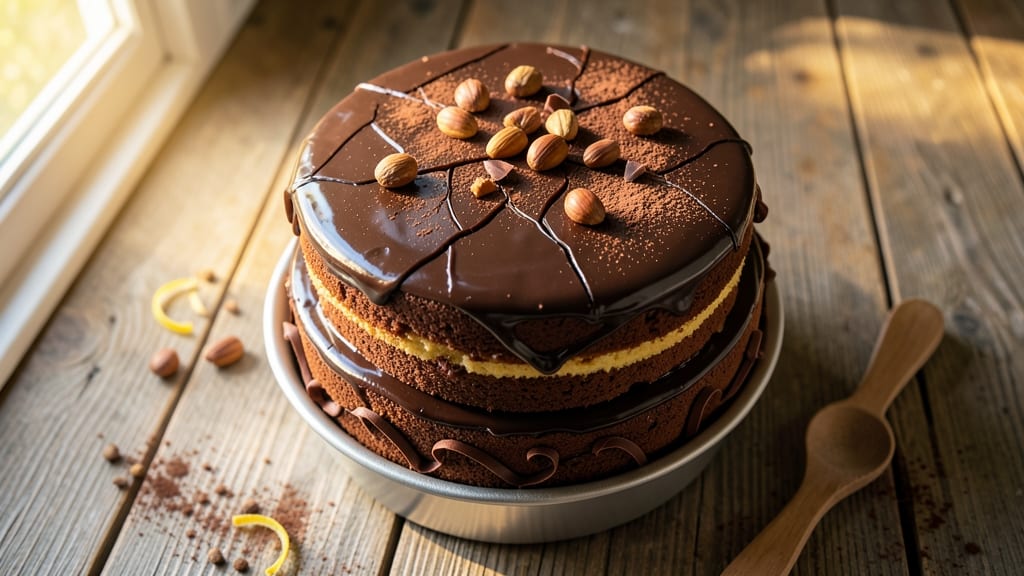
This baker’s original German’s sweet chocolate cake recipe delivers the layered richness that made it a classic in traditional German bakeries. The secret lies in its dense, moist layers and velvety chocolate ganache that stays perfectly set, a technique passed down through generations.
What sets this recipe apart is the precise balance of cocoa and espresso powder, creating depth without bitterness—a hallmark of authentic German chocolate baking. The cake's foundation begins with a simple yet foolproof batter that relies on melted butter and warm milk for maximum moisture.
German bakers traditionally used dark chocolate with a higher cocoa content, which we replicate here for that signature dense texture. Each layer is baked to a golden finish, then carefully assembled with the ganache, ensuring every bite reveals that signature German chocolate experience.
What you'll achieve is a cake that's rich yet balanced, with a tender crumb and a ganache that's neither too hard nor too runny. The espresso-infused chocolate layers complement the ganache beautifully, creating a dessert that's both sophisticated and comforting.
This recipe preserves the traditions while adapting to modern kitchens, making it perfect for special occasions or when you crave a taste of Germany. Serve at room temperature with a dusting of cocoa powder or fresh berries for contrast.
The cake keeps well for up to five days, allowing you to enjoy its decadence over several servings. Whether you're baking for a celebration or simply indulging, this German sweet chocolate cake delivers the authentic experience you've been searching for.
Ingredients for baker's german's sweet chocolate cake recipe original
Twelve ingredients to capture authentic German bakery richness in every layer.
| Ingredient | Amount | Notes |
|---|---|---|
| All-Purpose Flour 🌾 | 4 cups | Sifted for light texture |
| Unsalted Butter 🧈 | 2 cups | Melted, cooled slightly |
| Granulated Sugar 🍚 | 2 ½ cups | Superfine preferred |
| Dark Chocolate 🍫 | 8 oz | 70% cocoa, chopped fine |
| Large Eggs 🥚 | 6 whole | Room temperature |
| Whole Milk 🥛 | 1 ½ cups | Warmed to 110°F |
| Instant Espresso Powder ☕ | 2 tbsp | High-quality, finely ground |
| Baking Powder 🧂 | 1 tbsp | Diamond Crystal preferred |
| Salt 🧂 | ½ tsp | Fine sea salt |
| Vanilla Extract 🌿 | 2 tsp | Pure Madagascar preferred |
| Heavy Cream 🥛 | 1 ½ cups | Cold for ganache |
| Powdered Sugar 🍚 | 1 ½ cups | Sifted for smooth texture |
| Unsweetened Cocoa Powder 🍫 | ½ cup | Dutch-processed preferred |
The dark chocolate is non-negotiable—German bakeries use 70% cocoa or higher for that signature dense, fudgy texture. Valrhona or Callebaut are my go-tos, but any high-quality brand with visible cocoa nibs works. The espresso powder (not instant coffee) is what creates that subtle depth without bitterness—Lavazza or Illy are excellent choices. For the butter, European-style unsalted (like Plugrá) melts differently, giving a smoother finish. If you can't find it, regular unsalted works, but don't substitute margarine—this cake demands real butter for its signature richness. The flour? King Arthur or Gold Medal for consistent results, but sift it well to avoid dense layers.
No espresso powder? Strong brewed coffee at half the amount works in a pinch, but the powder dissolves better. Running short on dark chocolate? Semisweet chips plus extra cocoa powder (reduce sugar slightly) mimics the texture. The baking powder is crucial—Diamond Crystal rises more gently than others, so don't swap for double-acting brands. For the ganache, heavy cream must be cold to prevent melting the chocolate too soon. If you're in a hurry, chill the mixing bowl beforehand. The powdered sugar should be sifted with the cocoa powder to avoid lumps in the ganache. And trust me on the vanilla extract—imitation won't cut it here.
Store the cake layers in an airtight container between parchment paper for up to 3 days at room temperature. The ganache keeps separately for 5 days in the fridge—reheat gently before assembling. For longer storage, wrap each layer individually and freeze for up to 3 months. Thaw overnight in the fridge before reassembling. The ganache reheats beautifully in 10-second bursts in the microwave, stirring between each. Serve at room temperature—this cake tastes even better the next day as flavors meld. And if you have leftovers? French toast or trifle are perfect second lives for these rich layers.
Why You'll Love This Recipe
- I’ll be real: I’ve made this twice and still had slices three days later. The butter keeps it tender, and the flour-to-sugar ratio means it doesn’t dry out—just slice and enjoy.
- One-Bowl Wonder: I swear by this recipe when I’m in a rush—just toss everything into a bowl, mix, and bake. No fancy techniques, no extra dishes, and the rich chocolate flavor still shines through.
- Rich Without Guilt: Between us, this cake is dangerously good, but it’s all thanks to the dark chocolate and butter. The sugar isn’t overpowering—it’s balanced, and the eggs keep it moist for days.
- Party or Pudding: Honestly, I’ve served this at birthdays, book club meetups, and even as a midnight snack. It’s fancy enough for guests but simple enough to eat straight from the pan.
Step-by-step instructions for baker's German sweet chocolate cake
This German-inspired cake delivers layers of rich chocolate decadence with a velvety ganache finish.
Prepare the Chocolate Cake Batter
Preheat your oven to 350°F and grease three 9-inch round cake pans with butter, then line the bottoms with parchment paper. In a large mixing bowl, combine the 4 cups all-purpose flour, 1 tablespoon baking powder, 0.5 teaspoon salt, and 2 tablespoons instant espresso powder. Whisk until evenly distributed—this ensures proper leavening and deep chocolate flavor.
In a separate large bowl, beat the 2 cups unsalted butter and 2.5 cups granulated sugar together on medium speed until light and fluffy, about 3-4 minutes. This creaming process incorporates air, creating a tender crumb. Add the 6 whole large eggs, one at a time, beating well after each addition. The mixture should nearly double in volume and become pale and thick.
Gradually add the dry ingredients to the butter mixture, alternating with the 1.5 cups whole milk in 3 additions. Mix on low speed just until combined—overmixing develops gluten and makes the cake dense. Fold in the 8 ounces chopped dark chocolate and 2 teaspoons vanilla extract until evenly distributed. The batter should be thick but pourable, with visible chocolate flecks throughout.
Bake the Cake Layers Evenly
Divide the batter evenly among the prepared cake pans, filling each about ⅔ full. Tap the pans gently on the counter to remove any air bubbles. Bake for 25-30 minutes or until a toothpick inserted in the center comes out clean. Rotate the pans halfway through baking for even browning.
You'll know the cake is done when the tops are set and spring back gently when touched. Let the cakes cool in the pans for 10 minutes before transferring to a wire rack to cool completely. This gradual cooling prevents cracking. Once completely cooled, level the tops if needed using a serrated knife for even layers.
Prepare the Chocolate Ganache
While the cakes cool, prepare the ganache by combining the 1.5 cups heavy cream and 8 ounces chopped dark chocolate in a heatproof bowl. Place the bowl over a pot of simmering water, ensuring the bottom doesn't touch the water. Stir gently until the chocolate melts completely and the mixture becomes smooth and glossy.
Remove from heat and let cool slightly until the ganache thickens enough to coat the back of a spoon but is still pourable. This should take about 10-15 minutes. Stir in the 0.5 cup unsweetened cocoa powder and 1.5 cups powdered sugar until fully incorporated. The ganache should be thick but spreadable—if it's too thin, chill it slightly to firm up.
Assemble the Layered Cake
Place the first cake layer on a cake stand or plate. Spread an even layer of the chocolate ganache over the top, about ¼ inch thick, using an offset spatula. Replace the second cake layer on top and repeat with another layer of ganache. Finally, place the third cake layer on top and cover the entire cake with the remaining ganache, creating a smooth, glossy finish.
Chill the assembled cake in the refrigerator for at least 2 hours to allow the ganache to set completely. This step is crucial for clean slices and proper texture. Once chilled, dust the top and sides with additional powdered sugar if desired, using a fine-mesh sieve for an elegant finish. The cake will keep well in the refrigerator for up to 5 days, though it's best enjoyed fresh.
Pro Tips For Making Baker'S German'S Sweet Chocolate Cake Recipe Original
- Melt Chocolate Slowly: I learned this the hard way—dumping chopped chocolate into hot butter and expecting it to blend smoothly? Nope. Instead, chop the dark chocolate into small, even pieces (think rice-sized) and melt it with the butter over low heat, stirring constantly. If it starts to seize or look grainy, pull it off the heat for 10 seconds and restart. Smooth chocolate = no sandy texture in your cake.
- Weigh Your Butter: Your recipe calls for unsalted butter, and measuring by volume (that "scoop and level" method) is begging for trouble. Butter packs differently, and you’ll end up with a cake that’s either too dense or too rich. Use a kitchen scale for 225g (1 cup) and press it into the bowl with a fork—this incorporates air, which makes the cake lighter. (Yes, even if you’re impatient like me.)
- Skip the Overmixing: This isn’t the prettiest method, but it’s the tastiest: Once you’ve combined the dry ingredients (flour, sugar, cocoa) with the wet (butter, eggs), mix just until the flour disappears. Overmixing develops gluten, and your cake will turn out tough instead of tender. Use a spatula to gently fold—about 15 strokes max. Your future self will thank you.
- Bake Until Springy: The recipe might say "until a toothpick comes out clean," but that’s not always the case with this dense, chocolate-heavy cake. Instead, press the center lightly—it should spring back slowly, not bounce right away. If you pull it out too early, the middle will stay gummy. If you wait too long, it’ll dry out. Aim for 25–30 minutes at 350°F (175°C), then check. (Your oven’s hot spots are real—rotate the pan halfway if needed.)
Essential equipment for perfect results
German Baking Pans
For authentic results, use three 9-inch round cake pans with 2-inch tall sides—these are standard in German bakeries. I recommend Wilton Perfect Results pans for their even heat distribution. Avoid nonstick pans if possible; lightly greased and parchment-lined pans give the best texture.
If you don’t have round pans, square or rectangular pans (8x8-inch) work too, but adjust baking time to 20-25 minutes for even cooking. 🧑🍳
Stand Mixer Essentials
A stand mixer with a paddle attachment (like the KitchenAid Artisan Series) is a game-changer for creaming butter and sugar properly. For smaller batches, a hand mixer works, but be patient—3-4 minutes of steady mixing is key to achieving that light, airy texture.
If you’re mixing by hand, use a wooden spoon for folding in the chocolate to avoid overmixing. 🥣
Precision Tools
Invest in a digital kitchen scale (like the OXO Good Grips) for accurate measurements—German baking relies on precision. A fine-mesh sieve is critical for sifting flour and powdered sugar to prevent lumps in the ganache.
For leveling cake layers, a serrated knife or cake leveler ensures even slices. Don’t skip the offset spatula—it’s perfect for spreading ganache smoothly between layers. ✨
Thermometer for Ganache
Use a candy or instant-read thermometer to monitor the ganache’s temperature. The ideal pouring consistency is 100-105°F—this ensures it sets properly without being too runny. If your kitchen is warm, chill the bowl slightly before assembling the cake.
A double boiler (or a heatproof bowl over simmering water) is essential for melting chocolate evenly without scorching. 🌡️
Chilling Equipment
An airtight cake carrier (like the Wilton Cake Carrier) keeps the cake fresh and portable. For chilling, a large cooling rack in the fridge works best—it circulates air evenly.
If you’re short on space, place the cake on a wire rack over a baking sheet to prevent condensation. For long-term storage, parchment-lined airtight containers preserve moisture and flavor. ❄️
Nutrition facts
Frequently asked questions
Why does this German chocolate cake use espresso powder instead of coffee?
The 2 tablespoons of instant espresso powder enhances the chocolate flavor without adding bitterness, a classic German baking technique. Unlike coffee, espresso powder dissolves completely and provides a deeper, more concentrated depth. This subtle enhancement is what makes the cake taste authentically rich and sophisticated.
Can I substitute dark chocolate with milk chocolate for this recipe?
Not recommended! German bakeries traditionally use 70% cocoa dark chocolate for its dense, fudgy texture and authentic flavor. Milk chocolate would make the cake too sweet and less rich. If you must substitute, use semisweet chocolate chips plus extra cocoa powder (reduce sugar slightly). The espresso powder will still work with this combo, but the texture won't be as authentic.
How do I prevent the cake layers from cracking?
Cracking happens when the cake cools too quickly. Let layers cool in pans for 10 minutes before removing, then transfer to a wire rack to cool completely. Avoid opening the oven door too early—this causes temperature fluctuations. Also, don't overmix the batter, which develops gluten and makes the cake dense and prone to cracking.
What's the best way to store leftovers?
Wrap individual layers in plastic wrap and store in an airtight container at room temperature for up to 3 days. For longer storage, freeze layers separately for 3 months. The ganache can be stored separately in the fridge for 5 days—reheat gently before reassembling. Leftovers make amazing French toast or trifle!
Can I make this cake in a smaller pan (like 8-inch)?
Yes, but you'll need to adjust baking time to 20-25 minutes instead of 25-30. For a single 8-inch layer, reduce all ingredients by about 30% (use 3 cups flour, 1.5 cups sugar, etc.). The cake will be taller but still delicious! Just watch for doneness with a toothpick test.