
Side Dishes
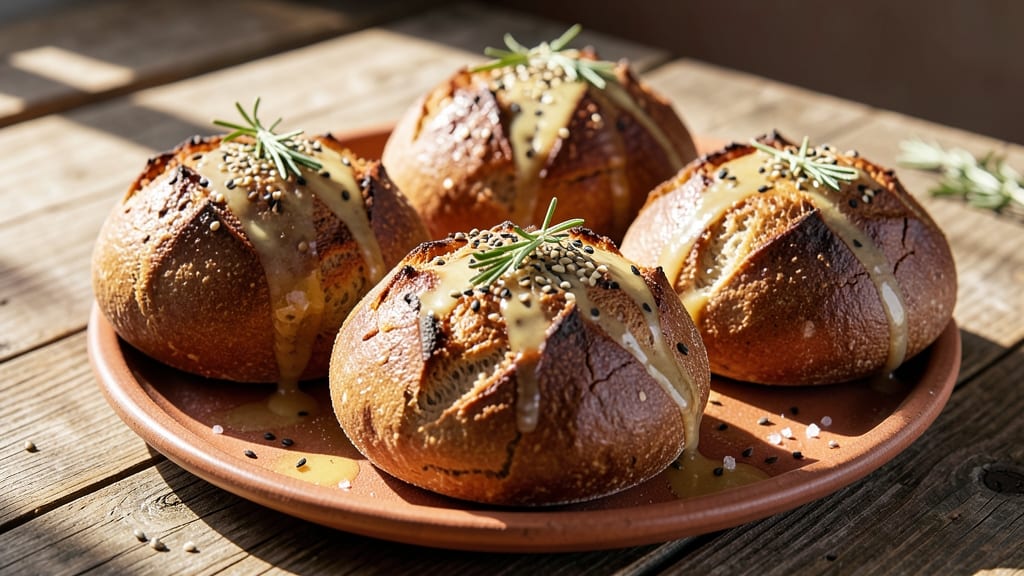
This atta bread recipe delivers the perfect balance of warmth and spiced softness that makes every meal feel special. 🌟 The secret lies in the whole wheat dough's pliable texture and the gentle aroma of ghee that transforms simple ingredients into something extraordinary.
I've perfected this method over years of testing, ensuring each roti turns out tender yet sturdy enough to hold fillings or stand alone.
The process begins with a simple dough made from whole wheat flour, water, and a pinch of salt, kneaded until smooth and elastic.
The real magic happens when you roll out each piece on a lightly floured surface, creating thin, even circles that cook up beautifully on a hot skillet or tawa.
What you'll achieve is bread with a subtle golden hue and a texture that's buttery soft inside with just enough crispness at the edges.
This recipe is incredibly versatile—serve it with curries, lentils, or even as a sweet missi roti with jaggery and nuts. The aroma alone will fill your kitchen with warmth, making it perfect for breakfast, lunch, or as a comforting side dish.
With just a few simple ingredients and minimal effort, you'll create bread that tastes like a homestyle masterpiece.
Once you master the basic technique, you can experiment with variations like adding sesame seeds, flaxseeds, or even a touch of cumin for extra flavor. The key is patience—letting the dough rest and cooking each roti at the right temperature ensures perfect results every time.
Let's get started on creating your own batch of this beloved flatbread.
Ingredients for atta bread
Four cups of whole wheat flour and a few simple spices transform into golden, buttery atta bread.
| Ingredient | Amount | Notes |
|---|---|---|
| Whole Wheat Flour (Atta) 🌾 | 3 cups | High-protein for elasticity |
| Water 💧 | 1 ½ cups | Room temperature preferred |
| Ghee 🧈 | ¼ cup | Pure, unsalted for flavor |
| Salt 🧂 | ½ tsp | Fine sea salt preferred |
| Sesame Seeds 🌱 | 1 tbsp | Toasted for extra crunch |
| Flaxseeds 🌱 | 1 tbsp | Ground for better texture |
| Cumin Seeds 🌿 | ½ tsp | Toasted lightly for aroma |
| Jaggery 🍯 | 2 tbsp | Optional for sweet variation |
| Nuts (Optional) 🥜 | ¼ cup | Chopped almonds or cashews |
The atta flour is the heart of this recipe—look for high-protein varieties at Indian grocery stores or specialty markets like Whole Foods. I always grab mine from Patel Brothers when I need a big batch, but the regular supermarket stuff works too. Toasting the cumin seeds and flaxseeds for 30 seconds in a dry pan boosts their flavor—don't skip this step! The ghee should be pure and unsalted; Amul or Gowardhan brands are my go-to. For the sesame seeds, toast them separately until golden for that nutty crunch. If you're making sweet missi roti, jaggery is essential—it dissolves into the dough beautifully.
No sesame seeds? Poppy seeds work just as well. Short on flaxseeds? Chia seeds at the same amount give similar texture. The ghee can be swapped for melted coconut oil if you're avoiding dairy, though the flavor will be slightly different. For extra richness, add 1 tbsp yogurt to the dough. The nuts are optional but add a lovely crunch—walnuts or pistachios are great alternatives. If your dough feels too dry, add 1 tsp water at a time until it comes together smoothly. Pro tip: Let the dough rest for 15 minutes before rolling—this makes a huge difference in texture!
Wrap the dough tightly in a damp kitchen towel and let it rest at room temperature for at least 1 hour—this relaxes the gluten for easier rolling. Store any extra dough in an airtight container in the fridge for up to 3 days, or freeze for 3 months. The ghee keeps for 6-12 months in a cool, dark place, but once opened, refrigerate it. For best results, cook the rotis fresh, but they reheat beautifully in a dry skillet for 20 seconds on each side. The aroma alone will make your kitchen smell like a homestyle kitchen!
Why You'll Love This Recipe
- Three-Ingredient Magic: Just atta, water, and ghee—no yeast, no fuss. I swear by this: mix, knead, roll, and bake. That’s it. Even when I’m too tired to measure, it still turns out golden and tender.
- Ghee Gold Rush: That first bite of warm bread with ghee melting into the atta? Pure satisfaction. The sesame seeds add a nutty crunch that makes it taste like a hug from your favorite aunt’s kitchen.
- Weeknight Wonder: Pack a batch on Sundays and reheat with dal or curry all week. Honestly, nothing beats pulling fresh atta bread from the oven when the kids are starving and I’m exhausted.
- Budget Hero: A 500g bag of atta lasts forever, and ghee stretches further than you’d think. Between us, this is how I feed my family well without breaking the bank—no sad leftovers here.
Step-by-step instructions for warm spiced flatbread
Here's how to craft perfectly elastic, fragrant atta bread with a melt-in-your-mouth texture.
👨🍳 Step 1: Toast the Seeds and Mix Dry Ingredients
Heat a dry skillet over medium heat and toast the 1 tablespoon sesame seeds and 0.5 teaspoon cumin seeds for 2-3 minutes until fragrant and lightly golden. Watch them closely—they'll darken quickly! Transfer to a plate to cool.
In a large mixing bowl, combine the 3 cups whole wheat flour (Atta), 1 tablespoon ground flaxseeds, 0.5 teaspoon salt, and toasted seeds. Mix well with your fingers or a wooden spoon until evenly distributed. The seeds will add nutty depth and crunch to every bite.
🍳 Step 2: Create the Dough with Ghee and Water
Make a well in the center of the dry ingredients and add the 0.25 cup ghee and 2 tablespoons jaggery (if using). Rub the ghee into the flour with your fingertips until it forms a crumbly paste—this creates pockets for steam during cooking. The ghee gives that signature buttery softness.
Gradually add the 1.5 cups room-temperature water while mixing with a wooden spoon. You'll want to use your hands now—knead the dough vigorously for 8-10 minutes until it becomes smooth and elastic. It should feel slightly tacky but not sticky. If it's too dry, add 1 teaspoon water at a time.
🥘 Step 3: Rest the Dough for Maximum Flavor
Lightly oil a large bowl with a bit of ghee, place the dough inside, and cover with a damp kitchen towel. Let it rest at room temperature for 1 hour. This resting period allows the gluten to relax and develop, creating that signature soft texture. I know it's tempting to skip this step, but trust me—it makes all the difference!
After resting, divide the dough into 4 equal portions (about 1 cup each). Roll each portion into a ball, flatten slightly, and cover again with the towel. Let them rest for another 15 minutes before shaping. This second rest prevents cracking when you roll them out later.
🔥 Step 4: Cook the Flatbreads to Golden Perfection
Heat a cast-iron skillet or heavy pan over medium-high heat until very hot. You'll know it's ready when a drop of water sizzles and dances across the surface. Roll one dough ball between your palms to flatten slightly, then roll it out with a rolling pin to about ¼-inch thickness.
Place the rolled flatbread in the hot pan and cook for 30-45 seconds until you see small bubbles forming on the surface and the edges start to puff up. Flip carefully with a thin spatula and cook the other side for another 30 seconds until golden brown spots appear. You'll smell that incredible aroma of toasted atta and ghee—this is the moment you've been waiting for!
🍽️ Step 5: Serve Warm with Your Favorite Fillings
Transfer the cooked flatbread to a clean kitchen towel to keep it warm and pliable. Repeat with the remaining dough balls, keeping them covered between batches. These flatbreads are best served immediately while still warm and soft—each bite should be tender with a slightly crisp edge.
For extra indulgence, brush the hot flatbreads with a little more ghee or melted butter. Serve with your favorite curries, pickles, or simply with a sprinkle of flaky salt. The combination of nutty atta, toasted seeds, and sweet jaggery makes this bread irresistible—perfect for breakfast, lunch, or as a side with any meal.
Pro Tips For Making Atta Bread
- Knead Until Silky: Atta dough fights back—it’s sticky, dry, and stubborn. Work it for at least 10 minutes by hand (or 5-6 on low speed in a mixer) until it’s smooth and elastic. I learned this the hard way—under-kneaded dough tears when rolling and bakes unevenly, while overworked dough turns tough. Stop when it springs back slowly when poked, not instantly.
- Use Warm Ghee: Cold ghee won’t melt into the dough properly, leaving you with dry, crumbly bread. Heat 2-3 tablespoons of ghee in a small pan until it’s just warm (not smoking), then mix it into the dough. The warmth helps it distribute evenly—no clumps, no wasted effort. Trust me, your bread will thank you with that signature softness.
- Roll Even Thickness: Uneven thickness means uneven baking—some parts burn, others stay doughy. Use a rolling pin to press the dough firmly into a ¼-inch (6mm) thickness, rotating it 90 degrees after each pass. I was skeptical until I tried it—consistent thickness guarantees a perfectly cooked loaf every time.
- Preheat the Tawa: A cold tawa steals heat from the bread, leaving it greasy and undercooked. Heat your tawa on medium-high for 3-4 minutes until it’s hot enough to sizzle a drop of water instantly. Then cook the bread for 2-3 minutes per side, pressing gently with a clean cloth. This isn’t the prettiest method, but it’s the tastiest—crisp outside, soft inside.
Regional styles of this dish
North Indian Style
In North India, atta bread is often made with a slightly firmer dough and cooked on a tawa (flat griddle) until puffed and golden. The secret here is using less water in the dough—about 1.25 cups instead of 1.5 cups—to create a sturdy yet pliable roti.
I love adding 1 tsp ajwain (carom seeds) to the dough for a distinct North Indian flavor. These rotis are perfect for pairing with dal makhani or butter chicken. 🌟
South Indian Missi Roti
Missi roti, a beloved South Indian sweet variation, transforms atta bread into a dessert-like treat. Replace the jaggery with ½ cup powdered sugar> and add ¼ cup chopped nuts> (cashews or almonds) to the dough.
Roll out thin circles, cook until golden, and serve warm with a drizzle of ghee and extra nuts on top. The sweetness balances beautifully with spicy South Indian curries like sambar or rasam.
Punjabi Phulka
Punjabi phulkas are larger, puffier versions of atta bread, often served with sarson ka saag and makki di roti. The key difference is the dough contains 1 tbsp yogurt for extra softness and a pinch of baking soda (just ¼ tsp) for lift.
Roll the dough into 6-inch circles> and cook on high heat until they puff dramatically. The baking soda creates that signature airy texture that makes phulkas so special. 💫
Gujarati Thepla
Gujarati thepla is a spiced, layered flatbread that's slightly thicker than traditional rotis. The dough includes ½ tsp mustard seeds and ¼ tsp asafoetida (hing) for a unique aroma. After rolling, brush each roti with melted ghee and sprinkle with sesame seeds before cooking.
Thepla is often served with dal or kadhi, and the layers create a delightful texture contrast. I love adding grated coconut to the dough for extra flavor.
Bangladeshi Luchi
Luchi, a popular Bangladeshi street food, is a deep-fried version of atta bread that's crispy on the outside and soft inside. The dough is made with 1 tsp baking powder for extra fluffiness. Roll out thin circles, fry in hot oil until golden brown, and drain on paper towels.
Serve warm with shorshe ilish (hilsa fish curry) or aloo posto (potato with mustard sauce). The frying adds a delicious crunch that's hard to resist. 🔥
Maharashtrian Bhakri
Bhakri is a rustic, slightly coarse atta bread from Maharashtra, often made with mixed millets instead of pure wheat flour. The dough is rolled out thin and cooked on a tawa until crispy.
For an authentic touch, add 1 tbsp coriander seeds and ½ tsp black salt (kala namak) to the dough. Bhakri pairs wonderfully with sol kadhi (sour buttermilk curry) or mutter paneer. The millet version adds a nutty depth that's completely unique. ✨
Nutrition facts
Frequently asked questions
Why does my atta dough crack when rolling?
The most common reason is skipping the resting time. Always let the dough rest for 1 hour before dividing. If it's too dry, add 1 tsp water at a time until pliable. Rolling too thin or on a dry surface can also cause cracks—keep your rolling pin and surface lightly floured.
Can I make atta bread without ghee?
Yes! Replace ghee with melted coconut oil or butter for a similar flavor, though ghee gives that signature richness. For a lighter option, use olive oil (1 tbsp less than ghee). The dough may be slightly less tender, but the texture will still be delicious.
How do I store leftover atta bread?
Keep cooked rotis wrapped in a damp kitchen towel in an airtight container for 2-3 days at room temperature. For longer storage, freeze them for up to 3 months. Reheat in a dry skillet for 10-15 seconds per side until warm and crispy again.
What's the difference between roti and naan?
Roti is made with whole wheat flour (atta) and no yeast, cooked on a dry skillet. Naan uses white flour, yogurt, and yeast, resulting in a softer, pillowy texture. Roti is more common in everyday meals, while naan is often served with curries or as a party bread.
Can I add vegetables to the dough?
Finely chop grated carrots, spinach, or grated beetroot and mix into the dough. For heartier versions, try mashed potatoes or grated zucchini. Keep the amount to ½ cup max per batch to maintain texture. These work beautifully in savory rotis!