
Side Dishes
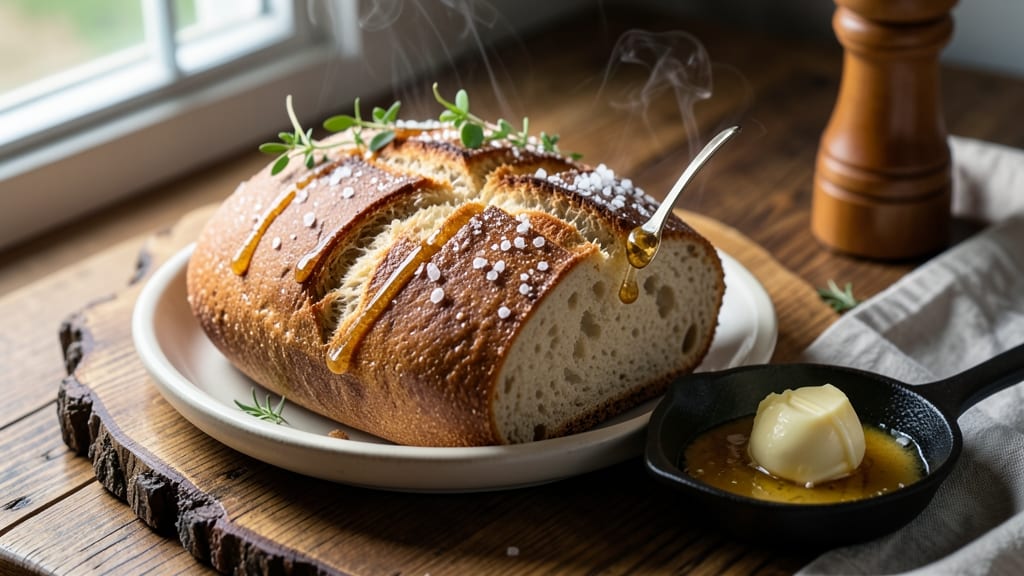
This Atk Irish soda bread recipe delivers the perfect balance of a buttery crust and tangy buttermilk core—just like your favorite Irish pub loaf. 💛 The secret lies in the traditional method of mixing dry ingredients first, then folding in buttermilk for that signature dense texture and subtle tang.
No yeast, no fuss, just pure, rustic flavor that comes together in under an hour.
What makes this recipe special is its simplicity and authenticity. By combining flour, baking soda, and buttermilk, you create a bread that’s naturally leavened, giving it that classic Irish soda bread texture—soft inside with a crisp, golden crust.
The buttermilk adds a gentle tang that pairs beautifully with butter, making every slice irresistible. It’s the kind of bread that feels like a hug in every bite.
Baking at 375°F for 35–45 minutes, this loaf develops a rich, caramelized crust while staying tender inside. The recipe also allows for easy variations—add raisins, seeds, or whole wheat flour to customize it to your taste.
Whether you’re serving it with soup or slathering it with butter for breakfast, this soda bread is a staple worth mastering.
The best part? It’s a foolproof recipe that works every time, even for beginners. No kneading, no waiting for yeast to rise—just mix, shape, and bake. Once you try this version, you’ll never go back to store-bought again. Let’s get started!
Ingredients for atk irish soda bread
Four cups of flour, a splash of buttermilk, and a touch of butter—this is all you need for that iconic Irish pub loaf.
| Ingredient | Amount | Notes |
|---|---|---|
| All-Purpose Flour 🌾 | 4 cups | Sifted for light texture |
| Baking Soda 🧂 | 1 tsp | Freshly measured for lift |
| Salt 🧂 | 1 tsp | Diamond Crystal preferred |
| Buttermilk 🥛 | 1 ½ cups | Room temperature for best mix |
| Unsalted Butter 🧈 | ½ cup | Cold, cubed for crust |
| Granulated Sugar 🍚 | ¼ cup | For subtle sweetness |
| Raisins 🍇 | ½ cup | Optional, plump variety |
| Coarse Cornmeal 🌽 | ¼ cup | For crispy crust texture |
| Milk 🥛 | ¼ cup | For brushing crust |
The flour is the foundation—King Arthur or Bob's Red Mill work best for that tender crumb. Baking soda and salt are non-negotiable; Diamond Crystal kosher salt dissolves perfectly, while aluminum-free baking soda ensures proper rise. Buttermilk? Store-bought is fine, but homemade (milk + vinegar) gives the deepest tang. For the butter, Plugrá or Land O'Lakes unsalted melts beautifully for that golden crust. Pro tip: If your buttermilk curdles, just whisk it back into smoothness—it's still good to go.
No buttermilk? Mix 1.5 tablespoons vinegar or lemon juice with 1.5 cups milk and let sit 5 minutes. Raisins giving you trouble? Soak them in warm water for 10 minutes first—they'll plump up and taste sweeter. Short on cornmeal? Toasted breadcrumbs or oats work too, but cornmeal gives that signature crunch. The sugar can be swapped for honey (reduce by 1 tbsp) or maple syrup, but it's worth keeping it simple here. And if you're feeling adventurous, swap half the flour for whole wheat or rye for a nuttier flavor.
This bread is best baked fresh, but leftovers keep 3-4 days wrapped in a cool, dark place. For reheating, wrap in foil and warm at 350°F for 10 minutes—it'll taste like it just came out of the oven. Freeze half the dough before shaping for up to 3 months—just bake straight from frozen, adding 5-10 minutes. Store-bought buttermilk? Use it within 1 week of opening for best results. And that crust? Brush with milk while warm for extra shine.
Why You'll Love This Recipe
- No Mixer Needed: Mixing this dough is basically kneading in the loosest sense—just fold the butter into the flour and buttermilk until it holds together. Honestly, my hands get tired less than when I make pizza dough, and the bread still turns out tender inside with that signature crust.
- Buttermilk Magic: That tangy buttermilk is the secret weapon—it keeps the bread moist for days without tasting sour. I’ll be real: I’ve tried milk, but this? It’s the only way. The butter adds richness, so you get that creamy bite that makes it hard to stop at one slice.
- Breakfast to Picnic: This bread is my go-to for lazy mornings (toast it with jam), packed lunches (sandwiches stay fresh), or even as a side for dinner. Between us, I’ve fed a crowd with one batch—just slice it thick, and it’s the star of any table.
- Budget-Friendly Staples: Flour, baking soda, salt, buttermilk, butter—these are ingredients you’re already buying. No fancy add-ins, no last-minute grocery runs. My wallet thanks me, and the leftovers? They last a week if you store them right. (Yes, even on a Tuesday night.)
Step-by-step instructions for Atk Irish soda bread
Here's how to make the perfect Irish soda bread with a crispy crust and tangy center.
👨🍳 Step 1: Mix Dry Ingredients for Light Texture
In a large mixing bowl, combine the 4 cups all-purpose flour, 1 teaspoon baking soda, and 1 teaspoon salt. I use a whisk to break up any flour clumps and ensure even distribution—this prevents dense pockets in your bread. Sift the flour first if your pantry version is heavy, but I've found whisking works just as well for this rustic recipe.
Next, add the 0.5 cup raisins (if using) and the 0.25 cup coarse cornmeal. The cornmeal gives that signature crispy crust texture, while the raisins add natural sweetness that balances the tangy buttermilk. Toss everything together until the raisins are evenly distributed throughout the dry ingredients.
🍳 Step 2: Cut in Cold Butter for Crust Perfection
Add the 0.5 cup cold, cubed unsalted butter to the dry mixture. Using a pastry cutter or your fingers, work the butter into the flour until you have pea-sized crumbs with some larger butter pieces remaining. The butter should coat the flour evenly but still leave some visible fat—this creates those beautiful flaky layers when baked.
I like to press the butter pieces into the flour mixture rather than overworking it. This ensures you get that signature Irish soda bread crust without developing gluten that would make the bread too dense. The cold butter also helps create steam during baking, which contributes to that perfect tangy interior.
🥘 Step 3: Combine Wet Ingredients for Tangy Core
In a separate bowl, whisk together the 1.5 cups buttermilk, 0.25 cup granulated sugar, and 0.25 cup milk. The buttermilk is key here—its acidity reacts with the baking soda to create lift and that signature tangy flavor. I always use room-temperature buttermilk for best results, as cold buttermilk can make the dough too stiff.
Make a well in the center of your dry ingredients and pour in the buttermilk mixture. Using a wooden spoon or spatula, gently fold everything together until just combined. The dough should come together but still look slightly shaggy—don't overmix or you'll develop too much gluten. When you press the dough, it should hold together but still feel slightly crumbly.
🔥 Step 4: Shape and Bake for Crispy Crust
Turn the dough out onto a lightly floured surface and gently shape it into a round loaf about 1 inch thick. I like to make a slight well in the center—this creates that beautiful cross shape when baked. Place the shaped dough on a parchment-lined baking sheet and brush the top generously with a little more milk for extra browning.
Preheat your oven to 375°F and bake for 45-50 minutes until the bread is deep golden brown and sounds hollow when tapped on the bottom. The internal temperature should reach 190-200°F. For that perfect crust, I like to bake it on the middle rack where the heat is most even.
⏰ Step 5: Cool and Serve for Maximum Flavor
Remove the bread from the oven and let it cool on a wire rack for at least 15 minutes before slicing. This resting time allows the internal structure to set and prevents a gummy texture. The crust should be crispy and the interior should have that signature tangy, slightly dense texture that Irish soda bread is known for.
Slice while still warm for the best texture—each piece should have that perfect balance of crispy crust, tender crumb, and buttery richness. Serve with your favorite butter or jam for the ultimate experience. This bread keeps well for 2-3 days at room temperature, though I find it's best enjoyed fresh from the oven.
Pro Tips For Making Atk Irish Soda Bread
- MEASURE BUTTERMILK ACCURATELY: The ATK recipe calls for 1 cup buttermilk, but store-bought varieties vary wildly in thickness. If yours looks like thin yogurt, measure by weight (240g) instead of volume—liquid buttermilk makes dough too sticky, and thick buttermilk makes it too dry. I learned this the hard way when my first loaf turned out like a brick.
- STOP WHEN THE BOTTOM SOUNDS HOLLOW: Irish soda bread is done when the bottom thumps like a drum, not when it’s golden. Overbaking dries it out—pull it out at 190°F (88°C) internal temp, cover with a towel, and let it rest 5 minutes. The crust will firm up; the crumb stays tender. (Yes, even if you’re impatient like me.)
- MIX DRY INGREDIENTS FIRST: Sift the flour, baking soda, and salt together before adding buttermilk—this prevents baking soda clumps that make uneven pockets of rise. I used to toss them in dry, and my bread would puff in lumpy spots. A quick 10-second sift with a whisk makes all the difference.
- USE A DAMP TOWEL FOR CRUST: The ATK recipe skips butter on top, but if you want a crisp crust without drying the loaf, brush the baked bread with melted butter after it cools. For extra shine, wrap the warm loaf in a damp towel for 10 minutes—steam keeps the crumb soft while the crust sets. (Your future self will thank you.)
Make-ahead tips for this atk irish soda bread
Dough Prep Ahead
Shape your dough into a loaf and wrap it tightly in plastic wrap, then place it in an airtight container in the fridge for up to 2 days. This gives the flavors time to meld beautifully without overworking the gluten.
When ready to bake, simply remove it from the fridge, let it sit at room temperature for 30 minutes, then bake as directed. The cold dough will create extra steam during baking, enhancing that signature tangy crust. 🌱
Freezer-Friendly Dough
For longer storage, shape the dough and freeze it on a parchment-lined tray for 1 hour to firm up. Then wrap it tightly in plastic wrap and store in a freezer bag for up to 3 months.
To bake from frozen, place the wrapped dough in the fridge overnight to thaw slowly, then bake as usual—just add 5-10 minutes to the baking time. This method preserves the texture perfectly, so you always have fresh soda bread on hand. ❄️
Baked Bread Storage
Let your fully baked bread cool completely, then wrap it in foil and store at room temperature for 3-4 days. For longer storage, slice the bread and freeze individual portions on a tray before transferring to a freezer bag.
Reheat slices in a toaster or oven at 350°F for 5 minutes—they’ll taste just like fresh-baked. The foil keeps the crust crispy while preserving the tender interior. 💫
Make-Ahead Jam Glaze
Prep a simple jam glaze ahead of time by mixing 2 tablespoons jam with 1 tablespoon milk in a small bowl. Store it in the fridge for up to 5 days.
Just brush this glaze on warm bread straight from the oven for a sweet contrast to the tangy buttermilk. I love using strawberry or raspberry jam for a classic touch. This shortcut adds restaurant-quality flair with zero extra effort. 🍓
Batch Baking Tips
Double the recipe and bake two loaves at once by placing them on the middle and lower racks of your oven. Swap their positions halfway through baking for even browning. Label each loaf with the date and store one in the fridge while enjoying the other fresh.
This way, you always have soda bread ready for breakfast or tea time without last-minute baking. 📅
Reviving Stale Bread
If your soda bread loses its crispness, don’t toss it! Wrap it in damp paper towels and microwave for 20-30 seconds to revive the moisture. For a crispy crust, place slices on a baking sheet and warm in a 350°F oven for 5 minutes.
This trick works wonders for leftovers, turning them back into that perfect buttery, tangy loaf. 🔥
Nutrition facts
Frequently asked questions
Why does Irish soda bread need baking soda instead of yeast?
Traditional Irish soda bread relies on baking soda for quick leavening—no waiting for yeast to rise! The baking soda reacts with the acidity in buttermilk, creating carbon dioxide bubbles that give the bread its signature dense yet airy texture. This method works perfectly for rustic breads that don't require long fermentation.
Can I make this soda bread without buttermilk?
Mix 1.5 tablespoons vinegar or lemon juice with 1.5 cups milk and let it sit for 5 minutes to mimic buttermilk's tang. This substitution works equally well for the chemical reaction with baking soda, though the flavor will be slightly milder. For extra richness, add 1 tablespoon melted butter to the wet ingredients.
How do I know when my soda bread is fully baked?
Your bread is done when it's deep golden brown and sounds hollow when tapped on the bottom (like a drum!). The internal temperature should reach 190-200°F. If the top browns too quickly, tent loosely with foil after 20 minutes to prevent over-browning while the center cooks through.
Why did my soda bread turn out dense instead of tender?
Overmixing the dough develops too much gluten, making the bread tough. Stop mixing as soon as the ingredients come together—it should look shaggy, not smooth. Also ensure your baking soda is fresh (old baking soda loses potency) and that you're using room-temperature buttermilk for proper hydration.
What are some great ways to serve this soda bread?
This bread shines with butter and jam for breakfast, alongside soups or stews for dinner, or toasted with cheese and honey for tea time. For a savory twist, try it with Irish smoked salmon or whipped feta. The crispy crust also makes great croutons for salads!