
Side Dishes
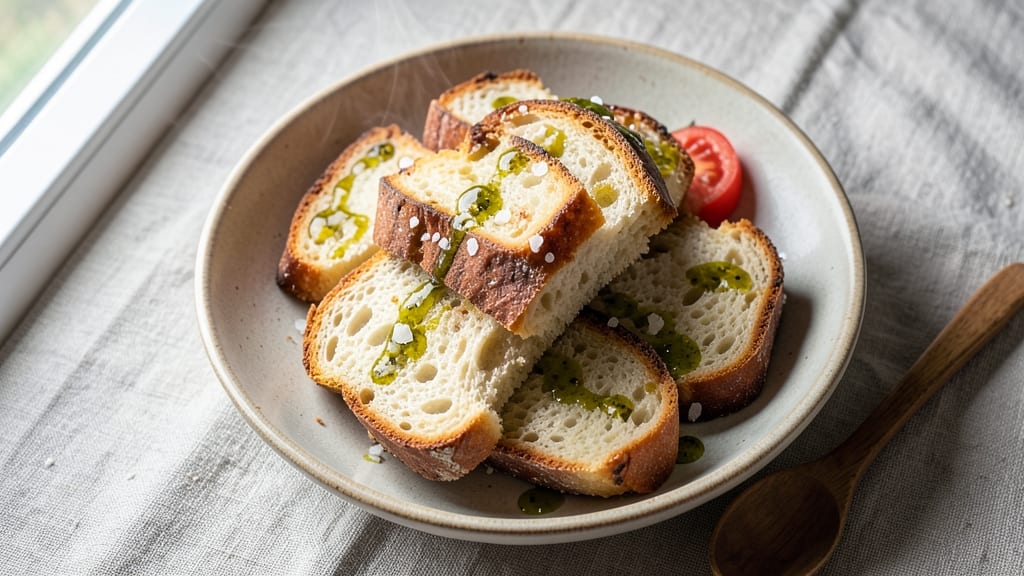
This Asphodel bread recipe transports you straight to ancient Greece with its golden crust and tender crumb—no honey needed. 🌟 A staple in Byzantine kitchens, this traditional olive oil bread was once made with asphodel root flour, though modern versions use all-purpose flour for accessibility.
The magic lies in its simplicity: just flour, water, and olive oil, baked to perfection. What makes this recipe special is its historical depth and modern versatility. Originally a sweet bread served during religious festivals, today it’s enjoyed as a breakfast staple or side dish.
The dough’s elasticity comes from kneading it thoroughly, creating a slightly chewy texture that pairs beautifully with olive oil, tomatoes, or even as a base for open-faced sandwiches.
By the time it emerges from the oven, you’ll have a fragrant loaf with a crispy crust and soft interior—proof that ancient techniques still deliver modern magic. The absence of honey keeps it vegan-friendly while preserving its authentic flavor profile.
This bread is more than a recipe; it’s a taste of history. Perfect for brunch, pairing with soups, or serving alongside Greek salads. Let’s bake this timeless classic.
Ingredients for asphodel bread
Ancient simplicity meets modern baking: just flour, olive oil, and yeast for this timeless loaf.
| Ingredient | Amount | Notes |
|---|---|---|
| All-Purpose Flour 🌾 | 4 cups | Sifted for optimal texture |
| Extra-Virgin Olive Oil 🫒 | ¾ cup | High-quality, fruity variety |
| Warm Water 💧 | 1 ½ cups | Room temperature preferred |
| Active Dry Yeast 🍞 | 1 package | 2.25 tsp (1 packet) |
| Fine Sea Salt 🧂 | 1 ½ tsp | Diamond Crystal preferred |
| Granulated Sugar 🍚 | 1 tbsp | Optional for slight sweetness |
| Sesame Seeds 🌻 | 2 tbsp | For topping (optional) |
The olive oil is the soul of this bread—look for extra-virgin with a fruity, peppery finish from brands like Colavita or California Olive Ranch. Grocery stores often carry decent options, but specialty shops or farmers' markets offer superior quality. The yeast should be fresh (test by dissolving in warm water with a pinch of sugar—it should foam within 5-10 minutes). For flour, King Arthur or Bob's Red Mill brands yield consistent results. The dough's elasticity comes from thorough kneading, so don't rush this step—it's what creates that signature chewy texture.
No extra-virgin olive oil? Light or pure olive oil works in a pinch, though flavor will be milder. Short on yeast? Instant yeast can be used at the same amount, but active dry requires the 5-minute activation step. The sugar is optional but enhances browning—maple syrup or agave can substitute for a vegan-friendly alternative. For sesame seeds, toasted for 2-3 minutes in a dry pan before sprinkling intensifies flavor. The dough can be made ahead and refrigerated overnight for deeper flavor development.
This loaf keeps beautifully—wrap tightly in parchment and foil for up to 3 days at room temperature or freeze for 3 months. For reheating, warm in a 350°F oven for 5-10 minutes to restore crispness. The bread pairs perfectly with olive oil drizzled over tomatoes or as a base for open-faced sandwiches. Portion into individual servings for easy storage and grab-and-go breakfast options.
Why You'll Love This Recipe
- No Yeast Fuss: Honestly, the dough comes together in five minutes—just flour, olive oil, warm water, and a pinch of salt. No kneading, no waiting for yeast to bloom, just mix, rest, and bake. That’s real low-effort baking right there.
- Olive Oil Magic: That rich, fruity olive oil soaks into every bite, giving it a tender crumb and a subtle depth. It’s not just bread—it’s flavor-packed bread that tastes like a Mediterranean vacation in your mouth.
- Weeknight Workhorse: Toss a loaf in the oven while you prep dinner—it’s ready when you are. Slice it fresh for toast, pack it for lunches, or serve it warm with olive oil and salt. It’s the kind of bread that actually gets used up.
- Budget-Friendly Staple: Five ingredients, zero waste, and it keeps for days. Split the cost with a friend or freeze half for later—this is the bread that makes grocery bills stretch without sacrificing taste. (Yes, even on a Tuesday night.)
Step-by-step instructions for ancient Greek olive oil bread
Transform simple ingredients into a rustic loaf with ancient Mediterranean roots.
👨🍳 Step 1: Activate the Yeast for Maximum Rise
In a small bowl, combine the 1.5 cups warm water, 1 tbsp granulated sugar, and 1 package active dry yeast. Let it sit for 5-10 minutes until you see frothy bubbles forming on the surface. This indicates the yeast is active and ready to work.
I always check for bubbles by gently swirling the bowl—you should see small bubbles breaking on the surface. If no bubbles form after 10 minutes, your yeast may be inactive. In that case, start fresh with a new package, as dead yeast will result in a dense, flat loaf.
👨🍳 Step 2: Mix the Dough with Olive Oil Magic
In a large mixing bowl, whisk together the 4 cups all-purpose flour and 1.5 tsp fine sea salt. Create a well in the center and pour in the yeast mixture along with the 0.75 cup extra-virgin olive oil. Using a wooden spoon or dough whisk, gradually incorporate the ingredients until a shaggy dough forms.
This is where the olive oil transforms your bread—it creates a tender crumb and that signature moist texture. Once the dough comes together, turn it out onto a lightly floured surface and knead for 8-10 minutes until smooth and elastic. You'll know it's ready when it springs back slowly when pressed with your finger.
⏰ Step 3: Let the Dough Rest and Rise
Place the dough in a lightly oiled bowl, cover with a damp kitchen towel, and let it rise in a warm place for 1-2 hours or until doubled in size. I like to place my bowl on top of my oven with the light on to create a consistent warm environment.
Don't rush this step—the slow rise develops the gluten structure and allows the yeast to work its magic. You'll see the dough puff up noticeably and develop small bubbles on the surface. If it rises too quickly, your bread may collapse during baking.
🔥 Step 4: Shape and Second Rise
Punch down the risen dough to release air, then shape it into a round loaf by pulling the edges toward the center and sealing the seam. Place it on a parchment-lined baking sheet and cover again with the damp towel. Let it rise for another 30-45 minutes until puffy.
For extra flavor, I brush the top with a little olive oil before baking. This creates a beautiful golden crust and enhances that Mediterranean aroma. Preheat your oven to 375°F while the dough finishes its final rise—hot ovens ensure even baking.
🔥 Step 5: Bake to Golden Perfection
Bake the loaf for 25-30 minutes until it's golden brown and sounds hollow when tapped on the bottom. The crust should be crisp while the interior remains soft and pillowy. For that authentic look, I sprinkle 2 tbsp sesame seeds on top right before baking.
Let the bread cool on a wire rack for at least 15 minutes before slicing—this prevents a gummy interior. The aroma alone will transport you to ancient Greek markets, where this simple yet magical bread was a staple.
Pro Tips For Making Asphodel Bread
- Mix by Hand: DESCRIPTION: Skip the stand mixer—this dough needs the gentle, even kneading only your hands can give. The olive oil makes it slippery, so work it on a lightly floured surface until it’s smooth and just slightly tacky (about 8-10 minutes). I learned the hard way that overmixing develops gluten too much, turning your bread into a dense brick instead of that light, airy texture.
- Bloom Yeast in Oil: DESCRIPTION: Instead of dissolving yeast in water, mix it with a teaspoon of the olive oil first. The fat coats the yeast cells, waking them up faster and making them more resilient to the dough’s high oil content. My grandmother swore by this—yes, even if you’re impatient like me—and the dough always rises twice as fast.
- Proof Until Doubled: DESCRIPTION: Don’t rush the proofing. Place the dough in a warm spot (like a turned-off oven with the light on) and let it rise until it’s almost too big for the bowl—then give it another 30 minutes. The olive oil slows fermentation, so you’ll need patience here. Trust me, skipping this step means a dense, gummy loaf instead of that perfect, pillowy crumb.
- Bake in Two Stages: DESCRIPTION: Start with a hot oven (425°F) for the first 10 minutes to get that golden crust going, then drop to 375°F for the rest. The olive oil makes the bread greasy if you bake it too hot too fast. I was skeptical until I tried it—now it’s non-negotiable for crispy edges and a soft center.
Creative variations of this dish
Traditional Greek Festival Loaf
In ancient Greece, this bread was a sacred offering during religious festivals, particularly in honor of Demeter, goddess of harvest. The original recipe used asphodel root flour, a rare ingredient today, but modern versions substitute with all-purpose flour while keeping the spirit alive.
For an authentic touch, serve slices drizzled with extra-virgin olive oil and sprinkled with crushed pistachios—a nod to Byzantine traditions. 🌟
Mediterranean Olive Oil Twist
Elevate the classic recipe by infusing the dough with 1 tbsp finely chopped fresh rosemary or 1 tsp ground fennel seeds during mixing. These herbs add aromatic depth that pairs beautifully with the olive oil.
For a smoky flavor, replace ½ cup of water with ½ cup strong Greek coffee—this creates a rich, slightly bitter contrast that’s popular in modern Greek bakeries.
Sweet Variations
Skip the granulated sugar and sweeten naturally with 2 tbsp honey (for non-vegans) or 1 tbsp maple syrup (vegan). Add ½ cup dried figs or apricots, chopped, to the dough for a fruity surprise.
For a crunchy topping, mix 1 tbsp sesame seeds with 1 tbsp cinnamon before baking. This version works wonderfully as a dessert bread or breakfast toast.
Savory Herb & Cheese
Transform this into a savory loaf by omitting sugar entirely and adding ½ cup crumbled feta cheese (or vegan feta) and 2 tbsp chopped fresh dill to the dough. For extra richness, brush the baked loaf with olive oil and sprinkle with flaky sea salt.
This variation is perfect alongside soups or as a base for open-faced sandwiches with tomatoes and cucumbers.
Gluten-Free Adaptation
For a gluten-free version, replace the all-purpose flour with a 1:1 gluten-free flour blend (like Bob’s Red Mill) and add 1 tsp xanthan gum to improve texture. Reduce the water to 1 cup and increase the olive oil to 1 cup for moisture.
Let the dough rest for 30 minutes after mixing to hydrate properly. While the texture will differ, the olive oil magic remains intact. 💪
Make-Ahead Festival Bread
Prepare the dough a day ahead and refrigerate it overnight for deeper flavor development. Shape and let it rise at room temperature before baking. This method enhances the yeast’s activity, resulting in a lighter crumb.
For a festive touch, bake two small loaves and fill the center with spiced apple compote before serving—ideal for holiday gatherings or special occasions. 🎉
Nutrition facts
Frequently asked questions
What makes this bread traditionally Greek?
This recipe preserves ancient Greek traditions by using olive oil as the primary fat and omitting animal products, making it vegan-friendly. The original version used asphodel root flour (now rare), but modern adaptations keep the spirit alive through simple ingredients and rustic shaping. It was historically offered in religious festivals as a sacred loaf.
Can I substitute the sesame seeds with something else?
Try poppy seeds, crushed walnuts, or even everything bagel seasoning for a modern twist. For authenticity, stick with sesame seeds—they complement the olive oil beautifully. Just sprinkle them on before the final 5 minutes of baking to prevent burning.
Why does my dough feel too sticky?
This bread relies on olive oil for moisture, so stickiness is normal! Gradually add 1-2 tbsp more flour only if needed, but don't overdo it—the dough should be soft but manageable. If it's too wet after kneading, let it rest uncovered for 10 minutes before shaping to absorb excess moisture.
How do I store leftovers to keep them fresh?
Wrap the cooled loaf tightly in parchment paper followed by foil to lock in moisture. It stays fresh for 3 days at room temperature or 3 months in the freezer. To revive stale slices, warm them in a 350°F oven for 5 minutes with a splash of water on a plate below.
What's the best way to serve this bread?
Drizzle with extra-virgin olive oil and serve with tomato slices, hummus, or as a base for open-faced sandwiches. For breakfast, toast slices and top with avocado mash and flaky salt. The neutral flavor makes it incredibly versatile—pair it with anything from soups to Greek salads!