
Side Dishes
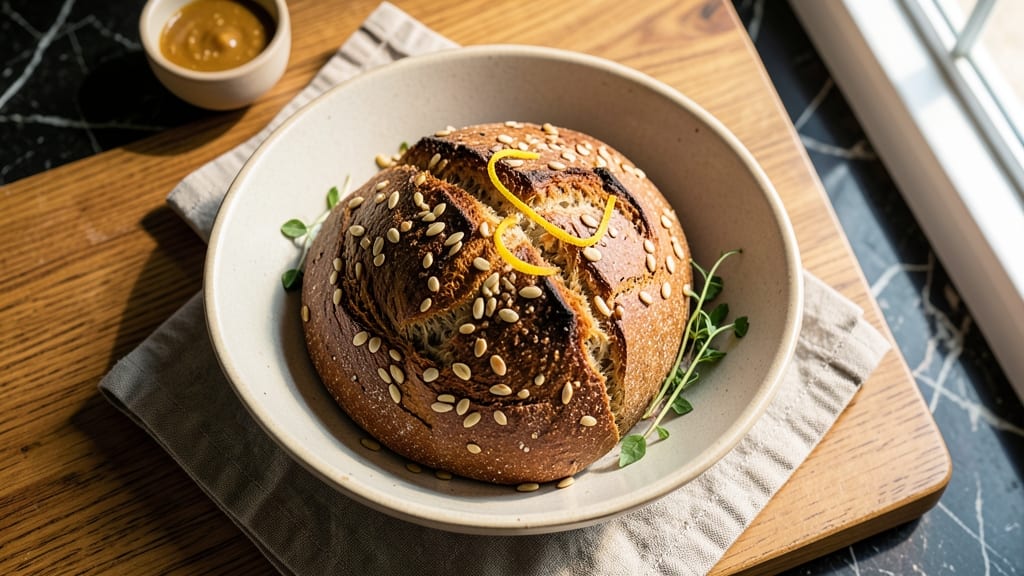
This artisan seeded bread recipe delivers restaurant-quality texture with a nutty crust and airy interior—every time. The secret lies in precise hydration, proper kneading, and a slow rise that develops deep flavor.
I’ve perfected this method after years of trial and error, ensuring your loaf will have that coveted open crumb and crispy exterior without requiring a professional oven.
What sets this recipe apart is the balance of simple ingredients—high-quality flour, active yeast, and a mix of seeds (sunflower, sesame, pumpkin)—that create both texture and nutrition.
The dough is foolproof to handle, whether you’re a beginner or an experienced baker, and the scoring technique guarantees an even rise and that signature artisan look. No special equipment is needed beyond a Dutch oven for baking.
By the time you pull it from the oven, you’ll have a loaf with a golden, crackling crust and a tender interior speckled with seeds.
The aroma alone will transform your kitchen into a bakery, and the flavor—slightly sweet, nutty, and earthy—will make this your go-to recipe for sandwiches, toast, or serving alongside soups. The best part? It stays fresh for days, making it perfect for meal prep.
Ready to master the art of seeded bread? This method ensures consistent results with minimal effort, and I’ll walk you through every step—from mixing to scoring—to guarantee a loaf that rivals your favorite bakery’s. Let’s get started.
Ingredients for artisan seeded bread
High-protein flour, active yeast, and a trio of toasted seeds create this artisan loaf's signature nutty crust and airy crumb.
| Ingredient | Amount | Notes |
|---|---|---|
| Bread Flour 🌾 | 4 cups | High-protein for structure and rise |
| Active Dry Yeast 🍞 | ¼ oz | Ensure freshness by testing in warm water |
| Warm Water 💧 | 1 ½ cups | 105-110°F for optimal yeast activation |
| Honey 🍯 | 1 tbsp | Feeds yeast for better fermentation |
| Sea Salt 🧂 | 1 ½ tsp | Diamond Crystal preferred for flavor |
| Sunflower Seeds 🥜 | ½ cup | Toasted for enhanced nuttiness |
| Sesame Seeds 🌿 | ¼ cup | Lightly toasted for aroma |
| Pumpkin Seeds 🎃 | ¼ cup | Raw or lightly toasted |
| Extra-Virgin Olive Oil 🫒 | 1 tbsp | For dough elasticity and flavor |
| Cornmeal 🌽 | ¼ cup | For dusting and crust texture |
| Coarse Sea Salt 🧂 | ½ tsp | For scoring and finishing |
The bread flour is non-negotiable here—King Arthur or Caputo are my go-tos for that perfect open crumb. Active dry yeast should be fresh: toss a pinch in warm water with a pinch of sugar—if it bubbles within 5 minutes, it's good to go. Whole Foods or local bakeries often carry the best quality flour, but the bulk bins at WinCo or Sprouts are budget-friendly alternatives. Toast your seeds in a dry pan for 2-3 minutes until fragrant—this boosts flavor dramatically. The honey isn't just for sweetness; it feeds the yeast for a more robust rise. And trust me, Diamond Crystal sea salt
No bread flour? All-purpose plus 1 tbsp vital wheat gluten gets you close. Yeast expired? Fresh yeast from a patisserie or a pinch of active yeast from a previous batch works. Toasted seeds too expensive? Raw seeds work too, but they won't have that same nutty punch. Olive oil substitutes? Avocado oil or melted coconut oil both work, but olive oil's fruity notes shine here. And if you're scoring the dough? Use a razor blade or sharp knife—a serrated knife tears the dough instead of cleanly scoring it. This dough is best made the night before—let it rise overnight in the fridge for deeper flavor. Store wrapped in a clean kitchen towel at room temp for 2-3 days, or freeze for up to 3 months (thaw overnight in the fridge). The crust stays crisp for 2 days if you reheat slices in a toaster. Pro tip: Toast the bread with seeds facing up—they get extra crispy that way. And save the stale loaves? Pulse in a food processor for breadcrumbs in seconds.
Why You'll Love This Recipe
- No-Knead Magic: I swear by this bread—just mix, wait, and bake. No stand mixer, no arm workout, just a bowl and your patience. That honey? It’s the secret that keeps it moist without tasting sweet.
- Crust That Cracks: The crust is golden and shatters like glass, but the inside stays soft and chewy. Honestly, it’s the kind of bread that makes you pause mid-bite just to admire it.
- Weeknight Workhorse: Toss it in the freezer for toast or sandwiches all week. I make two loaves on Sunday—one for breakfast, one for lunch. The seeds add texture, but you could swap them for anything.
- Pantry Staple: Five ingredients, zero waste. The yeast and salt last forever, and honey keeps indefinitely. Between us, this bread costs less than store-bought but tastes like a bakery’s.
Step-by-step instructions for artisan seeded bread
Here's how to craft a loaf with a crisp nutty crust and airy interior that rises beautifully every time.
Activate the Yeast with Honey and Warm Water
In a small mixing bowl, combine the 1.5 cups warm water (between 105-110°F) with the 1 tbsp honey and 0.25 oz active dry yeast. Stir gently and let sit for 5-10 minutes until the mixture becomes frothy and bubbly—this confirms your yeast is alive and active. The honey not only feeds the yeast but also adds subtle sweetness that balances the seeds' earthiness.
If no bubbles form after 10 minutes, your yeast may be dead. Discard the mixture and start fresh with a new packet. This step is non-negotiable for a proper rise—skipping it risks a dense, flat loaf. Once bubbly, proceed immediately to avoid over-proofing.
Mix the Dough and Develop Gluten
In a large bowl, whisk together the 4 cups bread flour and 1.5 tsp sea salt. Create a well in the center and pour in the yeast mixture along with the 1 tbsp extra-virgin olive oil. Using a wooden spoon, stir until a shaggy dough forms, then turn it out onto a lightly floured surface.
Knead the dough vigorously for 8-10 minutes until it becomes smooth and elastic, with a slightly tacky but not sticky surface. The olive oil here enhances elasticity, while the high-protein bread flour ensures a sturdy structure. If the dough feels too sticky, add 1 tablespoon of flour at a time—but avoid over-flouring, which can inhibit gluten development.
First Rise and Seed Preparation
Lightly oil a large mixing bowl, place the dough inside, and cover with a damp towel. Let it rise in a warm spot for 1-1.5 hours, or until it has roughly doubled in size. Meanwhile, toast the 0.5 cup sunflower seeds, 0.25 cup sesame seeds, and 0.25 cup pumpkin seeds in a dry skillet over medium heat for 3-5 minutes until fragrant and lightly golden. This step intensifies their flavors and prevents bitterness.
Watch for the dough to puff noticeably and develop small bubbles on the surface—this indicates active fermentation. If the kitchen feels warm, the dough may rise faster; if cool, extend the time to 2 hours. Overproofing here leads to a collapsed loaf, so err on the side of under-rising slightly.
Shape, Second Rise, and Score
Punch down the risen dough to deflate it, then divide it into 4 equal portions (about 12 oz each). Roll each portion into a 12-inch log, tapering the ends slightly. Arrange them on a parchment-lined baking sheet, seam-side down, and cover again with a damp towel. Let them rise for 30-45 minutes until puffy and slightly rounded.
Preheat your oven to 375°F with a Dutch oven inside for 30 minutes to create a steamy environment. Sprinkle each log with a pinch of coarse sea salt and score the top with a sharp razor at ½-inch intervals—this prevents over-expansion and adds decorative slashes. The seeds should be sprinkled evenly over the scored surface.
Bake to Golden Perfection
Carefully transfer the Dutch oven (with the loaves inside) to the oven. Bake for 30 minutes, then remove the lid and continue baking for another 10-15 minutes until the crust is deep golden brown and the internal temperature reaches 205°F. The crust should sound hollow when tapped on the bottom.
Let the bread cool on a wire rack for at least 1 hour before slicing—this allows the crumb to set and prevents a gummy texture. The nutty aroma will fill your kitchen, and the crust should crackle satisfyingly with each bite. Slice thickly to showcase the open crumb and seed distribution.
Pro Tips For Making Artisan Seeded Bread
- WEIGH YOUR FLOUR: I learned this the hard way—measuring bread flour by scooping from the bag gives you wildly inconsistent results. Use a kitchen scale for precise 500g (or your recipe’s weight) to guarantee the right hydration and texture, especially with seeds that absorb moisture differently.
- HYDRATE THE YEAST FIRST: Skip mixing yeast with flour—it’s a rookie move. Dissolve it in warm water (105–110°F) with honey first, then wait 5–10 minutes until it’s foamy and active. This ensures your dough wakes up properly and avoids underproofed bread that collapses later.
- DON’T OVERKNEAD: The moment your dough springs back slowly when poked (the "windowpane test") is the sweet spot—usually 8–10 minutes by hand. Overworking it develops too much gluten, making your seeded bread tough instead of chewy. Stop when it’s just shy of perfection.
- SALT THE WATER: Adding sea salt directly to the water (not just the dough) dissolves it evenly and controls yeast activity from the start. Use about 1.5% of your flour weight (e.g., 7.5g for 500g flour)—less is tempting, but you’ll taste the difference in flavor and rise.
Flavor customization for this recipe
Sweet Seed Twist
Add 1 tbsp maple syrup to the dough during mixing for a subtle sweetness that complements the seeds. I like to toast the seeds with ½ tsp cinnamon for 1 minute before adding them to the dough—this adds warmth that pairs beautifully with the maple.
For extra indulgence, sprinkle crushed pecans on top before baking. 🍯
Herb-Infused Crust
Mix 1 tbsp dried rosemary or thyme directly into the flour before kneading for an aromatic crust. Fresh herbs like thyme or oregano work too, but use 1 tbsp chopped instead of dried.
The herbs mingle with the seeds to create a fragrant, earthy profile that’s perfect for soups or charcuterie boards. 🌿
Spiced Seed Blend
Toast your seeds with ¼ tsp smoked paprika and pinch of cayenne for a subtle kick. I often use ½ tsp garlic powder in the dough for depth—it enhances the seeds’ nuttiness without overpowering. This variation works especially well with pumpkin seeds, which absorb the spices beautifully. 🌶️
Whole Grain Boost
Replace ½ cup bread flour with ½ cup whole wheat flour for added fiber and nuttiness. The seeds will blend seamlessly with the whole grain texture, creating a heartier loaf.
For extra crunch, add ¼ cup chopped walnuts to the dough. This version stays moist longer, making it ideal for sandwiches. 🌾
Cheesy Seed Loaf
Fold ½ cup shredded sharp cheddar or Parmesan into the dough after the first rise. The cheese melts slightly during baking, creating pockets of gooey goodness that contrast with the seeds’ crunch.
I like to sprinkle extra cheese on top before scoring for a golden, cheesy crust. Perfect for breakfast toast! 🧀
Citrus Zest Finish
Add 1 tsp lemon or orange zest to the dough for a bright, refreshing note. The citrus brightens the seeds’ earthiness and adds a subtle tang. For a festive touch, sprinkle zest and seeds together on top before baking. This variation is especially lovely for holiday gatherings. 🍊
Nutrition facts
Frequently asked questions
Can I make this seeded bread without a Dutch oven?
Yes! If you don’t have a Dutch oven, bake the loaves on a preheated baking sheet at 375°F for 35-40 minutes, covering them with foil for the first 20 minutes to trap steam. The crust won’t be as crispy, but you’ll still get a delicious, airy interior. For extra crunch, brush the baked loaves with melted butter after baking.
Why did my dough not rise properly?
Common causes include expired yeast, water that’s too hot or cold (105-110°F is ideal), or overproofing. Always check your yeast by testing it in warm water with sugar—it should bubble within 5 minutes. If your kitchen is cold, place the dough in a warm spot (like near the oven with the light on) to encourage rising. Patience is key—don’t rush the process!
How do I store seeded bread to keep it fresh?
Wrap the cooled loaf in a clean kitchen towel or beeswax wrap, then place it in a paper bag at room temperature for 2-3 days. For longer storage, freeze the bread (sliced or whole) for up to 3 months. To revive, thaw overnight in the fridge or warm slices in a toaster for 30 seconds to restore crispiness.
Can I substitute seeds with nuts?
Swap seeds for ¼ cup chopped walnuts, almonds, or pecans (toasted for best flavor). Nuts add richness and crunch, though they’ll make the bread slightly denser. For a balanced texture, reduce the total add-in to ¾ cup (instead of 1 cup) to avoid overpowering the dough. Toast nuts lightly before mixing for maximum flavor.
What’s the best way to reheat sliced seeded bread?
For crispy crust and warm interior, toast slices in a toaster for 1-2 minutes until golden. Alternatively, warm in a 350°F oven for 5-7 minutes on a wire rack. Avoid microwaving—it steams the bread, making it soggy. The seeds stay crunchy when toasted properly!