
Side Dishes
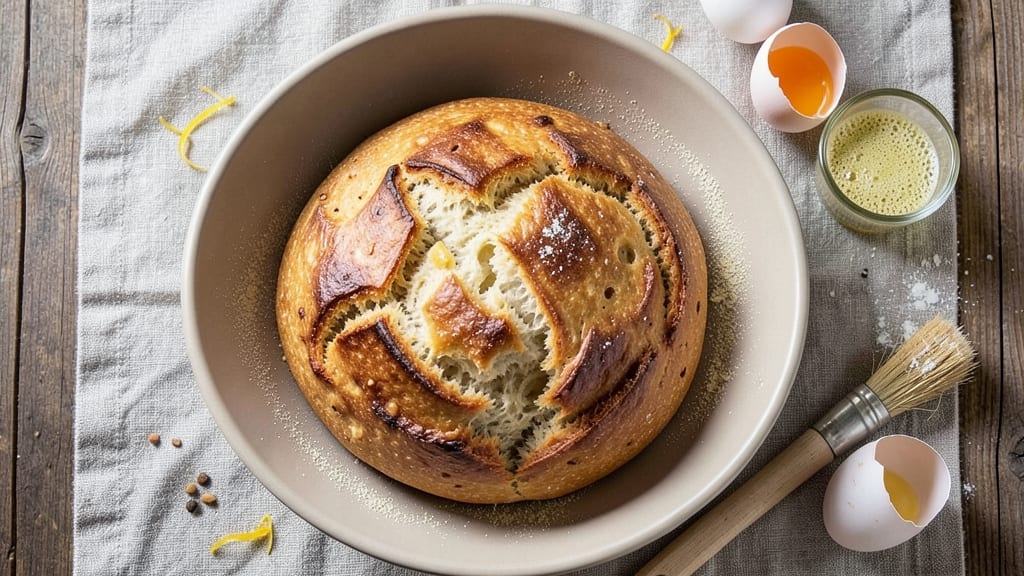
This Arthur flour bread recipe delivers the perfect balance of a crisp, golden crust and an airy, pillowy interior—just like your favorite bakery loaf. The secret lies in the yeast activation process, which creates that signature lightness and fluffy texture that sets it apart from ordinary bread.
With a few simple ingredients and careful timing, you can achieve professional-quality results in your home oven.
What makes this recipe stand out is the methodical approach to dough development, ensuring maximum rise and even baking. The dough requires a moderate kneading time to strengthen the gluten, followed by precise proofing to allow the yeast to work its magic.
This attention to detail transforms basic ingredients into a loaf that's impossible to resist.
Once baked, you'll be rewarded with a loaf that has a crisp exterior and a soft, airy crumb—ideal for slicing thick for sandwiches or serving warm with butter.
The recipe includes optional steps for enhancing the crust, such as an egg wash or sprinkling of toppings, to customize it to your taste.
Perfect for feeding a family or sharing with neighbors, this bread is as satisfying to make as it is to eat. Let's get started on creating your own bakery-style loaf at home.
Ingredients for arthur flour bread
Arthur's flour brings bakery-style perfection to your kitchen with just twelve simple ingredients.
| Ingredient | Amount | Notes |
|---|---|---|
| Arthur's All-Purpose Flour 🌾 | 4 cups | Sifted for even texture |
| Active Dry Yeast 🍞 | 2 ¼ tsp | Freshly measured, not expired |
| Warm Water 💧 | 1 ¼ cups | 110°F for optimal yeast activation |
| Granulated Sugar 🍚 | 1 tbsp | For yeast activation |
| Unsalted Butter 🧈 | ½ cup | Softened, room temperature |
| Large Eggs 🥚 | 1 whole | Room temperature for even mixing |
| Diamond Crystal Kosher Salt 🧂 | 1 ½ tsp | Adjust to taste after kneading |
| Whole Milk 🥛 | ¼ cup | Warmed for better dough elasticity |
| Cornmeal 🌽 | ¼ cup | For dusting bread pan |
| Large Eggs 🥚 | 1 whole | For egg wash (optional) |
| Coarse Sea Salt 🧂 | 1 tbsp | For sprinkling on crust (optional) |
| Sesame Seeds 🌿 | 2 tbsp | For decorative topping (optional) |
The Arthur's All-Purpose Flour is the star here—it's specifically formulated for bread baking, with a higher protein content that develops gluten beautifully. Buy it in bulk from King Arthur Flour's website or grab a bag at Williams Sonoma if you prefer in-store shopping. The flour should be stored in an airtight container to prevent moisture absorption. For the yeast, check the expiration date—it should be fresh, not that sad lump at the bottom of the canister. The warm water is crucial: too hot and you'll kill the yeast, too cold and it won't activate properly. Use an instant-read thermometer to hit 110°F—this is non-negotiable for that perfect rise.
No active dry yeast? Instant yeast works at half the amount, but you'll need to adjust the activation time. The butter should be soft but not melted—press your finger into it and it should leave a slight indent. Short on whole milk? Warm watered-down evaporated milk mimics the fat content nicely. For the optional egg wash, if you're avoiding eggs, plant-based milk plus a splash of olive oil creates a similar golden sheen. The sesame seeds can be swapped for poppy seeds or everything bagel seasoning if you're feeling adventurous—just make sure to toast them first for maximum flavor.
This dough is best made fresh, but you can prep it up to 12 hours ahead—just cover it tightly and refrigerate. Let it sit at room temperature for 1 hour before shaping. The baked loaf keeps well wrapped at room temperature for 3 days, but it's best enjoyed fresh. For longer storage, slice and freeze individual portions—toast directly from frozen for crispy results. If you bake a second loaf, freeze it whole and thaw overnight in the fridge for sandwiches. The crust gets even crisper when reheated in a 350°F oven for 5 minutes—perfect for serving with butter.
Why You'll Love This Recipe
- Five-Ingredient Magic: I swear by this recipe because it’s that simple—just flour, yeast, water, sugar, and butter. No fancy mixers, no measuring cups that never fit right. Honestly, I’ve made it in my dorm kitchen, my first apartment, and now my cramped city space. The dough comes together in minutes, and the taste? Worth every second.
- Buttery Soft Crust: That unsalted butter in the dough? It’s the star. The bread turns out tender inside with a crust that’s crisp enough to hold your jam but soft enough to eat straight from the pan. I’ll be real: I’ve burned toast before, but this bread? Even my picky husband asks for seconds.
- Weeknight & Holiday: Between us, this is my go-to for everything. Toast it for breakfast, slice it for sandwiches, or serve warm with dinner—it’s always a hit. (Yes, even on a Tuesday night.) And if you’re hosting? Double the batch. It freezes beautifully, so you’re covered for last-minute guests.
- Budget-Friendly Staple: Arthur’s flour is affordable, and you’re using pantry basics. A single batch feeds my family of four, and leftovers last days. I keep a loaf in the freezer for lazy mornings or when I forget to grocery shop. Solid, reliable, and my secret weapon for not stressing over bread.
Step-by-step instructions for Arthur's flour bread recipe
Here's how to craft a loaf with a crisp crust and airy interior using Arthur's flour.
Activate the Yeast with Warm Water and Sugar
In a small bowl, combine the 1.25 cups warm water (tested at 110°F) with 1 tbsp granulated sugar and 2.25 tsp active dry yeast. Let it sit for 5-10 minutes until frothy—this confirms the yeast is alive and ready to work. If nothing happens, your yeast might be expired, and you'll need to start over.
I like to check the water temperature with a thermometer to ensure it's not too hot (above 120°F kills yeast) or too cool (below 100°F slows activation). The mixture should bubble vigorously, filling the bowl with a yeasty aroma. This step is non-negotiable—skipping it risks a dense, flat loaf.
Mix the Dough with Flour, Butter, and Eggs
In a large mixing bowl, whisk together the 4 cups sifted Arthur's all-purpose flour and 1.5 tsp diamond crystal kosher salt. Create a well in the center and pour in the yeast mixture, 0.5 cup softened unsalted butter, and 1 whole large egg. Mix with a wooden spoon until a shaggy dough forms.
Once combined, turn the dough onto a lightly floured surface and knead for 8-10 minutes by hand (or use a stand mixer with a dough hook for 5-6 minutes). You're looking for a smooth, elastic dough that springs back when poked. The butter should be fully incorporated, and the dough should feel slightly tacky but not sticky.
Incorporate the Milk and First Rise
Return the dough to the bowl, drizzle in the 0.25 cup warmed whole milk, and mix gently to combine. Cover the bowl with a damp towel and let it rise in a warm place (75-80°F) for 1-2 hours, or until it doubles in size. The dough should feel light and airy, with noticeable bubbles on the surface.
If your kitchen is cooler, place the bowl near a turned-off oven with the light on to create warmth. Poking the dough should leave a slight indentation that slowly fills back in. Overproofing here will result in a collapsed loaf, so keep an eye on it—this is where patience pays off.
Shape, Second Rise, and Prepare the Pan
Punch down the risen dough to release air, then shape it into a loaf by folding the edges toward the center and rolling it tightly. Place it seam-side down in a 9x5-inch loaf pan dusted with 0.25 cup cornmeal to prevent sticking. Cover again and let it rise for another 30-45 minutes until it domes slightly above the pan.
While waiting, preheat your oven to 375°F. The cornmeal creates a crispy bottom crust, while the second rise ensures a light texture. If the dough doesn't rise much, it might need more time—don't rush this step. The loaf should feel firm but still springy when gently pressed.
Bake to Golden Perfection
Brush the dough with 1 whole large egg (for a glossy finish) and sprinkle with 1 tbsp coarse sea salt and 2 tbsp sesame seeds (if using). Bake for 30-35 minutes until the top is deep golden brown and sounds hollow when tapped. The internal temperature should reach 190-200°F.
For an extra-crisp crust, I recommend placing a metal tray filled with boiling water in the oven during the first 10 minutes of baking. This creates steam, which develops a crackly exterior. Let the bread cool in the pan for 10 minutes, then transfer to a wire rack. Slice when fully cooled for clean cuts.
Pro Tips For Making Arthur Flour Bread
- Test Yeast First: Arthur’s flour is reliable, but yeast can be finicky. Mix ¼ teaspoon yeast with ¼ cup warm water and ½ teaspoon sugar—wait 5–10 minutes for frothy bubbles. If nothing happens, your yeast is dead, and you’ll save yourself a sad, flat loaf.
- Soften Butter Properly: Unsalted butter straight from the fridge? Nope. Rub it between your fingers until it’s soft but not melted—like a warm stick of butter, not puddle. This ensures even distribution in the dough without making it greasy or hard to knead.
- Knead Until Smooth: Stop when the dough springs back slowly when poked, not when it’s your arm that’s tired. Over-kneading dries it out; under-kneading makes it dense. Use a stand mixer with a dough hook for 5–6 minutes on medium—less guesswork, same result.
- Let It Rise Twice: The first rise is obvious, but the second? That’s where flavor and texture happen. After shaping, let the dough rise in a warm spot (like a turned-off oven with a bowl of hot water) for another 45–60 minutes. Patience here = a lighter, airier loaf.
Health benefits of this arthur flour bread
Whole Grain Goodness
Arthur's All-Purpose Flour provides a balanced blend of nutrients compared to standard white flour. With its higher protein content, this bread offers 4 grams of protein per slice, supporting muscle repair and satiety. The flour also contains fiber-rich wheat bran, aiding digestion and promoting gut health. 💪
Complex Carbohydrates
This bread delivers slow-digesting complex carbohydrates that provide steady energy without blood sugar spikes. The whole grain components in Arthur's flour help regulate glucose levels, making it ideal for sustained energy—perfect for breakfast sandwiches or post-workout meals. The inclusion of whole milk adds beneficial fats that further slow digestion.
Yeast Benefits
The active dry yeast in this recipe isn't just for rising—it contains B vitamins, particularly B6 and folate, which support metabolism and nervous system function. The fermentation process also creates probiotics that improve gut microbiome health. For maximum benefits, use freshly measured yeast—expired yeast loses its nutritional benefits.
Healthy Fats
The unsalted butter and whole milk in this recipe provide beneficial fats that enhance flavor while supporting brain health. These fats contribute to the bread's moist texture and help your body absorb fat-soluble vitamins from other foods you pair with it.
For a lighter option, you could reduce butter to 0.25 cup while maintaining excellent texture.
Low-Sodium Option
While this recipe includes kosher salt for flavor, you can easily adapt it for lower sodium by using half the recommended amount (0.75 tsp instead of 1.5 tsp). The bread will still taste delicious while providing a heart-healthy option.
For extra flavor without added salt, try adding 1 tsp dried rosemary or 1 tsp garlic powder to the dough.
Allergen Considerations
This bread contains wheat (from the flour), milk (from whole milk and butter), and eggs (in the dough and egg wash). For gluten-free adaptations, substitute Arthur's flour with a 1:1 gluten-free baking blend like Bob's Red Mill, though texture may differ slightly.
For dairy-free versions, use plant-based butter and milk alternatives.
Nutrition facts
Frequently asked questions
Can I substitute regular flour for Arthur's All-Purpose Flour?
While you can use regular all-purpose flour, Arthur's has a slightly higher protein content that creates better gluten development for a lighter, more professional texture. For best results, stick with Arthur's flour—it's specially formulated for bread baking. If you must substitute, use bread flour for improved rise and structure.
Why did my dough collapse after baking?
Collapsed bread usually means overproofing—the dough rose too long before baking. Check your kitchen temperature (ideal is 75-80°F) and proofing time (dough should double in 1-2 hours). Punch down the dough gently when it's just puffy, not fully expanded. For cooler kitchens, use a warm oven with the light on to speed up rising.
How do I make this bread without a stand mixer?
No problem! Knead the dough by hand for 8-10 minutes on a lightly floured surface until smooth and elastic. Press down hard with the heel of your hand, then fold and turn the dough. The butter should be fully incorporated, and the dough should spring back when poked. This builds gluten just as effectively as a mixer.
Can I bake this bread without an egg wash?
Yes, but your crust will be less golden and glossy. For an egg-free alternative, mix 1 tbsp olive oil with 1 tbsp water and brush it on before baking. The bread will still be delicious—just slightly less visually appealing. The egg wash primarily adds shine and helps the toppings adhere better.
What's the best way to store leftover bread?
Wrap cooled bread tightly in plastic wrap or aluminum foil and store at room temperature for up to 3 days. For longer storage, slice and freeze portions—reheat directly from frozen in a 350°F oven for 5-10 minutes for crispy toast. Never refrigerate bread as it dries out faster.