
Side Dishes
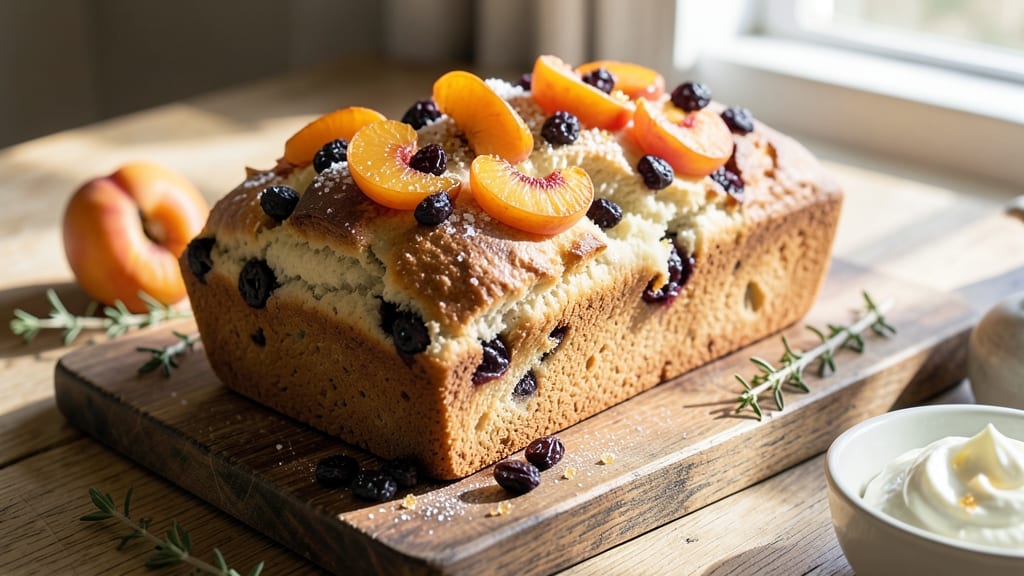
This apricot raisin bread recipe transforms simple ingredients into a fragrant, fruit-studded loaf that smells like autumn in your kitchen. 🍂 The secret lies in balancing sweet dried fruits with warm spices—cinnamon and nutmeg—that deepen as the bread bakes, creating layers of flavor in every bite.
Unlike dense fruit breads, this version stays tender with a crisp crust, perfect for slicing thick or serving alongside breakfast.
The recipe begins with a classic yeasted dough, enriched with butter for richness and a touch of orange zest to brighten the dried fruits. Apricots and raisins are plumped in warm liquid before folding in, ensuring they stay juicy rather than dry.
Proofing the dough twice—once cold overnight and again at room temperature—develops maximum flavor and a light, airy crumb that makes each slice irresistible.
Baking at a precise 350°F ensures a golden crust while keeping the interior moist, with the fruits caramelizing slightly for natural sweetness. The result is a loaf that’s sweet but not cloying, with pockets of spiced fruit in every bite.
This bread freezes beautifully, making it ideal for holiday gifting or meal prep.
Serve warm with butter or jam, or toast slices for a comforting breakfast. The recipe scales perfectly for loaf pans or free-form shapes, and you can swap in dried cranberries or chopped dates if apricots aren’t available. Let’s get baking—this loaf is worth every minute of rising time.
Ingredients for apricot raisin bread
Fourteen ingredients transform into a fragrant, fruit-studded loaf with autumnal spice warmth.
| Ingredient | Amount | Notes |
|---|---|---|
| Active Dry Yeast 🍞 | 2 ¼ tsp | One packet for convenience |
| Granulated Sugar 🍚 | ¼ cup | For yeast activation |
| Unsalted Butter 🧈 | ½ cup | Cold, cubed for dough |
| Large Eggs 🥚 | 1 whole | Room temperature preferred |
| All-Purpose Flour 🌾 | 3 ½ cups | Plus extra for dusting |
| Whole Milk 🥛 | ¼ cup | Warmed for dough |
| Dried Apricots 🍑 | 1 cup | Chopped, plumped first |
| Raisins 🍇 | 1 cup | Plumped in warm liquid |
| Orange Zest 🍊 | 1 tbsp | From 1 large orange |
| Ground Cinnamon 🌿 | 1 tsp | For spiced warmth |
| Ground Nutmeg 🌿 | ½ tsp | Freshly grated preferred |
| Salt 🧂 | ½ tsp | Kosher or sea salt |
| Vanilla Extract 🌸 | 1 tsp | Pure vanilla preferred |
| Honey 🍯 | 2 tbsp | For fruit plumping |
| Cornmeal 🌽 | 2 tbsp | For dusting loaf pan |
The yeast is the heart of this recipe—Bob's Red Mill or Saf Instant are my go-tos, but any active dry yeast works. Store it in the freezer to preserve freshness; once opened, it lasts 6 months. For the dried fruits, Trader Joe's has the best quality chopped apricots, but any store-bought or homemade chopped version works. The butter should be cold when you cube it—this prevents the dough from getting too soft. If your kitchen runs warm, chill the dough for 30 minutes before shaping. The orange zest needs to be fresh; dried zest lacks the bright punch this loaf deserves.
No honey for plumping the fruits? Warm water with a splash of maple syrup works just as well. Short on orange zest? Lemon zest at double the amount gives a similar brightness. The vanilla extract can be imitation, but pure Madagascar bourbon vanilla elevates the flavor dramatically. For the flour, King Arthur or Gold Medal brands give the best rise. If you're gluten-sensitive, swap in a 1:1 gluten-free flour blend—just know the texture will be slightly denser. The cinnamon and nutmeg should be freshly ground if possible; pre-ground spices lose potency quickly. For storage, Penzeys bulk spices are worth the splurge.
This dough is best made a day ahead—proof it overnight in the fridge for deeper flavor. Once baked, the loaf stays fresh for 3 days at room temperature, wrapped in a clean kitchen towel. For longer storage, freeze slices wrapped in plastic for up to 3 months. The crust stays crisp for about 24 hours, so slice it fresh if you're serving guests. To reheat, wrap slices in foil and warm in a 350°F oven for 5-10 minutes. The fruits caramelize more the next day, making leftovers even more delicious.
Why You'll Love This Recipe
- No-Fuss Dough: I swear, the yeast and butter mix while I’m chopping apricots—no fancy kneading or waiting around. Just toss in the flour, let it rise once, and you’re done. My lazy Sundays thank me every time.
- Sweet Without Guilt: That sugar-butter combo makes it rich, but the dried apricots and raisins add chewy pockets of natural sweetness. Honestly, it’s the kind of bread where I’ll eat two slices cold and not feel bad about it.
- Breakfast or Snack Hero: Toast it for a buttery breakfast, pack it for lunch, or serve it warm with jam for guests. I’ve even used the leftovers to make French toast—because why not? It’s that adaptable.
- Budget Bread Magic: Flour, sugar, and dried fruit are pantry staples, and a batch lasts me a week. I’ll be real: it’s cheaper than buying fancy loaves, and my kids beg for seconds (which means it’s winning).
Step-by-step instructions for apricot raisin bread
Here's how to craft a perfectly spiced, fruit-filled loaf with tender crumb and golden crust.
👨🍳 Step 1: Activate the Yeast and Plump the Fruits
In a small bowl, combine the 0.25 cup granulated sugar with 0.25 cup warm whole milk (about 110°F). Sprinkle the 2.25 tsp active dry yeast over the mixture and let it sit for 5-10 minutes until it becomes foamy and bubbly. This activation ensures your bread rises properly.
While the yeast works, prepare the dried fruits. In a small saucepan, combine the 1 cup dried apricots, 1 cup raisins, and 2 tbsp honey with 1 cup warm water. Bring to a gentle simmer for 5 minutes, then remove from heat and let soak for 15 minutes. This plumping step prevents dry, chewy fruit in your bread.
🍳 Step 2: Mix the Dough and Knead Until Smooth
In the bowl of a stand mixer fitted with the dough hook attachment, combine the 3.5 cups all-purpose flour, 0.5 tsp salt, 1 tsp ground cinnamon, 0.5 tsp ground nutmeg, and 1 tbsp orange zest. Mix on low speed until combined. Add the 0.5 cup cold unsalted butter, 1 whole large egg, and 1 tsp vanilla extract to the flour mixture.
With the mixer running on medium speed, gradually pour in the yeast mixture. Mix for 2-3 minutes until the dough begins to come together. Switch to low speed and knead for 5-7 minutes until the dough is smooth, elastic, and pulls away from the sides of the bowl. If the dough feels too sticky, add 1 tablespoon of flour at a time until it reaches the right consistency.
🥘 Step 3: First Rise and Fruit Incorporation
Transfer the dough to a lightly floured surface and shape it into a ball. Place it in a lightly greased bowl, cover with a clean kitchen towel, and let it rise in a warm place for 1-1.5 hours, or until it has doubled in size. The dough should feel light and springy when pressed gently with a finger.
Once risen, drain the plumped fruits and pat them dry with a paper towel to remove excess liquid. On a lightly floured surface, gently press down on the dough to deflate it slightly, then fold in the drained apricots and raisins. This ensures the fruit is evenly distributed throughout the loaf.
🔥 Step 4: Shape, Proof, and Bake to Perfection
Shape the dough into a loaf by folding the sides toward the center and sealing the seam. Place the loaf seam-side down in a 9x5-inch loaf pan that has been lightly dusted with 2 tbsp cornmeal. Cover with a towel and let it rise for another 30-45 minutes, or until it has risen about 1 inch above the pan.
Preheat your oven to 350°F. Brush the top of the loaf with a little water or milk for a golden finish. Bake for 35-40 minutes, until the top is golden brown and the internal temperature reaches 190°F. Tap the bottom of the loaf—it should sound hollow when done.
⏰ Step 5: Cool and Slice for Maximum Flavor
Remove the bread from the oven and transfer it to a wire rack to cool for at least 20 minutes before slicing. This resting period allows the moisture to redistribute, ensuring each slice is tender and flavorful. For the best texture, serve the bread warm or at room temperature.
Slice the loaf into ¼-inch thick pieces to showcase the beautiful swirls of fruit throughout. The crust should be crisp and fragrant with orange zest, while the crumb remains soft and lightly spiced. Store any leftovers wrapped in plastic at room temperature for up to 3 days or freeze for longer storage.
Pro Tips For Making Apricot Raisin Bread
- Warm the Yeast First: Skip the cold water—dissolve that active dry yeast in warm (not hot) water with a pinch of sugar first. I learned this the hard way after watching my dough take forever to rise. Just 110°F (43°C) water is all it needs to wake up fast.
- Soften Butter Properly: Don’t microwave the butter—rub it between your fingers until it’s just soft, like a warm stick of Play-Doh. Too soft, and your bread turns greasy; too hard, and it won’t mix smoothly. Room temp is key, but don’t rush it.
- Fold in Fruit Gently: Toss the apricots and raisins in flour first—they’ll soak up moisture and stay evenly distributed. Then fold them in last, like tucking in a blanket, so they don’t sink to the bottom. (Yes, I’ve made that mistake.)
- Test Dough for Readiness: Poke the dough with a finger—if it springs back slowly (not fast), it’s ready for the pan. Overproofed bread collapses; underproofed stays dense. Give it 10 more minutes if it’s unsure. (Your nose knows too—ripe dough smells yeasty-sweet.)
Perfect pairings for this apricot raisin bread
Butter Spreads
Whipped brown butter adds a nutty depth that complements the apricot raisin bread beautifully. I melt ½ cup unsalted butter in a saucepan over medium-low heat, swirling occasionally until it turns golden and smells toasty (about 5-7 minutes).
Let it cool slightly before spreading on warm slices. For extra richness, mix in 1 tbsp honey and a pinch of cinnamon—this creates a caramelized glaze that pairs perfectly with the spiced fruit. 🧈
Jam Pairings
Serve with orange marmalade or fig jam to enhance the citrus and fruit notes in the bread. I recommend Bon Appétit brand orange marmalade for its bright, zesty flavor. Spread a thin layer on toasted slices to balance the bread's sweetness with tangy acidity.
For a festive touch, drizzle melted jam over the top of the loaf before serving. 🍊
Cheese Accompaniments
Aged cheddar or brie creates a perfect contrast to the sweetness. I slice sharp cheddar (like Cabot) into ¼-inch thick pieces and place it alongside the bread for guests to assemble their own sandwiches.
For a more decadent option, warm brie in the oven until soft and serve with sliced apricot raisin bread as a crostini. The saltiness cuts through the fruit's sweetness beautifully. 🧀
Coffee & Tea
Pair this bread with a spiced chai latte or Earl Grey teadark roast like Peet's Major Dickason's Blend provides enough bitterness to balance the sweetness. Serve warm slices with a dollop of whipped cream for a dessert-like experience. ☕
Seasonal Variations
In summer, serve with fresh peach slices and a drizzle of honey-lavender cream to highlight the apricot's natural sweetness. For winter, pair with spiced apple butter and a sprinkle of candied pecans for a festive touch. The bread's versatility makes it perfect for any season. 🍎
Nutrition facts
Frequently asked questions
Can I substitute raisins or apricots with other dried fruits?
Swap raisins for dried cranberries or chopped dates, and apricots for dried cherries or figs. Keep the total fruit amount at 2 cups to maintain balance. For extra moisture, add 1 extra tbsp honey if using denser fruits like dates.
Why does my dough feel too sticky?
Sticky dough usually means the kitchen is warm or you added too much liquid. Add 1 tbsp flour at a time while kneading until the dough pulls away cleanly. If the air is humid, chill the dough for 30 minutes before shaping. Over-kneading can also make dough sticky, so aim for 5-7 minutes total.
How do I know when the bread is fully baked?
Look for a golden brown crust and use the "tap test"—tap the bottom of the loaf gently. If it sounds hollow, it's done! The internal temperature should reach 190°F. For extra certainty, insert a toothpick—it should come out clean or with a few crumbs. Overbaking dries out the fruit, so remove it just as it passes these tests.
Can I bake this bread in a different pan shape?
Yes! Use a 9x5-inch loaf pan for classic shape, or try a 9-inch round cake pan for a free-form loaf. For a rustic look, shape into a bouchon (oval) or batard (long oval) on a parchment-lined baking sheet. Adjust baking time by 5-10 minutes—smaller pans may need less time.
Why did my bread turn out dense?
Dense bread often results from overworking the dough, underproofing, or using cold ingredients. Ensure your yeast is fresh, milk is 110°F, and butter is cold. Let the dough rise until it doubles in size both times. For extra lightness, fold in the fruit gently after the first rise. If all else fails, try a 30-minute cold proof before baking.