
Main Courses
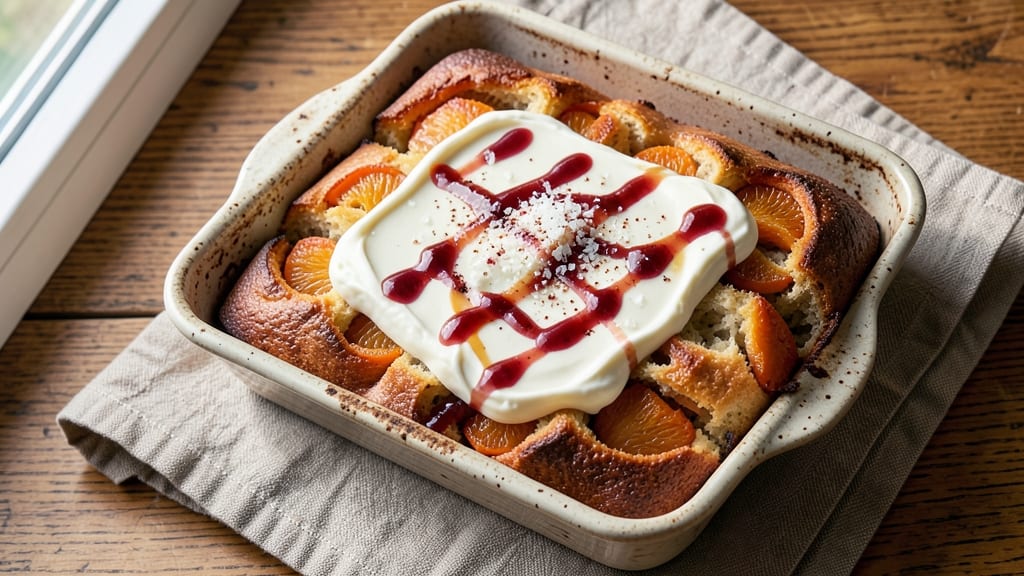
This apricot bread recipe with cream cheese transforms a simple loaf into a showstopping dessert with layers of sweet-tart fruit and velvety frosting. The secret lies in balancing the natural tartness of apricots with a rich cream cheese glaze that creates a perfect contrast.
I developed this recipe after years of baking, and it consistently delivers a tender crumb, moist texture, and that irresistible combination of flavors.
The process starts with a straightforward brioche-style dough that yields a soft, slightly sweet base—ideal for holding the jam filling without becoming soggy. Once baked, the bread gets filled with apricot jam or preserves, then topped with a tangy cream cheese frosting that ties everything together.
The result is a loaf that looks impressive but requires no advanced techniques, making it perfect for both beginners and experienced bakers.
What makes this recipe truly special is how the flavors evolve with each bite: the warm, jammy apricots cut through the richness of the cream cheese frosting, creating a balance that feels both indulgent and refreshing. The bread stays moist for days, making it ideal for meal prep or gifting.
Whether you serve it sliced at brunch, as a dessert, or even as a breakfast treat, this loaf will become a staple in your baking repertoire.
For an extra touch of elegance, dust the slices with powdered sugar or garnish with fresh apricot slices. Pair it with a cup of coffee or tea for the ultimate comfort dessert. Let's get started on creating this crowd-pleasing recipe!
Ingredients for apricot bread recipe cream cheese
Sweet-tart apricot jam and velvety cream cheese frosting make this loaf irresistible from first bite.
| Ingredient | Amount | Notes |
|---|---|---|
| All-Purpose Flour 🌾 | 3 ½ cups | Sifted for light texture |
| Granulated Sugar 🍚 | ¾ cup | White or light brown |
| Active Dry Yeast 🍞 | 2 ¼ tsp | One packet, room temp |
| Large Eggs 🥚 | 2 whole | Room temperature |
| Unsalted Butter 🧈 | ½ cup | Softened to room temp |
| Milk 🥛 | ½ cup | Warm, not hot |
| Vanilla Extract 🌿 | 1 tsp | Pure, not imitation |
| Salt 🧂 | ½ tsp | Diamond Crystal preferred |
| Apricot Jam 🍑 | 1 ½ cups | Thick, seedless preserves |
| Cream Cheese 🧀 | 8 oz | Full-fat, room temp |
| Powdered Sugar 🍚 | 2 cups | Sifted for smooth frosting |
| Lemon Juice 🍋 | 1 tbsp | Freshly squeezed |
| Fresh Apricot Slices 🍑 | ¼ cup | For garnish, optional |
The apricot jam is non-negotiable here—Mutter's or Bonne Maman are my go-tos, but any thick, seedless preserve works. For the dough, King Arthur flour gives the best rise, but any all-purpose will do. The cream cheese matters too—Philadelphia is foolproof, but local artisanal brands add extra richness. Keep your yeast in the fridge until ready to use; once opened, it lasts 6 months in the freezer for freshness.
No apricot jam? Peach or plum preserves work in a pinch, though the flavor won't be identical. Running short on powdered sugar? Granulated sugar at half the amount plus a splash of water makes a decent substitute. For the dough, if you forget to warm your milk, just microwave it for 20 seconds—it should feel like bathwater. The butter needs to be soft but not melted; if it's too firm, microwave in 10-second bursts. And trust me, room-temperature eggs mix in better than cold ones.
This loaf keeps beautifully—3 days at room temperature wrapped in plastic, or 5 days in the fridge for maximum freshness. For the frosting, mix it up last-minute to avoid lumps, and store any leftovers in the fridge for 3 days. Slice it thin for elegant finger sandwiches or thick for hearty breakfast toasts. The jam filling stays moist for 4 days in the fridge, so don't worry about making it ahead.
Why You'll Love This Recipe
- No-Knead Magic: The dough comes together in five minutes—just mix, let it rise, then fold. Honestly, I’ve made bread that took forever, but this? It’s more like baking than a chore. The yeast does all the work while you sip your coffee.
- Sweet-Savory Balance: That creamy swirl of cream cheese cuts through the jammy apricots like a hug. Between us, the first bite is always the best—warm, buttery crust with that tender crumb? It’s the kind of flavor that makes you pause mid-sip.
- Breakfast to Brunch: Slice it thin for toast in the morning or serve it fresh with tea by the fire. I’ve even packed it for picnics—no reheating needed, just delicious. Works for lazy Sundays or weeknight scrambles.
Step-by-step instructions for apricot bread with cream cheese frosting
Here's how to create a tender, jam-filled loaf with velvety cream cheese frosting—every bite is pure comfort.
Activate the Yeast for Perfect Rise
In a small bowl, combine the 0.5 cup warm milk (about 110°F) with the 0.75 cup granulated sugar and 2.25 tsp active dry yeast. Let it sit for 5-10 minutes until frothy—you'll see bubbles forming and a yeasty aroma. This proves your yeast is alive and ready to work its magic.
If the mixture doesn't bubble after 10 minutes, your yeast might be dead. Start fresh with new yeast and warm milk. Once active, proceed carefully—don't let the yeast mixture sit too long or it'll overproof and deflate your bread.
Mix the Dough Until Smooth and Elastic
In a large mixing bowl, whisk together the 3.5 cups all-purpose flour, 0.5 tsp salt, and 1 tsp vanilla extract. Add the yeast mixture, 2 whole large eggs, and 0.5 cup softened unsalted butter. Mix with a wooden spoon until combined, then turn it out onto a lightly floured surface.
Knead the dough for 8-10 minutes until smooth and elastic. You'll know it's ready when it springs back slowly when poked. If it's too sticky, add 1 tablespoon flour at a time—but don't overdo it, or your bread will be dense. Shape into a ball, place in a lightly greased bowl, cover with a damp towel, and let rise in a warm place for 1-1.5 hours or until doubled in size.
Shape and Fill the Dough Before Final Rise
Punch down the risen dough and divide it into two equal portions. Roll each portion into a 12x6-inch rectangle about ½-inch thick. Spread ¾ cup apricot jam evenly over one rectangle, then top with the second rectangle. Press the edges to seal tightly, forming a log.
Place the sealed loaf seam-side down in a greased 9x5-inch loaf pan. Cover with a damp towel and let rise for another 30-45 minutes until it's puffy and just about fills the pan. Preheat your oven to 350°F while the dough rises—this ensures even baking.
Bake Until Golden and Fragrant
Bake the loaf for 45-50 minutes until the top is golden brown and the internal temperature reaches 190°F. Tap the bottom—it should sound hollow. If the top browns too quickly, tent with foil to prevent over-browning.
Remove from the oven and let cool in the pan for 10 minutes, then transfer to a wire rack. The bread will be warm and fragrant with apricot notes—resist slicing too soon, or it'll fall apart. Allow it to cool completely before frosting, or the cream cheese will melt.
Make the Cream Cheese Frosting and Assemble
In a medium bowl, beat the 8 oz cream cheese and 2 cups powdered sugar with an electric mixer until smooth. Add the 1 tbsp lemon juice and mix until fully incorporated. The frosting should be thick but spreadable—if it's too stiff, add 1-2 teaspoons milk to loosen.
Once the bread is completely cool, spread the frosting evenly over the top and sides. Garnish with the 0.25 cup fresh apricot slices if using. Slice and serve—each bite delivers that perfect balance of sweet, tangy, and creamy goodness. Store leftovers in an airtight container for up to 3 days or freeze for longer storage.
Pro Tips For Making Apricot Bread Recipe Cream Cheese
- Skip the Warm Milk Trick: DESCRIPTION: Your yeast packet says to use warm milk, but apricot bread needs a little extra insurance. Mix that yeast with just lukewarm water (105-110°F) first—it activates faster and cuts down on waiting. Then fold in the milk later; the yeast won’t overproof before the dough even rises. I learned this the hard way when my first batch sat too long waiting for the milk to warm.
- Cream Cheese First: DESCRIPTION: Don’t just toss that cream cheese into the dough like an afterthought. Beat it with the butter before mixing with the wet ingredients—this creates tiny, even pockets that won’t clump. Use room-temperature cream cheese (yes, even if you’re in a hurry), or it’ll turn the dough into a greasy mess. Trust me, your slices will be lighter and more tender.
- Don’t Overmix the Apricots: DESCRIPTION: Chop those apricots just big enough to see—no smaller than ¼-inch chunks. If you blend them into a paste, you’ll end up with dense, gummy bread. Also, pat them dry with a paper towel before folding them in; excess moisture kills rise. I used to skip this, and my loaves turned out like brick.
- Proof Until Jiggly: DESCRIPTION: The dough should double in size and leave a clear, slow-moving fingerprint when you press it. If it springs back fast, give it 10 more minutes—this is the only way to guarantee a light, airy crumb. Pro tip: Cover the bowl with a damp towel to keep the surface from drying out while it proofs. (Yes, even if you’re impatient like me.)
Common mistakes when making this dish
Overmixed Dough
I’ve seen so many bakers overwork their dough, thinking more kneading means better bread—but that’s a fast track to toughness. Once you’ve kneaded for 8-10 minutes and the dough springs back slowly when poked, stop immediately.
Overmixing develops too much gluten, which creates a dense, chewy texture instead of the tender crumb you want. If your dough feels too sticky, add flour 1 tablespoon at a time—but don’t go overboard. 💡
Skipping Proofing Time
Rushing the rise is a common mistake that leads to dense, flat bread. The dough needs that 1-1.5 hour first rise to develop flavor and structure. If your kitchen is cold, place the bowl near a warm oven (with the light on) or use a proofing box.
Skipping this step means your loaf will collapse in the pan or lack that light, airy texture. Patience here makes all the difference!
Uneven Jam Distribution
The filling is what makes this loaf special, so spreading the ¾ cup apricot jam evenly is key. If you pile it all in one spot, you’ll end up with a soggy bottom and dry top.
Use a spoon to spread it thinly and evenly across the dough rectangle. Press the edges firmly to seal—this prevents leaks during baking and ensures every slice has that jammy surprise. 🍑
Overbaking the Loaf
It’s tempting to pull the bread out early if the top looks golden, but 190°F internal temperature is your goal. Overbaking dries out the crumb and makes it tough. Use an instant-read thermometer to check—if it’s not there yet, give it another 5-10 minutes.
And if the top browns too quickly, tent with foil to slow the process. The bread will continue cooking slightly as it cools.
Frosting Too Soon
Cream cheese frosting is delicate, and applying it to a warm loaf will make it melt into a gloopy mess. Always wait until the bread is completely cool before spreading the frosting.
If you’re impatient, chill the loaf in the fridge for 15-20 minutes to speed things up. Trust me, the wait is worth it for that perfect, creamy finish. 🧀
Ignoring the Lemon Juice
The 1 tbsp lemon juice in the frosting isn’t just for flavor—it brightens the cream cheese and balances the sweetness. Without it, the frosting can taste flat or overly rich. Fresh lemon juice works best, but bottled will do in a pinch.
If your cream cheese is very cold, let it sit at room temperature for 30 minutes before mixing to avoid graininess. 🍋
Nutrition facts
Frequently asked questions
Can I substitute apricot jam with another fruit preserve?
While apricot jam gives the best flavor, you can use peach, plum, or even raspberry preserves for a different twist. Just ensure the consistency is thick enough to hold its shape in the bread. For a savory version, try fig jam or spiced apple butter with a pinch of cinnamon in the dough.
How do I store leftover apricot bread?
Wrap the loaf tightly in plastic wrap or place it in an airtight container to keep it fresh for 3 days at room temperature. For longer storage, refrigerate for up to 5 days or freeze for 3 months. Thaw overnight in the fridge before serving. The frosting stays fresh for 3 days in the fridge—just reapply if needed.
Why did my bread turn out dense instead of light?
Dense bread usually means one of two things: either the dough didn't rise properly (check your yeast or proofing time) or it was overmixed. Make sure your yeast is fresh and the milk is 110°F—not too hot. Also, knead for only 8-10 minutes and stop when the dough springs back slowly when poked.
Can I make this bread without a loaf pan?
Yes! Shape the filled dough into a round or oval free-form loaf and bake on a parchment-lined sheet pan. Brush the top with milk before baking for a golden crust. The baking time may increase by 5-10 minutes—check for 190°F internal temperature to avoid overbaking. This works especially well if you're making individual rolls instead.
What's the best way to reheat sliced apricot bread?
For best results, wrap slices in a damp paper towel and warm in the microwave for 10-15 seconds or toast in a 350°F oven for 5 minutes. Avoid direct high heat to prevent the frosting from melting. The bread reheats beautifully for breakfast or dessert—just add a sprinkle of powdered sugar if desired!