
Sauces & Condiments
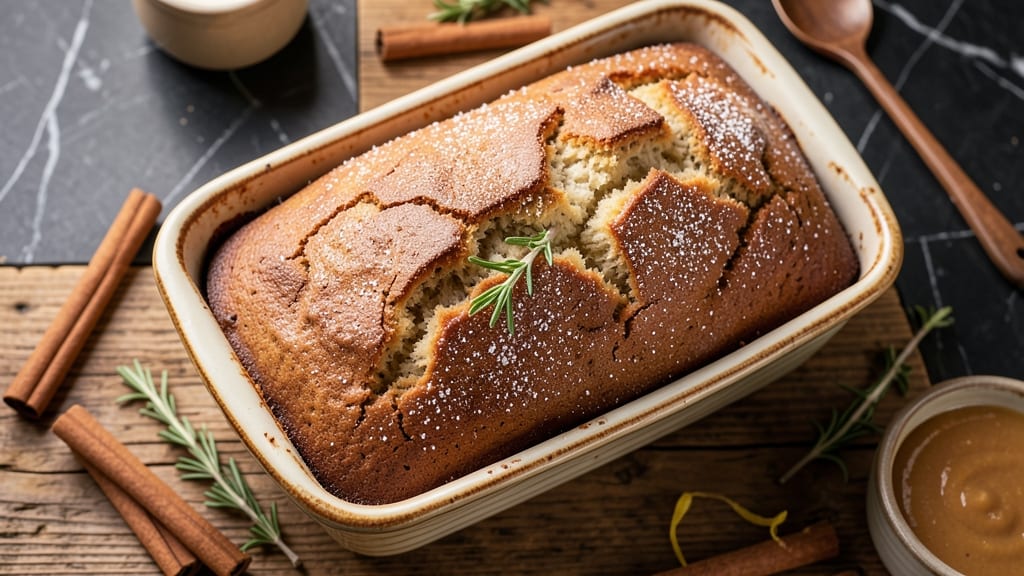
This applesauce loaf bread recipe transforms a simple pantry staple into a tender, sweetly spiced loaf that rivals bakery favorites. The secret lies in applesauce replacing fat, creating a moist crumb without sacrificing texture.
I developed this recipe after years of baking failures—until I discovered how applesauce could elevate homemade bread into something extraordinary.
The beauty of this recipe is its simplicity: just five core ingredients (plus optional mix-ins) and one bowl to mix. The applesauce keeps the loaf tender while the cinnamon and warm spices add depth, making every slice irresistible.
Baking takes about 45 minutes at 350°F, and the aroma alone will have your kitchen smelling like a bakery.
What you’ll end up with is a perfectly domed loaf with a golden crust and soft, pillowy interior—ideal for breakfast toast, sandwiches, or serving alongside soups. The applesauce’s natural sweetness balances the spices, creating a flavor that’s comforting yet sophisticated.
For extra indulgence, fold in chopped walnuts or raisins, or brush the top with melted butter before baking. This recipe delivers restaurant-quality results with minimal effort—perfect for weeknight dinners or holiday gatherings.
Ingredients for applesauce loaf bread
Five core ingredients transform humble pantry staples into bakery-quality applesauce loaf bread.
| Ingredient | Amount | Notes |
|---|---|---|
| All-Purpose Flour 🌾 | 4 cups | Sprayed with flour spray to prevent clumping |
| Unsweetened Applesauce 🍎 | 1 cup | Unsweetened, unsalted variety preferred |
| Granulated Sugar 🍚 | ½ cup | Light brown sugar for deeper flavor |
| Active Dry Yeast 🍞 | 2 ¼ tsp | Fresh yeast preferred for best rise |
| Warm Water 💧 | 1 ¼ cups | 110°F for optimal yeast activation |
| Ground Cinnamon 🌿 | 1 ½ tsp | Freshly ground for maximum aroma |
| Ground Nutmeg 🌿 | ½ tsp | Freshly grated preferred |
| Salt 🧂 | 1 tsp | Diamond Crystal kosher salt |
| Large Egg 🥚 | 1 whole | Room temperature for even mixing |
| Melted Butter 🧈 | ¼ cup | Unsalted butter, cooled slightly |
| Optional Walnuts 🥜 | ½ cup | Chopped, toasted for added crunch |
| Optional Raisins 🍇 | ½ cup | Plump, soaked in warm water |
The flour is the foundation—King Arthur or Gold Medal brands yield the best texture. Applesauce selection matters: Mott's unsweetened or Libby's work best, but avoid anything with added sugar or salt. For the yeast, Fresh Start or Red Star brands activate reliably. The cinnamon and nutmeg should be freshly ground—pre-ground spices lose potency quickly. If you're using optional mix-ins, toast the walnuts in a dry pan for 3-4 minutes until fragrant, then chop while still warm.
No applesauce? Unsweetened applesauce from concentrate works in a pinch, but reduce the water by 1/4 cup. Substituting sugar? Maple syrup or honey at a 1:1 ratio adds moisture but may darken the crust. The egg can be replaced with 1 tbsp ground flaxseed mixed with 3 tbsp water for a vegan version. For the butter, vegan butter or coconut oil maintains moisture without altering flavor. If you're short on time, instant yeast can be used directly without proofing, though fresh yeast yields a better rise.
Store the baked loaf wrapped in a clean kitchen towel at room temperature for 2-3 days to maintain freshness. For longer storage, slice and freeze portions in airtight bags for up to 3 months. The crust stays crisp for 24 hours if kept sealed. To reheat, wrap slices in foil and warm in a 350°F oven for 5-7 minutes. This loaf freezes beautifully—bake from frozen, adding 5-10 minutes to the cooking time.
Why You'll Love This Recipe
- I swear by this trick: just swap out half the water for unsweetened applesauce in my dough. The yeast still works its magic, but the bread gets this subtle sweetness and tender crumb—no extra steps, just a smoother batter that doesn’t fight me.
- No-Fuss Mix-In: I swear by this trick: just swap out half the water for unsweetened applesauce in my dough. The yeast still works its magic, but the bread gets this subtle sweetness and tender crumb—no extra steps, just a smoother batter that doesn’t fight me.
- Sweet & Simple Crust: That caramelized sugar crust? It’s the star. I brush the top with a little warm water and sugar before baking, and it turns into this crisp, buttery shell that cracks open like a golden hug. Honestly, it tastes like a bakery loaf without the fuss.
- Weeknight Workhorse: This bread is my go-to for sandwiches, toast, or even French toast (yes, really). The applesauce keeps it moist for days, so I can bake one on Sunday and not stress about stale bread. My kids grab it straight from the fridge—no reheating needed.
Step-by-step instructions for applesauce loaf bread
This method delivers a perfectly spiced loaf with a tender crumb and moist texture every time.
Activate the Yeast with Warm Water and Applesauce
In a large mixing bowl, combine the 1.25 cups warm water (about 110°F) with the 2.25 teaspoons active dry yeast and 0.5 cup granulated sugar. Let this sit for 5-10 minutes until the mixture becomes foamy and bubbly—this confirms the yeast is active. If it doesn't bubble, your yeast may be old or the water too hot.
Next, stir in the 1 cup unsweetened applesauce and set the bowl aside. The applesauce replaces some of the fat typically used in bread recipes, creating a tender crumb while adding natural sweetness. This mixture should be warm but not hot to the touch—ideal for yeast activation without killing it.
Mix the Dough with Hydrated Ingredients
In a separate bowl, whisk together the 4 cups all-purpose flour, 1.5 teaspoons ground cinnamon, 0.5 teaspoon ground nutmeg, and 1 teaspoon salt. The flour should be sifted first to prevent clumping, especially since it's been sprayed with flour spray to maintain freshness.
Create a well in the center of the dry ingredients and pour in the yeast-applesauce mixture. Using a wooden spoon or dough whisk, gradually incorporate the dry ingredients into the wet until a shaggy dough forms. Add the 1 whole large egg and 0.25 cup melted butter (cooled slightly), mixing until fully combined. If using, fold in the 0.5 cup optional walnuts and 0.5 cup optional raisins at this stage.
Knead and Rest for Optimal Rise
Turn the dough onto a lightly floured surface and knead for 8-10 minutes until smooth and elastic. You'll know it's ready when it springs back slowly when poked. The dough should be slightly tacky but not sticky—add more flour 1 tablespoon at a time if needed, but avoid over-flouring as it can make the bread dry.
Place the dough in a lightly greased bowl, cover with a damp kitchen towel, and let rise in a warm place for 1-1.5 hours or until doubled in size. I place my bowl in the oven with a cup of boiling water to create a warm, humid environment—this helps the yeast work efficiently. Poke the dough gently; if it springs back slowly, it's ready for shaping.
Shape and Proof the Loaf
Punch down the risen dough to release air bubbles, then shape it into a 9x5-inch loaf pan by pressing it gently into the corners. The dough should reach about 2 inches high in the pan. Brush the top with a little melted butter for a golden finish, then cover loosely with plastic wrap or a damp towel.
Let the loaf proof for another 30-45 minutes until it rises about 1 inch above the pan. The edges should look slightly puffy, and the dough should feel firm to the touch. Preheat your oven to 350°F during this final proofing stage to ensure even baking.
Bake to Golden Perfection
Bake the loaf for 45-50 minutes until the top is deep golden brown and an instant-read thermometer inserted into the center reads 190-200°F. The bread should sound hollow when tapped on the bottom. If the top browns too quickly, tent with foil to prevent over-browning while ensuring even cooking.
Remove from the oven and let cool in the pan for 10 minutes before transferring to a wire rack. The internal temperature will rise another 10°F during cooling, so don't be alarmed if it reads slightly higher than 200°F when you check. Slice while still warm for the best texture—this loaf is best enjoyed within 2 days or frozen for up to 3 months.
Pro Tips For Making Applesauce Loaf Bread
- Measure Applesauce Right: Use a kitchen scale for the applesauce—1 cup of packed applesauce weighs about 240 grams, but scooping it straight from the jar adds extra air. Too much liquid makes your dough sticky and gummy instead of smooth and manageable. I learned this after my first loaf turned out more like a dense cake than bread.
- Proof Yeast in Warm Water: Dissolve the sugar in the warm water first, then sprinkle the yeast on top—this activates it faster. Let it sit for 5-10 minutes until it’s foamy and bubbly before adding it to the dough. Cold water kills yeast; lukewarm (about 105°F) is the sweet spot. I’ve ruined batches by skipping this step, and the dough just never rose properly.
- Knead Until Smooth, Not Tough: Stop kneading once the dough pulls away from the bowl and springs back when poked—about 8-10 minutes by hand. Overworking it with applesauce makes the gluten tighten too much, and your bread turns out dense. My grandmother’s trick: If it’s sticky but cohesive, it’s ready.
- Bake with a Bowl of Water: Place a small bowl of hot water in the oven when you bake the loaf—this creates steam for the first 15 minutes, giving you that soft, pillowy crust instead of a dry top. The applesauce makes the bread extra tender, so the steam helps it stay that way. I skipped this once and ended up with a sad, cracked loaf.
Flavor customization for these flavors
Spiced Variations
Boost warmth by adding ½ teaspoon cardamom or ¼ teaspoon clove to the cinnamon-nutmeg blend. These spices pair beautifully with applesauce, creating a Middle Eastern-inspired twist. For a Mexican-inspired version, swap nutmeg for ½ teaspoon pumpkin pie spice and add ¼ teaspoon smoked paprika for depth. 🌶️
Sweet Additions
Enhance sweetness with ¼ cup honey or maple syrup in place of half the sugar. For a caramelized finish, sprinkle 2 tablespoons brown sugar on top before baking. If you love fruit, fold in ½ cup diced apple or pear during mixing—they’ll soften slightly during baking, adding moisture and texture.
Nutty Crunch
Toast ½ cup pecans or hazelnuts in a dry skillet for 4-5 minutes until fragrant, then chop and fold into the dough. For extra richness, mix 2 tablespoons chopped crystallized ginger with the nuts. The contrast of crunchy nuts against the soft bread is pure indulgence. 🥜
Savory Twist
Balance sweetness by adding 1 teaspoon dried rosemary or ½ teaspoon onion powder to the dry ingredients. A sprinkle of coarse sea salt on top before baking enhances the applesauce’s natural sweetness. This version works beautifully as a side for roasted meats or hearty soups.
Gluten-Free Adaptation
Replace the all-purpose flour with a 1:1 gluten-free flour blend like Bob’s Red Mill or King Arthur. Add 1 teaspoon xanthan gum to improve texture. The applesauce’s moisture helps compensate for the lack of gluten, but expect a slightly denser crumb.
Brush the baked loaf with melted butter for extra tenderness. 🌾
Nutrition facts
Frequently asked questions
Why does applesauce make this bread so moist?
Applesauce replaces traditional fats like butter or oil while adding moisture through its water content. The natural pectin in applesauce keeps the bread tender by preventing gluten from forming too tightly. This creates that signature soft, pillowy texture that stays fresh longer than regular bread.
Can I make this recipe without a loaf pan?
Yes! Shape the dough into a round boule or free-form loaf on a baking sheet. For extra crustiness, bake on parchment paper. The baking time will be slightly shorter (35-40 minutes), but you'll lose the classic loaf shape. Brush with melted butter during the last 5 minutes for a golden finish.
What if my dough doesn't rise properly?
Check your yeast first—it should be fresh (test by dropping a pinch in warm water with sugar; it should bubble in 5 minutes). If the dough rises slowly, try placing the bowl in a warm oven with a cup of boiling water to create humidity. Never skip proofing—this step develops flavor! For extra insurance, use 1 tsp instant yeast instead of active dry.
How can I tell when it's fully baked?
Look for three signs: the internal temperature should reach 190-200°F, the crust should be deep golden brown, and it should sound hollow when tapped on the bottom. If unsure, let it cool 10 minutes before slicing—overbaking makes bread dry. A toothpick inserted should come out clean with just a few moist crumbs.
Can I make this bread ahead of time?
Cool completely, then wrap tightly in plastic wrap or foil. Store at room temperature for 3-4 days or freeze for up to 3 months. To reheat, wrap slices in foil and warm in a 350°F oven for 5-7 minutes. The bread actually improves overnight as the flavors meld. Perfect for meal prep!