
Side Dishes
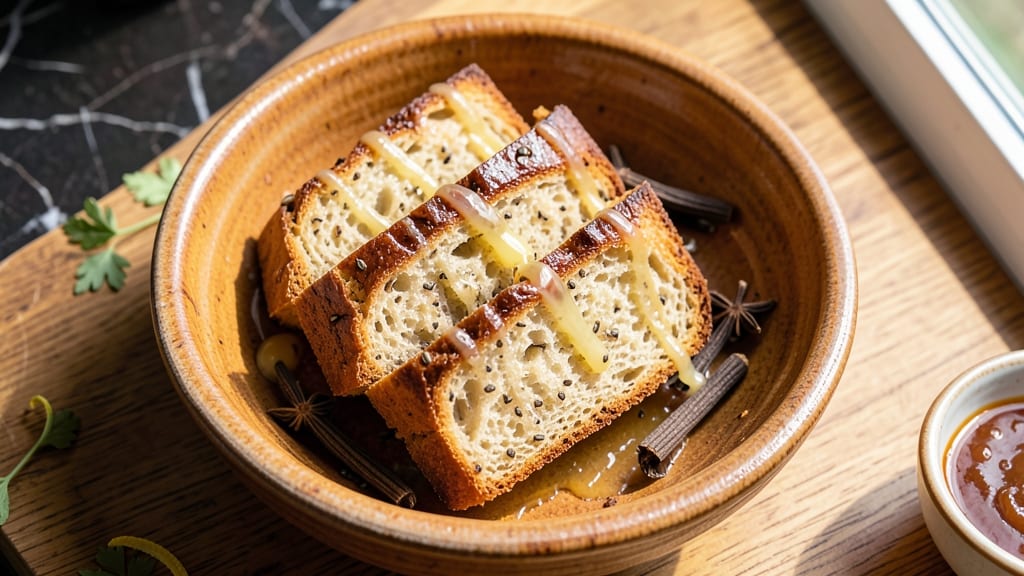
This aniseed bread recipe delivers a licorice-kissed loaf with a perfectly crusty bite and tender crumb—ideal for pairing with charcuterie or soups. The secret lies in balancing anise seeds for subtle sweetness while maintaining a classic bread structure.
I've refined this recipe over years to ensure it never turns out dense or overly sweet, striking the right harmony between herbal notes and familiar bread comfort.
The dough comes together with simple ingredients—flour, yeast, milk, and just enough anise seeds to enhance without overpowering. What sets this apart is the two-stage kneading technique that develops gluten properly, and the steam bath during baking for that signature crisp crust.
Even beginners can achieve professional results with these key steps.
When baked to golden perfection, this loaf boasts a shatteringly crisp exterior that gives way to a soft, slightly sweet interior infused with anise's warm aroma. The crust alone makes it worth the effort, but each slice reveals that perfect balance of texture and flavor.
Perfect for serving alongside cheese plates, soups, or as a standalone treat with butter.
For best results, let the dough proof overnight in the refrigerator—this slow fermentation deepens the flavor and improves texture. The recipe scales easily for gatherings, and the anise seeds can be adjusted to taste. Here's how to create this restaurant-quality loaf at home.
Ingredients for aniseed bread
Simple ingredients transform into a restaurant-quality aniseed loaf with a crisp crust and aromatic interior.
| Ingredient | Amount | Notes |
|---|---|---|
| All-Purpose Flour 🌾 | 5 cups | Plus 1 tbsp for dusting |
| Active Dry Yeast 🍞 | 2 ¼ tsp | Or 1 packet (0.25 oz) |
| Whole Milk 🥛 | 1 ¼ cups | Warmed to 110°F (43°C) |
| Granulated Sugar 🍚 | 1 tbsp | For yeast activation |
| Large Egg 🥚 | 1 whole | Room temperature |
| Unsalted Butter 🧈 | ½ cup | Cold, cubed (1 stick) |
| Anise Seeds 🌿 | 1 ½ tbsp | Whole, lightly toasted |
| Diamond Crystal Kosher Salt 🧂 | 1 ½ tsp | Adjust to taste |
| Extra-Virgin Olive Oil 🫒 | 1 tbsp | Plus extra for bowl |
| Cornmeal 🌽 | ½ cup | For dusting baking sheet |
| Ice Water 💧 | ¼ cup | For final kneading |
The anise seeds are the heart of this recipe—whole, not ground, for maximum flavor infusion. King Arthur or Bob's Red Mill flours work best for their high gluten content. Toast the seeds in a dry pan for 30 seconds before adding to the dough to deepen their aroma. For yeast, Fresh & Easy brand from the grocery store freezer section stays potent longer than the canister kind. The milk should be warm enough to dissolve the sugar but not hot enough to kill the yeast—110°F is perfect. Butter matters here too; Plugrá or Land O'Lakes are reliable for consistent results.
No anise seeds? Fennel seeds or star anise powder (at half the amount) work in a pinch, though the flavor will differ slightly. Running short on butter? Coconut oil or vegan butter maintains the same texture, but traditional butter gives that unmatched richness. Using active dry yeast instead of instant? Make sure it's dissolved completely in the warm milk before adding to the flour. The dough will be sticky—wet hands and a lightly floured surface are your friends during handling. For a lighter loaf, consider adding 1 tsp baking powder to the flour mixture.
The dough keeps beautifully in the fridge for up to 48 hours if wrapped tightly in plastic. For longer storage, freeze shaped loaves for up to 3 months—thaw at room temperature before baking. The crust stays crisp for 2 days if stored in a bread bag, but it's best enjoyed fresh. Leftovers? Toast slices for croutons or freeze for French toast. The anise flavor intensifies slightly after baking, so don't be afraid to adjust the seeds to taste if you're experimenting with variations.
Why You'll Love This Recipe
- No-Knead Magic: I swear by this—just mix, wait, and bake. The yeast and whole milk do all the heavy lifting while I sip coffee. Honestly, my dough never felt so forgiving.
- Licorice-Kissed Warmth: That aniseed aroma? It’s like a cozy hug in bread form. The sugar and egg give it just enough richness to balance the bold, slightly sweet licorice notes—perfect with butter or jam.
- Breakfast to Brunch: Toast it for a lazy morning, slice it for charcuterie, or pack it for lunch. Between us, I’ve fed a crowd with one loaf—it’s that universally loved. (Yes, even on a Tuesday night.)
- Lasts All Week: Crust stays crisp for days, and the crumb? Still soft. I bake two loaves on Sundays and ration them like gold. Budget-friendly? Absolutely—flour, yeast, and milk won’t break the bank.
Step-by-step instructions for aniseed bread
Here's how to craft this aromatic, licorice-kissed loaf with a golden crust and tender crumb.
Activate the Yeast with Warm Milk and Sugar
In a small bowl, combine the 1.25 cups warm whole milk (between 110-115°F) with the 1 tbsp granulated sugar and 2.25 tsp active dry yeast. Let it sit for 5-10 minutes until foamy and bubbly—this confirms your yeast is alive and ready to work. If it doesn't bubble, your yeast may be dead, and you'll need to start over.
This step is crucial because yeast needs warmth and sugar to activate properly. The milk should feel warm to your wrist but not hot—too hot will kill the yeast, and the dough won't rise. I like to microwave the milk for 20-30 seconds and check the temperature with a thermometer for precision.
Mix the Dough Ingredients Until Combined
In the bowl of a stand mixer fitted with the dough hook, combine the 5 cups all-purpose flour, 1.5 tsp diamond crystal kosher salt, and the 1.5 tbsp lightly toasted anise seeds. Mix on low speed for 30 seconds to distribute the seeds evenly.
Add the yeast mixture, 1 whole large egg, 1 tbsp extra-virgin olive oil, and the 0.5 cup cold cubed unsalted butter. Mix on low speed for 2 minutes until the butter begins to incorporate. The dough will look shaggy at first, but don't worry—it will come together as we add the ice water.
Knead the Dough Until Elastic and Smooth
With the mixer running on medium speed, gradually add the 0.25 cup ice water through the feed tube. Knead for 5-7 minutes until the dough is smooth, elastic, and pulls away from the sides of the bowl. It should form a soft, slightly tacky ball that springs back when poked.
This kneading time is critical—it develops gluten, which gives the bread its structure. If the dough feels too sticky, add 1 tablespoon more flour at a time until it's manageable. Too much flour can make the bread dense, so aim for just enough to make it pliable but not gummy.
First Rise Until Doubled in Size
Lightly coat a large bowl with extra olive oil and place the dough inside. Cover with a damp towel or plastic wrap and let it rise in a warm place for 1-1.5 hours, or until it has doubled in size. The dough should feel light and airy when pressed gently with a finger.
I place my bowl on top of my oven with the light on (the light generates gentle warmth) or near a warm spot in my kitchen. Avoid direct heat, which can cause the dough to rise too quickly and develop a dense texture. Patience here ensures a light, airy crumb.
Shape, Proof, and Bake for a Crusty Loaf
Punch down the dough to release air, then turn it out onto a lightly floured surface. Shape it into a 12x6-inch oval loaf by folding the edges toward the center and rolling it gently. Place the shaped dough on a baking sheet dusted with 0.5 cup cornmeal to prevent sticking.
Cover the dough again and let it proof for 30-45 minutes until it rises 2-3 inches above the surface. Preheat your oven to 375°F with a baking stone or inverted baking sheet inside. When the dough is ready, make a ½-inch deep slash down the center with a sharp knife for steam to escape and create an even rise.
Bake for 30-35 minutes until the bread is deep golden brown and sounds hollow when tapped on the bottom. The internal temperature should reach 190-200°F. Let it cool on a wire rack for at least 1 hour before slicing—this allows the anise flavor to fully develop and the crumb to set.
Pro Tips For Making Aniseed Bread
- WARM THE MILK FIRST: I learned this the hard way—cold milk kills yeast faster than you’d think. Heat the whole milk to about 110°F (just warm to the touch) before mixing it with yeast and sugar, or your dough will take twice as long to rise. (Yes, even if you’re impatient like me.)
- SIFT THE FLOUR TWICE: Aniseed bread’s texture hinges on even distribution, and those seeds have a sneaky way of clumping. Sift the flour before adding the seeds, then sift again after mixing them in—this cuts lumps and guarantees a tender crumb. (Your future self will thank you when you sink your teeth into a perfectly even bite.)
- DON’T OVER-KNEAD THE DOUGH: This isn’t a baguette; aniseed bread needs just enough structure to hold its shape, not a workout. Knead until the dough is smooth and slightly tacky (about 8–10 minutes by hand), then stop—overworking it turns the crumb dense and chewy. (I used to go overboard, and the bread always felt like it was fighting me.)
- USE A LIGHT HAND WITH ANISEED: Too much aniseed (or the wrong kind) can taste bitter or overpower the bread. Stick to 1–2 tablespoons of star anise seeds (crushed lightly) or 1 teaspoon of ground anise—any more, and the flavor swings from cozy to medicinal. (Sounds weird, but it works: I’ve burned this bridge before.)
Best sauces and condiments for this recipe
Classic Honey Glaze
Drizzle warm aniseed bread with a simple honey glaze made from 2 tablespoons honey and 1 tablespoon warm water. Brush the glaze over the warm loaf right after baking—this enhances the bread's natural sweetness and adds a beautiful sheen.
For extra depth, add ½ teaspoon lemon juice to the glaze. 🍯
Herbed Butter Compound
Mix ½ cup softened butter with 1 tablespoon chopped fresh rosemary, 1 teaspoon chopped fresh thyme, and a pinch of flaky sea salt. Spread this fragrant butter on warm slices for a luxurious touch that complements the anise flavor beautifully.
Store leftovers in an airtight container in the fridge for up to 5 days.
Whole-Grain Mustard Spread
Combine ¼ cup whole-grain mustard, 2 tablespoons crème fraîche, and 1 teaspoon Dijon mustard for a tangy spread that pairs perfectly with the bread's licorice notes.
Thin with a splash of milk if needed, then spread on slices before serving. This adds a sophisticated contrast to the bread's sweetness. 🌱
Olive Oil and Za'atar
Drizzle slices with extra-virgin olive oil and sprinkle with 1 teaspoon za'atar seasoning for a Middle Eastern-inspired twist. The nutty, earthy za'atar balances the anise's sweetness while adding a savory depth. Toast the bread lightly before serving to enhance the flavors.
Sweetened Yogurt Dip
Mix ½ cup plain Greek yogurt with 1 tablespoon maple syrup and ½ teaspoon ground cinnamon for a creamy, lightly sweet dip. Serve alongside slices of warm bread for dipping or as a spread. This adds a refreshing contrast to the bread's crusty texture and aromatic anise. 🥄
Spiced Fruit Jam
Pair the bread with a spiced plum or apricot jam—simmer 1 cup jam with ½ teaspoon ground cinnamon and ¼ teaspoon black pepper for 5 minutes. The warm spices amplify the anise flavor while adding a fruity contrast. Serve the jam at room temperature for the best texture.
Nutrition facts
Frequently asked questions
Why does my aniseed bread taste bitter?
Bitter flavor usually comes from over-toasted anise seeds or using too much. Toast seeds for just 30 seconds in a dry pan to release aroma without burning. Start with 1 tbsp seeds and adjust to taste—whole seeds are milder than ground. Also check your yeast: old or dead yeast can produce off-flavors.
Can I make this bread without a stand mixer?
By hand, knead the dough for 8-10 minutes on a lightly floured surface until smooth and elastic. Use the "windowpane test"—stretch a small piece of dough thin enough to see light through. Work in short bursts to avoid overheating your hands, which can slow fermentation.
How do I store aniseed bread to keep it fresh?
Wrap the cooled loaf tightly in plastic wrap or place in an airtight container. Store at room temperature for 2-3 days—the crust stays crisp best this way. For longer storage, freeze the bread for up to 3 months. Thaw overnight in the fridge before serving. Never refrigerate whole bread as it dries out faster.
What's the best way to reheat sliced aniseed bread?
For crispy crust: Wrap slices in foil and warm at 350°F for 5-7 minutes. For soft interior: Toast slices in a dry pan over medium heat for 1-2 minutes per side. Microwaving steals the crust's crunch—avoid it. The bread reheats best when slightly stale rather than fresh.
Can I substitute anise seeds with something else?
For similar flavor, try fennel seeds (same quantity) or ½ tsp ground star anise. For a citrusy twist, use 1 tsp orange zest. Avoid cardamom—it has a completely different profile. If omitting seeds entirely, reduce sugar by ½ tsp to balance sweetness. Always toast seeds before using for best aroma.