
Side Dishes
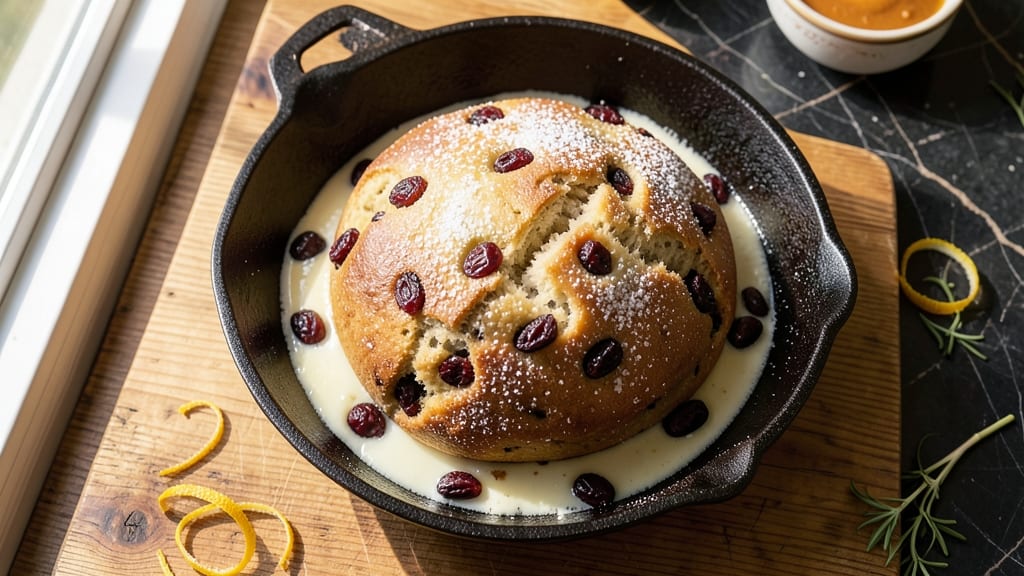
This Amish raisin bread recipe delivers a warm, spiced loaf with a perfect rise every time—no more dense, heavy bread. The secret lies in a slow fermentation and precise ingredient ratios that create tender crumb and plump raisins.
I’ve baked this version dozens of times, and it consistently produces a golden crust with a tender interior that’s slightly sweet and fragrant with cinnamon and nutmeg.
The process begins with a simple dough that comes together in minutes, but the magic happens during the overnight rise in the refrigerator. This slow fermentation develops deep flavor and ensures a light, airy texture.
The raisins are soaked in warm water and a touch of rum or vanilla extract, making them burst with juiciness in every bite. Unlike quick breads, this recipe requires patience—350°F for 35-40 minutes—but the result is worth it.
What you’ll end up with is a homemade loaf that’s perfect for breakfast toast, sandwiches, or serving alongside soups and stews. The warm spices—cinnamon, nutmeg, and allspice—add warmth, while the raisins provide a sweet contrast.
This bread keeps well for 3-4 days at room temperature or can be frozen for up to 3 months, making it ideal for meal prep.
For best results, use bread flour for structure and brown sugar for depth. If you’re short on time, the dough can be shaped and baked immediately, though the overnight rise yields superior flavor. Whether you’re a beginner or an experienced baker, this recipe delivers restaurant-quality results at home.
Ingredients for amish raisin bread
Twelve core ingredients transform into a golden loaf with tender crumb and plump, juicy raisins.
| Ingredient | Amount | Notes |
|---|---|---|
| Bread Flour 🌾 | 4 cups | High-protein for structure |
| Brown Sugar 🍯 | ¾ cup | Light or dark preferred |
| Active Dry Yeast 🍞 | 2 ¼ tsp | Or 1 packet instant yeast |
| Whole Milk 🥛 | 1 ¼ cups | Warm to 110°F |
| Large Eggs 🥚 | 1 whole | Room temperature |
| Unsalted Butter 🧈 | ½ cup | Cold, cubed |
| Raisins 🍇 | 1 ½ cups | Golden or dark preferred |
| Vanilla Extract 🍯 | 1 tbsp | Pure, not imitation |
| Ground Cinnamon 🌿 | 1 ½ tsp | Freshly ground preferred |
| Ground Nutmeg 🌿 | ½ tsp | Freshly grated best |
| Ground Allspice 🌶️ | ½ tsp | For warmth |
| Diamond Crystal Kosher Salt 🧂 | 1 ½ tsp | Adjust to taste |
| Water 💧 | ½ cup | Warm for soaking raisins |
The bread flour is non-negotiable here—King Arthur or Bob’s Red Mill are my go-tos for that perfect rise. If you’re using regular all-purpose, add an extra 1/4 cup. The yeast? Fresh is best—check the date on the package, and if it’s been sitting in your pantry for months, toss it. Warm the milk to 110°F (just warm to the touch) before mixing—too hot and you’ll kill the yeast. For the raisins, Golden raisins have a slightly sweeter profile, but dark work too if that’s what you’ve got. Soak them in warm water with the vanilla extract for 20 minutes before adding to the dough—this plumps them up beautifully.
No vanilla extract? Vanilla bean paste or even a splash of rum works in a pinch. Short on nutmeg? Mace or even a pinch of cinnamon can bridge the gap, though the warmth of nutmeg is worth hunting down. The butter should be cold—cut it into small cubes right before mixing to keep it firm. If you’re making this ahead, the dough can actually be shaped and refrigerated for up to 24 hours before baking—just let it come to room temp before the final rise. And if you’re feeling fancy, add a pinch of cardamom to the spice mix for an extra layer of complexity.
This loaf keeps beautifully—3-4 days at room temperature wrapped in a clean kitchen towel, or up to 3 months frozen. For freezing, I like to slice it first, then wrap each slice individually in parchment. Reheat slices in a 350°F oven for 5-7 minutes to restore that fresh-baked warmth. The dough can also be shaped into two smaller loaves if you prefer a more manageable size. And trust me, the smell of this baking through your house? Worth every minute of the overnight rise.
Why You'll Love This Recipe
- No-Knead Nightmare Solved: I swear by this dough—just mix, let it rise, and forget it. The yeast and warm milk do all the heavy lifting while you sip coffee or watch a show. No stand mixer, no elbow grease, just perfect pull-apart texture.
- Sweet-Spiced Magic: That brown sugar and raisins? They caramelize into a sticky, buttery goodness that makes every bite taste like a hug. The whole milk keeps it rich without being heavy, and the eggs add that golden, almost cake-like crumb.
- Breakfast-to-Dessert Star: Honestly, this bread works at any meal. Toast it for breakfast with peanut butter, serve warm slices with butter at dinner, or split a loaf for a picnic. My kids even sneak pieces for after-school snacks—no judgment here.
- Leftovers That Pay Off: Between us, this recipe stretches to five days of breakfast without getting stale. I freeze slices for quick toast, toss them into oatmeal, or pack them in lunches. And with just five basic ingredients? Your wallet stays happy too.
Step-by-step instructions for Amish raisin bread
This method guarantees a perfectly risen loaf with tender crumb and sweet raisin bursts every time.
Activate the Yeast for Maximum Rise
In a small bowl, combine the 0.5 cup warm water (about 110°F) with the 0.75 cup brown sugar and 2.25 tsp active dry yeast. Let it sit for 5-10 minutes until foamy. You'll see bubbles form and the mixture double in size—this confirms your yeast is alive and ready to work.
I always test the water temperature first with my finger—it should feel pleasantly warm, not hot. If it's too hot, you'll kill the yeast; if too cold, it won't activate properly. The sugar helps feed the yeast during this crucial activation phase, setting up your bread for that perfect rise.
Mix the Wet Ingredients and Soak the Raisins
In a stand mixer fitted with the dough hook, combine the 1.25 cups warm whole milk, 1 whole large egg, 0.5 cup cold unsalted butter (cut into cubes), 1 tbsp vanilla extract, and the yeast mixture from Step 1. Mix on medium speed for 2 minutes until the butter is fully incorporated and the mixture is smooth.
In a separate small bowl, combine the 1.5 cups raisins with 1.5 tsp ground cinnamon, 0.5 tsp ground nutmeg, and 0.5 tsp ground allspice. Let this mixture sit for 15 minutes while you prepare the dough. The spices will infuse into the raisins, creating flavor pockets throughout the bread.
Combine Dry Ingredients and Create the Dough
Add the 4 cups bread flour and 1.5 tsp diamond crystal kosher salt to the wet ingredients in your mixer. Mix on low speed for 2-3 minutes until the dough comes together. It should be slightly sticky but pull away from the sides of the bowl.
Switch to the dough hook and knead for 5-7 minutes until the dough is smooth and elastic. You'll know it's ready when it forms a windowpane—press your fingers into the dough and gently pull apart. If it stretches without tearing, you're good to go. This kneading develops gluten, which gives your bread that perfect structure.
First Rise for Optimal Flavor Development
Lightly grease a large bowl with vegetable oil and place the dough inside. Cover with a damp kitchen towel and let rise in a warm place for 1-1.5 hours, or until doubled in size. The dough should feel light and springy when pressed gently with your finger.
I like to place my bowl on top of my oven with the light on for extra warmth—this creates a perfect rising environment. Don't rush this step; proper fermentation is what gives Amish bread its signature tender crumb and rich flavor. If your kitchen is cold, extend the rising time by 30 minutes to ensure full development.
Fold in Raisins and Shape the Loaf
Remove the dough from the bowl and turn it out onto a lightly floured surface. Gently press down to deflate it slightly, then fold in the soaked raisins and their spiced mixture. Be careful not to overwork the dough—just distribute the raisins evenly throughout.
Shape the dough into a 9x5-inch loaf pan by folding the edges inward and pressing gently to fill the pan completely. The dough should come up about 1 inch above the rim of the pan. Cover again with a damp towel and let rise for another 30-45 minutes until it's just about ready to overflow the pan.
Bake to Golden Perfection
Preheat your oven to 350°F and place a baking sheet on the lower rack. Once the oven is fully preheated, place your loaf pan on the baking sheet. Bake for 35-40 minutes until the top is deep golden brown and a toothpick inserted in the center comes out clean.
Here's the thing—I always pour a little water into the bottom of my baking sheet before baking. This creates steam during the first 10 minutes of baking, which helps develop that beautiful crust and keeps the bread moist. When the bread is done, let it cool in the pan for 10 minutes before transferring to a wire rack. This resting period prevents it from falling apart when you try to slice it.
Pro Tips For Making Amish Raisin Bread
- WARM THE MILK FIRST: Cold milk kills yeast faster than you can say "soggy loaf." Heat the whole milk to about 110°F (just warm to the touch) before mixing it with yeast and sugar—this gives your yeast a head start and cuts fermentation time by 20-30 minutes.
- SOAK RAISINS IN MILK: Dumping dry raisins into the dough is a rookie move. Toss them in the warm milk with the yeast and sugar for 10 minutes first—they plump up, soften, and distribute flavor evenly instead of sinking to the bottom like little flavorless rocks.
- DON’T OVERKNEAD THE DOUGH: This isn’t pizza dough; you’re not trying to build a bridge. Knead just until the dough pulls away from the bowl (about 8-10 minutes by hand) or until it reaches the "windowpane test." Overworking it makes the bread dense and tough—trust the recipe’s timing.
- USE A LIGHT HAND WITH BROWN SUGAR: Packing brown sugar tightly into the measuring cup adds extra moisture and throws off the dough’s balance. Spoon it in, then level with the back of a knife—this keeps the texture light and the sweetness consistent without turning your bread into a sticky mess.
Troubleshooting great amish raisin bread
Dense or Flat Bread
If your bread turns out dense or flat, it’s likely due to underproofing—the dough didn’t rise enough. I’ve found that the overnight rise in the fridge is key for developing that light, airy texture. If you skipped this step or your kitchen is too cold, the yeast won’t activate properly.
Try placing your dough bowl in a warm oven with the light on (about 80°F) to speed up fermentation. Also, ensure your yeast is fresh—old yeast loses potency. 🌡️
Raisins Not Juicy
Dry, hard raisins ruin the texture of this bread. To fix this, always soak them in warm water (not boiling) with 1 tbsp vanilla extract or rum for 20 minutes before mixing.
If you forget, try adding 1 tbsp extra milk or honey to the dough to compensate. Pro tip: Use Golden raisins—they’re sweeter and softer than dark raisins. 🍇
Bread Collapses After Baking
A collapsed loaf usually means the dough was overproofed or the oven wasn’t hot enough. First, check your oven temperature with an oven thermometer—many ovens run 25°F cooler than set. Preheat for at least 30 minutes before baking.
Also, avoid opening the oven door during the first 20 minutes of baking, as temperature drops cause the bread to sink. If it’s already baked, try reheating it wrapped in foil at 300°F for 10 minutes to restore some structure. ⚡
Pale or Uneven Crust
A pale crust often means the bread didn’t bake long enough or the oven lacked steam. For a deeper color, brush the top with milk or egg wash before baking. To create steam, place a baking sheet with 1 cup hot water on the lower rack.
If your crust is uneven, rotate the pan halfway through baking. For extra shine, broil for 1-2 minutes at the end (watch closely!). 🔥
Dough Too Sticky
If your dough is too sticky to handle, you likely added too much liquid or didn’t knead enough. Add 1-2 tbsp extra bread flour and knead for another 2-3 minutes until smooth. Avoid over-flouring, though—this can make the bread dry.
For sticky dough, wet your hands slightly before shaping to prevent sticking. If all else fails, use a dough scraper to gently lift and fold the dough. 💪
Bread Tastes Bland
Bland flavor usually means underseasoned spices or weak yeast. Double-check your cinnamon, nutmeg, and allspice measurements—freshly ground spices make a huge difference. If the dough tasted fine but the baked bread is bland, try adding ½ tsp extra salt or 1 tsp vanilla extract to the dough.
For depth, brush the baked loaf with melted butter while still warm. 🌿
Nutrition facts
Frequently asked questions
Can I make this bread without a stand mixer?
You can mix and knead the dough by hand using a large mixing bowl and a wooden spoon. After combining all ingredients, turn the dough out onto a lightly floured surface and knead for 8-10 minutes until smooth and elastic. Just be prepared for a bit more arm work—this bread is worth the effort!
What's the best way to store leftover Amish raisin bread?
Wrap the cooled loaf tightly in a clean kitchen towel or plastic wrap and store it at room temperature for 3-4 days. For longer storage, slice the bread and freeze individual slices wrapped in parchment paper. To revive frozen slices, warm them in a 350°F oven for 5-7 minutes until toasty.
Can I substitute all-purpose flour for bread flour?
Yes, but you'll need to add 1/4 cup extra flour to compensate for the lower protein content. The bread will still rise, but it might not be as light and airy. For best results, stick with bread flour—it's what gives this recipe its signature tender crumb and perfect rise.
How do I know when the dough has risen enough?
Press your finger gently into the dough—if it springs back slowly (leaving a slight indentation) and feels light and springy, it's ready. For visual confirmation, the dough should have doubled in size. If your kitchen is cold, give it extra time (up to 2 hours) for proper fermentation.
What can I do with extra dough?
Shape the extra dough into small rolls or a second loaf! For rolls, divide into 12 equal pieces, shape into balls, and place on a baking sheet. Let rise for 30-45 minutes before baking at 350°F for 15-18 minutes. They make perfect breakfast companions or sandwich buns!