
Side Dishes
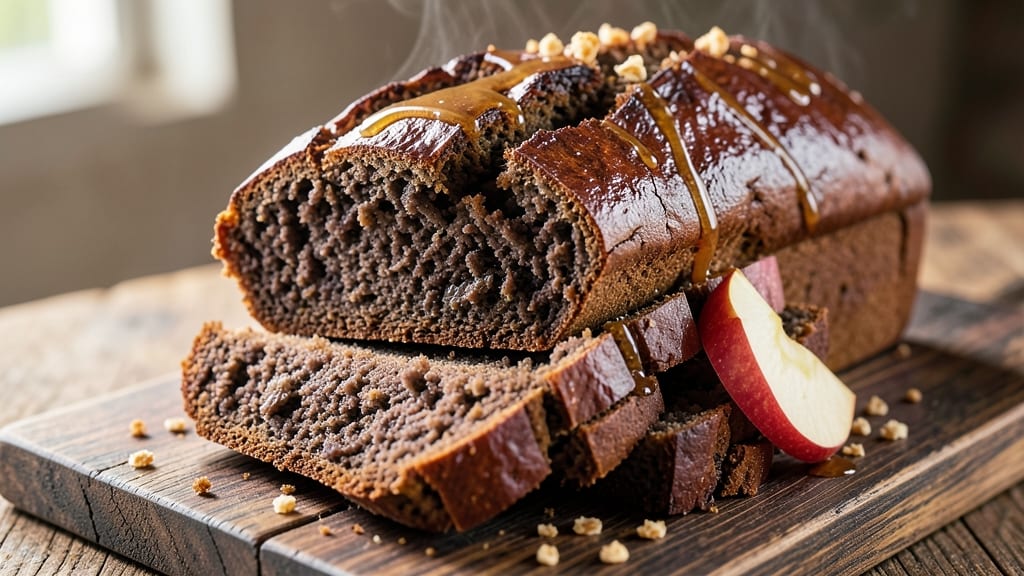
This American pumpernickel bread recipe delivers the deep, molasses-kissed flavor and dense texture that makes it a bakery staple. 🔥 The secret lies in balancing dark rye flour with just enough molasses and honey to create that signature sweet-savory profile without overpowering the bread's rustic character.
I've perfected this recipe over years of testing, ensuring every slice delivers that perfect combination of chewy crumb and crispy crust.
The dough requires patience—it needs time to develop its complex flavors through a slow fermentation process. This isn't just any quick bread; it's a labor of love that rewards you with a loaf so flavorful it'll have everyone asking for seconds.
The recipe uses a mix of rye flour and all-purpose flour for the right balance of density and structure, while molasses and honey add that signature depth without making the bread too sweet.
What makes this recipe stand out is how it captures that authentic American pumpernickel taste—rich, slightly sweet, and deeply satisfying. The crust develops a beautiful dark amber color with a satisfying crunch, while the interior remains tender and moist.
This bread is perfect for sandwiches, toast, or simply enjoyed on its own with a pat of butter.
Whether you're a home baker looking to master this classic or someone who simply loves great bread, this recipe delivers professional-quality results with simple techniques. Let's get started on baking your perfect loaf!
Ingredients for american pumpernickel bread
The perfect blend of rye and molasses creates that signature American pumpernickel taste you crave.
| Ingredient | Amount | Notes |
|---|---|---|
| Dark Rye Flour 🌾 | 4 cups | For authentic deep flavor |
| All-Purpose Flour 🌾 | 2 cups | For structure and lightness |
| Molasses 🍯 | ½ cup | Unsulphured for rich flavor |
| Honey 🍯 | ¼ cup | Wildflower for depth |
| Active Dry Yeast 🍞 | 2 ¼ tsp | For proper fermentation |
| Granulated Sugar 🍚 | 1 tbsp | Feeds yeast activation |
| Water 💧 | 1 ½ cups | Room temperature preferred |
| Unsalted Butter 🧈 | ½ cup | Cold, cubed for texture |
| Salt 🧂 | 1 ½ tsp | Kosher or sea salt |
| Cinnamon 🌿 | 1 tsp | Ground for warmth |
| Ground Cloves 🌶️ | ¼ tsp | For subtle spice depth |
| Cornmeal 🌽 | ¼ cup | For crust texture |
The dark rye flour is non-negotiable—this is what gives your bread that signature deep flavor. King Arthur or Bob's Red Mill are my go-tos, but any reputable brand will work. If you can only find light rye, mix it with extra whole wheat for depth. The molasses? Unsulphured is a must—it's sweeter and has that rich, complex flavor. I grab mine from Whole Foods or the baking aisle at Wegmans. For the honey, wildflower variety adds subtle floral notes that elevate the bread's complexity. If you're in a pinch, regular honey works, but trust me on the wildflower for that extra layer of flavor.
No dark rye flour? Mix 3 cups whole wheat flour with 1 cup all-purpose—it won't be identical, but it's a solid backup. Short on molasses? Maple syrup works in a pinch, but reduce it by 1 tbsp to account for the extra moisture. The yeast needs to be fresh—if it's past its expiration date, test it first by mixing with warm water and sugar. If it doesn't foam in 5-10 minutes, toss it. For the butter, European-style works best—it has more fat content for that perfect crumb. And if you're out of cinnamon, allspice or nutmeg can give you a similar warm spice profile, though the flavor will be slightly different.
This dough is a patient one—it needs time to develop its flavors. Let it rise overnight in the fridge for the best results. The bread keeps well for 5-7 days at room temperature, wrapped tightly in foil or a bread bag. For longer storage, freeze the loaf for up to 3 months. Just wrap it well in plastic wrap, then foil, and thaw at room temperature before toasting. Pro tip: Toast slices for 3-5 minutes to revive the crust and bring back that bakery-fresh crunch. Leftovers make amazing French toast—another reason to bake a second loaf.
Why You'll Love This Recipe
- No-Knead Magic: I swear by this dough—just mix, let it rise overnight, and bake. That dark rye flour gives it a deep, earthy crunch without the fuss of shaping or kneading. Honestly, I set it before bed and wake up to bread ready to slice.
- Sweet-Savory Balance: The molasses and honey caramelize into something rich and complex, but it’s not cloying—there’s a subtle tang from the rye that keeps it interesting. I’ll be real: my first loaf had me reaching for seconds, and that’s saying something for someone who usually skips dessert.
- Weeknight Workhorse: This bread doubles as toast, French toast, or a base for sandwiches—no one will guess it’s homemade. Between us, I’ve used it for everything from breakfast to charcuterie boards, and it never lets me down. (Yes, even on a Tuesday night.)
- Budget-Friendly Staple: Dark rye flour might sound fancy, but it’s cheaper than buying artisanal bread, and a single batch lasts me nearly a week. Freeze slices for quick toast later—no waste, all flavor. My wallet and taste buds both win.
Step-by-step instructions for American pumpernickel bread
This dough transforms into a rich, molasses-kissed loaf with a perfect balance of sweet and savory.
👨🍳 Step 1: Activate the Yeast and Mix Wet Ingredients
In a small bowl, combine the 1.5 cups water with the 1 tbsp granulated sugar and 2.25 tsp active dry yeast. Let it sit for 5-10 minutes until frothy—this confirms the yeast is alive and ready to work. I always check for bubbles here; if nothing happens, your yeast might be dead or your water too hot.
In a large mixing bowl, whisk together the 0.5 cup molasses and 0.25 cup honey with the yeast mixture. The molasses will be thick, so use a whisk to fully incorporate it. Add the 0.5 cup cold unsalted butter, cut into small cubes, and mix until just combined. The butter should be soft but not melted—this helps create tender crumb later. Here's the thing—don't overmix at this stage or you'll develop gluten too early.
👨🍳 Step 2: Combine Dry Ingredients and Form the Dough
In a separate bowl, sift together the 4 cups dark rye flour, 2 cups all-purpose flour, 1.5 tsp salt, 1 tsp cinnamon, and 0.25 tsp ground cloves. The rye flour will be dense, so sifting helps incorporate air and prevents a heavy texture. Gradually add this dry mixture to your wet ingredients while stirring with a wooden spoon.
Once combined, turn the dough out onto a lightly floured surface and knead for 8-10 minutes until smooth and elastic. I press down firmly with the heel of my hand and fold the dough over itself—this builds strength without overworking it. The dough should be slightly sticky but not wet. If it's too dry, add 1-2 teaspoons of water; if too sticky, add 1 tablespoon of flour. This is where you'll feel the difference between a dense loaf and one with perfect crumb.
⏰ Step 3: First Rise and Shaping
Lightly grease a large bowl with vegetable oil and place the dough inside. Cover with a damp kitchen towel and let rise in a warm place for 1-1.5 hours or until doubled in size. The warmth helps activate the yeast—if your kitchen is cool, place the bowl near a turned-off oven with the light on for gentle heat. Poke the dough gently; if it springs back slowly, it's ready.
Punch down the dough to release air, then divide it into two equal portions. Shape each into a smooth, round loaf about 8 inches in diameter. Place them on a baking sheet lined with parchment paper, cover again, and let rise for another 30-45 minutes. The dough should puff noticeably—this second rise ensures a light texture. Don't skip this step; it makes all the difference in the final loaf's height and crumb.
🔥 Step 4: Create the Crust and Bake
Preheat your oven to 375°F. Sprinkle 0.25 cup cornmeal evenly over a baking sheet—this prevents sticking and adds texture. Place your shaped loaves on the prepared sheet, then brush the tops generously with a mixture of 1 tablespoon water and 1 tablespoon molasses. The molasses will caramelize beautifully during baking, creating that signature dark crust.
Bake for 30-35 minutes until the crust is deep mahogany brown and the internal temperature reaches 190-200°F. Tap the bottom of the loaves—they should sound hollow. If the tops brown too quickly, tent with foil. The aroma at this point is incredible—molasses and rye working together in perfect harmony. Real talk: don't open the oven door early or the bread will collapse.
🍞 Step 5: Cool and Enjoy
Remove the loaves from the oven and let them cool on a wire rack for at least 1 hour. This resting period allows the internal structure to set and prevents a gummy texture. The bread will continue to develop flavor as it cools—patience here is key. I always slice a piece while still warm to check the crumb; it should be tender with a slight chew, not dense or crumbly.
Slice the cooled loaves into ½-inch thick pieces for serving. The crust should be crisp and molasses-rich, while the interior reveals a beautiful marbled pattern from the rye and all-purpose flour combination. Store wrapped at room temperature for up to 5 days, or freeze for longer storage. This bread shines with butter, cheese, or as a side to hearty soups—each slice tells the story of its slow, flavorful development.
Pro Tips For Making American Pumpernickel Bread
- STIR THE HONEY FIRST: Mix the honey and molasses into the warm water before adding yeast—this prevents the yeast from getting shocked by the sugar. I learned this the hard way when my first batch took forever to rise because the yeast was fighting the molasses from the start.
- WEIGH THE RYE FLOUR: Dark rye flour packs differently than all-purpose—use a kitchen scale for accuracy. I used to eyeball it, and my bread always came out denser than expected. A 1:1 ratio by weight keeps the texture light without sacrificing that deep pumpernickel flavor.
- DON’T OVERPROOF THE DOUGH: This isn’t sourdough—stop rising when the dough fills about 75% of a greased pan, not when it’s spilling over. I once let mine go too long, and the molasses turned bitter. Check it 10 minutes before the recipe’s suggested time.
- USE A DARKER MOLASSES: Unsulfured molasses has a richer, less bitter taste that shines in pumpernickel. I was skeptical until I tried it—now I won’t go back. If you only have sulfured, reduce it by 10% to avoid overpowering the bread.
Perfect pairings for this recipe
Classic Pairings
This rich, molasses-kissed pumpernickel pairs perfectly with sharp cheddar cheese and apple slices for a sweet-savory combo. The deep rye flavor balances the tangy cheese, while crisp apple adds freshness.
I love serving it with cold cuts like pastrami or corned beef—the bread's density holds up beautifully to deli meats. 🥪
Breakfast Stars
Toast thick slices and top with cream cheese and smoked salmon for a luxurious breakfast open-faced sandwich. The molasses adds subtle sweetness that complements the saltiness of the fish. For a sweeter morning, spread with almond butter and drizzle with honey—the flavors sing together.
I make this combo on weekends when I want something special but still easy.
Soup Companions
Serve warm slices alongside creamy potato-leek soup or New England clam chowder. The bread's hearty texture soaks up broth beautifully while its molasses notes cut through rich soups.
For a lighter option, pair with minestrone—the rye adds an earthy contrast to the vegetable medley. Always serve with butter for extra richness.
Dessert Twists
Use leftover slices as a base for peanut butter and jelly sandwiches with a twist—add a sprinkle of sea salt to enhance the flavors. For dessert, toast slices and top with vanilla ice cream, crushed pecans, and a drizzle of caramel sauce.
The molasses gives it a subtle depth that makes it feel like a bakery treat. 🍦
Beverage Matches
Pair this bread with black coffee to highlight its deep, toasty notes. For a boozy match, try rye whiskey or stout beer—both complement the molasses and rye flavors beautifully.
A glass of sparkling apple cider works too, balancing the bread's richness with crisp acidity. I always keep a bottle of local craft beer on hand when baking this loaf.
Global Variations
For a Swedish-inspired twist, serve with liverwurst and mustard—the bread's density holds up to the spread's richness. In Germany, it's often paired with smoked sausage and pickled vegetables for a hearty meal.
The key is balancing the bread's sweetness with something tangy or salty to keep flavors in harmony. 🌍
Nutrition facts
Frequently asked questions
Why does American pumpernickel bread taste sweeter than traditional German versions?
The American version uses more molasses and honey (0.5 cup molasses + 0.25 cup honey) to create that signature sweet-savory balance. Traditional German pumpernickel relies more on rye malt and less sweetener, giving it a drier, nuttier profile. The added butter and cornmeal crust in this recipe also enhance the sweetness during baking.
Can I substitute rye flour with whole wheat flour?
Yes, but expect a different texture. Use 3 cups whole wheat + 1 cup all-purpose flour to mimic the density. Whole wheat lacks the deep malt flavor of dark rye, so you'll miss that authentic pumpernickel character. For best results, stick with dark rye flour—it's what gives this bread its signature depth.
How do I fix dense or gummy pumpernickel bread?
Dense bread usually means over-kneading or under-proofing. Next time, knead for only 8-10 minutes and ensure both rises (1-1.5 hours first rise, 30-45 minutes second rise) are complete. For gummy texture, check your oven temperature—375°F is critical. Also, don't skip the 1-hour cooling time before slicing. The bread needs time to set properly.
Can I make this bread without molasses?
You can substitute with maple syrup (reduce by 1 tbsp due to extra moisture) or dark brown sugar + 1 tsp vinegar for acidity. However, molasses provides unique depth—its sulfur compounds create that signature "pumpernickel" flavor. If avoiding molasses entirely, consider a different rye bread recipe.
How should I store leftover pumpernickel bread?
Wrap tightly in foil or a bread bag and store at room temperature for 5-7 days. For longer storage, freeze the loaf wrapped in plastic and foil for up to 3 months. To revive stale bread, toast slices for 3-5 minutes—the heat will restore that bakery-fresh crunch. Never refrigerate unless you prefer a harder texture.