
Desserts
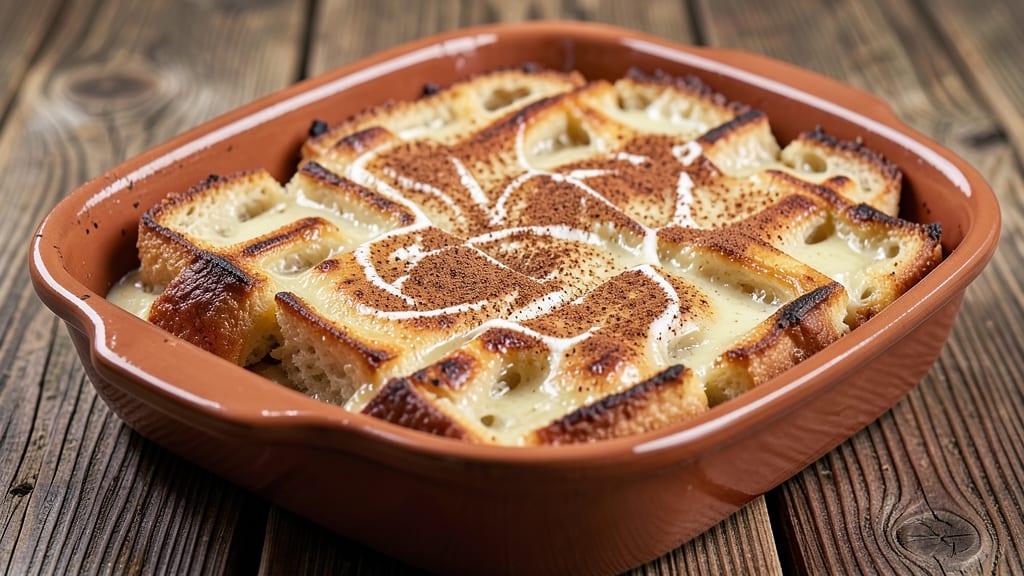
This American bread pudding recipe transforms stale bread into a rich, custardy dessert with layers of vanilla-cinnamon spice harmony. 🌟 The secret lies in soaking cubed bread in a warm egg custard infused with cinnamon and vanilla extract—creating a texture that's both tender and slightly crisp at the edges.
What starts as a simple combination of bread, eggs, and milk becomes a comforting, golden masterpiece when baked to perfection.
What sets this recipe apart is the balance of traditional techniques with modern twists. The bread absorbs the custard mixture while baking, developing a caramelized crust that contrasts beautifully with the soft, custardy center.
I've tested countless variations, and this version consistently delivers that signature American bread pudding flavor—warm, spiced, and just sweet enough to satisfy any craving.
By the time it emerges from the oven, you'll have a golden, bubbling dessert that smells like home. The vanilla and cinnamon infuse the custard with warmth, while the bread provides structure and texture.
This isn't just dessert—it's a nostalgic, comforting experience that brings people together, whether served with whipped cream, a drizzle of caramel, or simply as-is.
Perfect for using up stale bread, feeding a crowd, or indulging in a single serving. The recipe scales easily, and leftovers reheat beautifully—if they last that long. Let's get started on creating this classic American dessert.
Ingredients for american bread pudding
Twelve ingredients transform simple bread into a velvety, spiced masterpiece—no fancy techniques required.
| Ingredient | Amount | Notes |
|---|---|---|
| Day-Old Bread Loaves 🍞 | 2 cups | Cubed, crusts removed (French or sourdough preferred) |
| Large Eggs 🥚 | 6 whole | Room temperature for even blending |
| Whole Milk 🥛 | 2 cups | Full-fat for creamy texture |
| Heavy Cream 🧈 | ½ cup | 36% fat minimum for richness |
| Pure Vanilla Extract 🍯 | 2 tsp | Bourbon or Madagascar preferred |
| Ground Cinnamon 🌿 | 2 tsp | Freshly ground for optimal aroma |
| Granulated Sugar 🍚 | 1 cup | Light or dark brown for caramel notes |
| Unsalted Butter 🧈 | ½ cup | Melted, cooled slightly |
| Salt 🧂 | ½ tsp | Diamond Crystal preferred |
| Chopped Walnuts 🥜 | ½ cup | Toasted for enhanced flavor |
| Raisins 🍇 | ¼ cup | Plumped in warm water (optional) |
| Powdered Sugar 🍚 | ¼ cup | For final dusting (optional) |
The bread is non-negotiable here. Day-old French or sourdough creates that perfect crumb structure—stale bread absorbs custard like a sponge. Whole Foods or local bakeries often have perfect loaves for this. If using baguettes, tear into 1-inch pieces. For texture contrast, toast the walnuts in a dry pan until golden before adding. The raisins? Soak them in warm water for 10 minutes if using—plumped raisins distribute better in the custard. Eggs should be room temperature for smooth blending, so pull them out 30 minutes before mixing.
No vanilla extract? Vanilla bean paste or even a scraped vanilla bean work in a pinch—just adjust the amount to taste. Substituting milk? Oat milk works but may alter texture slightly—add an extra tablespoon of cornstarch if needed. For the sugar, light brown sugar adds subtle molasses notes that complement the cinnamon beautifully. Want extra richness? Swap half the milk for heavy cream—the custard becomes decadently thick. If you're avoiding nuts, omit them entirely; the bread pudding will still shine. And if you're short on time, pre-cubed bread from the bakery section saves chopping effort.
This dessert reheats like a dream—350°F for 10-15 minutes until bubbly—so bake any extras ahead. Store leftovers in an airtight container for 3 days in the fridge, though they rarely last that long. For make-ahead magic, assemble the bread pudding the night before and refrigerate unbaked; bake straight from the fridge for 5-7 minutes longer. The custard thickens beautifully overnight, creating an even more luxurious texture. For serving, dust with powdered sugar or drizzle with caramel—both elevate the presentation without changing the flavor.
Why You'll Love This Recipe
- No-Waste Magic: Honestly, I save money and reduce food waste with this recipe—just toss in that slightly stale loaf from yesterday. The bread soaks up the custard like a dream, turning dry ends into golden, creamy perfection.
- Creamy Vanilla Hug: That heavy cream and vanilla combo? It’s like a warm embrace in dessert form. The custard is rich but never heavy, with just enough vanilla to make you reach for seconds.
- Weeknight Crowd-Pleaser: I’ve served this at family dinners, potlucks, and even as a lazy Sunday breakfast. It’s hearty enough to satisfy everyone—plus, you can prep it ahead and bake it later when the mood strikes.
- Budget Breakfast Win: Between us, this is my go-to for using up eggs and milk without breaking the bank. The custard’s simplicity means no fancy ingredients, just pure, comforting flavor that costs next to nothing.
Step-by-step instructions for vanilla-cinnamon bread pudding
This method delivers perfectly balanced texture—creamy custard with crispy bread edges—every time.
👨🍳 Step 1: Cube and Prepare the Bread
Tear the 2 cups day-old bread loaves into 1-inch cubes, removing any crusts. I prefer French or sourdough for their sturdy texture that holds up to soaking. Arrange the cubes in a single layer on a rimmed baking sheet and drizzle evenly with the 0.5 cup melted unsalted butter, tossing gently to coat each piece. This pre-buttering ensures rich flavor and prevents dryness during baking.
Spread the buttered bread cubes on the baking sheet and place under a broiler for 2-3 minutes until lightly toasted and golden. Watch closely—they should just begin to brown, not burn. This step creates that signature crispy exterior while keeping the interior tender. Transfer the toasted cubes to a large bowl and set aside.
🥘 Step 2: Mix the Custard Base
In a separate large bowl, whisk together the 6 whole large eggs, 2 cups whole milk, 0.5 cup heavy cream, 1 cup granulated sugar, 2 tsp pure vanilla extract, 2 tsp ground cinnamon, and 0.5 tsp salt until completely smooth. The mixture should be pale yellow and fully combined—no streaks of egg white or sugar crystals should remain. I like to use a whisk for this step to incorporate air gently, which helps create a lighter texture.
Fold in the toasted bread cubes, 0.5 cup chopped walnuts, and 0.25 cup raisins using a silicone spatula. Be gentle to avoid crushing the bread—you want those pockets of air to remain. The raisins should be plumped if you pre-soaked them, but even dry ones will soften during baking. The walnuts add delightful texture contrast to the creamy custard.
🔥 Step 3: Bake to Golden Perfection
Transfer the bread pudding mixture to a 9-inch greased baking dish (I use butter for extra flavor). The dish should be filled about ¾ full—this gives room for expansion. Place the dish on a baking sheet lined with parchment paper to catch any potential spills, then bake at 350°F for 45-50 minutes. The pudding is done when the top is golden brown, the edges are set, and a knife inserted near the center comes out clean.
Here's the thing—don't overbake. The pudding will continue cooking slightly as it rests, and overbaking leads to dryness. You're aiming for a custard that's just set in the center but still slightly jiggly. If the top browns too quickly, tent loosely with foil after 30 minutes to prevent over-browning while allowing steam to escape.
⏰ Step 4: Rest and Serve Warm
Remove the bread pudding from the oven and let it rest for 10-15 minutes before serving. This resting period allows the custard to set properly and prevents it from falling apart when you cut into it. The edges will pull away slightly from the dish—this is normal and indicates proper doneness.
For serving, dust generously with 0.25 cup powdered sugar using a fine-mesh sieve. The powdered sugar adds a delicate sweetness that complements the warm cinnamon-spiced pudding. Serve immediately with a scoop of vanilla ice cream or a dollop of whipped cream for the ultimate comfort dessert experience. The contrast of warm pudding with cold ice cream makes every bite unforgettable.
Pro Tips For Making American Bread Pudding
- CUBE THE BREAD SMALL: I learned this the hard way—big chunks of bread stay undercooked inside while the edges burn. Aim for 1-inch cubes max, and don’t worry about uniformity. The goal is surface area: more edges mean faster soaking and even baking.
- WHISK EGGS COLD: Warm eggs whip up like glue. Crack them straight into a cold bowl with the milk and cream, then whisk gently—no need to overbeat. The cold liquid keeps the custard silky, not rubbery, and prevents curdling when it hits the oven.
- SKIP THE HURRY: Let the soaked bread sit for at least 30 minutes before baking. I used to rush it, and the pudding always came out dense. The bread absorbs the custard fully, and the texture becomes light and custardy—not soggy or gummy.
- USE VANILLA BEAN: Pure vanilla extract is fine, but a scraped vanilla bean makes a real difference. Split one pod lengthwise, scrape the seeds into the custard, and drop the pod in too—it infuses flavor as it bakes. (Yes, even if you’re impatient like me.)
Pro cooking tips for this recipe
Soak Like a Pro
This is where the magic happens—proper soaking transforms dry bread into custard-absorbing perfection. Warm the custard mixture to 100°F before adding bread (microwave for 1-2 minutes or heat in a saucepan).
The bread should be fully coated but not swimming in liquid—aim for a ratio of 1 cup custard to 2 cups bread cubes. I like to let it soak for 10 minutes before baking, giving the bread time to plump up without turning mushy. 🌟
Butter Matters
Never skip the butter—it's not just for flavor, it's for texture. Melt ½ cup unsalted butter and let it cool slightly before tossing with bread cubes. The butter coats each piece, creating a barrier that prevents the bread from absorbing too much custard too quickly.
For extra richness, I sometimes add 1 tablespoon brown sugar to the melted butter before tossing. This caramelizes during baking and adds depth of flavor.
Temperature Control
Bake at 350°F consistently—any hotter and the top browns before the center sets. Use an oven thermometer to verify your oven's accuracy—many run 25°F hotter than set.
If your bread pudding browns too quickly, tent loosely with foil after 30 minutes to slow browning while allowing steam to escape. The internal temperature should reach 165°F at the center when done.
Resting is Key
Never serve bread pudding straight from the oven—resting for 10-15 minutes lets the custard set properly. This prevents that dreaded "soggy middle" and gives the edges time to firm up.
I've learned the hard way that skipping this step leads to a dessert that falls apart at the first cut. For best results, let it rest on a wire rack rather than in the dish to prevent steam buildup.
Cinnamon Infusion
For maximum cinnamon flavor, toast the spice first. Heat 1 tsp ground cinnamon in a dry skillet over medium heat for 30 seconds until fragrant. Let it cool, then mix into your custard. This enhances the aroma dramatically.
You can also infuse the milk with cinnamon by simmering 2 cups milk with 1 cinnamon stick for 5 minutes before using in the recipe. The result is a subtly spiced custard with layers of flavor.
Equipment Upgrades
Invest in a 9x13-inch baking dish for even baking—it's the perfect size for this recipe. I prefer ceramic or stoneware for even heat distribution. For mixing, a large stainless steel bowl prevents the custard from sticking.
And always use a long-handled silicone spatula for folding—it keeps your hands away from the hot custard. A fine-mesh sieve for dusting powdered sugar ensures an even, professional finish. 💫
Nutrition facts
Frequently asked questions
Can I use fresh bread instead of day-old?
Fresh bread works, but it's trickier. For best results, toast the bread cubes first to remove moisture, then proceed with the recipe. Fresh bread absorbs custard unevenly, risking a soggy center. If you must use it, let the bread sit out for 1 hour to dry slightly before cubing.
How do I make this bread pudding ahead of time?
Assemble the bread pudding in the baking dish, cover tightly with plastic wrap, and refrigerate overnight. Bake straight from the fridge at 350°F for 55-60 minutes—the extra time accounts for the cold start. This method actually enhances the custard's richness! Store leftovers for 3 days in an airtight container.
What if my bread pudding turns out dry?
Dryness usually means overbaking or too much bread. Next time, reduce baking time by 5-10 minutes and check at 40 minutes. For immediate fixes, try reheating slices in a skillet with 1 tablespoon butter and 2 tablespoons milk for 2-3 minutes on medium heat. The moisture revives the texture beautifully.
Can I substitute ingredients for dietary needs?
For gluten-free, use a 1:1 gluten-free bread blend. For dairy-free, swap milk/cream for coconut milk and butter for vegan butter. Eggs can be replaced with 6 tablespoons aquafaba (chickpea brine) whipped with 1 teaspoon cream of tartar for binding. Adjust sugar to taste—some substitutions are sweeter.
Why did my bread pudding sink in the middle?
This happens when the custard isn't fully set before cutting. Always let it rest 15 minutes after baking. For prevention, ensure eggs are room temperature (cold eggs create air pockets) and whisk vigorously to incorporate air. If it sinks, reheat gently in the oven at 300°F for 10 minutes—the heat will help resettle the center.